Ingredient Guide · Gourmand
Gourmand Family · Perfumery Note

Madagascar Vanilla

The benchmark for sweet, creamy, and boozy base notes.

In perfumery, Madagascar Vanilla is a classic base note, renowned for its creamy, full-bodied, and slightly boozy character. Its signature aroma is driven by vanillin and over 200 minor compounds, with natural extracts used at 0.5–2% in fine fragrance.

Madagascar Vanilla
Ingredient Profile

Madagascar Vanilla

Gourmand Family
Family Gourmand
Note Position Base Note
Usage Level 80%
Key Origins Madagascar, Indonesia, Mexico
Iconic In Nest Madagascar Vanilla Perfume Oil, Parfum d’Empire Madagascar Le Baume Vanille
The Ingredient

What does Madagascar Vanilla smell like and why is it so prized in perfumery?

Madagascar Vanilla, derived from the cured pods of Vanilla planifolia, is the gold standard for vanilla in perfumery. Its scent profile is dominated by vanillin (4-hydroxy-3-methoxybenzaldehyde), but the complexity comes from over 200 additional trace compounds, including p-hydroxybenzaldehyde, vanillic acid, and anisaldehyde. The result is a creamy, rich, and slightly boozy aroma with undertones of sweet milk, soft woods, and a subtle smokiness. Unlike synthetic vanillin, natural Madagascar Vanilla reveals almond, powdery, and even leathery nuances due to its complex molecular composition. This multifaceted scent is often described as comforting, enveloping, and gourmand, yet never one-dimensional. In perfumery, Madagascar Vanilla is almost exclusively used as a base note, anchoring compositions with its warmth and longevity. Typical usage concentrations range from 0.5% in mainstream fragrances to up to 2% in niche or gourmand-focused formulas. Its high molecular weight and low volatility ensure a slow, persistent diffusion, allowing the vanilla character to linger for hours. On skin, the scent can shift from milky and sweet to woody and slightly smoky, depending on individual pH and moisture, making it highly interactive with skin chemistry. Madagascar Vanilla in perfumery is not only a fixative but also a softening agent, rounding sharp florals or spices and enhancing the overall smoothness of a fragrance. Two exemplary fragrances that showcase Madagascar Vanilla’s versatility are Nest Madagascar Vanilla Perfume Oil (2021), which pairs vanilla bean and orchid with coconut for a creamy, tropical effect, and Parfum d’Empire Madagascar Le Baume Vanille (2025), where perfumer Marc-Antoine Corticchiato explores both the ethereal sweetness and the dark, woody, tobacco-like facets of the vanilla pod. These compositions demonstrate how Madagascar Vanilla can serve as both a central theme and a harmonizing backdrop in modern perfumery.

80%
Madagascar produces approximately 80% of the world’s vanilla supply, with the Sava region as the primary source. This dominance shapes the global vanilla market.
6–12 Hours
A typical Madagascar Vanilla fragrance lasts 6–12 hours on skin, depending on concentration and composition. High molecular weight and low volatility ensure persistent diffusion.
$3,000–6,000/kg
Natural vanilla absolute costs $3,000–6,000 per kilogram, reflecting the labor-intensive cultivation and curing process. Synthetic vanillin, by contrast, costs $15–30/kg.
Origin & Extraction

Where Madagascar Vanilla Comes From — Origin & Extraction

Geography, climate, and soil composition shape the aroma of Madagascar Vanilla. The humid, volcanic soils and tropical microclimates of Madagascar’s Sava region foster high vanillin content and a balanced, creamy profile.

Madagascar Vanilla is sourced from Vanilla planifolia, a tropical orchid native to Mexico but now cultivated primarily in Madagascar, which accounts for approximately 80% of global vanilla production (estimated 2,000–2,500 metric tons annually). Other significant producers include Indonesia, Uganda, and the Comoros, but Madagascar’s Bourbon vanilla is prized for its high vanillin content and balanced profile. The vanilla orchid requires manual pollination, a process discovered by Edmond Albius in 1841, and each flower must be hand-pollinated within a single day of blooming. After harvest, green vanilla pods undergo a labor-intensive curing process: blanching in hot water, sweating under woolen blankets, sun-drying, and conditioning for up to 6 months. This process transforms glucovanillin into vanillin and develops the full aromatic complexity. Extraction for perfumery typically uses volatile solvents (ethanol or hexane) to produce vanilla absolute, with yields of 1–2% by weight. CO2 extraction is also used for a cleaner, truer-to-pod aroma. Natural vanilla absolute costs $3,000–6,000 per kg, while synthetic vanillin (CAS 121-33-5) can be produced for $15–30 per kg. Sustainability is a concern: vanilla farming in Madagascar is threatened by climate change, price volatility, and deforestation, but shade-grown and organic practices are increasingly adopted to protect biodiversity and ensure long-term supply.

MG

Madagascar

The Sava region (Sambava, Antalaha, Vohemar, Andapa) produces over 80% of the world’s vanilla. Volcanic soils, high humidity, and traditional curing yield pods with 2–2.5% vanillin content. Hand-pollination and sun-curing are standard, with annual production around 2,000–2,500 metric tons.

ID

Indonesia

Java and Sumatra regions are major producers, accounting for 10–15% of global supply. Indonesian vanilla is often smokier and less sweet due to different curing methods (including fire-drying), with lower vanillin content (1.5–2%).

MX

Mexico

Veracruz and Papantla are historic vanilla centers. Mexican vanilla is spicier and earthier, with a more pronounced woody character. Production is limited (less than 1% of global supply), but beans are prized for complexity.

KM

Comoros

The Comoros archipelago produces Bourbon-type vanilla with a creamy, slightly floral profile. Production is small-scale but highly regarded for artisanal quality and traditional sun-curing.

Chemistry

Natural vs Synthetic Madagascar Vanilla in Perfumery

Natural Madagascar Vanilla absolute contains vanillin (CAS 121-33-5), p-hydroxybenzaldehyde, vanillic acid, and anisaldehyde, resulting in a nuanced, evolving scent profile. Synthetic alternatives—primarily vanillin, ethyl vanillin (CAS 121-32-4), and heliotropin (piperonal, CAS 120-57-0)—are widely used for consistency, cost, and performance. Synthetic vanillin is typically derived from guaiacol (petrochemical) or lignin (wood pulp), offering a strong, linear, and sweet vanilla note but lacking the creamy, woody, and spicy undertones of natural extracts. Performance-wise, synthetic vanillin provides excellent longevity and projection, often outlasting natural vanilla on skin. However, natural vanilla’s complexity and subtlety are preferred in high-end and niche perfumery, where authenticity and traceability are valued. Cost is a major factor: natural vanilla absolute is 100–200 times more expensive than synthetic vanillin. Notable fragrances using natural Madagascar Vanilla include Parfum d’Empire Madagascar Le Baume Vanille (2025), while mainstream and mass-market scents often rely on synthetic vanillin or ethyl vanillin for consistency. The HumanSafe™ platform at CA Perfume ensures full transparency on vanilla sourcing, prioritizing sustainable, traceable supply chains and minimizing synthetic additives where possible.

Natural
Madagascar Vanilla Absolute
Cost $3,000–6,000/kg
Method Solvent / CO₂
Character Complex, variable
vs
Synthetic
Safranal & Analogues
Cost $50–200/kg
Method Lab synthesis
Character Consistent, stable
Hall of Fame

Famous Fragrances That Define Madagascar Vanilla in Perfumery

2021
dominant note

Nest Madagascar Vanilla Perfume Oil

Nest
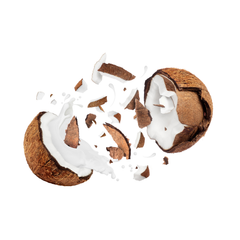
Vanilla OrchidCoconut
2025
dominant note

Parfum d’Empire Madagascar Le Baume Vanille

Parfum d’Empire
by Marc-Antoine Corticchiato
RumBlack PepperCacaoCoconutMusk
dominant note

I Profumi di Firenze Vaniglia del Madagascar

I Profumi di Firenze
Whipped CreamLily-of-the-Valley
2019
bridge note

Maison Francis Kurkdjian Gentle Fluidity Gold

Maison Francis Kurkdjian
by Francis Kurkdjian
AmberMuskCoriander
2002
dominant note

Dior Addict

Dior
by Thierry Wasser
Tonka BeanQueen of the Night FlowerMandarin Leaf

Madagascar Vanilla has been a cornerstone of modern perfumery, serving as both a dominant note and a supporting base in a wide range of compositions. In Nest Madagascar Vanilla Perfume Oil (2021), the vanilla bean is paired with vanilla orchid and coconut, creating a creamy, tropical, and long-lasting profile that highlights the natural sweetness and floral nuances of Madagascar Vanilla. Parfum d’Empire Madagascar Le Baume Vanille (2025), composed by Marc-Antoine Corticchiato, explores the duality of vanilla’s ethereal sweetness and its dark, woody, and tobacco-inflected undertones, using rum, pepper, and cacao to accentuate both facets. I Profumi di Firenze Vaniglia del Madagascar (2000s) presents a liqueur-like, sugary vanilla with a chocolate-floral opening and a smoky, whipped cream drydown, demonstrating the versatility of Madagascar Vanilla in both gourmand and floral contexts. Maison Francis Kurkdjian Gentle Fluidity Gold (2019, Francis Kurkdjian) uses Madagascar Vanilla as a bridge note, blending it with amber, musk, and spicy coriander for a refined, unisex signature. Finally, Dior Addict (2002, Thierry Wasser) employs Bourbon vanilla absolute (from Madagascar) as a dominant base, paired with tonka bean and queen of the night flower, creating a warm, spicy, and intoxicating effect. CA Perfume’s collection draws inspiration from this lineage, offering both pure vanilla soliflores and complex blends that showcase Madagascar Vanilla’s multifaceted character.

The Accord

How is a captivating Madagascar Vanilla accord crafted?

A classic Madagascar Vanilla accord balances creamy sweetness, floralcy, and woody depth. Typical proportions: Madagascar Vanilla Absolute 35–40%, Sandalwood 25–30%, Tonka Bean 15–20%, Jasmine 15–20%. Sandalwood provides a lactonic, milky base that amplifies vanilla’s creaminess via shared lactones. Tonka bean (coumarin) enhances the almond facet and adds a subtle hay-like warmth. Jasmine introduces indolic, floral brightness, bridging vanilla’s sweetness with floral top notes.

40%

Madagascar Vanilla Absolute

35–40% of blend

Provides the creamy, boozy, and sweet backbone of the accord, with vanillin and over 200 minor compounds contributing complexity.

30%

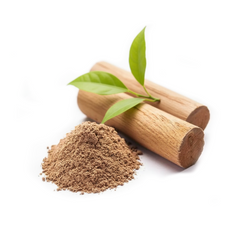
Sandalwood

25–30% of blend

Rich in santalol, sandalwood amplifies vanilla’s lactonic creaminess and adds a soft, woody undertone that enhances longevity.

20%

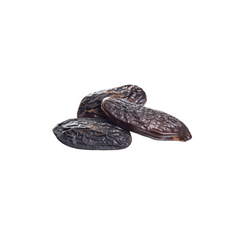
Tonka Bean

15–20% of blend

Coumarin in tonka bean strengthens vanilla’s almond and hay-like nuances, rounding the accord’s sweetness and adding subtle warmth.

20%

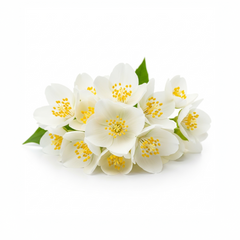
Jasmine

15–20% of blend

Jasmine’s indoles and benzyl acetate introduce floral brightness, linking vanilla’s sweetness to the floral heart and enhancing diffusion.

The Olfactory Layers

How Madagascar Vanilla Evolves on Skin

Madagascar Vanilla’s olfactory evolution is gradual, with low-volatility compounds ensuring a persistent, creamy presence. Top notes fade quickly, revealing a rich heart and a long-lasting, woody-sweet base.

I
Top notes
0–15 min
Creamy Opener

Initial impression is creamy, slightly boozy, and sweet, dominated by vanillin and ethyl vanillin. Volatile aldehydes and trace esters provide a fleeting floral brightness, but these evaporate rapidly, giving way to the denser heart.

CreamyBoozySweet
II
Heart notes
20–60 min
Almond-Powder Heart

The heart reveals almond, powdery, and floral nuances from anisaldehyde, heliotropin, and minor phenolic compounds. The vanilla’s complexity emerges, with subtle woody and floral undertones supporting the main accord.

AlmondPowderyFloral
III
Base notes
Several hours
Woody-Sweet Drydown

Long-lasting, warm, and slightly smoky, the base is anchored by vanillin, vanillic acid, and coumarin. Woody and balsamic undertones persist, with a creamy, enveloping sweetness that lingers for 6–12 hours depending on concentration and skin chemistry.

WoodySmokyWarm
TOP NOTES Creamy Opener 0–15 minutes HEART NOTES Almond-Powder Heart 20–60 minutes BASE NOTES Woody-Sweet Drydown Several hours
Through the Ages

The Story of Madagascar Vanilla in Perfumery

Madagascar Vanilla’s journey in perfumery spans from Aztec chocolate elixirs to modern niche fragrances, shaped by global trade, colonial history, and advances in extraction.

15th century

Aztec Use of Vanilla in Cacao

Vanilla, native to Mexico, was used by the Aztecs to flavor xocolatl, a cacao-based beverage. The Spanish introduced vanilla to Europe in the early 16th century, sparking demand for its unique aroma.

1841

Edmond Albius Discovers Hand-Pollination

Edmond Albius, a 12-year-old slave on Réunion Island, invents manual pollination for vanilla orchids, enabling commercial cultivation outside Mexico and transforming Madagascar into the world’s leading producer.

1889

Synthetic Vanillin Commercialized

Ferdinand Tiemann and Wilhelm Haarmann synthesize vanillin from coniferin, making vanilla’s signature scent accessible and affordable for perfumery and food industries.

2002

Dior Addict Launches with Bourbon Vanilla

Dior Addict, composed by Thierry Wasser, features Bourbon vanilla absolute from Madagascar as a dominant base, setting a new standard for vanilla-centric luxury fragrances.

2025

Niche Vanilla Renaissance

Modern niche launches such as Parfum d’Empire Madagascar Le Baume Vanille and Nest Madagascar Vanilla Perfume Oil highlight the complexity and authenticity of Madagascar Vanilla, blending it with coconut, rum, and spices.

The Art of Layering

How to Layer Madagascar Vanilla

Understanding how to layer Madagascar Vanilla involves molecular compatibility: shared lactones, coumarin, and indoles enable seamless blending with florals, woods, and spices. Here’s how to layer Madagascar Vanilla for maximum effect.

01

Enhance Sweetness

Layer with tonka bean or benzoin-rich fragrances. Coumarin in tonka and benzoin’s vanillic balsams amplify vanilla’s creamy and sweet facets via olfactory synergy. Example: Maison Francis Kurkdjian Gentle Fluidity Gold blends vanilla with amber and musk for a soft, sweet finish.

02

Add Depth

Pair with sandalwood, patchouli, or vetiver. Shared lactones and woody sesquiterpenes create a creamy, grounding base, enhancing vanilla’s longevity and complexity. Parfum d’Empire Madagascar Le Baume Vanille demonstrates this with rum, cacao, and woods.

03

Lighten the Glow

Combine with jasmine, orange blossom, or citrus. Indoles and benzyl acetate in florals bridge vanilla’s sweetness, while citrus aldehydes add brightness. Nest Madagascar Vanilla Perfume Oil pairs vanilla with coconut and vanilla orchid for a luminous, tropical effect.

Wear It Right

How to Wear Madagascar Vanilla Like a Pro

Seasonal Guide

Fall & Winter

Cooler temperatures suppress volatility, allowing Madagascar Vanilla’s creamy, woody, and smoky facets to linger. Apply to pulse points and under clothing for a cocooning effect. The scent’s warmth and depth are ideal for cold weather.

Spring

Moderate warmth enhances vanilla’s floral and powdery nuances. Layer with light florals or citrus for a fresh, uplifting profile. Apply sparingly to avoid overwhelming lighter spring scents.

Summer

Heat increases volatility, intensifying the sweetness and projection of Madagascar Vanilla. Use lighter concentrations (EDT or body mist) and apply to cooler areas (behind knees, ankles) to prevent cloying. Pair with coconut or citrus for a tropical effect.

Year-Round Tip

Adjust application based on humidity: in dry climates, vanilla may seem softer and more powdery; in humid conditions, it becomes richer and more enveloping. Layer with woody or musky notes for added complexity in any season.

Application Points

Strategic application enhances Madagascar Vanilla’s longevity and evolution. Target pulse points and textured areas for optimal diffusion.

1

Neck

The neck’s warmth accelerates evaporation of top notes, releasing creamy and sweet facets quickly. Ideal for immediate impact and moderate projection.

2

Behind the Ears

A cooler, less exposed area that slows evaporation, allowing vanilla’s woody and balsamic base to develop gradually. Enhances longevity and subtle sillage.

3

Inner Wrists

Pulse points on the wrists amplify diffusion, making the scent more noticeable during gestures. The skin’s thinness highlights vanilla’s powdery and almond nuances.

4

Hair

Hair fibers retain fragrance molecules, providing a slow, sustained release of vanilla’s creamy and woody notes. Avoid alcohol-based sprays directly on hair to prevent dryness.

Pro Tip

Layer Madagascar Vanilla over unscented moisturizer or vanilla-scented lotion to lock in the scent and enhance projection. This creates a multi-dimensional vanilla experience.

Mood Architecture™

Top Madagascar Vanilla Fragrances by Mood Score

These Madagascar Vanilla-based fragrances scored highest on the MEI™ Mood Architecture Framework — measuring how a scent may influence your emotional state.

Highest MEI Score
Eros — Versace Eros Alternative Cologne
8.39
MEI™
Primary Romantic
Secondary Energizing
Confidence
7.32
Presence
7.15
Mood Lift
9.5
Identity
7.47
Warmth
9.5
Social Ease
9.15
Energy
5.3
" I am beautiful.
View full mood profile →
Madame Couture Intense — Coco Mademoiselle Intense Alternative Perfume
8.08
MEI™
Primary Romantic
Secondary Confident
Confidence
7.34
Presence
7.86
Mood Lift
8.77
Identity
8.15
Warmth
9.5
Social Ease
8.09
Energy
3.7
" I am beautiful.
View full mood profile →
Libre Women Intense — Libre Intense Alternative Perfume
8.06
MEI™
Primary Romantic
Secondary Grounding
Confidence
6.78
Presence
6.92
Mood Lift
9.19
Identity
6.92
Warmth
9.29
Social Ease
9.11
Energy
4.5
" I am beautiful.
View full mood profile →
Libre Women — Libre Alternative Perfume
7.77
MEI™
Primary Fresh
Secondary Romantic
Confidence
6.41
Presence
6.48
Mood Lift
9.37
Identity
6.53
Warmth
8.38
Social Ease
8.85
Energy
4.7
" I am radiant.
View full mood profile →
HumanSafe™

Top Madagascar Vanilla Fragrances by HumanSafe™ Score

These Madagascar Vanilla-based fragrances have the highest product-level HumanSafe™ scores in this ingredient collection.

Highest HumanSafe™ Score
Vetiver Moloko — Ex Nihilo Vetiver Moloko Alternative Perfume
A-
HumanSafe™ Score Generally Safe
Safest Evaluated Ingredients EDP
AQUA Solvent / Carrier ISS 10.0
BENZYL SALICYLATE EYE IRRITATION - CAT. 2B [H320] Evaluated ingredient ISS 9.0
4H-INDEN-4-ONE, 1,2,3,5,6,7-HEXAHYDRO-1,1,2,3,3- Evaluated ingredient ISS 9.0
1H-3A,7-METHANOAZULENE, OCTAHYDRO-6-METHOXY-3,6,8,8- Evaluated ingredient ISS 9.0
OCTANAL, 2-(PHENYLMETHYLENE)- Evaluated ingredient ISS 8.0
REACTION MASS OF: (E)-OXACYCLOHEXADEC-12-EN-2-ONE, (E)- Evaluated ingredient ISS 7.0
View full safety profile →
Stronger W / U — Stronger With You Alternative Cologne
A-
HumanSafe™ Score Generally Safe
Safest Evaluated Ingredients EDP
AQUA Solvent / Carrier ISS 10.0
1,4-DIOXACYCLOHEPTADECANE-5,17-DIONE Evaluated ingredient ISS 10.0
HEXYL SALICYLATE Evaluated ingredient ISS 9.0
AMBROXIDE Evaluated ingredient ISS 9.0
View full safety profile →
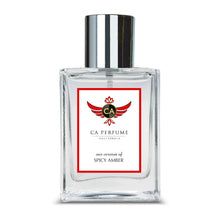
Spicy Amber — Amber Spicy Perfume
#3
Spicy Amber — Amber Spicy Perfume
Starting from $14.99
A-
HumanSafe™ Score Generally Safe
Safest Evaluated Ingredients EDP
AQUA Solvent / Carrier ISS 10.0
1,4-DIOXACYCLOHEPTADECANE-5,17-DIONE Evaluated ingredient ISS 10.0
2H-1-BENZOPYRAN-6-OL, 3,4-DIHYDRO-2,5,7,8-TETRAMETHYL- Evaluated ingredient ISS 8.0
LINALYL ACETATE Evaluated ingredient ISS 7.0
ALCOHOL DENAT. Solvent / Carrier ISS 7.0
D-LIMONENE Evaluated ingredient ISS 6.8
View full safety profile →
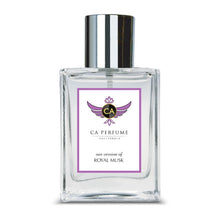
Royal Musk — Amber Resinous Perfume
#4
Royal Musk — Amber Resinous Perfume
Starting from $14.99
A-
HumanSafe™ Score Generally Safe
Safest Evaluated Ingredients EDP
AQUA Solvent / Carrier ISS 10.0
AMBROXID Evaluated ingredient ISS 10.0
1,4-DIOXACYCLOHEPTADECANE-5,17-DIONE Evaluated ingredient ISS 10.0
BENZYL SALICYLATE Evaluated ingredient ISS 9.0
TRICYCLO[6.3.1.02,5]DODECAN-1-OL, 4,4,8-TRIMETHYL-, Evaluated ingredient ISS 8.0
View full safety profile →
Expert Voices

What Masters Say About Madagascar Vanilla

Madagascar vanilla leans boozy and full-bodied, with a subtle smoky warmth that resembles cured vanilla pods.
CA Perfume Editorial
Natural vanilla’s complexity comes from over 200 minor compounds—synthetic vanillin alone cannot replicate its creamy, woody, and spicy nuances.
CA Perfume Editorial
Common Questions

Frequently Asked Questions

Answers to common questions about Madagascar Vanilla in perfumery.

Madagascar Vanilla in perfume smells creamy, sweet, and slightly boozy, with undertones of almond, soft woods, and a subtle smokiness. The scent is dominated by vanillin, but natural extracts reveal additional powdery, floral, and woody nuances due to over 200 trace compounds. This complexity makes Madagascar Vanilla the gold standard for vanilla notes in perfumery, offering both comfort and sophistication.

Madagascar Vanilla is almost always used as a base note in fragrance compositions. Its high molecular weight and low volatility ensure a slow, persistent diffusion, anchoring the scent and providing longevity. In most formulas, it is present at 0.5–2% concentration, supporting and softening the overall structure of the fragrance.

Madagascar Vanilla is favored in niche perfumery for its authenticity, complexity, and traceable origin. Its multifaceted aroma—ranging from creamy and sweet to woody and smoky—allows perfumers to craft unique, evolving compositions. The labor-intensive cultivation and artisanal curing in Madagascar also appeal to brands seeking transparency and sustainability.

Madagascar Vanilla fragrance uses include pairing with tonka bean (coumarin), sandalwood (santalol), and jasmine (indoles, benzyl acetate) for creamy, floral, and woody accords. It also blends well with patchouli, amber, coconut, and benzoin, each enhancing a different facet of vanilla’s scent profile.

Madagascar Vanilla can be worn year-round, but in hot weather, its sweetness and projection intensify due to increased volatility. For summer, lighter concentrations (EDT or body mist) and pairing with citrus or coconut notes can create a fresher, more tropical effect. Apply sparingly to avoid overwhelming the senses.

A Madagascar Vanilla fragrance typically lasts 6–12 hours on skin, depending on concentration and composition. The ingredient’s high molecular weight and low volatility ensure persistent diffusion, especially in Eau de Parfum and Parfum formats.

Yes, Madagascar Vanilla is highly versatile for layering. Its shared lactones, coumarin, and indoles enable seamless blending with florals, woods, spices, and gourmands. Layer with tonka bean, sandalwood, or jasmine-based fragrances for enhanced complexity and depth.

For beginners, Nest Madagascar Vanilla Perfume Oil (2021) offers a straightforward, creamy vanilla experience, while Maison Francis Kurkdjian Gentle Fluidity Gold (2019) provides a refined, unisex vanilla blend. Both highlight Madagascar Vanilla’s versatility and are accessible entry points into vanilla-centric perfumery.

To choose the right Madagascar Vanilla fragrance at CA Perfume, consider your preferred scent profile—pure vanilla soliflores emphasize creamy sweetness, while blended compositions offer added complexity with woods, florals, or spices. Consult the scent pyramid and accord formula to match your desired intensity and layering options.

Madagascar Vanilla’s sweetness is balanced by woody, powdery, and sometimes smoky undertones, preventing it from becoming cloying. In well-composed fragrances, it offers comfort and sophistication suitable for everyday wear. Adjust concentration and layering to tailor the sweetness to your preference.

Gourmand Collection

Explore Our Top Madagascar Vanilla Fragrances

Discover CA Perfume’s curated selection of Madagascar Vanilla scents, from pure soliflores to complex blends with woods, florals, and spices.

Shop all madagascar vanilla fragrances at CA Perfume →

Where Madagascar Vanilla Comes From — Origin & Extraction

Madagascar Vanilla is sourced from Vanilla planifolia, a tropical orchid native to Mexico but now cultivated primarily in Madagascar, which accounts for approximately 80% of global vanilla production (estimated 2,000–2,500 metric tons annually). Other significant producers include Indonesia, Uganda, and the Comoros, but Madagascar’s Bourbon vanilla is prized for its high vanillin content and balanced profile. The vanilla orchid requires manual pollination, a process discovered by Edmond Albius in 1841, and each flower must be hand-pollinated within a single day of blooming. After harvest, green vanilla pods undergo a labor-intensive curing process: blanching in hot water, sweating under woolen blankets, sun-drying, and conditioning for up to 6 months. This process transforms glucovanillin into vanillin and develops the full aromatic complexity. Extraction for perfumery typically uses volatile solvents (ethanol or hexane) to produce vanilla absolute, with yields of 1–2% by weight. CO2 extraction is also used for a cleaner, truer-to-pod aroma. Natural vanilla absolute costs $3,000–6,000 per kg, while synthetic vanillin (CAS 121-33-5) can be produced for $15–30 per kg. Sustainability is a concern: vanilla farming in Madagascar is threatened by climate change, price volatility, and deforestation, but shade-grown and organic practices are increasingly adopted to protect biodiversity and ensure long-term supply.

Famous Fragrances That Define Madagascar Vanilla in Perfumery

Madagascar Vanilla has been a cornerstone of modern perfumery, serving as both a dominant note and a supporting base in a wide range of compositions. In Nest Madagascar Vanilla Perfume Oil (2021), the vanilla bean is paired with vanilla orchid and coconut, creating a creamy, tropical, and long-lasting profile that highlights the natural sweetness and floral nuances of Madagascar Vanilla. Parfum d’Empire Madagascar Le Baume Vanille (2025), composed by Marc-Antoine Corticchiato, explores the duality of vanilla’s ethereal sweetness and its dark, woody, and tobacco-inflected undertones, using rum, pepper, and cacao to accentuate both facets. I Profumi di Firenze Vaniglia del Madagascar (2000s) presents a liqueur-like, sugary vanilla with a chocolate-floral opening and a smoky, whipped cream drydown, demonstrating the versatility of Madagascar Vanilla in both gourmand and floral contexts. Maison Francis Kurkdjian Gentle Fluidity Gold (2019, Francis Kurkdjian) uses Madagascar Vanilla as a bridge note, blending it with amber, musk, and spicy coriander for a refined, unisex signature. Finally, Dior Addict (2002, Thierry Wasser) employs Bourbon vanilla absolute (from Madagascar) as a dominant base, paired with tonka bean and queen of the night flower, creating a warm, spicy, and intoxicating effect. CA Perfume’s collection draws inspiration from this lineage, offering both pure vanilla soliflores and complex blends that showcase Madagascar Vanilla’s multifaceted character.

Natural vs Synthetic Madagascar Vanilla in Perfumery

Natural Madagascar Vanilla absolute contains vanillin (CAS 121-33-5), p-hydroxybenzaldehyde, vanillic acid, and anisaldehyde, resulting in a nuanced, evolving scent profile. Synthetic alternatives—primarily vanillin, ethyl vanillin (CAS 121-32-4), and heliotropin (piperonal, CAS 120-57-0)—are widely used for consistency, cost, and performance. Synthetic vanillin is typically derived from guaiacol (petrochemical) or lignin (wood pulp), offering a strong, linear, and sweet vanilla note but lacking the creamy, woody, and spicy undertones of natural extracts. Performance-wise, synthetic vanillin provides excellent longevity and projection, often outlasting natural vanilla on skin. However, natural vanilla’s complexity and subtlety are preferred in high-end and niche perfumery, where authenticity and traceability are valued. Cost is a major factor: natural vanilla absolute is 100–200 times more expensive than synthetic vanillin. Notable fragrances using natural Madagascar Vanilla include Parfum d’Empire Madagascar Le Baume Vanille (2025), while mainstream and mass-market scents often rely on synthetic vanillin or ethyl vanillin for consistency. The HumanSafe™ platform at CA Perfume ensures full transparency on vanilla sourcing, prioritizing sustainable, traceable supply chains and minimizing synthetic additives where possible.