Ingredient Guide · Citrus Gourmand
Citrus Gourmand Family · Perfumery Note

Limoncello

Experience the bright allure of limoncello.

Limoncello is a vibrant citrus note in perfumery, often used as a top note to evoke freshness. Its key molecule, limonene, contributes to its lively character.

Limoncello
Ingredient Profile

Limoncello

Citrus Gourmand Family
Family Citrus Gourmand
Note Position Top Note
Usage Level 5-15%
Key Origins Italy
Iconic In Limoncello, Limoncello Season
The Ingredient

What does Limoncello smell like and why is it significant in perfumery?

Limoncello, a traditional Italian lemon liqueur, offers a vibrant olfactory profile dominated by fresh, zesty citrus notes. Its primary scent components include limonene (C10H16), which imparts the characteristic lemon aroma, and citral (C10H16O), contributing to its sweet and slightly bitter facets. As a top note in perfumery, limoncello is often used to provide an uplifting and refreshing opening. Typical concentrations in fragrances range from 5% to 15%, allowing it to shine in compositions without overwhelming other notes. Notable fragrances utilizing limoncello include El Ganso's Limoncello Season and Brocard's Limoncello.

5-15%
Typical concentration of limoncello in fragrances, allowing for a vibrant top note.
3-6 hours
Average longevity of limoncello-based fragrances, depending on skin chemistry and environmental factors.
1-2 sprays
Recommended application for optimal projection without overwhelming the senses.
Origin & Extraction

Where Limoncello Comes From — Origin & Extraction

Italy's unique climate and fertile soil contribute significantly to the aromatic profile of limoncello, enhancing its vibrant citrus character.

Limoncello originates from Southern Italy, particularly the Amalfi Coast and Sorrento, where the Femminello St. Teresa lemons are prized for their aromatic peels. The production involves steeping lemon peels in grain alcohol for several weeks to extract their essential oils, followed by the addition of a simple syrup. This process captures the essence of the fruit, resulting in a sweet, tangy liqueur. In perfumery, limoncello is synthesized using citrus essential oils, primarily limonene and citral, to replicate its vibrant scent profile. The synthetic version allows for consistent quality and availability, making it a staple in modern fragrance compositions.

IT

Italy

The Amalfi Coast is renowned for its rich, aromatic lemons, particularly the Femminello St. Teresa variety, which is essential for authentic limoncello production.

Chemistry

Natural vs Synthetic Limoncello in Perfumery

In perfumery, limoncello can be represented through both natural and synthetic means. Natural limoncello is derived from the zest of lemons, capturing the complex aroma of the fruit, which includes limonene, citral, and other volatile compounds. However, natural extracts can vary in quality and consistency due to factors such as harvest conditions and extraction methods. Synthetic limoncello, on the other hand, is created using isolated aroma chemicals like limonene (CAS 138-86-3) and citral (CAS 5392-40-5), which provide a stable and predictable scent profile. While natural limoncello offers a rich, evolving aroma, synthetic versions allow for greater control over fragrance longevity and allergen profiles. The cost of natural limoncello can range from $300 to $600 per kilogram, while synthetic alternatives are significantly more affordable, often priced at $50 to $100 per kilogram.

Natural
Limoncello Absolute
Cost $3,000–6,000/kg
Method Solvent / CO₂
Character Complex, variable
vs
Synthetic
Safranal & Analogues
Cost $50–200/kg
Method Lab synthesis
Character Consistent, stable
Hall of Fame

Famous Fragrances That Define Limoncello in Perfumery

2022
dominant note

Limoncello

Brocard
by Sébastien Martin
Sicilian LemonCalabrian BergamotVanilla
—
dominant note

Limoncello Season

El Ganso
Marine AccordSpicy Notes
—
supporting note

Prada Candy Florale

Prada
BergamotVanilla
—
accent

Oud Immortel

Byredo
Woody NotesAmber
—
dominant note

Limoncello Divino

Sicili Fragances
Citrus NotesWoody Notes

Limoncello has made its mark in modern perfumery, appearing in various notable fragrances. Here are some key examples:

The Accord

How is a captivating Limoncello accord crafted?

Creating a limoncello accord involves balancing bright citrus notes with complementary elements. A typical formulation might include: Limoncello 30-40%, Vanilla 20-25%, Bergamot 15-20%, and Lemon Verbena 15-20%. Each ingredient plays a vital role in enhancing the overall fragrance.

30-40%

Limoncello

30-40% of blend

Provides the primary citrus character, capturing the essence of fresh lemons.

20-25%

Vanilla

20-25% of blend

Adds a sweet, creamy depth that balances the tartness of the citrus.

15-20%

Bergamot

15-20% of blend

Enhances the freshness and adds a floral nuance to the accord.

15-20%

Lemon Verbena

15-20% of blend

Contributes a green, herbal quality that complements the citrus notes.

The Olfactory Layers

How Limoncello Evolves on Skin

The olfactory evolution of limoncello unfolds in three distinct phases, each characterized by its volatile compounds.

I
Top notes
0–15 min
Opening

The initial burst of limoncello features bright, zesty lemon and bergamot, creating an invigorating opening. These high-volatility compounds evaporate quickly, delivering an immediate freshness.

CitrusyFreshZesty
II
Heart notes
20–60 min
Heart

As the top notes fade, the heart reveals a creamy, gourmand character, enriched by notes of vanilla and subtle floral hints. This stage offers a smooth transition from the initial brightness.

GourmandSmoothCreamy
III
Base notes
Several hours
Drydown

The fragrance settles into a warm, woody base, with lingering hints of musk and amber, providing depth and longevity to the overall scent experience.

WoodyWarmRich
TOP NOTES Opening 0–15 minutes HEART NOTES Heart 20–60 minutes BASE NOTES Drydown Several hours
Through the Ages

The Story of Limoncello in Perfumery

The journey of limoncello in perfumery reflects its cultural significance and evolving use in modern fragrance compositions.

2000

Limoncello's Rise in Popularity

Limoncello gains recognition as a beloved Italian liqueur, inspiring its incorporation into various culinary and beverage applications.

2010

Introduction to Perfumery

The limoncello note begins to appear in niche perfumery, celebrated for its bright and uplifting character.

2022

Notable Fragrance Releases

Fragrances like Brocard's Limoncello and El Ganso's Limoncello Season highlight the versatility of this note in modern compositions.

2024

Expansion of Limoncello Accords

More brands explore limoncello in their fragrance lines, showcasing its potential in both gourmand and fresh scent families.

2026

Continued Innovation

Limoncello remains a popular choice among perfumers, inspiring new interpretations and creative blends.

The Art of Layering

How to Layer Limoncello

When considering how to layer limoncello, focus on complementary scents that enhance its citrus profile.

01

Add Sweetness

Pairing limoncello with vanilla or caramel notes softens its tartness, creating a cozy, gourmand experience.

02

Enhance Freshness

Layering with green notes like basil or mint can amplify limoncello's refreshing qualities, making it ideal for daytime wear.

03

Introduce Warmth

Combining limoncello with woody or musky notes adds depth, transforming it into a more sensual fragrance suitable for evenings.

Wear It Right

How to Wear Limoncello Like a Pro

Seasonal Guide

Fall & Winter

Limoncello can brighten the colder months, but its freshness may be less impactful in low temperatures.

Spring

Perfect for springtime, limoncello's vibrant notes complement blooming florals and fresh greenery.

Summer

An ideal summer fragrance, limoncello's refreshing qualities shine in the heat, providing a cooling effect.

Year-Round Tip

Layering with creamy or woody notes can enhance limoncello's sweetness, making it suitable for any season.

Application Points

Strategic application enhances limoncello's scent experience.

1

Neck

Applying limoncello fragrances to pulse points like the neck allows the warmth of the body to amplify the citrus notes.

2

Behind the Ears

This area retains fragrance well, providing a subtle yet refreshing scent throughout the day.

3

Inner Wrists

Wrist application allows for easy reapplication and enhances the fragrance's projection.

4

Hair

Spraying limoncello on hair can create a delightful scent trail, enhancing its refreshing qualities.

★

Pro Tip

Layering with a citrus-scented body lotion can enhance the overall scent experience, making it last longer.

Mood Architecture™

Top Limoncello Fragrances by Mood Score

These Limoncello-based fragrances scored highest on the MEI™ Mood Architecture Framework — measuring how a scent may influence your emotional state.

Highest MEI Score
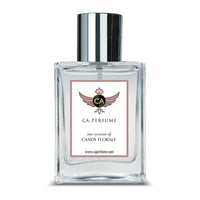
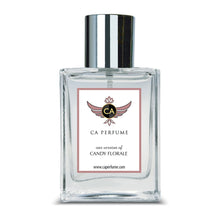
Candy Florale — Prada Candy Florale Alternative Perfume
6.1
MEI™
Primary Romantic
Secondary Grounding
Confidence
4.95
Presence
4.95
Mood Lift
7.2
Identity
5.17
Warmth
8.1
Social Ease
6.45
Energy
2.75
" I am beautiful.
View full mood profile →
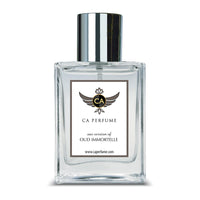
Oud Immortelle — Oud Immortel Alternative Perfume
5.7
MEI™
Primary Magnetic
Secondary Confident
Confidence
6.3
Presence
7.12
Mood Lift
5.28
Identity
6.83
Warmth
6.15
Social Ease
4.7
Energy
2.33
" I am bold.
View full mood profile →
HumanSafe™

Top Limoncello Fragrances by HumanSafe™ Score

These Limoncello-based fragrances have the highest product-level HumanSafe™ scores in this ingredient collection.

Highest HumanSafe™ Score
Oud Immortelle — Oud Immortel Alternative Perfume
A-
HumanSafe™ Score Generally Safe
Safest Evaluated Ingredients EDP
AQUA Solvent / Carrier ISS 10.0
LINALYL ACETATE Evaluated ingredient ISS 7.0
CYCLOHEXANEPROPANOL, 2,2,6-TRIMETHYL-.ALPHA.-PROPYL- Evaluated ingredient ISS 7.0
BULNESIA SARMIENTI, EXT., ACETATE Evaluated ingredient ISS 7.0
ALCOHOL DENAT. Solvent / Carrier ISS 7.0
1-[(2-TERT-BUTYL)CYCLOHEXYLOXY]-2-BUTANOL Evaluated ingredient ISS 7.0
View full safety profile →
Candy Florale — Prada Candy Florale Alternative Perfume
A-
HumanSafe™ Score Generally Safe
Safest Evaluated Ingredients EDP
AQUA Solvent / Carrier ISS 10.0
1,4-DIOXACYCLOHEPTADECANE-5,17-DIONE Evaluated ingredient ISS 10.0
BENZYL SALICYLATE EYE IRRITATION - CAT. 2B [H320] Evaluated ingredient ISS 9.0
OCTANAL, 2-(PHENYLMETHYLENE)- Evaluated ingredient ISS 8.0
3-BUTEN-2-ONE, 3-METHYL-4-(2,6,6-TRIMETHYL-2- Evaluated ingredient ISS 8.0
REACTION MASS OF: (E)-OXACYCLOHEXADEC-12-EN-2-ONE, (E)- Evaluated ingredient ISS 7.0
View full safety profile →
Expert Voices

What Masters Say About Limoncello

“
Limoncello captures the essence of summer, bringing a refreshing brightness to any fragrance composition.
CA Perfume Editorial
“
The vibrant citrus notes of limoncello make it a versatile ingredient, perfect for both gourmand and fresh fragrances.
CA Perfume Editorial
Common Questions

Frequently Asked Questions

Frequently asked questions about limoncello in perfumery.

Limoncello in perfume is characterized by vibrant, citrusy notes of lemon and bergamot, often accompanied by sweet, creamy undertones. It evokes the refreshing essence of the Italian liqueur, making it a popular choice for summer fragrances.

Limoncello is primarily used as a top note in fragrances, providing an uplifting and refreshing opening that sets the tone for the rest of the composition.

Limoncello's vibrant citrus profile adds a unique freshness to niche perfumes, making it ideal for summer scents and enhancing the overall olfactory experience.

Limoncello pairs well with notes like vanilla, bergamot, and floral elements such as jasmine or freesia, creating a balanced and harmonious fragrance.

Yes, Limoncello perfumes are particularly suitable for summer and hot weather due to their refreshing and uplifting citrus notes, which evoke a sense of coolness.

A Limoncello fragrance typically lasts around 3-6 hours, depending on skin chemistry and environmental factors.

Yes, Limoncello can be layered with other fragrances, particularly those with complementary citrus, floral, or gourmand notes, to create a unique scent experience.

For beginners, fragrances like Brocard's Limoncello and El Ganso's Limoncello Season offer a delightful introduction to the vibrant citrus profile.

When choosing a Limoncello fragrance, consider your personal scent preferences, the occasion, and whether you prefer a more vibrant or creamy citrus profile.

Limoncello typically has a sweet, citrusy aroma with a hint of tartness, creating a balanced and refreshing scent experience.

Citrus Gourmand Collection

Explore Our Top Limoncello Fragrances

Discover the best limoncello-inspired fragrances that capture the essence of this vibrant note.

Shop all limoncello fragrances at CA Perfume →

Where Limoncello Comes From — Origin & Extraction

Limoncello originates from Southern Italy, particularly the Amalfi Coast and Sorrento, where the Femminello St. Teresa lemons are prized for their aromatic peels. The production involves steeping lemon peels in grain alcohol for several weeks to extract their essential oils, followed by the addition of a simple syrup. This process captures the essence of the fruit, resulting in a sweet, tangy liqueur. In perfumery, limoncello is synthesized using citrus essential oils, primarily limonene and citral, to replicate its vibrant scent profile. The synthetic version allows for consistent quality and availability, making it a staple in modern fragrance compositions.

Famous Fragrances That Define Limoncello in Perfumery

Limoncello has made its mark in modern perfumery, appearing in various notable fragrances. Here are some key examples:

Natural vs Synthetic Limoncello in Perfumery

In perfumery, limoncello can be represented through both natural and synthetic means. Natural limoncello is derived from the zest of lemons, capturing the complex aroma of the fruit, which includes limonene, citral, and other volatile compounds. However, natural extracts can vary in quality and consistency due to factors such as harvest conditions and extraction methods. Synthetic limoncello, on the other hand, is created using isolated aroma chemicals like limonene (CAS 138-86-3) and citral (CAS 5392-40-5), which provide a stable and predictable scent profile. While natural limoncello offers a rich, evolving aroma, synthetic versions allow for greater control over fragrance longevity and allergen profiles. The cost of natural limoncello can range from $300 to $600 per kilogram, while synthetic alternatives are significantly more affordable, often priced at $50 to $100 per kilogram.