


This is soooo nice !!!! Very much like wu long cha, or ethereal wave from liss but a fraction of the cost ! Full bottle worthy if you like tea scents.
Smells like heaven. Fast shipping. I will purchase from this company again.
Lime delivers a tart, green, and effervescent citrus opening.
Lime is a classic top note in perfumery, prized for its sparkling, juicy, and tart citrus character. Its essential oil, rich in limonene and citral, is used at 0.5–2% in compositions, imparting a photoreactive freshness that defines many modern and traditional fragrances.

Lime (Citrus aurantifolia) in perfumery is recognized for its intensely zesty, tart, and green aroma, which is lighter and sweeter than lemon but with a sharper, more aromatic bite. The primary odorants are limonene (CAS 138-86-3), which gives the characteristic citrus brightness, and citral (CAS 5392-40-5), responsible for the aldehydic, almost effervescent sharpness. Gamma-terpinene and beta-pinene add subtle herbal and piney nuances, distinguishing lime from other citrus notes. The scent profile is often described as reminiscent of sour candy, fresh limeade, or even the top note of a mojito cocktail, with a vivid, mouthwatering impact that can be both uplifting and invigorating. This distinctive character is why the question “what does lime smell like” is so frequently searched by fragrance enthusiasts. In perfumery, lime is classified strictly as a top note due to its high volatility and rapid evaporation rate. It is typically used at concentrations of 0.5–2% in the overall formula, though in colognes and citrus-focused compositions, it may reach higher proportions. Lime’s photoreactivity (due to furocoumarins in cold-expressed oil) requires careful formulation, especially in leave-on products. On skin, lime’s aldehydic and terpenic molecules interact with body heat and pH, sometimes amplifying the tartness or, in rare cases, producing a slightly bitter or metallic edge. The note is valued for its ability to provide an immediate, energizing “lift” to a fragrance, but it fades quickly, making it ideal for opening accords and as a bridge to floral or herbal heart notes. Lime in perfumery is exemplified by fragrances such as Creed Virgin Island Water (2007, Olivier Creed), where lime is paired with coconut and white rum to evoke a tropical cocktail, and Jo Malone London Lime Basil & Mandarin (1999, Jo Malone), where lime’s tartness is balanced by herbal basil and sweet mandarin for a modern citrus signature. In Goldfield & Banks Bohemian Lime (2020, Givaudan), the note is showcased with Australian finger lime and vetiver, demonstrating its versatility in both classic and contemporary compositions.
Lime’s scent character is shaped by terroir—soil, rainfall, and climate all influence the oil’s brightness and intensity. Limes from volcanic soils in Mexico yield particularly aromatic oil, while those from Brazil and India offer subtle differences in sweetness and green facets.
Lime essential oil is derived from the fruit of Citrus aurantifolia, commonly known as key lime or Persian lime. The botanical family is Rutaceae, and the primary producing countries are Mexico (accounting for over 60% of global lime oil production), Brazil, Peru, and India. Mexico alone exports over 40,000 metric tons of lime oil annually, with significant cultivation in the states of Veracruz and Colima. The fruit is harvested by hand, sorted, and washed before processing. Extraction of lime oil is unique among citrus oils in that both cold expression (mechanical pressing of the peel) and steam distillation are used. Cold-expressed lime oil preserves the full spectrum of volatile compounds, especially limonene and citral, but retains furocoumarins, making it phototoxic. Steam-distilled lime oil, in contrast, is furocoumarin-free and safer for skin use but has a slightly less vibrant, more terpenic aroma. The cold expression process involves mechanically piercing the oil glands in the peel and collecting the oil-water emulsion, which is then separated and filtered. Yields are typically 0.3–0.5% by weight of fresh fruit. Steam distillation requires heating the zest with water or steam for 1–2 hours, resulting in a paler, less photoreactive oil. Natural lime oil is significantly more expensive than synthetic alternatives, with prices ranging from $60–120/kg for expressed oil and $40–80/kg for distilled oil, depending on origin and quality. Synthetic lime aroma chemicals (e.g., synthetic citral, limonene) can cost as little as $10–20/kg. Sustainability concerns include overharvesting, pesticide use, and the environmental impact of monoculture lime farming. Some producers are shifting toward organic cultivation and integrated pest management to reduce ecological impact. The phototoxicity of cold-expressed oil is regulated by IFRA, which limits its concentration in leave-on products to 0.7% or less.
Veracruz and Colima are leading lime-producing regions, with volcanic soils and high humidity yielding oil rich in limonene and citral. Mexico supplies over 60% of global lime oil, prized for its sharp, authentic aroma.
São Paulo’s plantations benefit from tropical rainfall and fertile soils, producing lime oil with a slightly sweeter, less bitter profile. Brazil accounts for roughly 15% of global production.
Andhra Pradesh and Maharashtra regions grow limes with a more herbal, green nuance due to monsoon climate and unique soil composition. India is a major exporter of both fruit and oil.
Piura and Lambayeque regions produce limes with high citral content, favored for their aldehydic brightness. Peru’s oil is often used in fine fragrance for its vivid, sparkling top note.
Natural lime oil is a complex mixture containing limonene (CAS 138-86-3), citral (CAS 5392-40-5), gamma-terpinene (CAS 99-85-4), and beta-pinene (CAS 127-91-3), among other minor constituents. Synthetic lime notes are typically constructed from isolated or synthesized versions of these molecules, sometimes with additional modifiers such as dihydromyrcenol (CAS 28510-23-8) to enhance freshness and longevity. Synthetic citral and limonene are widely used for their stability and cost-effectiveness. Performance-wise, natural lime oil offers unmatched complexity and realism but suffers from poor tenacity and phototoxicity (in the case of cold-expressed oil). Synthetic lime notes, while sometimes less nuanced, provide greater stability, batch-to-batch consistency, and can be used at higher concentrations without phototoxic risk. For example, steam-distilled lime oil is preferred in perfumery for its safety profile, while synthetic lime is often used in functional products and modern compositions requiring longer-lasting citrus effects. Famous fragrances using natural lime include Creed Virgin Island Water and Jo Malone London Lime Basil & Mandarin, while many mainstream colognes and fresh scents rely on synthetic lime for consistency and regulatory compliance. Sustainability and supply chain transparency are increasingly important; the HumanSafe™ platform enables traceability of both natural and synthetic lime sources, ensuring IFRA compliance and ethical sourcing. Notably, the use of synthetic lime reduces pressure on lime-growing regions and mitigates the risk of crop failure due to disease or climate change.
Lime has played a defining role in both classic and contemporary perfumery, particularly in the construction of fresh, invigorating top notes. One of the earliest and most influential uses is found in Guerlain Homme (2008, Thierry Wasser), where lime is central to the 'mojito accord' alongside mint and rum, creating a vibrant, cocktail-inspired opening. Creed Virgin Island Water (2007, Olivier Creed) is another landmark, using natural lime to evoke the sensation of a Caribbean breeze, paired with coconut, white rum, and tropical florals. Jo Malone London Lime Basil & Mandarin (1999, Jo Malone) showcases lime as the dominant note, harmonized with basil and mandarin for a modern, unisex citrus signature. In Goldfield & Banks Bohemian Lime (2020, Givaudan), Australian finger lime is highlighted, supported by vetiver and sandalwood, demonstrating the note’s adaptability in niche perfumery. Atelier Cologne Pacific Lime (2018, Jérôme Epinette) blends lime with coconut and mint, emphasizing the note’s versatility in both fresh and gourmand contexts. Other notable examples include Tom Ford Azure Lime (2010, Tom Ford), which uses lime as a sparkling, clean top note in a woody-musk base, and Guerlain Aqua Allegoria Limon Verde (2014, Thierry Wasser), where lime is paired with fig and tropical fruits for a bright, summery effect. CA Perfume’s lime-forward fragrances draw inspiration from this lineage, focusing on the authentic, photorealistic citrus experience that lime provides.
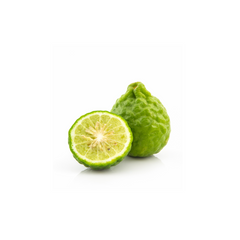
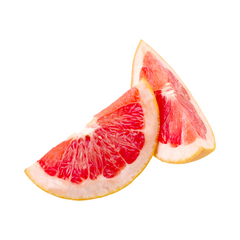
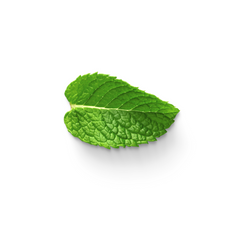
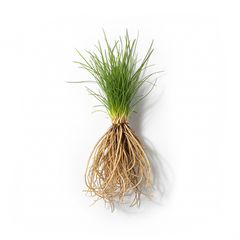
A lime accord typically features: Lime oil (25–30%), Bergamot (20–25%), Mint (20–25%), and Vetiver (25–30%). Lime provides the sharp, tart citrus impact via limonene and citral. Bergamot adds floral-citrus complexity through linalyl acetate and bergapten. Mint introduces menthol and carvone, amplifying freshness and extending volatility. Vetiver anchors the accord with woody, earthy facets, providing molecular weight and a smooth drydown. This blend creates a vibrant, long-lasting citrus-green signature.
Lime oil supplies intense tartness and green citrus brightness, driven by limonene and citral, forming the accord’s core.
Bergamot enriches the accord with floral-citrus nuances and linalyl acetate, smoothing lime’s sharpness and adding complexity.
Mint introduces menthol and carvone, enhancing the cooling, effervescent quality and extending the citrus freshness.
Vetiver provides earthy, woody depth via vetiverol and vetiveryl acetate, stabilizing the volatile citrus top and lengthening the drydown.
Lime’s olfactory evolution is rapid: the top note explodes with volatile aldehydes and terpenes, then fades within 15–20 minutes as heavier citrus and green notes emerge, finally settling into a subtle, woody-green base.
The initial impression is a burst of zesty, tart, and mouthwatering citrus, dominated by limonene and citral. These high-volatility molecules evaporate quickly, delivering an effervescent, almost sparkling sensation reminiscent of fresh lime zest and juice.
As the top fades, green and herbal facets emerge, with gamma-terpinene and beta-pinene providing a subtle piney, aromatic undertone. The lime’s sharpness softens, blending with floral or herbal heart notes if present.
The base is faint, with residual woody and earthy notes if paired with vetiver or sandalwood. The citrus character lingers as a subtle, clean freshness, supported by fixatives or heavier base notes in the composition.
Lime’s journey in perfumery spans from ancient rituals to modern niche fragrances, evolving from a supporting citrus note to a star in contemporary compositions.
Citrus aurantifolia is native to India, where lime was used in Tantric rituals and Ayurvedic medicine for its cleansing and protective properties.
Lime appears in early Eau de Cologne formulas in Germany, alongside bergamot and lemon, establishing its role as a fresh, uplifting top note in Western perfumery.
Lime gains prominence in fougere and chypre fragrances, valued for its sharper, more aromatic profile compared to lemon or orange.
Olivier Creed’s Virgin Island Water highlights lime as a dominant note, paired with coconut and rum, influencing a new wave of tropical, cocktail-inspired scents.
Australian finger lime is showcased in Bohemian Lime, reflecting terroir-driven perfumery and the rise of niche compositions centered on lime’s unique character.
Understanding how to layer lime is essential for maximizing its impact and longevity. At a molecular level, lime’s aldehydic and terpenic compounds pair best with notes that either reinforce its freshness or provide a smooth transition to deeper accords.
Layer lime with bergamot or grapefruit to amplify the citrus sparkle. These notes share high limonene content, creating a seamless, bright opening. Maison Margiela Under The Lemon Tree demonstrates this synergy, where lime and lemon form a photorealistic citrus accord.
Pair lime with vetiver or sandalwood to anchor its volatility. Vetiver’s vetiverol and sandalwood’s santalol molecules provide molecular weight, slowing evaporation and extending the citrus effect. Goldfield & Banks Bohemian Lime uses this technique for a lasting, woody-citrus signature.
Combine lime with coconut or vanilla for a gourmand twist. Vanillin’s sweet threshold masks lime’s tartness, creating a creamy, tropical effect. Creed Virgin Island Water is a classic example of this molecular masking.
In cooler temperatures, lime’s projection is reduced, and its tartness is softened. Layer with woody or spicy notes (e.g., vetiver, cardamom) to add warmth and depth. Apply to pulse points under clothing to preserve freshness.
Spring’s mild temperatures allow lime’s zesty character to shine without overwhelming. Pair with green or floral notes for a crisp, uplifting effect. Apply to neck and wrists for maximum diffusion.
Heat amplifies lime’s volatility, creating a vibrant, effervescent sillage. Reapply as needed, and consider layering with aquatic or minty notes for a cooling sensation. Avoid sun exposure if using cold-expressed oil due to phototoxicity.
For lasting freshness, layer lime-based fragrances with longer-lasting base notes like vetiver or sandalwood. Use on hair or clothing for extended projection, but test for staining or photoreactivity first.
Strategic application maximizes lime’s fleeting top note and ensures a balanced evolution.
Applying lime-based fragrance to the neck leverages body heat for rapid diffusion, enhancing the initial zesty impact. Ideal for immediate freshness.
This area maintains moderate warmth, allowing lime’s citrus molecules to project gently and blend with heart notes as the scent evolves.
Pulse points on the wrists intensify lime’s volatility, but frequent hand washing may reduce longevity. Reapply as needed for continued brightness.
Spraying on hair extends lime’s diffusion, as hair fibers trap volatile molecules. Avoid direct sunlight if using cold-expressed oil to prevent phototoxicity.
Layer lime with a fixative-rich base (e.g., vetiver or musk) to anchor the citrus and prolong its presence. Test for skin sensitivity and photoreactivity before sun exposure.
These Lime-based fragrances scored highest on the MEI™ Mood Architecture Framework — measuring how a scent may influence your emotional state.
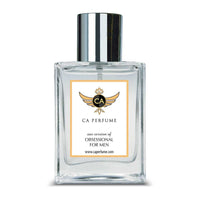
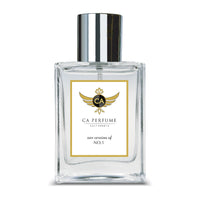
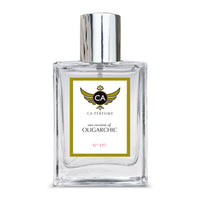
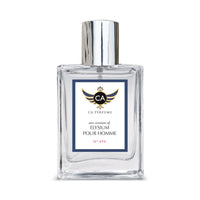
These Lime-based fragrances have the highest product-level HumanSafe™ scores in this ingredient collection.
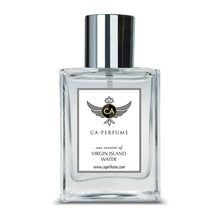
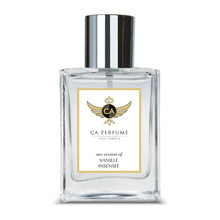
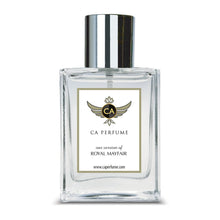
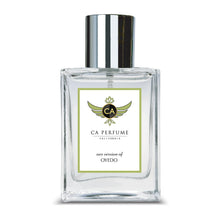
A top note of lime makes for the brightest and most energising of first encounters, in a fragrance – lighter and sweeter than a lemon, but at the same time more intense.
Lime’s scent profile is defined by limonene and citral, producing a tart, green, and effervescent citrus signature that is both photoreactive and fleeting.
Lime’s tart, green profile pairs well with other citrus, herbal, and woody notes, creating dynamic, refreshing accords.
Answers to the most common questions about lime in perfumery.
Lime in perfume smells zesty, tart, and green, with a sharp citrus bite that is lighter and sweeter than lemon but more intense. The primary scent molecules are limonene and citral, which create a mouthwatering, effervescent top note. In fragrances like Creed Virgin Island Water and Jo Malone London Lime Basil & Mandarin, lime delivers an immediate, uplifting freshness that fades within 15–30 minutes, leaving a subtle, clean citrus trail.
Lime is strictly a top note in fragrance compositions. Its high volatility means it evaporates quickly, providing an immediate burst of freshness that typically lasts 15–30 minutes. Lime is rarely used as a heart or base note due to its fleeting nature, but it can be anchored with fixatives or heavier notes like vetiver or sandalwood for extended presence.
Lime is favored in niche perfumery for its photorealistic, vibrant freshness and its ability to create a distinctive, modern citrus signature. Its tart, green profile sets it apart from other citrus notes, and its versatility allows it to be paired with herbal, woody, or gourmand notes. Niche brands often use high-quality natural lime oil or terroir-specific varieties, such as Australian finger lime, to highlight unique regional character.
Lime fragrance uses include pairing with bergamot, lemon, grapefruit, mint, basil, vetiver, sandalwood, and coconut. These notes either reinforce lime’s citrus brightness or provide molecular weight and depth, extending its presence. For example, in Guerlain Homme, lime is paired with mint and rum for a mojito effect, while in Goldfield & Banks Bohemian Lime, it is anchored by vetiver and sandalwood.
Yes, lime perfumes are especially suitable for summer and hot weather due to their refreshing, effervescent character. Heat amplifies lime’s volatility, creating a vibrant sillage, but also causes it to fade quickly. Reapplication or layering with longer-lasting notes is recommended for sustained freshness. Avoid sun exposure if using cold-expressed lime oil due to phototoxicity.
Lime’s top note typically lasts 15–30 minutes on skin, with the most intense freshness in the first 10 minutes. Its high volatility means it fades quickly, but can be extended by layering with fixatives or woody base notes. Oil-based formats or application on hair and clothing may also prolong its presence.
Yes, lime is ideal for layering due to its molecular compatibility with other citrus, herbal, and woody notes. Layering lime with bergamot, mint, or vetiver creates a seamless, long-lasting citrus-green accord. For a gourmand twist, pair with coconut or vanilla. Always consider the volatility and photoreactivity of lime when layering.
Recommended lime perfumes for beginners include Jo Malone London Lime Basil & Mandarin, Creed Virgin Island Water, Atelier Cologne Pacific Lime, and Goldfield & Banks Bohemian Lime. These fragrances showcase lime’s zesty character in balanced, approachable compositions, often paired with herbal or woody notes for added depth.
To choose the right lime fragrance at CA Perfume, consider whether you prefer a pure citrus experience or a more complex blend with herbal, woody, or gourmand notes. Look for fragrances that use high-quality natural or HumanSafe™ verified lime oil, and test on skin to assess how your chemistry interacts with the note. Explore layering options for customized freshness.
Lime in fragrance is primarily tart and zesty, with a green, slightly sweet undertone. Its sweetness is less pronounced than orange or mandarin, and its sharpness is more intense than lemon. The balance of sweet and sour depends on the concentration of limonene (sweet-citrus) and citral (aldehydic-tart), as well as the presence of complementary notes in the composition.
Discover CA Perfume’s curated selection of lime-forward fragrances, each showcasing the ingredient’s zesty, photorealistic citrus character in both classic and modern compositions.
Shop all lime fragrances at CA Perfume →Lime essential oil is derived from the fruit of Citrus aurantifolia, commonly known as key lime or Persian lime. The botanical family is Rutaceae, and the primary producing countries are Mexico (accounting for over 60% of global lime oil production), Brazil, Peru, and India. Mexico alone exports over 40,000 metric tons of lime oil annually, with significant cultivation in the states of Veracruz and Colima. The fruit is harvested by hand, sorted, and washed before processing. Extraction of lime oil is unique among citrus oils in that both cold expression (mechanical pressing of the peel) and steam distillation are used. Cold-expressed lime oil preserves the full spectrum of volatile compounds, especially limonene and citral, but retains furocoumarins, making it phototoxic. Steam-distilled lime oil, in contrast, is furocoumarin-free and safer for skin use but has a slightly less vibrant, more terpenic aroma. The cold expression process involves mechanically piercing the oil glands in the peel and collecting the oil-water emulsion, which is then separated and filtered. Yields are typically 0.3–0.5% by weight of fresh fruit. Steam distillation requires heating the zest with water or steam for 1–2 hours, resulting in a paler, less photoreactive oil. Natural lime oil is significantly more expensive than synthetic alternatives, with prices ranging from $60–120/kg for expressed oil and $40–80/kg for distilled oil, depending on origin and quality. Synthetic lime aroma chemicals (e.g., synthetic citral, limonene) can cost as little as $10–20/kg. Sustainability concerns include overharvesting, pesticide use, and the environmental impact of monoculture lime farming. Some producers are shifting toward organic cultivation and integrated pest management to reduce ecological impact. The phototoxicity of cold-expressed oil is regulated by IFRA, which limits its concentration in leave-on products to 0.7% or less.
Lime has played a defining role in both classic and contemporary perfumery, particularly in the construction of fresh, invigorating top notes. One of the earliest and most influential uses is found in Guerlain Homme (2008, Thierry Wasser), where lime is central to the 'mojito accord' alongside mint and rum, creating a vibrant, cocktail-inspired opening. Creed Virgin Island Water (2007, Olivier Creed) is another landmark, using natural lime to evoke the sensation of a Caribbean breeze, paired with coconut, white rum, and tropical florals. Jo Malone London Lime Basil & Mandarin (1999, Jo Malone) showcases lime as the dominant note, harmonized with basil and mandarin for a modern, unisex citrus signature. In Goldfield & Banks Bohemian Lime (2020, Givaudan), Australian finger lime is highlighted, supported by vetiver and sandalwood, demonstrating the note’s adaptability in niche perfumery. Atelier Cologne Pacific Lime (2018, Jérôme Epinette) blends lime with coconut and mint, emphasizing the note’s versatility in both fresh and gourmand contexts. Other notable examples include Tom Ford Azure Lime (2010, Tom Ford), which uses lime as a sparkling, clean top note in a woody-musk base, and Guerlain Aqua Allegoria Limon Verde (2014, Thierry Wasser), where lime is paired with fig and tropical fruits for a bright, summery effect. CA Perfume’s lime-forward fragrances draw inspiration from this lineage, focusing on the authentic, photorealistic citrus experience that lime provides.
Natural lime oil is a complex mixture containing limonene (CAS 138-86-3), citral (CAS 5392-40-5), gamma-terpinene (CAS 99-85-4), and beta-pinene (CAS 127-91-3), among other minor constituents. Synthetic lime notes are typically constructed from isolated or synthesized versions of these molecules, sometimes with additional modifiers such as dihydromyrcenol (CAS 28510-23-8) to enhance freshness and longevity. Synthetic citral and limonene are widely used for their stability and cost-effectiveness. Performance-wise, natural lime oil offers unmatched complexity and realism but suffers from poor tenacity and phototoxicity (in the case of cold-expressed oil). Synthetic lime notes, while sometimes less nuanced, provide greater stability, batch-to-batch consistency, and can be used at higher concentrations without phototoxic risk. For example, steam-distilled lime oil is preferred in perfumery for its safety profile, while synthetic lime is often used in functional products and modern compositions requiring longer-lasting citrus effects. Famous fragrances using natural lime include Creed Virgin Island Water and Jo Malone London Lime Basil & Mandarin, while many mainstream colognes and fresh scents rely on synthetic lime for consistency and regulatory compliance. Sustainability and supply chain transparency are increasingly important; the HumanSafe™ platform enables traceability of both natural and synthetic lime sources, ensuring IFRA compliance and ethical sourcing. Notably, the use of synthetic lime reduces pressure on lime-growing regions and mitigates the risk of crop failure due to disease or climate change.