Ingredient Guide · Woody Floral
Woody Floral Family · Perfumery Note

Leatherwood

Tasmania's rare aromatic treasure with complex woody warmth

Leatherwood is a niche fragrance note derived from the flowers and bark of Eucryphia lucida, native to Tasmania. It features a warm, woody scent with subtle leathery and floral nuances, typically used as a heart-to-base note at concentrations around 1-3%.

Leatherwood
Ingredient Profile

Leatherwood

Woody Floral Family
Family Woody Floral
Note Position Base Note
Usage Level 1-3%
Key Origins Australia (Tasmania)
Iconic In Infinite Sky, Leatherwood
The Ingredient

What does Leatherwood smell like and what makes it special?

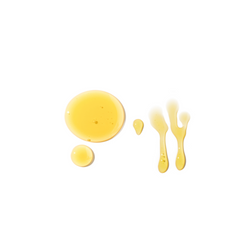
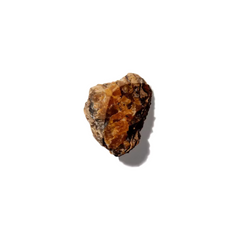
Leatherwood is an aromatic note extracted from the flowers and bark of the Leatherwood tree (Eucryphia lucida), endemic to Tasmania. Its scent profile is characterized by a warm, woody base enriched with subtle floral and honeyed nuances, alongside a faint leathery and spicy undertone. Chemically, it is a complex natural mixture without a single dominant molecule but is noted for its beeswax-like warmth and slight medicinal camphoraceous facets. In perfumery, leatherwood functions primarily as a heart to base note, typically employed at concentrations between 1% and 3%. It acts as a grounding element that balances lighter floral or citrus notes while enhancing the richness and depth of compositions. Its moderate volatility and medium odor strength allow it to evolve on skin over several hours, revealing layered complexity influenced by individual skin chemistry. Notable fragrances that showcase leatherwood include Estée Lauder's Infinite Sky (2021), where it blends with Sichuan pepper and Madagascan vanilla to create a sensual, woody-floral character, and Persephenie Studio's Leatherwood (2020), which pairs leatherwood with tobacco, spices, and woody notes to evoke a sultry, nostalgic aroma.

1-3%
Typical concentration range of leatherwood absolute in perfume formulations to achieve balanced scent presence without overpowering.
70-80 years
Approximate age at which Eucryphia lucida trees begin flowering, highlighting the ingredient’s rarity and slow natural growth.
300+ years
Potential lifespan of leatherwood trees, emphasizing sustainable harvesting importance for ecological balance.
Origin & Extraction

Where Leatherwood Comes From — Origin & Extraction

Leatherwood's unique scent is deeply influenced by Tasmania's cool, temperate rainforests, where the Eucryphia lucida tree grows in nutrient-rich, well-drained soils. The region's high rainfall and pristine environment contribute to the aromatic complexity of the blossoms and bark, which translate into the fragrance note's warm, earthy, and floral character.

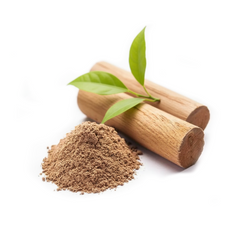
Leatherwood originates exclusively from Tasmania, Australia, where the Eucryphia lucida tree thrives in cool, temperate rainforests known for their pristine ecosystems. The tree is slow-growing, living over 300 years and flowering after 70-80 years. Its bark is pliable, giving the tree its name, but the fragrant flowers produce a monofloral honey prized for its aromatic complexity. The primary commercial product related to leatherwood in perfumery is this honey, harvested from Tasmanian apiaries. Essential oil or absolute extraction from the blossoms is extremely rare and typically done via solvent extraction methods using hexane or ethanol to preserve the delicate aromatic compounds. Steam distillation is generally unsuitable due to thermal degradation of key odorants. Natural leatherwood absolute yields are very low, making it a niche and costly ingredient. Synthetic analogs or accords are often used to replicate its complex scent profile. Tasmania's commitment to sustainable harvesting and forest preservation ensures the ingredient's ecological viability. Indicative wholesale prices for leatherwood absolute or honey-derived extracts range significantly due to rarity and production complexity.

AU

Australia (Tasmania)

Tasmania's western rainforests provide the exclusive habitat for Eucryphia lucida. The area's temperate climate, high humidity, and rich volcanic soils produce blossoms with a complex aromatic profile. Tasmania accounts for nearly 100% of the global leatherwood supply, harvested sustainably with strict environmental protections to preserve the old-growth forests.

Chemistry

Natural vs Synthetic Leatherwood in Perfumery

Leatherwood as a natural ingredient is derived from the blossoms and bark of Eucryphia lucida, with extraction primarily through solvent methods yielding a complex, warm, waxy, and subtly leathery aroma. Due to its rarity and extraction challenges, synthetic leatherwood accords are developed to mimic its multifaceted scent. Synthetic molecules used to replicate leatherwood's character include methyl jasmonate for floral and green facets, vanillin for sweet warmth, and iso e super for woody diffusion. These synthetics provide greater stability, consistency, and affordability compared to the natural absolute, which is scarce and costly. Famous fragrances like Estée Lauder's Infinite Sky utilize natural leatherwood concepts, while niche perfumers may blend synthetics to approximate its profile. The cost differential is substantial, with natural extracts priced several times higher than synthetic blends. Sustainability considerations favor synthetic usage due to the ecological sensitivity of Tasmanian rainforests. The HumanSafe™ platform supports transparency in ingredient sourcing and safety, encouraging balanced use of natural and synthetic components to maintain quality and environmental responsibility.

Natural
Leatherwood Absolute
Cost $3,000–6,000/kg
Method Solvent / CO₂
Character Complex, variable
vs
Synthetic
Safranal & Analogues
Cost $50–200/kg
Method Lab synthesis
Character Consistent, stable
Hall of Fame

Famous Fragrances That Define Leatherwood in Perfumery

2021
heart note

Infinite Sky

Estée Lauder
by Dominique Ropion
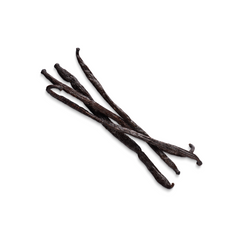
Sichuan pepperMadagascan vanilla
2020
dominant note

Leatherwood

Persephenie Studio
by Persephenie Lea
TobaccoClovesTuberose
2018
supporting note

New Bond St.

Bond No. 9
Woody notesFloral notes
2024
base note

Moonlight Ceremony

Mystikum
by Alexandre Illan
OlibanumPatchouliSandalwood
heart note

Purple Suede

Goldfield & Banks Australia
LavenderCoriander

Leatherwood has gained recognition in niche and luxury perfumery for its distinctive warm, woody, and subtly leathery scent. Among notable fragrances, Estée Lauder's Infinite Sky (2021), crafted by Dominique Ropion, uses leatherwood alongside Sichuan pepper and Madagascan vanilla to evoke sensuality and elegance. Persephenie Studio's Leatherwood (2020), by perfumer Persephenie Lea, features leatherwood as a central note blended with tobacco, cloves, and tuberose, creating a sultry botanical fragrance. Bond No. 9's New Bond St. (2018) incorporates leatherwood to add depth and complexity within a woody-floral composition. Mystikum's Moonlight Ceremony (2024) employs leatherwood in the base to enrich the smoky and resinous accords. Goldfield & Banks' Purple Suede (year not specified) highlights leatherwood's versatility, pairing it with lavender and coriander for a refined aromatic experience. These examples illustrate leatherwood's adaptability across fragrance families, from woody to floral and amber accords. CA Perfume's collection honors this lineage by offering fragrances that explore leatherwood's warm, textured character with modern sensibilities.

The Accord

How is a captivating Leatherwood accord crafted?

A balanced Leatherwood accord typically consists of Leatherwood 30-35%, Rose 20-25%, White Honey 20-25%, and Benzoin 20-25%. Leatherwood provides the warm, waxy, and subtly leathery base with complex floral and spicy nuances. Rose contributes damascenone, which molecularly bridges floral sweetness with leatherwood's earthiness, enhancing harmony. White Honey adds a velvety smoothness and soft sweetness that masks any sharp edges, improving olfactory comfort. Benzoin's balsamic resinous qualities deepen the accord, providing longevity and a warm, comforting finish.

35%

Leatherwood

30–35% of blend

Leatherwood forms the accord's core with its warm, waxy, and subtly leathery aroma, providing depth and complexity.

25%

Rose

20–25% of blend

Rose adds floral sweetness and damascenone, creating a molecular bridge that harmonizes with leatherwood's earthiness.

25%

White Honey

20–25% of blend

White Honey introduces velvety smoothness and soft sweetness, masking sharp notes and enhancing warmth.

25%

Benzoin

20–25% of blend

Benzoin contributes balsamic, resinous depth and longevity, rounding out the accord with comforting warmth.

The Olfactory Layers

How Leatherwood Evolves on Skin

Leatherwood's olfactory evolution begins with fresh, herbal floral top impressions that quickly transition into a warm, woody heart enriched with subtle leathery and honeyed nuances. Over several hours, the base reveals resinous and balsamic undertones, providing a long-lasting, comforting drydown. This progression is driven by the volatility of complex natural compounds such as wax esters, floral terpenes, and resinous molecules.

I
Top notes
0–15 min
Fresh Herbal Floral

The initial phase features light, herbal, and floral facets, including subtle spicy and camphoraceous notes. These are caused by volatile terpenes and esters that evaporate quickly, creating a crisp and inviting opening.

HerbalFloralSpicy
II
Heart notes
20–60 min
Warm Waxy Wood

The heart unfolds into warm, woody, and waxy textures with gentle floral undertones. Medium-volatility compounds such as beeswax esters and floral lactones dominate, imparting a rich, elegant character.

WarmWoodyWaxy
III
Base notes
Several hours
Resinous Leathery Depth

The base settles into a soft, resinous, and leathery foundation, sustained by low-volatility molecules like benzoin and other balsamic resins. This stage provides longevity and a soothing, enveloping finish.

ResinousLeatheryLong-lasting
TOP NOTES Fresh Herbal Floral 0–15 minutes HEART NOTES Warm Waxy Wood 20–60 minutes BASE NOTES Resinous Leathery Depth Several hours
Through the Ages

The Story of Leatherwood in Perfumery

Leatherwood's history in perfumery is relatively recent, tracing from its botanical discovery in Tasmania to its emergence as a niche fragrance note in the 21st century.

18th Century

European Discovery of Leatherwood Tree

European explorers documented Eucryphia lucida in Tasmania, noting its aromatic flowers and pliable bark, laying the groundwork for future fragrance interest.

Early 20th Century

Leatherwood Honey Harvesting Begins

Tasmanian beekeepers began harvesting monofloral leatherwood honey, recognized for its unique aromatic profile, which later inspired perfumers.

2000s

Introduction of Leatherwood in Niche Perfumery

Leatherwood started appearing as a distinctive note in niche perfumes, valued for its warm, woody, and subtly leathery scent.

2018

Bond No. 9 Releases New Bond St.

This fragrance prominently featured leatherwood as a supporting note, increasing its recognition in luxury perfumery.

2021

Estée Lauder Launches Infinite Sky

Infinite Sky incorporated leatherwood as a heart note, showcasing its versatility in modern mainstream perfumery.

The Art of Layering

How to Layer Leatherwood

Understanding how to layer leatherwood involves molecular compatibility and olfactory synergy. Layering leatherwood with rose leverages shared damascenone compounds, creating a seamless floral-leathery bridge. Combining leatherwood with vanilla’s vanillin softens its waxy edges through olfactory masking, balancing warmth without harshness. Adding benzoin introduces balsamic resins that deepen longevity and enrich the base, complementing leatherwood’s natural depth. These combinations enhance complexity and wearability, demonstrated in fragrances like Persephenie Studio's Leatherwood and Estée Lauder's Infinite Sky.

01

Enhance Floral Warmth

Layering leatherwood with rose exploits damascenone shared molecules, harmonizing floral sweetness with leatherwood’s earthiness, as seen in Infinite Sky.

02

Add Sweet Smoothness

Vanilla’s vanillin masks leatherwood’s sharper waxy notes, creating a soft, warm balance that enhances comfort and richness.

03

Deepen Resinous Base

Benzoin’s balsamic qualities extend leatherwood’s longevity and add a comforting resinous depth, enriching the fragrance’s drydown.

Wear It Right

How to Wear Leatherwood Like a Pro

Seasonal Guide

Fall & Winter

Cooler temperatures slow evaporation, allowing leatherwood's warm, resinous, and leathery facets to linger longer, making it ideal for cozy, intimate wear. Apply moderately to avoid heaviness.

Spring

Mild weather enhances the floral and waxy notes, creating a fresh yet warm aura. Layer with light florals or citrus to balance richness and maintain vibrancy.

Summer

Heat increases volatility, which can cause rapid diffusion of lighter notes and potential fading of base richness. Use sparingly or blend with cooling aquatic or green notes to maintain freshness.

Year-Round Tip

Adjust application based on temperature and humidity; layering with complementary notes can modulate leatherwood's warmth and projection for versatile wear.

Application Points

Strategic application enhances leatherwood's olfactory performance and longevity.

1

Neck

Pulse points at the neck emit warmth that activates leatherwood's complex molecules, enhancing projection and scent evolution.

2

Behind the Ears

This discreet area allows subtle diffusion, ideal for intimate scent release and layering with other notes.

3

Inner Wrists

High blood flow here intensifies evaporation, showcasing leatherwood's top and heart notes effectively.

4

Hair

Hair fibers hold fragrance oils well, releasing leatherwood gradually and extending longevity with a soft trail.

Pro Tip

Apply leatherwood-based fragrances after moisturizing skin to slow evaporation and enhance scent depth.

Mood Architecture™

Top Leatherwood Fragrances by Mood Score

These Leatherwood-based fragrances scored highest on the MEI™ Mood Architecture Framework — measuring how a scent may influence your emotional state.

Highest MEI Score
Oud Noir — Versace Oud Noir Alternative Cologne
6.15
MEI™
Primary Romantic
Secondary Confident
Confidence
6.81
Presence
7.38
Mood Lift
5.62
Identity
7.59
Warmth
6.97
Social Ease
4.63
Energy
3.1
" I am beautiful.
View full mood profile →
HumanSafe™

Top Leatherwood Fragrances by HumanSafe™ Score

These Leatherwood-based fragrances have the highest product-level HumanSafe™ scores in this ingredient collection.

Highest HumanSafe™ Score
Oud Noir — Versace Oud Noir Alternative Cologne
A-
HumanSafe™ Score Generally Safe
Safest Evaluated Ingredients EDP
AQUA Solvent / Carrier ISS 10.0
1,4-DIOXACYCLOHEPTADECANE-5,17-DIONE Evaluated ingredient ISS 10.0
BENZYL SALICYLATE Evaluated ingredient ISS 9.0
4H-INDEN-4-ONE, 1,2,3,5,6,7-HEXAHYDRO-1,1,2,3,3- Evaluated ingredient ISS 9.0
LINALYL ACETATE Evaluated ingredient ISS 7.0
View full safety profile →
Expert Voices

What Masters Say About Leatherwood

Leatherwood's warm, waxy, and subtly leathery aroma offers a rare complexity that bridges floral and woody fragrance families, making it a versatile and sophisticated ingredient.
CA Perfume Editorial
The leatherwood tree’s slow growth and Tasmanian terroir impart a distinctive aromatic signature that is difficult to replicate, underscoring the ingredient's niche status in perfumery.
CA Perfume Editorial
Common Questions

Frequently Asked Questions

Answers to common questions about leatherwood's scent, usage, and characteristics in perfumery.

Leatherwood in perfume has a warm, woody scent with subtle leathery and floral nuances. It features a waxy, honeyed character with faint spicy and medicinal undertones, creating a complex and comforting aroma. Notable examples include Estée Lauder's Infinite Sky and Persephenie Studio's Leatherwood.

Leatherwood is primarily used as a heart to base note in perfumery. Its moderate volatility and warm, rich profile make it suitable for providing depth and longevity in the middle and base phases of a fragrance.

Leatherwood's rarity, complex scent profile, and natural origin from Tasmania's unique ecosystem make it prized in niche perfumery. It offers a distinctive warm, woody, and subtly leathery character that enhances fragrance complexity and sophistication.

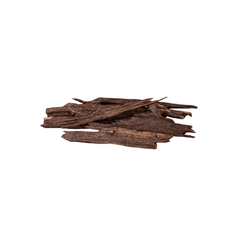
Leatherwood fragrance uses often include rose for floral sweetness, white honey for smoothness, benzoin for resinous depth, and agarwood (oud) for smoky complexity. These combinations complement leatherwood's warm, waxy, and earthy facets.

Leatherwood can be worn in summer but should be applied sparingly due to increased volatility in heat, which may cause rapid diffusion of lighter notes and fading of base richness. Layering with fresh or aquatic notes can enhance its summer suitability.

Leatherwood fragrances typically last several hours, with the base notes lingering up to 6-8 hours depending on concentration and formulation. Its waxy and resinous compounds contribute to good longevity and moderate projection.

Yes, layering leatherwood with compatible notes like rose, vanilla, and benzoin enhances its warmth and complexity. Molecular compatibility, such as shared damascenone in rose, helps create harmonious blends and personalized scent profiles.

For beginners, fragrances like Estée Lauder's Infinite Sky and Goldfield & Banks' Purple Suede offer approachable introductions to leatherwood, balancing its warmth with familiar floral and woody notes.

Consider your preference for fragrance families and occasions. CA Perfume offers leatherwood fragrances ranging from woody-floral to amber-rich accords. Sampling multiple options and noting layering potential helps find your ideal leatherwood scent.

Leatherwood's scent profile includes both sweet honeyed facets and a faint spicy edge, creating a balanced aroma that is neither overly sweet nor aggressively spicy but nuanced and complex.

Woody Floral Collection

Explore Our Top Leatherwood Fragrances

Discover a curated selection of leatherwood-based perfumes showcasing its warm, woody, and floral complexity.

Shop all leatherwood fragrances at CA Perfume →

Where Leatherwood Comes From — Origin & Extraction

Leatherwood originates exclusively from Tasmania, Australia, where the Eucryphia lucida tree thrives in cool, temperate rainforests known for their pristine ecosystems. The tree is slow-growing, living over 300 years and flowering after 70-80 years. Its bark is pliable, giving the tree its name, but the fragrant flowers produce a monofloral honey prized for its aromatic complexity. The primary commercial product related to leatherwood in perfumery is this honey, harvested from Tasmanian apiaries. Essential oil or absolute extraction from the blossoms is extremely rare and typically done via solvent extraction methods using hexane or ethanol to preserve the delicate aromatic compounds. Steam distillation is generally unsuitable due to thermal degradation of key odorants. Natural leatherwood absolute yields are very low, making it a niche and costly ingredient. Synthetic analogs or accords are often used to replicate its complex scent profile. Tasmania's commitment to sustainable harvesting and forest preservation ensures the ingredient's ecological viability. Indicative wholesale prices for leatherwood absolute or honey-derived extracts range significantly due to rarity and production complexity.

Famous Fragrances That Define Leatherwood in Perfumery

Leatherwood has gained recognition in niche and luxury perfumery for its distinctive warm, woody, and subtly leathery scent. Among notable fragrances, Estée Lauder's Infinite Sky (2021), crafted by Dominique Ropion, uses leatherwood alongside Sichuan pepper and Madagascan vanilla to evoke sensuality and elegance. Persephenie Studio's Leatherwood (2020), by perfumer Persephenie Lea, features leatherwood as a central note blended with tobacco, cloves, and tuberose, creating a sultry botanical fragrance. Bond No. 9's New Bond St. (2018) incorporates leatherwood to add depth and complexity within a woody-floral composition. Mystikum's Moonlight Ceremony (2024) employs leatherwood in the base to enrich the smoky and resinous accords. Goldfield & Banks' Purple Suede (year not specified) highlights leatherwood's versatility, pairing it with lavender and coriander for a refined aromatic experience. These examples illustrate leatherwood's adaptability across fragrance families, from woody to floral and amber accords. CA Perfume's collection honors this lineage by offering fragrances that explore leatherwood's warm, textured character with modern sensibilities.

Natural vs Synthetic Leatherwood in Perfumery

Leatherwood as a natural ingredient is derived from the blossoms and bark of Eucryphia lucida, with extraction primarily through solvent methods yielding a complex, warm, waxy, and subtly leathery aroma. Due to its rarity and extraction challenges, synthetic leatherwood accords are developed to mimic its multifaceted scent. Synthetic molecules used to replicate leatherwood's character include methyl jasmonate for floral and green facets, vanillin for sweet warmth, and iso e super for woody diffusion. These synthetics provide greater stability, consistency, and affordability compared to the natural absolute, which is scarce and costly. Famous fragrances like Estée Lauder's Infinite Sky utilize natural leatherwood concepts, while niche perfumers may blend synthetics to approximate its profile. The cost differential is substantial, with natural extracts priced several times higher than synthetic blends. Sustainability considerations favor synthetic usage due to the ecological sensitivity of Tasmanian rainforests. The HumanSafe™ platform supports transparency in ingredient sourcing and safety, encouraging balanced use of natural and synthetic components to maintain quality and environmental responsibility.