
Ingredient Guide · Gourmand Spicy
Gourmand Spicy Family · Perfumery Note

Kulfi

A lush blend of cardamom, saffron, and sweetened milk.

Kulfi is a gourmand note in perfumery, evoking the dense, creamy Indian dessert. Its scent is defined by cardamom, saffron, and vanilla, with lactonic and nutty facets. In compositions, kulfi is typically used as a heart note at 2–5% for a multi-layered, edible effect.

Kulfi
Ingredient Profile

Kulfi

Gourmand Spicy Family
Family Gourmand Spicy
Note Position Heart Note
Usage Level 2–5%
Key Origins India, Iran, Madagascar
Iconic In Noir Extreme, Noir Extreme Parfum
The Ingredient

What does Kulfi smell like and why is it significant in perfumery?

Kulfi in perfumery is modeled after the traditional Indian frozen dessert, renowned for its dense, creamy texture and aromatic complexity. The scent profile is anchored by cardamom (mainly α-terpinyl acetate and cineole), saffron (safranal), and vanilla (vanillin), with supporting notes of coconut lactones and nutty facets from pistachio or almond. This combination produces a multi-layered aroma: sweet, milky, spicy, and slightly floral, with a pronounced lactonic undertone. The presence of saffron and cardamom gives kulfi its characteristic spicy brightness, while coconut and vanilla add a rich, custard-like depth. The result is a scent that is both comforting and exotic, often described as edible, creamy, and softly spicy. In perfumery, kulfi is classified as a heart note, typically used at concentrations of 2–5% within a composition. Its molecular complexity allows it to bridge top citrus or floral notes with deeper base accords like sandalwood or amber. Kulfi interacts with skin chemistry by amplifying lactonic and nutty facets on warmer, more humid skin, while the spice elements (especially cardamom) become more pronounced on drier, cooler skin. This variability makes kulfi a dynamic ingredient, contributing to the evolving character of a fragrance over time. The note is especially valued in gourmand and oriental fragrance families, where it imparts a sense of richness and nostalgia. Notable fragrances that exemplify kulfi in perfumery include Tom Ford Noir Extreme (2015, Sonia Constant), where kulfi is paired with cardamom, nutmeg, and amber for a creamy-spicy heart, and L'Aromatica Kulfi (Loreto Remsing), which highlights the dessert’s authentic profile with coconut, saffron, and vanilla bean. These compositions showcase kulfi’s ability to evoke both comfort and sophistication, making it a sought-after note in modern gourmand perfumery.

2–5%
Typical concentration of kulfi accord in a fragrance formula. This range ensures the creamy, spicy heart is prominent without overwhelming other notes.
5–7 Hours
Average longevity of kulfi-based fragrances in EDP format, due to the persistence of lactones and vanillin in the heart and base.
$500–2,000/kg
Approximate cost of natural kulfi accord components (cardamom, saffron, vanilla). Synthetic substitutes reduce this to $40–200/kg, balancing authenticity and affordability.
Origin & Extraction

Where Kulfi Comes From — Origin & Extraction

Kulfi’s scent is rooted in Indian culinary tradition, but its perfumery components are sourced globally. Climate, soil, and regional processing influence the aromatic intensity of each element.

Kulfi as a perfumery note is an olfactory reconstruction inspired by the Indian dessert, which originated during the Mughal Empire (16th century) and is traditionally made by slowly simmering sweetened milk with cardamom, saffron, pistachio, and sometimes rosewater or mango. There is no single botanical source for the kulfi note; instead, it is a composite accord built from natural extracts and aroma chemicals. Key raw materials include cardamom oil (Elettaria cardamomum, primarily from India and Guatemala, global production ~70,000 metric tons/year), saffron absolute (Crocus sativus, with Iran producing over 90% of the world’s supply), vanilla absolute (Vanilla planifolia, Madagascar and Indonesia as main sources), coconut lactone, and nutty aromachemicals such as benzaldehyde (almond facet) or pistachio CO2 extract. Extraction methods for these components vary: cardamom oil is typically obtained via steam distillation at 100–120°C, yielding 4–8% essential oil by weight; saffron absolute is produced by solvent extraction (ethanol or hexane) at low temperatures to preserve safranal; vanilla is extracted by CO2 or ethanol, with yields of 1–2%. Coconut lactone is synthesized or isolated from coconut pulp via solvent extraction. Pistachio and almond notes are often recreated with synthetic molecules due to low natural yield and high cost. Natural extracts for a kulfi accord can cost $500–2,000/kg (saffron absolute alone can exceed $5,000/kg), while synthetic substitutes for nutty and creamy facets (e.g., γ-nonalactone, benzaldehyde, ethyl maltol) are $40–200/kg. Sustainability concerns include overharvesting of saffron and vanilla, as well as the environmental impact of solvent extraction. Most commercial kulfi accords use a blend of natural and synthetic materials to balance authenticity, cost, and environmental responsibility.

IN

India

Cardamom and saffron from Kerala and Kashmir are prized for their high α-terpinyl acetate and safranal content. India supplies over 70% of the world’s cardamom and is a leading saffron producer, with traditional slow-harvesting and sun-drying methods enhancing aromatic complexity.

IR

Iran

Iran’s Khorasan region produces over 90% of global saffron, with arid soils and high altitude yielding intense, high-safranal threads. Saffron from Iran is often solvent-extracted for perfumery, with strict quality controls (ISO 3632 grading).

MG

Madagascar

Vanilla planifolia from Madagascar’s Sava region is the world’s primary vanilla source, with humid tropical climate and volcanic soil producing beans rich in vanillin. The region supplies over 60% of global vanilla, with labor-intensive hand pollination and sun curing.

GT

Guatemala

Guatemala’s Alta Verapaz region is a major exporter of cardamom, characterized by high rainfall and clay soils. Mechanical drying and modern distillation yield cardamom oil with a clean, spicy profile and high essential oil content.

Chemistry

Natural vs Synthetic Kulfi in Perfumery

Kulfi as a fragrance note does not exist in nature; it is a constructed accord. Natural components—cardamom oil (CAS 8000-66-6), saffron absolute (CAS 8022-19-7), vanilla absolute (CAS 8024-06-4)—are blended with synthetic aroma chemicals to achieve the characteristic creamy, spicy, and nutty profile. Key synthetics include γ-nonalactone (CAS 104-61-0, coconut/cream), ethyl maltol (CAS 4940-11-8, sweet caramel), and benzaldehyde (CAS 100-52-7, almond). Synthetic pistachio notes are often built using 2,5-dimethylpyrazine (CAS 123-32-0) and nutty lactones. Natural extracts provide depth and complexity but are expensive and variable in quality due to crop conditions. Synthetics offer consistency, stability, and improved longevity—γ-nonalactone and ethyl maltol are especially valued for their ability to anchor the creamy and sweet facets for 6–8 hours. Cost differentials are significant: natural saffron absolute can exceed $5,000/kg, while ethyl maltol is under $100/kg. Tom Ford Noir Extreme (2015) and Noir Extreme Parfum (2022) use both natural and synthetic components for projection and stability. L'Aromatica Kulfi (Loreto Remsing) emphasizes natural cardamom and vanilla but supplements with aroma chemicals for sillage. Sustainability is a major consideration: synthetic analogues reduce pressure on endangered vanilla and saffron crops, and most modern kulfi accords are HumanSafe™ verified for transparency and allergen management. CA Perfume’s approach leverages both natural and synthetic materials, prioritizing traceability and IFRA compliance.

Natural
Kulfi Absolute
Cost $3,000–6,000/kg
Method Solvent / CO₂
Character Complex, variable
vs
Synthetic
Safranal & Analogues
Cost $50–200/kg
Method Lab synthesis
Character Consistent, stable
Hall of Fame

Famous Fragrances That Define Kulfi in Perfumery

2015
dominant note

Noir Extreme

Tom Ford
by Sonia Constant
CardamomNutmegAmberSandalwoodVanilla
2022
dominant note

Noir Extreme Parfum

Tom Ford
by Sonia Constant
KulfiBulgarian RoseOrange BlossomVanillaLeather
—
dominant note

Kulfi

L'Aromatica Perfume
by Loreto Remsing
CardamomCoconutVanilla BeanSandalwoodSaffron
2015
bridge note

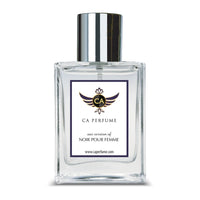
Noir Pour Femme

Tom Ford
by Sonia Constant
CitrusOrange BlossomAmberVanilla
2017
accent

Fabulous Srinagar

Salvador Dali
SpicesWoodsAmber
2023
supporting note

Nuit Noir

In The Box
WoodsSpicesAmber

Kulfi’s emergence as a perfumery note is closely tied to the rise of gourmand fragrances in the 21st century. Tom Ford Noir Extreme (2015, Sonia Constant) is widely credited with popularizing the kulfi accord in Western perfumery, using it as a creamy heart note alongside cardamom, nutmeg, and amber. Noir Extreme Parfum (2022, Sonia Constant) further intensified the kulfi effect, blending it with Bulgarian rose, orange blossom, and vanilla for a denser, more opulent impression. L'Aromatica Kulfi (Loreto Remsing) is a niche interpretation that closely replicates the dessert’s authentic scent, featuring cardamom, coconut, saffron, and vanilla bean. Other notable fragrances include Tom Ford Noir Pour Femme (2015, Sonia Constant), which adapts the kulfi accord for a feminine audience with added citrus and floral notes; Nuit Noir by In The Box (2023), where kulfi is paired with woody and spicy elements for a modern unisex profile; and Fabulous Srinagar by Salvador Dali (2017), which uses kulfi as an accent to evoke Indian culinary traditions. These fragrances demonstrate kulfi’s versatility, functioning as a bridge note in complex orientals or as a dominant gourmand heart. CA Perfume’s collection draws on this lineage, offering kulfi-inspired blends that highlight both the creamy and spicy facets of the note.

The Accord

How is a captivating Kulfi accord crafted?

A kulfi accord is built by blending 25–30% cardamom for aromatic spice, 20–25% vanilla for creamy sweetness, 20–25% coconut lactone for lactonic density, and 25–30% saffron for floral warmth and color. Each component is chosen for its molecular synergy: cardamom’s α-terpinyl acetate bridges spice and cream, vanilla’s vanillin anchors sweetness, coconut lactone amplifies the milky facet, and saffron’s safranal adds complexity.

30%

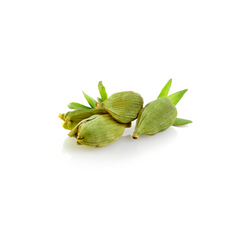
Cardamom

25–30% of blend

Cardamom oil (rich in α-terpinyl acetate) provides aromatic brightness and a spicy-green lift, essential for the authentic kulfi effect.

25%

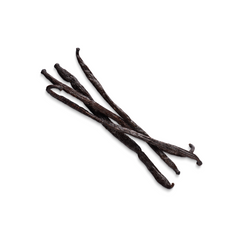
Vanilla

20–25% of blend

Vanillin and related phenolic compounds deliver creamy sweetness and round out the accord, echoing kulfi’s dessert character.

25%

Coconut Lactone

20–25% of blend

γ-Nonalactone and δ-decalactone impart a dense, milky note, mimicking the evaporated milk base of traditional kulfi.

30%

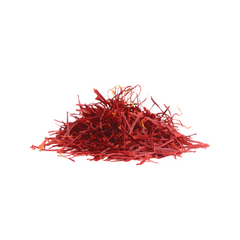
Saffron

25–30% of blend

Safranal and related compounds provide a floral, slightly metallic warmth, enhancing both color and aromatic depth.

The Olfactory Layers

How Kulfi Evolves on Skin

Kulfi’s olfactory evolution begins with bright, spicy top notes dominated by cardamom and saffron, transitions to a creamy, lactonic heart, and settles into a sweet, nutty base. Volatility and evaporation rates shape each stage, with lactones and vanillin lingering longest.

I
Top notes
0–15 min
Spiced Cream

The initial impression is a burst of cardamom and saffron, driven by high-volatility monoterpenes (α-terpinyl acetate, cineole) and safranal. These molecules evaporate quickly, creating a spicy, aromatic opening with subtle citrus-green facets.

SpicyAromaticBright
II
Heart notes
20–60 min
Milky Sweetness

As the top notes dissipate, the creamy, lactonic heart emerges. γ-Nonalactone and vanillin dominate, producing a dense, sweet, custard-like effect. Coconut and nutty nuances add depth, while saffron’s floral warmth persists.

CreamyLactonicNutty
III
Base notes
Several hours
Nutty Drydown

The drydown is sweet, nutty, and slightly woody, anchored by vanillin, benzaldehyde (almond), and sandalwood. These heavier molecules have low volatility, ensuring a long-lasting, comforting finish reminiscent of the dessert’s lingering richness.

SweetWoodyComforting
TOP NOTES Spiced Cream 0–15 minutes HEART NOTES Milky Sweetness 20–60 minutes BASE NOTES Nutty Drydown Several hours
Through the Ages

The Story of Kulfi in Perfumery

Kulfi’s journey in perfumery spans from Mughal culinary tradition to modern gourmand fragrances, with key milestones marking its rise as a signature note.

16th Century

Kulfi’s Culinary Origins

Kulfi emerges in the Mughal Empire as a luxurious frozen dessert, combining slow-cooked milk, cardamom, saffron, and pistachio. Its dense, creamy texture and aromatic complexity become a staple of Indian festive cuisine.

1980s

Gourmand Fragrances Emerge

The launch of Thierry Mugler’s Angel (1992) marks the rise of edible, dessert-inspired notes in perfumery, paving the way for ingredients like kulfi to enter the fragrance palette.

2015

Tom Ford Noir Extreme Launches

Sonia Constant introduces kulfi as a dominant heart note in Tom Ford Noir Extreme, blending it with cardamom, nutmeg, and amber. The fragrance becomes a benchmark for creamy, spicy gourmand compositions.

2017

Kulfi in Niche Perfumery

L'Aromatica Perfume releases Kulfi (Loreto Remsing), a niche fragrance that closely replicates the dessert’s authentic scent using natural cardamom, coconut, saffron, and vanilla bean.

2022

Noir Extreme Parfum Launches

Tom Ford Noir Extreme Parfum intensifies the kulfi accord with added rose, orange blossom, and vanilla, solidifying kulfi’s place in the modern gourmand canon.

The Art of Layering

How to Layer Kulfi

Understanding how to layer kulfi is key to customizing its creamy, spicy, and nutty facets. Molecular compatibility with florals, woods, and citruses allows for versatile combinations.

01

Enhance Sweetness

Layering kulfi with vanilla or tonka bean fragrances amplifies the vanillin and coumarin content, deepening the creamy, dessert-like effect. Tom Ford Noir Extreme demonstrates this synergy, where vanilla and kulfi create a rich, edible heart.

02

Add Depth

Pairing kulfi with sandalwood or amber fragrances introduces woody lactones and resinous molecules, extending the base and adding complexity. Noir Extreme Parfum uses sandalwood and amber to anchor the kulfi accord for lasting warmth.

03

Brighten the Cream

Combining kulfi with citrus or green notes (bergamot, neroli) leverages shared monoterpenes, enhancing the cardamom’s freshness and balancing sweetness. L'Aromatica Kulfi is often layered with citrus-forward scents for a refreshing twist.

Wear It Right

How to Wear Kulfi Like a Pro

Seasonal Guide

Fall & Winter

Cooler temperatures suppress volatility, allowing kulfi’s creamy, nutty base to linger. Apply to pulse points and under clothing for a cozy, enveloping effect. The spice and lactone notes provide warmth, making it ideal for cold weather.

Spring

Moderate warmth enhances the floral and spicy facets of kulfi. Apply lightly to avoid overwhelming sweetness. Layer with fresh citrus or green notes to highlight the cardamom and saffron, creating a balanced, uplifting scent.

Summer

Heat increases molecular diffusion, amplifying the milky and spicy top notes. Use sparingly to prevent cloying effects. Apply to cooler areas (behind knees, lower back) for a subtle, refreshing gourmand presence.

Year-Round Tip

Adjust application based on humidity: in dry climates, moisturize skin before applying to anchor lactones; in humid conditions, focus on lighter application and consider layering with citrus or herbal notes for freshness.

Application Points

Strategic application enhances kulfi’s evolving scent profile and optimizes longevity and projection.

1

Neck

Pulse points on the neck radiate heat, accelerating the release of spicy top notes and creamy heart, creating a pronounced initial sillage.

2

Behind the Ears

This area maintains warmth and moisture, allowing the lactonic and nutty facets of kulfi to develop slowly and persistently.

3

Inner Wrists

Frequent movement and warmth enhance the evolution from spicy to creamy, making the transition between top and heart notes more noticeable.

4

Hair

Hair fibers trap aroma molecules, extending the creamy, sweet drydown of kulfi for several hours and providing a subtle, lingering trail.

★

Pro Tip

Apply to well-moisturized skin or over unscented lotion to anchor lactones and vanillin, maximizing projection and longevity of the kulfi accord.

Mood Architecture™

Top Kulfi Fragrances by Mood Score

These Kulfi-based fragrances scored highest on the MEI™ Mood Architecture Framework — measuring how a scent may influence your emotional state.

Highest MEI Score
Noir Extreme — Tom Ford Noir Extreme Alternative Cologne
7.7
MEI™
Primary Romantic
Secondary Confident
Confidence
7.6
Presence
7.15
Mood Lift
8.03
Identity
7.0
Warmth
9.5
Social Ease
7.44
Energy
3.33
" I am beautiful.
View full mood profile →
Noir Pour Femme — Noir Alternative Perfume
7.5
MEI™
Primary Romantic
Secondary Confident
Confidence
6.79
Presence
7.12
Mood Lift
8.03
Identity
7.0
Warmth
9.5
Social Ease
7.44
Energy
4.35
" I am beautiful.
View full mood profile →
HumanSafe™

Top Kulfi Fragrances by HumanSafe™ Score

These Kulfi-based fragrances have the highest product-level HumanSafe™ scores in this ingredient collection.

Highest HumanSafe™ Score
Noir Pour Femme — Noir Alternative Perfume
A-
HumanSafe™ Score Generally Safe
Safest Evaluated Ingredients EDP
AQUA Solvent / Carrier ISS 10.0
BENZYL SALICYLATE Evaluated ingredient ISS 9.0
4H-INDEN-4-ONE, 1,2,3,5,6,7-HEXAHYDRO-1,1,2,3,3- Evaluated ingredient ISS 9.0
3-BUTEN-2-ONE, 3-METHYL-4-(2,6,6-TRIMETHYL-2- Evaluated ingredient ISS 8.0
2H-1-BENZOPYRAN-2-ONE Evaluated ingredient ISS 8.0
LINALYL ACETATE Evaluated ingredient ISS 7.0
View full safety profile →
Noir Extreme — Tom Ford Noir Extreme Alternative Cologne
A-
HumanSafe™ Score Generally Safe
Safest Evaluated Ingredients EDP
AQUA Solvent / Carrier ISS 10.0
1,4-DIOXACYCLOHEPTADECANE-5,17-DIONE Evaluated ingredient ISS 10.0
BENZYL SALICYLATE Evaluated ingredient ISS 9.0
4H-INDEN-4-ONE, 1,2,3,5,6,7-HEXAHYDRO-1,1,2,3,3- Evaluated ingredient ISS 9.0
3-BUTEN-2-ONE, 3-METHYL-4-(2,6,6-TRIMETHYL-2- Evaluated ingredient ISS 8.0
LINALYL ACETATE Evaluated ingredient ISS 7.0
View full safety profile →
Expert Voices

What Masters Say About Kulfi

“
Kulfi in perfumery is a fun scent—sweet, full-bodied, and spicy all at once. Smells like what eating kulfi feels like.
Fragrantica user Jasmine92
“
Kulfi’s creamy, spicy, and nutty facets are constructed through a blend of natural extracts and aroma chemicals, allowing perfumers to evoke the dessert’s multi-layered aroma in fragrance.
CA Perfume Editorial
Common Questions

Frequently Asked Questions

Answers to common questions about kulfi in perfumery.

Kulfi in perfume smells creamy, spicy, and nutty, with dominant notes of cardamom, saffron, and vanilla. The scent profile is multi-layered: the opening is bright and aromatic from cardamom and saffron, the heart is dense and milky from coconut lactone and vanillin, and the base is sweet and nutty. This combination creates a comforting, edible aroma reminiscent of the traditional Indian dessert.

Kulfi is typically used as a heart note in fragrance compositions. Its molecular structure—anchored by lactones, vanillin, and aromatic spices—allows it to bridge the transition from bright top notes to deeper base notes. In most formulas, kulfi is present at 2–5% concentration, ensuring it remains prominent during the fragrance’s main evolution.

Kulfi is favored in niche perfumery for its unique blend of creamy, spicy, and nutty facets, which evoke both comfort and exoticism. Its complex scent profile allows perfumers to create multi-dimensional gourmand fragrances that stand out from mainstream offerings. Kulfi’s cultural resonance and versatility make it a popular choice for brands seeking to innovate within the gourmand and oriental categories.

Kulfi fragrance uses include pairing with vanilla, sandalwood, amber, rose, and pistachio. These notes share molecular affinities—such as lactones, vanillin, and aromatic aldehydes—that enhance kulfi’s creamy and spicy character. Citrus and green notes can also be used to brighten the composition and balance sweetness.

Kulfi perfumes can be worn year-round, but their creamy, sweet profile is especially well-suited to cooler weather, where lower volatility allows the lactonic and spicy notes to linger. In hot weather, lighter application and layering with citrus or herbal notes can prevent the scent from becoming cloying. The cardamom and saffron facets also shine in warmth, adding freshness.

Kulfi-based fragrances in Eau de Parfum format typically last 5–7 hours on skin, with the creamy and nutty base notes persisting the longest. Longevity is influenced by concentration, skin type, and environmental conditions. Oil-based or extrait formats can extend wear time to 8–10 hours.

Yes, kulfi perfumes are highly layerable due to their balanced blend of spice, cream, and nutty notes. They pair well with vanilla, sandalwood, amber, and citrus fragrances. Layering enhances specific facets—sweetness, depth, or brightness—depending on the chosen combination. Always test on skin to ensure molecular compatibility.

Tom Ford Noir Extreme (2015) is the most accessible introduction to kulfi in perfumery, offering a balanced, creamy-spicy profile. L'Aromatica Kulfi provides a niche, authentic interpretation. For those seeking a lighter approach, try fragrances where kulfi is blended with citrus or floral notes for added freshness.

When selecting a kulfi fragrance at CA Perfume, consider your preference for sweetness, spice, and projection. If you enjoy dense, creamy gourmands, opt for blends with prominent vanilla and coconut lactone. For a fresher take, look for kulfi paired with citrus or green notes. Use the HumanSafe™ platform for transparency on ingredients and allergens.

Kulfi’s sweetness is balanced by its spicy and nutty components, making it versatile for daily use. In moderate concentrations, it offers a comforting, edible aroma without becoming cloying. Adjust application and layering to suit your personal taste and seasonal context.

Gourmand Spicy Collection

Explore Our Top Kulfi Fragrances

Discover CA Perfume’s most popular kulfi-inspired scents, each highlighting the creamy, spicy, and nutty facets of this unique gourmand note.

Shop all kulfi fragrances at CA Perfume →

Where Kulfi Comes From — Origin & Extraction

Kulfi as a perfumery note is an olfactory reconstruction inspired by the Indian dessert, which originated during the Mughal Empire (16th century) and is traditionally made by slowly simmering sweetened milk with cardamom, saffron, pistachio, and sometimes rosewater or mango. There is no single botanical source for the kulfi note; instead, it is a composite accord built from natural extracts and aroma chemicals. Key raw materials include cardamom oil (Elettaria cardamomum, primarily from India and Guatemala, global production ~70,000 metric tons/year), saffron absolute (Crocus sativus, with Iran producing over 90% of the world’s supply), vanilla absolute (Vanilla planifolia, Madagascar and Indonesia as main sources), coconut lactone, and nutty aromachemicals such as benzaldehyde (almond facet) or pistachio CO2 extract. Extraction methods for these components vary: cardamom oil is typically obtained via steam distillation at 100–120°C, yielding 4–8% essential oil by weight; saffron absolute is produced by solvent extraction (ethanol or hexane) at low temperatures to preserve safranal; vanilla is extracted by CO2 or ethanol, with yields of 1–2%. Coconut lactone is synthesized or isolated from coconut pulp via solvent extraction. Pistachio and almond notes are often recreated with synthetic molecules due to low natural yield and high cost. Natural extracts for a kulfi accord can cost $500–2,000/kg (saffron absolute alone can exceed $5,000/kg), while synthetic substitutes for nutty and creamy facets (e.g., γ-nonalactone, benzaldehyde, ethyl maltol) are $40–200/kg. Sustainability concerns include overharvesting of saffron and vanilla, as well as the environmental impact of solvent extraction. Most commercial kulfi accords use a blend of natural and synthetic materials to balance authenticity, cost, and environmental responsibility.

Famous Fragrances That Define Kulfi in Perfumery

Kulfi’s emergence as a perfumery note is closely tied to the rise of gourmand fragrances in the 21st century. Tom Ford Noir Extreme (2015, Sonia Constant) is widely credited with popularizing the kulfi accord in Western perfumery, using it as a creamy heart note alongside cardamom, nutmeg, and amber. Noir Extreme Parfum (2022, Sonia Constant) further intensified the kulfi effect, blending it with Bulgarian rose, orange blossom, and vanilla for a denser, more opulent impression. L'Aromatica Kulfi (Loreto Remsing) is a niche interpretation that closely replicates the dessert’s authentic scent, featuring cardamom, coconut, saffron, and vanilla bean. Other notable fragrances include Tom Ford Noir Pour Femme (2015, Sonia Constant), which adapts the kulfi accord for a feminine audience with added citrus and floral notes; Nuit Noir by In The Box (2023), where kulfi is paired with woody and spicy elements for a modern unisex profile; and Fabulous Srinagar by Salvador Dali (2017), which uses kulfi as an accent to evoke Indian culinary traditions. These fragrances demonstrate kulfi’s versatility, functioning as a bridge note in complex orientals or as a dominant gourmand heart. CA Perfume’s collection draws on this lineage, offering kulfi-inspired blends that highlight both the creamy and spicy facets of the note.

Natural vs Synthetic Kulfi in Perfumery

Kulfi as a fragrance note does not exist in nature; it is a constructed accord. Natural components—cardamom oil (CAS 8000-66-6), saffron absolute (CAS 8022-19-7), vanilla absolute (CAS 8024-06-4)—are blended with synthetic aroma chemicals to achieve the characteristic creamy, spicy, and nutty profile. Key synthetics include γ-nonalactone (CAS 104-61-0, coconut/cream), ethyl maltol (CAS 4940-11-8, sweet caramel), and benzaldehyde (CAS 100-52-7, almond). Synthetic pistachio notes are often built using 2,5-dimethylpyrazine (CAS 123-32-0) and nutty lactones. Natural extracts provide depth and complexity but are expensive and variable in quality due to crop conditions. Synthetics offer consistency, stability, and improved longevity—γ-nonalactone and ethyl maltol are especially valued for their ability to anchor the creamy and sweet facets for 6–8 hours. Cost differentials are significant: natural saffron absolute can exceed $5,000/kg, while ethyl maltol is under $100/kg. Tom Ford Noir Extreme (2015) and Noir Extreme Parfum (2022) use both natural and synthetic components for projection and stability. L'Aromatica Kulfi (Loreto Remsing) emphasizes natural cardamom and vanilla but supplements with aroma chemicals for sillage. Sustainability is a major consideration: synthetic analogues reduce pressure on endangered vanilla and saffron crops, and most modern kulfi accords are HumanSafe™ verified for transparency and allergen management. CA Perfume’s approach leverages both natural and synthetic materials, prioritizing traceability and IFRA compliance.