Where Jasmine Comes From — Origin & Extraction
Jasmine used in perfumery is primarily sourced from Jasminum grandiflorum (Royal Jasmine) and Jasminum sambac (Arabian Jasmine), both members of the Oleaceae family. The main producing countries are Egypt (accounting for approximately 70% of global jasmine absolute production, with annual yields around 50 metric tons), India (notably the Madurai region, producing up to 30 metric tons), and Morocco (noted for high-quality grandiflorum). Smaller quantities come from France (Grasse), China, and Italy. Jasmine flowers must be hand-harvested at dawn, as their volatile compounds peak in the early morning.
Extraction is performed via solvent extraction, typically using hexane to produce a concrete, which is then washed with ethanol to yield the absolute. Yields are extremely low: approximately 1 kg of absolute requires 7–8 million blossoms (roughly 800 hours of labor). Traditional enfleurage, once common in Grasse, is now rare due to inefficiency. Modern innovations include supercritical CO2 extraction, which preserves delicate aroma compounds and improves sustainability by reducing solvent use. Steam distillation is unsuitable, as heat degrades key molecules like indole and jasmone.
Natural jasmine absolute commands prices of $4,000–$10,000 per kg, depending on origin and quality. Synthetic substitutes, such as hedione (methyl dihydrojasmonate, CAS 24851-98-7), cost $50–$200 per kg. Sustainability challenges include high water and labor requirements, with some producers adopting fair-trade and organic certifications. Synthetic production reduces pressure on natural resources but can lack the complexity of true jasmine absolute.
Famous Fragrances That Define Jasmine in Perfumery
Jasmine has been central to perfumery for over a century, shaping both classic and contemporary fragrance structures. In Chanel No. 5 (1921, Ernest Beaux), jasmine absolute from Grasse is a heart note, providing creamy, floral depth beneath aldehydic top notes and a sandalwood-amber base. Joy by Jean Patou (1929, Henri Alméras) is legendary for its lavish use of natural jasmine, reportedly containing 10,600 jasmine flowers per 30ml bottle. In Mugler Alien (2005, Dominique Ropion, Laurent Bruyère), jasmine sambac is the dominant note, paired with cashmeran and amber for a radiant, modern white floral. Gucci Bloom (2017, Alberto Morillas) places jasmine at the center of a lush bouquet with tuberose and Rangoon creeper. Tom Ford Jasmin Rouge (2011, Rodrigo Flores-Roux) explores the spicy, animalic facets of jasmine, blending it with clary sage, spices, and amber.
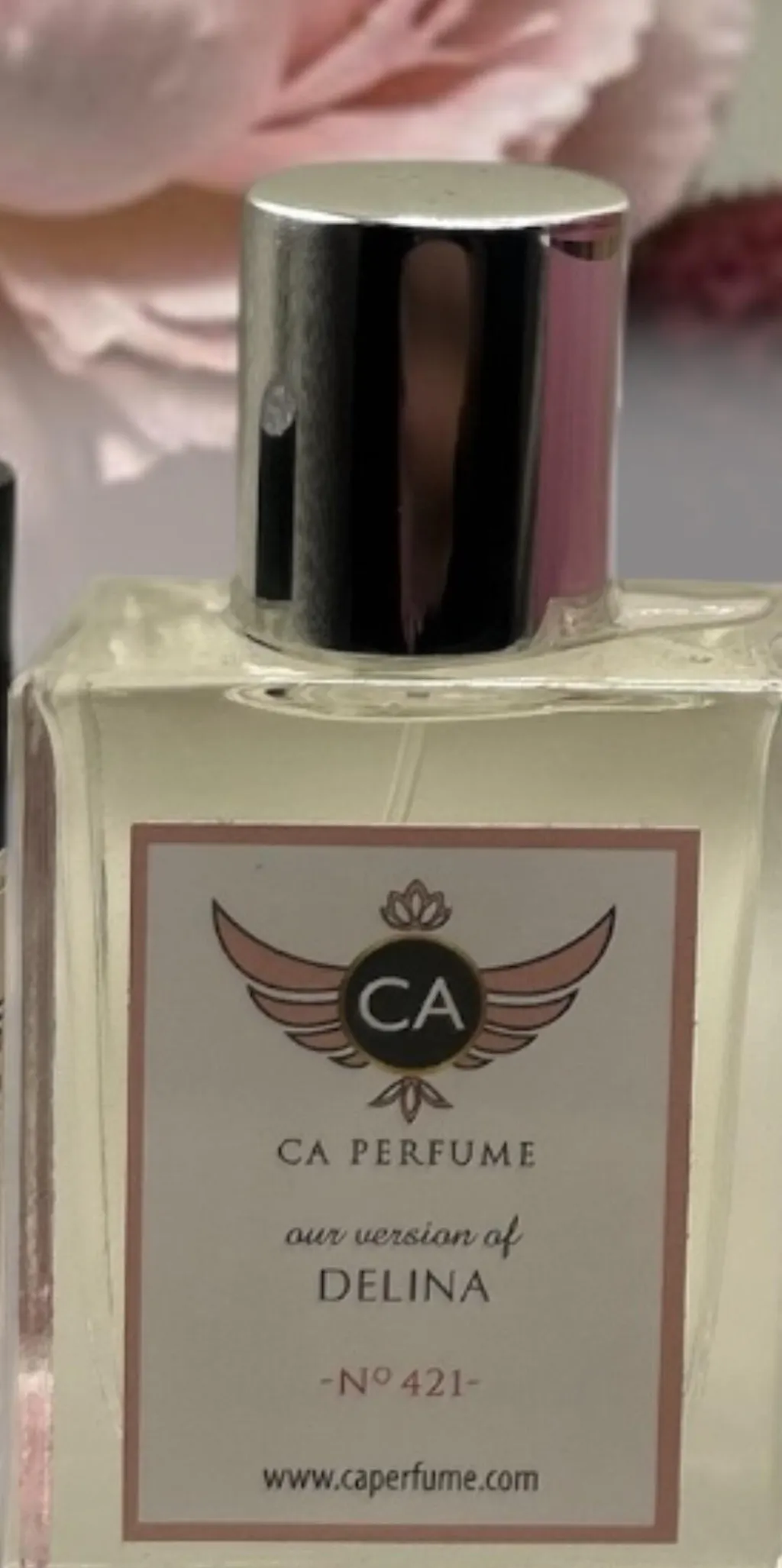
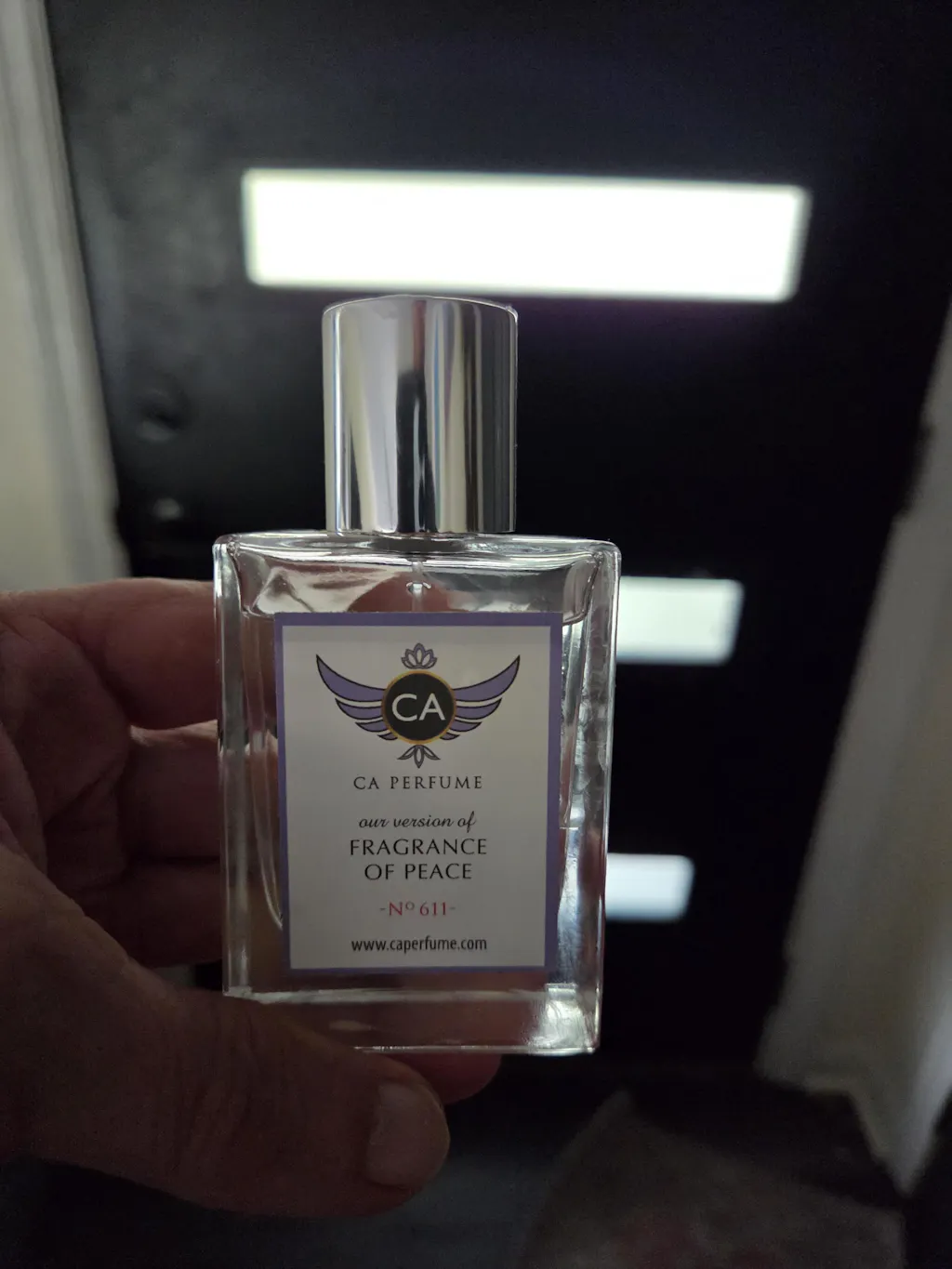
These fragrances illustrate jasmine’s versatility: as a dominant note (Alien, Jasmin Rouge), bridge note (Chanel No. 5), or supporting accent (Gucci Bloom). CA Perfume’s jasmine collection draws inspiration from this lineage, offering both soliflore and blended interpretations that honor jasmine’s multifaceted role in perfumery.
Natural vs Synthetic Jasmine in Perfumery
Natural jasmine absolute is a complex mixture of over 250 compounds, including benzyl acetate, indole, cis-jasmone, and methyl anthranilate. Synthetic jasmine notes are typically constructed using a combination of hedione (methyl dihydrojasmonate, CAS 24851-98-7), jasmone (CAS 488-10-8), and methyl jasmonate (CAS 399-00-8). These molecules replicate key facets—hedione for the airy, luminous quality; indole for animalic depth; and methyl anthranilate for fruity nuances.
Performance-wise, natural jasmine offers greater olfactory complexity and a nuanced evolution on skin, but is less stable and more variable batch-to-batch. Synthetic jasmine accords provide consistency, enhanced longevity, and better stability under light and heat. Cost is a major differentiator: natural jasmine absolute can exceed $8,000/kg, while synthetic blends are available for $50–$200/kg. Iconic fragrances like Chanel No. 5 and Joy by Jean Patou historically used natural jasmine, while many modern mass-market and niche fragrances employ synthetics for cost and regulatory reasons.
Sustainability is a key concern. Natural jasmine cultivation is labor-intensive and water-demanding, with potential for overharvesting. Synthetic production reduces environmental impact but may rely on petrochemical feedstocks. The HumanSafe™ platform at CA Perfume ensures full transparency, with all jasmine-containing fragrances clearly labeled as natural, synthetic, or blended, and verified for IFRA compliance and ethical sourcing.