Ingredient Guide · Floral Green
Floral Green Family · Perfumery Note

Jasmine Tea

A serene blend of jasmine sambac and fresh tea leaf aroma.

Jasmine Tea is a perfumery note that merges the creamy, floral facets of jasmine sambac with the crisp, vegetal nuances of green tea. The scent is defined by molecules like linalool, methyl anthranilate, and benzyl acetate, used at 1–3% in heart or top note positions.

Jasmine Tea
Ingredient Profile

Jasmine Tea

Floral Green Family
Family Floral Green
Note Position Heart Note
Usage Level 1–3% in formula
Key Origins China, India, Egypt
Iconic In Valentino Donna Born In Roma, Alien Goddess Intense
The Ingredient

What does Jasmine Tea smell like and why is it prized in perfumery?

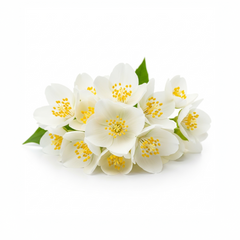
Jasmine Tea in perfumery is characterized by a delicate interplay between the creamy, sweet floralcy of jasmine sambac (Jasminum sambac) and the fresh, slightly bitter-green nuances of tea leaves (Camellia sinensis). Key aroma compounds include linalool, methyl anthranilate, benzyl acetate, and trace amounts of indole, which together create a scent profile that is airy, ethereal, and subtly sweet with a green, almost dewy undertone. The jasmine tea scent profile is not simply a blend of jasmine and tea; it is a photorealistic recreation of the aroma released when jasmine blossoms are layered over freshly processed tea leaves, a process that originated in China’s Fujian province. In perfumery, jasmine tea is most often used as a heart note, though it can appear as a top note in lighter compositions. Typical usage concentrations range from 1–3% in the total formula, depending on the desired prominence and the volatility of the supporting tea and floral molecules. The note’s interaction with skin chemistry is notable: on acidic skin, the green tea facets (from cis-3-hexenyl acetate and gallic acid derivatives) become more pronounced, while on more alkaline skin, the creamy, indolic jasmine sambac aspect is enhanced. This duality allows jasmine tea to adapt and evolve, making it a versatile choice for both fresh and floral fragrance families. Several modern fragrances exemplify the use of jasmine tea in perfumery. One Day’s Jasmine Tea (2021, perfumer Michael Wong) is renowned for its photorealistic, bitter-green opening and creamy floral drydown, closely mimicking authentic loose-leaf jasmine tea. Victoria’s Secret Jasmine Tea Sunrise (2025) combines jasmine tea with bergamot blossom and cedarwood, resulting in a light, airy composition that highlights both the floral and woody-green aspects. These examples illustrate how jasmine tea in perfumery bridges the gap between floral, green, and even woody accords, offering a nuanced, contemporary olfactory experience.

8,000 blossoms
It takes approximately 8,000 hand-picked jasmine sambac blossoms to produce 1 mL of absolute, highlighting the rarity and value of natural jasmine in perfumery.
1–3% in formula
Jasmine tea accords are typically used at 1–3% of the total fragrance formula, balancing floral and green facets without overpowering the composition.
$6,000–$12,000/kg
Natural jasmine sambac absolute commands prices of $6,000–$12,000 per kg, compared to $50–$200/kg for synthetic jasmine tea accords built from hedione and other aroma molecules.
Origin & Extraction

Where Jasmine Tea Comes From — Origin & Extraction

Jasmine tea’s scent character is deeply influenced by the terroir of both the jasmine sambac and tea leaf origins. Soil composition, altitude, and climate in key regions shape the balance of floral, green, and creamy facets.

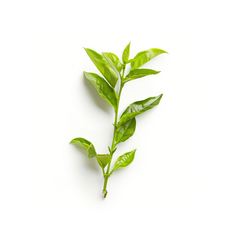
Jasmine Tea as a fragrance note is inspired by the traditional Chinese beverage, which is produced by scenting green or white tea leaves (Camellia sinensis) with freshly harvested jasmine sambac blossoms (Jasminum sambac). The scenting process, perfected in Fujian province, China, involves layering tea leaves with jasmine flowers overnight, allowing the volatile floral compounds to be absorbed by the tea. This process may be repeated up to 6–9 times for premium grades, such as Yin Hao, resulting in a deeply aromatic yet balanced product. China remains the dominant producer of both jasmine tea and jasmine sambac for perfumery, with Fujian, Guangxi, and Hunan provinces leading production. While jasmine grandiflorum (Jasminum grandiflorum) is widely cultivated in India, Egypt, and Morocco for absolute extraction, jasmine sambac is the primary species used for both tea scenting and the jasmine tea perfume note. Extraction of jasmine for perfumery is typically achieved via solvent extraction (using hexane) to yield a concrete, which is then further processed into an absolute. Supercritical CO2 extraction and modern techniques like microwave-assisted extraction are also employed to preserve delicate floral volatiles. The yield of jasmine absolute is extremely low: it takes approximately 8,000 blossoms to produce 1 mL of absolute. Jasmine sambac absolute commands prices of $6,000–$12,000 per kg, while synthetic jasmine tea accords (built from molecules such as hedione, methyl anthranilate, and linalool) cost $50–$200 per kg. Sustainability concerns include the intensive labor required for hand-harvesting and the environmental impact of solvent use. Some producers now utilize green chemistry and fair-trade practices to address these issues. For the tea component, the base green tea is processed using traditional pan-firing or steaming, with China producing over 80% of the world’s jasmine tea supply.

CN

China

Fujian Province is the historic heart of jasmine tea production, known for its sandy loam soils, humid subtropical climate, and traditional scenting methods. Over 80% of the world’s jasmine tea is produced here, with Yin Hao and Silver Needle varieties prized for their creamy, ethereal aroma.

IN

India

Tamil Nadu and Karnataka produce jasmine sambac for both local use and export. Indian jasmine is noted for its rich, fruity-floral profile, with higher indole content due to warmer growing conditions. Annual production is significant, but most is used for absolute extraction rather than tea scenting.

EG

Egypt

The Nile Delta region offers fertile, well-irrigated soils ideal for jasmine grandiflorum cultivation. Egyptian jasmine is valued for its sweet, less indolic aroma and is widely used in perfumery, though less common in tea scenting.

JP

Japan

Okinawa and Kagoshima prefectures produce small quantities of jasmine tea, often using local tea cultivars and a shorter scenting process. Japanese jasmine tea is lighter and more delicate, reflecting the region’s volcanic soils and maritime climate.

Chemistry

Natural vs Synthetic Jasmine Tea in Perfumery

Natural jasmine tea notes in perfumery are derived from jasmine sambac absolute (CAS 8022-96-6) and green tea extracts, capturing the full spectrum of floral and green volatiles. Key natural molecules include linalool, methyl anthranilate, benzyl acetate, and indole. However, due to the high cost and limited yield of natural jasmine absolute, most jasmine tea accords are constructed using a blend of natural isolates and synthetic aroma chemicals. The most important synthetic molecule is hedione (methyl dihydrojasmonate, CAS 24851-98-7), which imparts a transparent, jasmine-tea-like freshness and is present in natural jasmine extracts. Other synthetics include cis-jasmone (CAS 488-10-8), benzyl acetate (CAS 140-11-4), and green tea lactones. Performance-wise, synthetic jasmine tea accords offer greater stability, consistency, and longevity compared to natural absolutes, which can oxidize and degrade under heat or light. Synthetic accords are widely used in mainstream and niche fragrances, such as Yves Saint Laurent Libre Eau de Toilette (2021), which features a jasmine tea accord built around hedione and green tea molecules. Natural jasmine sambac absolute is more commonly reserved for high-end or artisanal perfumes due to its cost and batch variability. From a sustainability perspective, synthetics reduce pressure on jasmine agriculture and minimize solvent waste, but responsible sourcing and transparency are critical. CA Perfume’s HumanSafe™ platform provides ingredient traceability, ensuring that both natural and synthetic jasmine tea notes meet safety and ethical standards.

Natural
Jasmine Tea Absolute
Cost $3,000–6,000/kg
Method Solvent / CO₂
Character Complex, variable
vs
Synthetic
Safranal & Analogues
Cost $50–200/kg
Method Lab synthesis
Character Consistent, stable
Hall of Fame

Famous Fragrances That Define Jasmine Tea in Perfumery

2019
heart note, bridge note

Valentino Donna Born In Roma

Valentino
by Antoine Maisondieu, Sonia Constant, Amandine Clerc-Marie
Jasmine SambacBlackcurrantVanilla Bourbon
2022
accent, supporting note

Alien Goddess Intense

Mugler
by Nathalie Lorson, Marie Salamagne
CoconutBergamotJasmine
2021
heart note, bridge note

Libre Eau de Toilette

Yves Saint Laurent
by Anne Flipo, Carlos Benaïm
LavenderOrange BlossomMusk
2023
accent, top note

Light Blue Capri In Love Eau de Parfum

Dolce&Gabbana
LemonCedarWhite Rose
2021
dominant note

Jasmine Tea

One Day
by Michael Wong
Clary SageOolong TeaVetiver

Jasmine Tea has become a signature note in contemporary perfumery, especially within floral-green and modern fresh compositions. Notable examples include: 1. Valentino Donna Born In Roma (Valentino, 2019, Antoine Maisondieu, Sonia Constant, and Amandine Clerc-Marie): Jasmine tea is used as a heart note, paired with jasmine sambac, blackcurrant, and vanilla bourbon, lending a luminous, airy floralcy to the composition. 2. Alien Goddess Intense (Mugler, 2022, Nathalie Lorson and Marie Salamagne): Jasmine tea is layered with coconut and bergamot, enhancing the solar floral heart and adding a subtle green nuance. 3. Libre Eau de Toilette (Yves Saint Laurent, 2021, Anne Flipo and Carlos Benaïm): Features a prominent jasmine tea accord, constructed with hedione and green tea molecules, which bridges the gap between citrus top notes and the floral heart. 4. Light Blue Capri In Love Eau de Parfum (Dolce&Gabbana, 2023): Jasmine tea is combined with lemon, cedar, and white rose, creating a fresh, Mediterranean-inspired scent. 5. Jasmine Tea (One Day, 2021, Michael Wong): Widely praised for its photorealistic recreation of authentic jasmine tea, this fragrance opens with a bitter, astringent tea note and evolves into a creamy, floral drydown. It is often cited as the benchmark for the jasmine tea note in niche perfumery. CA Perfume’s jasmine tea collection draws inspiration from these landmark fragrances, offering both classic and contemporary interpretations of the note.

The Accord

How is a captivating Jasmine Tea accord crafted?

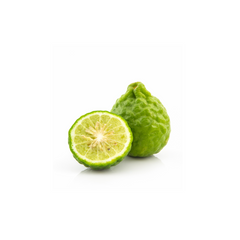
A jasmine tea accord balances the creamy, indolic floralcy of jasmine sambac with the green, slightly bitter nuances of tea leaf. Typical proportions: Jasmine Sambac Absolute 25–30%, Green Tea Absolute 20–25%, Hedione 20–25%, Bergamot 25–30%. Jasmine provides the floral heart, green tea introduces vegetal freshness, hedione adds radiance and transparency, and bergamot lifts the accord with citrusy brightness.

30%

Jasmine Sambac Absolute

25–30% of blend

Provides the creamy, indolic floralcy central to the jasmine tea accord, rich in linalool, methyl anthranilate, and benzyl acetate.

25%

Green Tea Absolute

20–25% of blend

Contributes grassy, slightly bitter-green nuances from cis-3-hexenyl acetate and gallic acid derivatives, mimicking the tea leaf aroma.

25%

Hedione (Methyl Dihydrojasmonate)

20–25% of blend

Adds transparency and diffusion, enhancing the airy, jasmine-tea-like freshness through its jasmine-lactone structure.

30%

Bergamot Oil

25–30% of blend

Lifts the accord with citrusy brightness, providing volatile top notes that interact with jasmine’s floral molecules for a sparkling opening.

The Olfactory Layers

How Jasmine Tea Evolves on Skin

Jasmine tea fragrances evolve from a bright, citrus-green opening to a creamy, floral heart and a soft, musky base. High-volatility molecules like linalool and bergamot evaporate quickly, while indolic and musky notes linger for hours.

I
Top notes
0–15 min
Citrus-Green Freshness

The initial impression is dominated by bergamot, linalool, and green tea volatiles, producing a fresh, airy, and slightly bitter-green aroma. These high-volatility compounds evaporate rapidly, setting the stage for the floral heart.

Citrus-greenAiryFresh
II
Heart notes
20–60 min
Creamy Floral Heart

Jasmine sambac absolute, hedione, and methyl anthranilate emerge, creating a creamy, sweet floralcy with subtle green undertones. The heart is photorealistic, evoking the scent of jasmine blossoms layered over tea leaves.

FloralCreamyGreen
III
Base notes
Several hours
Soft Musky Drydown

As the fragrance dries down, soft musks, vetiver, and residual indole provide a gentle, skin-like warmth. The tea note becomes more subdued, while the floral aspect lingers with a subtle, powdery finish.

SoftMuskyPowdery
TOP NOTES Citrus-Green Freshness 0–15 minutes HEART NOTES Creamy Floral Heart 20–60 minutes BASE NOTES Soft Musky Drydown Several hours
Through the Ages

The Story of Jasmine Tea in Perfumery

Jasmine tea’s journey from ancient Chinese rituals to modern perfumery reflects both cultural tradition and technical innovation.

Song Dynasty (960–1279 CE)

Origins of Jasmine Tea Scenting

The art of scenting tea leaves with jasmine blossoms is perfected in Fujian, China. The process involves layering tea and flowers overnight, a method still used today.

19th Century

Jasmine Absolute in French Perfumery

French perfumers in Grasse begin extracting jasmine absolute for use in fine fragrance, establishing jasmine as a cornerstone of the floral palette.

1962

Synthesis of Hedione

Edouard Demole at Firmenich synthesizes methyl dihydrojasmonate (hedione), enabling the recreation of jasmine tea’s transparent floralcy in modern perfumery.

2019

Jasmine Tea in Mainstream Perfume

Valentino Donna Born In Roma launches, featuring a jasmine tea heart note that brings the accord to a wider audience.

2021–2025

Rise of Photorealistic Jasmine Tea Fragrances

Niche brands and major houses release fragrances like One Day Jasmine Tea and Victoria’s Secret Jasmine Tea Sunrise, showcasing the note’s versatility and realism.

The Art of Layering

How to Layer Jasmine Tea

Understanding how to layer jasmine tea involves pairing it with notes that share or complement its molecular structure. This enhances longevity and complexity while maintaining clarity. Here’s how to layer jasmine tea for optimal effect.

01

Enhance Sweetness

Pair jasmine tea with vanilla or tonka bean fragrances. Vanillin and coumarin molecules mask the bitter-green threshold of tea volatiles, creating a creamy, gourmand effect. Example: Layer with Guerlain Shalimar Millésime Vanilla Planifolia for a soft, sweet finish.

02

Add Depth

Combine with woody notes like sandalwood or cedar. The sesquiterpenes in sandalwood interact with indole and methyl anthranilate from jasmine sambac, grounding the airy floralcy. Example: Layer with Le Labo Santal 33 or Diptyque Tam Dao.

03

Brighten the Aura

Layer with citrus or green notes such as bergamot or neroli. Shared linalool and nerolidol molecules amplify the top notes, increasing freshness and radiance. Example: Pair with Atelier Cologne Bergamote Soleil or Hermès Eau de Néroli Doré.

Wear It Right

How to Wear Jasmine Tea Like a Pro

Seasonal Guide

Fall & Winter

In cooler months, jasmine tea fragrances reveal their creamy, floral depth as lower temperatures slow the evaporation of volatile molecules. Apply to pulse points under clothing to preserve warmth and diffusion. The green tea note provides freshness without feeling icy.

Spring

Spring’s moderate temperatures enhance the photorealistic, dewy aspects of jasmine tea. The fragrance feels uplifting and clean, with both floral and green notes in balance. Apply lightly to wrists and neck for a subtle, optimistic aura.

Summer

Heat increases the volatility of bergamot, linalool, and green tea molecules, amplifying the fragrance’s freshness and projection. Reapply as needed, focusing on cooler areas like the inner elbows or behind the knees to avoid rapid evaporation.

Year-Round Tip

Jasmine tea’s versatility allows for year-round wear. Adjust application based on climate: use lighter sprays in humidity, and layer with unscented moisturizer in dry conditions to extend longevity and sillage.

Application Points

Strategic application enhances jasmine tea’s nuanced evolution and projection.

1

Neck

The neck’s warmth accelerates the release of top notes like bergamot and green tea, creating an immediate, airy freshness that transitions smoothly to the floral heart.

2

Behind the Ears

This area retains fragrance molecules longer due to lower heat and less direct exposure, allowing the creamy jasmine sambac and soft musks to linger.

3

Inner Wrists

Pulse points on the wrists enhance the volatility of tea and citrus notes, providing a dynamic, evolving scent experience with every movement.

4

Hair

Spraying lightly on hair or a hairbrush allows for gradual diffusion of jasmine tea’s floral-green aroma, as hair fibers trap and slowly release volatile molecules.

Pro Tip

Layer over unscented moisturizer to slow evaporation and maximize the photorealistic interplay of jasmine and tea notes, especially in dry climates.

Mood Architecture™

Top Jasmine Tea Fragrances by Mood Score

These Jasmine Tea-based fragrances scored highest on the MEI™ Mood Architecture Framework — measuring how a scent may influence your emotional state.

Highest MEI Score
Diva Born in Roma's Flame — Donna Born In Roma Alternative Perfume
7.68
MEI™
Primary Romantic
Secondary Confident
Confidence
6.84
Presence
6.98
Mood Lift
8.39
Identity
6.97
Warmth
8.89
Social Ease
8.37
Energy
3.5
" I am beautiful.
View full mood profile →
HumanSafe™

Top Jasmine Tea Fragrances by HumanSafe™ Score

These Jasmine Tea-based fragrances have the highest product-level HumanSafe™ scores in this ingredient collection.

Highest HumanSafe™ Score
Diva Born in Roma's Flame — Donna Born In Roma Alternative Perfume
A-
HumanSafe™ Score Generally Safe
Safest Evaluated Ingredients EDP
AQUA Solvent / Carrier ISS 10.0
1,4-DIOXACYCLOHEPTADECANE-5,17-DIONE Evaluated ingredient ISS 10.0
BENZYL SALICYLATE EYE IRRITATION - CAT. 2B [H320] Evaluated ingredient ISS 9.0
1H-3A,7-METHANOAZULENE, OCTAHYDRO-6-METHOXY-3,6,8,8- Evaluated ingredient ISS 9.0
OCTANAL, 2-(PHENYLMETHYLENE)- Evaluated ingredient ISS 8.0
REACTION MASS OF: (E)-OXACYCLOHEXADEC-12-EN-2-ONE, (E)- Evaluated ingredient ISS 7.0
View full safety profile →
Expert Voices

What Masters Say About Jasmine Tea

One Day’s Jasmine Tea brings photorealism to another level. This fragrance is a 1:1 replica of a forgotten pot of still-steeping jasmine tea— I swear you can taste the iridescent polyphenols floating on the surface. It opens deep, bitter, and astringent.
Fragrantica user review, Jasmine Tea by One Day
Jasmine tea in perfume has a gentle way of standing out. It gives off a light, calm feeling, with a floral note that is smooth and not too sharp. The aroma is a soft mix of jasmine blossoms laid over the fresh, quiet bite of green tea.
CA Perfume Editorial
Common Questions

Frequently Asked Questions

Frequently asked questions about jasmine tea as a perfume note.

Jasmine tea in perfume smells like a photorealistic blend of creamy jasmine sambac and fresh green tea leaf. The opening is airy, citrus-green, and slightly bitter, evolving into a sweet, floral heart with subtle indolic and musky undertones. Notable fragrances such as One Day Jasmine Tea and Yves Saint Laurent Libre Eau de Toilette capture this nuanced, contemporary scent profile.

Jasmine tea is most commonly used as a heart note in perfumery, though it can also appear as a top note in lighter, fresher compositions. Its key molecules—linalool, hedione, and methyl anthranilate—have moderate volatility, allowing the note to bridge the transition from fresh citrus openings to creamy floral hearts.

Jasmine tea’s unique balance of floral, green, and creamy facets makes it highly versatile, allowing perfumers to create photorealistic, contemporary accords. Its ability to evoke both tradition and modernity, as well as its adaptability to layering and pairing, has made it a favorite in niche and artisanal perfumery.

Jasmine tea fragrance uses include pairing with citrus (bergamot, lemon), woody notes (sandalwood, cedar), vanilla, and other florals (rose, neroli). These combinations are supported by shared molecules such as linalool and methyl anthranilate, which create molecular bridges and enhance complexity.

Yes, jasmine tea perfumes are well-suited to summer and hot weather due to their airy, fresh, and non-sweet character. The volatility of green tea and citrus molecules is enhanced by heat, increasing projection and creating a refreshing, uplifting effect.

Jasmine tea fragrances typically last 4–7 hours, depending on concentration and skin chemistry. The top notes dissipate quickly, while the creamy floral heart and soft musky base linger. Oil-based or EDP formats offer the best longevity.

Yes, jasmine tea can be layered with vanilla, sandalwood, citrus, or other florals to create custom accords. Layering works best when the paired fragrances share compatible molecules, such as linalool or coumarin, which enhance harmony and longevity.

Beginner-friendly jasmine tea perfumes include Yves Saint Laurent Libre Eau de Toilette, Valentino Donna Born In Roma, and One Day Jasmine Tea. These fragrances offer a balanced, accessible interpretation of the note, suitable for daily wear.

Explore CA Perfume’s jasmine tea collection by considering your preferred balance of floral, green, and citrus notes. Sample different concentrations and layering options to find the composition that best suits your skin chemistry and style.

Jasmine tea in fragrance is both sweet and green. The opening is typically fresh and slightly bitter-green, while the heart is creamy and sweet due to jasmine sambac absolute. The balance shifts depending on the formula and skin chemistry.

Floral Green Collection

Explore Our Top Jasmine Tea Fragrances

Discover CA Perfume’s curated selection of jasmine tea fragrances, featuring both classic and modern interpretations for every season and style.

Shop all jasmine tea fragrances at CA Perfume →

Where Jasmine Tea Comes From — Origin & Extraction

Jasmine Tea as a fragrance note is inspired by the traditional Chinese beverage, which is produced by scenting green or white tea leaves (Camellia sinensis) with freshly harvested jasmine sambac blossoms (Jasminum sambac). The scenting process, perfected in Fujian province, China, involves layering tea leaves with jasmine flowers overnight, allowing the volatile floral compounds to be absorbed by the tea. This process may be repeated up to 6–9 times for premium grades, such as Yin Hao, resulting in a deeply aromatic yet balanced product. China remains the dominant producer of both jasmine tea and jasmine sambac for perfumery, with Fujian, Guangxi, and Hunan provinces leading production. While jasmine grandiflorum (Jasminum grandiflorum) is widely cultivated in India, Egypt, and Morocco for absolute extraction, jasmine sambac is the primary species used for both tea scenting and the jasmine tea perfume note. Extraction of jasmine for perfumery is typically achieved via solvent extraction (using hexane) to yield a concrete, which is then further processed into an absolute. Supercritical CO2 extraction and modern techniques like microwave-assisted extraction are also employed to preserve delicate floral volatiles. The yield of jasmine absolute is extremely low: it takes approximately 8,000 blossoms to produce 1 mL of absolute. Jasmine sambac absolute commands prices of $6,000–$12,000 per kg, while synthetic jasmine tea accords (built from molecules such as hedione, methyl anthranilate, and linalool) cost $50–$200 per kg. Sustainability concerns include the intensive labor required for hand-harvesting and the environmental impact of solvent use. Some producers now utilize green chemistry and fair-trade practices to address these issues. For the tea component, the base green tea is processed using traditional pan-firing or steaming, with China producing over 80% of the world’s jasmine tea supply.

Famous Fragrances That Define Jasmine Tea in Perfumery

Jasmine Tea has become a signature note in contemporary perfumery, especially within floral-green and modern fresh compositions. Notable examples include: 1. Valentino Donna Born In Roma (Valentino, 2019, Antoine Maisondieu, Sonia Constant, and Amandine Clerc-Marie): Jasmine tea is used as a heart note, paired with jasmine sambac, blackcurrant, and vanilla bourbon, lending a luminous, airy floralcy to the composition. 2. Alien Goddess Intense (Mugler, 2022, Nathalie Lorson and Marie Salamagne): Jasmine tea is layered with coconut and bergamot, enhancing the solar floral heart and adding a subtle green nuance. 3. Libre Eau de Toilette (Yves Saint Laurent, 2021, Anne Flipo and Carlos Benaïm): Features a prominent jasmine tea accord, constructed with hedione and green tea molecules, which bridges the gap between citrus top notes and the floral heart. 4. Light Blue Capri In Love Eau de Parfum (Dolce&Gabbana, 2023): Jasmine tea is combined with lemon, cedar, and white rose, creating a fresh, Mediterranean-inspired scent. 5. Jasmine Tea (One Day, 2021, Michael Wong): Widely praised for its photorealistic recreation of authentic jasmine tea, this fragrance opens with a bitter, astringent tea note and evolves into a creamy, floral drydown. It is often cited as the benchmark for the jasmine tea note in niche perfumery. CA Perfume’s jasmine tea collection draws inspiration from these landmark fragrances, offering both classic and contemporary interpretations of the note.

Natural vs Synthetic Jasmine Tea in Perfumery

Natural jasmine tea notes in perfumery are derived from jasmine sambac absolute (CAS 8022-96-6) and green tea extracts, capturing the full spectrum of floral and green volatiles. Key natural molecules include linalool, methyl anthranilate, benzyl acetate, and indole. However, due to the high cost and limited yield of natural jasmine absolute, most jasmine tea accords are constructed using a blend of natural isolates and synthetic aroma chemicals. The most important synthetic molecule is hedione (methyl dihydrojasmonate, CAS 24851-98-7), which imparts a transparent, jasmine-tea-like freshness and is present in natural jasmine extracts. Other synthetics include cis-jasmone (CAS 488-10-8), benzyl acetate (CAS 140-11-4), and green tea lactones. Performance-wise, synthetic jasmine tea accords offer greater stability, consistency, and longevity compared to natural absolutes, which can oxidize and degrade under heat or light. Synthetic accords are widely used in mainstream and niche fragrances, such as Yves Saint Laurent Libre Eau de Toilette (2021), which features a jasmine tea accord built around hedione and green tea molecules. Natural jasmine sambac absolute is more commonly reserved for high-end or artisanal perfumes due to its cost and batch variability. From a sustainability perspective, synthetics reduce pressure on jasmine agriculture and minimize solvent waste, but responsible sourcing and transparency are critical. CA Perfume’s HumanSafe™ platform provides ingredient traceability, ensuring that both natural and synthetic jasmine tea notes meet safety and ethical standards.