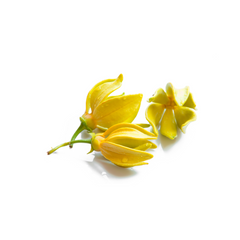
Where Jasmine Sambac Comes From — Origin & Extraction
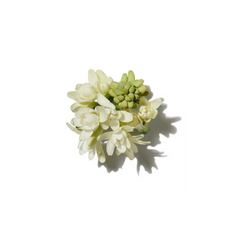
Jasmine Sambac (Jasminum sambac), a member of the Oleaceae family, is native to South and Southeast Asia, particularly India, Sri Lanka, and the southern Himalayas. Today, India is the largest producer, with key cultivation regions in Tamil Nadu, Madurai, and Mysore, where the warm, humid climate supports optimal flowering. Annual production in India is estimated at over 15,000 metric tons of fresh flowers, with a significant portion destined for perfumery and traditional garlands.
Extraction of jasmine sambac for perfumery is accomplished primarily through solvent extraction, most commonly using hexane, which yields a concrete. This concrete is further processed with ethanol to obtain the absolute—a viscous, reddish-brown liquid with a yield of approximately 0.1–0.2% from fresh flowers. The process must be conducted at low temperatures to prevent degradation of delicate aroma compounds such as indole and methyl anthranilate. Traditional enfleurage, once used in Grasse, France, has been largely replaced by solvent extraction due to efficiency and yield.
Natural jasmine sambac absolute commands prices of $10,000–$15,000 per kilogram, reflecting the labor-intensive harvest (it takes about 8,000 hand-picked blossoms to produce 1 gram of absolute). Synthetic substitutes, such as hedione (CAS 24851-98-7), cost $50–$200/kg and are used to supplement or replace natural jasmine in commercial perfumery. Sustainability concerns include high water use, land pressure, and the need for ethical labor practices. Some producers are experimenting with CO2 extraction for improved environmental impact, while the HumanSafe™ platform is increasingly used to verify sourcing transparency.
Famous Fragrances That Define Jasmine Sambac in Perfumery
Jasmine Sambac has been a defining note in both classic and contemporary perfumery. In Dior J’adore (1999, Calice Becker), jasmine sambac is blended with ylang-ylang and rose to create a luminous, radiant floral heart. Gucci Bloom (2017, Alberto Morillas) places jasmine sambac at the center of its composition, paired with tuberose for a creamy, modern white floral effect. Tom Ford Jasmin Rouge (2011, Rodrigo Flores-Roux) explores the indolic and spicy facets of jasmine sambac, accentuated by clary sage and spices for a bold, sensual signature.
Jo Malone Jasmine Sambac & Marigold (2018, Mathilde Bijaoui) combines the dewy, green freshness of jasmine sambac with marigold and ylang-ylang, resulting in a fragrance that highlights both the floral and slightly honeyed aspects of the note. Maison Lancôme Jasmins Marzipane (2016, Dominique Ropion and Olivier Gillotin) showcases jasmine sambac in a gourmand context, pairing it with almond and vanilla for a creamy, marzipan-like effect. Each of these fragrances demonstrates the versatility of jasmine sambac, whether as a dominant note, a bridge, or an accent, and reflects its enduring appeal in perfumery. CA Perfume’s collection draws inspiration from this lineage, offering jasmine sambac-centered compositions that honor both tradition and innovation.
Natural vs Synthetic Jasmine Sambac in Perfumery
Natural jasmine sambac absolute is a complex mixture of over 100 volatile compounds, including indole, benzyl acetate, methyl anthranilate, and cis-3-hexenol, which together create its signature sweet, musky, and green aroma. Synthetic jasmine notes are typically constructed from a blend of aroma chemicals such as hedione (CAS 24851-98-7), methyl dihydrojasmonate (CAS 1115-70-4), and benzyl acetate (CAS 140-11-4). Hedione, in particular, is valued for its ability to impart a transparent, jasmine-tea-like freshness and is present in natural jasmine extracts as well.
Performance-wise, synthetic jasmine accords offer greater batch-to-batch consistency, improved stability, and hypoallergenic properties, but lack the nuanced, evolving character of natural absolute. Natural jasmine sambac is prized in high-end and niche perfumery for its depth and radiance, but its use is limited by cost (natural: $10,000–$15,000/kg; synthetic: $50–$200/kg) and IFRA restrictions due to potential allergens such as benzyl alcohol and indole. Iconic fragrances such as Dior J’adore and Tom Ford Jasmin Rouge use both natural and synthetic jasmine to balance performance and cost.
Sustainability is a growing concern: natural jasmine cultivation is labor-intensive and water-demanding, while synthetics can reduce environmental impact but may rely on petrochemical feedstocks. The HumanSafe™ platform is used by CA Perfume to ensure transparency in sourcing and allergen disclosure. Notable aroma chemicals for jasmine reconstruction include hedione, methyl anthranilate, and cis-jasmone.