Where Italian Orris Root Comes From — Origin & Extraction
Italian Orris Root is derived from the rhizomes of Iris germanica and Iris pallida, primarily cultivated in the Veneto and Tuscany regions of Italy. These areas provide calcareous soils and a temperate Mediterranean climate ideal for producing high-quality orris with rich, powdery aromatic profiles. Cultivation is artisanal, often on small family farms with centuries-old traditions.
The extraction process is notably labor-intensive and time-consuming. After planting, the rhizomes grow for three years underground before being carefully unearthed, peeled by hand, and sun-dried for an additional three to five years. This curing period is essential for enzymatic oxidation, which converts odorless precursors into irones, the key aromatic molecules.
Following curing, the rhizomes are ground and subjected to hydro-distillation or solvent extraction (using hexane, ethanol, or supercritical CO2) to produce orris butter, a waxy, pale yellow substance containing 8–15% irones. The yield is extremely low: approximately 1,000 kg of fresh rhizomes yield 2 kg of orris butter. Orris butter costs between $3,000 and $6,000 per kilogram due to this complex process and rarity.
Sustainability concerns include the long growth and curing times, low yields, and the need for manual labor, which limit scalability. Italy remains the benchmark for premium orris, with secondary production in Morocco and expanding cultivation in France and China.
Famous Fragrances That Define Italian Orris Root in Perfumery
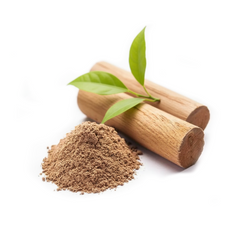
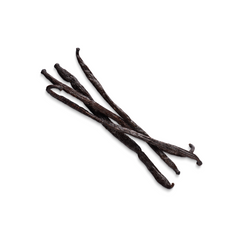
Italian Orris Root has been a cornerstone of luxury perfumery for over a century, featuring prominently in landmark fragrances. Jacques Guerlain’s Vol de Nuit (1933) used orris as a base note, creating a powdery, oriental accord harmonized with vanilla, oakmoss, and sandalwood. Dior Homme (2005), crafted by Olivier Polge, showcased orris absolute as a refined, powdery iris heart, elevating the fragrance's elegance.
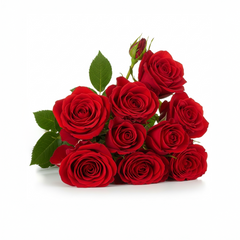
More recent examples include RAER Scents’ Accord No. 07: Orris Root (2021, Stefan Kehl), where orris blends with jasmine sambac and Bulgarian rose to create a luxurious floral woody musk. Essential Parfums’ Velvet Iris (year unknown) and Givenchy’s Gentleman Eau de Parfum (year unknown) also highlight orris in their compositions, pairing it with woody and floral notes for depth.
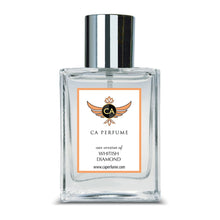
These fragrances demonstrate orris root’s versatility as a dominant or supporting note, often paired with rose, jasmine, sandalwood, and vanilla to balance its powdery and earthy facets. CA Perfume’s collection honors this lineage by offering scents that explore orris’s rich texture and sophisticated character.
Natural vs Synthetic Italian Orris Root in Perfumery
Natural Italian Orris Root absolute or butter is prized for its complex, variable scent profile dominated by irones such as cis-alpha-irone (CAS 79-69-6) and cis-gamma-irone, which provide powdery, violet, and suede-like nuances. Natural orris is valued for its depth, tenacity, and fixative properties but is costly ($3,000–6,000/kg) and subject to supply limitations.
Synthetic alternatives include aroma chemicals like safranal (CAS 116-26-7), methyl ionones, and other ionone derivatives, which replicate the violet and powdery facets with greater consistency and stability. These synthetics cost between $50 and $200 per kilogram, offering economical and reliable substitutes for perfumers.
Performance-wise, natural orris offers richer complexity and a more nuanced dry-down, while synthetics provide predictable longevity and diffusion. Famous fragrances such as Dior Homme (2005) incorporate natural orris absolute, whereas many modern compositions use synthetic iris molecules for cost-effectiveness.
The HumanSafe™ platform ensures transparency in sourcing and safety data for both natural and synthetic orris materials, supporting sustainable and ethical perfumery practices.