Ingredient Guide · White Flowers
White Flowers Family · Perfumery Note

Italian Jasmine

The essence of Mediterranean white floral elegance

Italian Jasmine, derived primarily from Jasminum grandiflorum, is a prized white floral note in perfumery. Its absolute is valued for a sweet, opulent scent rich in indole and benzyl acetate, typically used at 0.1–0.5% concentration.

Italian Jasmine
Ingredient Profile

Italian Jasmine

White Flowers Family
Family White Flowers
Note Position Heart Note
Usage Level 0.2–0.4%
Key Origins Italy (Calabria), France (Grasse), Egypt
Iconic In Jasmin de Toscane, Gelsomino (Italian Journey No. 5)
The Ingredient

What does Italian Jasmine smell like and why is it significant in perfumery?

Italian Jasmine primarily comes from Jasminum grandiflorum, a white flowering plant in the Oleaceae family. Its scent is characterized by a sweet, heady floral aroma with opulent nuances, largely due to key molecules such as indole, benzyl acetate, linalool, and methyl anthranilate. These compounds create a complex profile that can range from creamy and fruity to slightly animalic and green, depending on extraction and origin. In perfumery, Italian Jasmine is classified as a heart or middle note, used in concentrations typically between 0.1% and 0.5% in fine fragrances. Its scent interacts dynamically with skin chemistry, where body heat enhances its diffusion and reveals its multi-faceted character over time. The absolute is extracted mainly via solvent extraction methods such as hexane or supercritical CO2, as steam distillation degrades its delicate aroma compounds. Italian Jasmine in perfumery is featured prominently in fragrances like Jacques Fath's Jasmin de Toscane (2023) by Jean-Christophe Hérault, which combines jasmine sambac and grandiflorum absolutes for a fresh yet opulent floral heart. Another example is DSH Perfumes' Gelsomino (Italian Journey No. 5) by Dawn Spencer Hurwitz, where Italian Jasmine blends with citrus and woody notes to create a balanced, elegant composition.

800 kg
Approximate fresh jasmine flowers needed to produce 1 kg of jasmine concrete, reflecting the labor-intensive nature of extraction.
0.2–0.4%
Typical yield range of jasmine absolute from fresh flowers via solvent extraction.
$4,000–$9,000/kg
Estimated market price range for natural jasmine absolute, indicating its high value in perfumery.
Origin & Extraction

Where Italian Jasmine Comes From — Origin & Extraction

Italian Jasmine’s scent is deeply influenced by its Mediterranean terroir, where warm, humid climates and well-drained soils foster rich floral expression. The Calabria region in southern Italy is a key producer, known for jasmine flowers with a fresh yet opulent aroma, shaped by the region’s soil mineral content and coastal breezes.

Italian Jasmine is derived from Jasminum grandiflorum, a species native to northern India but widely cultivated in Mediterranean climates including Italy, France, Morocco, and Egypt. Italy, particularly the Calabria region, is known for producing high-quality jasmine flowers used in perfumery. The plant thrives in warm, humid conditions on well-drained, rich soils. Harvesting is labor-intensive, with flowers picked early morning to preserve their delicate aroma. Approximately 800 kilograms of fresh jasmine flowers are required to produce 1 kilogram of jasmine concrete, which is then processed into jasmine absolute. Extraction is primarily performed using solvent extraction with hexane or supercritical CO2 methods to preserve the key aromatic molecules such as indole and benzyl acetate. Steam distillation is avoided due to heat sensitivity. The yield of jasmine absolute is low, typically around 0.2-0.4% depending on the variety and extraction method. Natural jasmine absolute costs range from $4,000 to $9,000 per kilogram, reflecting the high labor and raw material demands. Synthetic aroma chemicals replicating jasmine's scent, such as methyl jasmonate, offer more affordable alternatives but differ in complexity. Sustainability concerns include the intensive labor and land use required for jasmine cultivation. Some producers in Italy and France are adopting organic and sustainable farming practices to address environmental impact.

IT

Italy (Calabria)

Calabria’s warm Mediterranean climate and mineral-rich soils produce jasmine flowers with a fresh, opulent scent. The region contributes significantly to the global jasmine absolute supply, with traditional harvesting methods emphasizing early morning picking to preserve aroma integrity.

FR

France (Grasse)

Grasse, historically the heart of jasmine production, now maintains limited cultivation focused on high-quality jasmine grandiflorum. The region’s unique terroir imparts a refined, slightly greener nuance to its jasmine absolute.

EG

Egypt

Egyptian jasmine is known for a softer, more honeyed scent profile, cultivated in the Nile Delta under hot, arid conditions with irrigation management.

MA

Morocco

Morocco produces jasmine with a balance of fresh and warm floral notes, grown in temperate zones with traditional hand-harvesting practices.

Chemistry

Natural vs Synthetic Italian Jasmine in Perfumery

Natural Italian Jasmine absolute is extracted from Jasminum grandiflorum flowers using solvent extraction methods, yielding a complex bouquet rich in indole, benzyl acetate, linalool, and methyl anthranilate. This natural absolute provides a multi-layered floral scent with creamy, fruity, and slightly animalic facets. Synthetic jasmine molecules include methyl jasmonate (CAS 39924-52-2), indole (CAS 120-72-9), and benzyl acetate (CAS 140-11-4). These synthetics offer cost-effective, stable, and consistent alternatives but often lack the full depth and nuance of natural jasmine absolute. Synthetic jasmine components are used to amplify or recreate jasmine accords in perfumes where natural absolute is cost-prohibitive or supply-limited. Natural jasmine absolute costs approximately $4,000–$9,000 per kilogram, whereas synthetic aroma chemicals cost significantly less, often under $200 per kilogram. Natural jasmine's supply chain is vulnerable to agricultural conditions and labor availability, while synthetics provide reliable year-round supply. CA Perfume employs the HumanSafe™ platform to ensure transparency and safety in sourcing both natural and synthetic jasmine ingredients, prioritizing sustainability and consumer safety.

Natural
Italian Jasmine Absolute
Cost $3,000–6,000/kg
Method Solvent / CO₂
Character Complex, variable
vs
Synthetic
Safranal & Analogues
Cost $50–200/kg
Method Lab synthesis
Character Consistent, stable
Hall of Fame

Famous Fragrances That Define Italian Jasmine in Perfumery

2023
dominant note

Jasmin de Toscane

Jacques Fath
by Jean-Christophe Hérault
FreesiaPetitgrainGrapefruitBenzoinHazelnut
—
heart note

Gelsomino (Italian Journey No. 5)

DSH Perfumes
by Dawn Spencer Hurwitz
Bitter OrangeBergamotVioletSandalwoodBeeswaxVetiver
—
accent note

Shalimar Millésime Jasmin

Guerlain
BergamotVanillaAmber
—
heart note

Valentino Donna Born in Roma Intense

Valentino
VanillaWoody NotesFloral Notes
—
heart note

Coco Mademoiselle Eau de Toilette

Chanel
OrangePatchouliVanilla

Italian Jasmine has been a cornerstone in many notable fragrances, where it functions as a heart note that lends a lush, opulent floral character. Jacques Fath's Jasmin de Toscane (2023), crafted by Jean-Christophe Hérault, exemplifies Italian Jasmine's fresh and radiant qualities by blending jasmine sambac and grandiflorum absolutes with citrus and hazelnut, creating a modern white floral signature. DSH Perfumes' Gelsomino (Italian Journey No. 5) by Dawn Spencer Hurwitz uses Italian Jasmine alongside bitter orange, neroli, and woody base notes to evoke an elegant Mediterranean floral accord. Other landmark fragrances featuring Italian Jasmine include Guerlain's Shalimar Millésime Jasmin, Valentino Donna Born in Roma Intense, and Chanel's Coco Mademoiselle Eau de Toilette, where jasmine provides a sensual and luminous floral heart. These compositions highlight Italian Jasmine's versatility across floral, oriental, and chypre fragrance families. CA Perfume's collection respects this heritage by offering refined jasmine accords that balance tradition with contemporary olfactory trends.

The Accord

How is a captivating Italian Jasmine accord crafted?

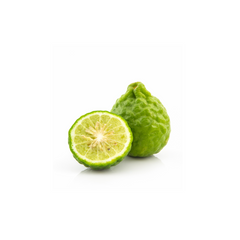
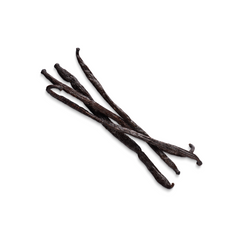
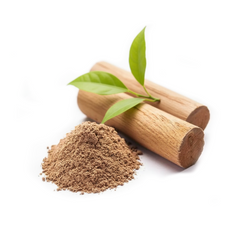
A balanced Italian Jasmine accord typically blends 30–35% Italian Jasmine absolute with complementary notes to enhance its floral complexity. Bergamot (15–20%) adds a fresh, citrusy brightness that lifts the floral heart. Sandalwood (20–25%) provides a creamy, woody base that supports jasmine’s richness. Vanilla (20–25%) introduces a soft, sweet warmth that smooths jasmine’s indolic edge, creating a harmonious and enduring floral bouquet.

35%

Italian Jasmine Absolute

30–35% of blend

Provides the core sweet, opulent floral character with complex indolic and fruity facets essential to the accord.

20%

Bergamot

15–20% of blend

Adds a fresh, citrusy brightness that enhances the floral clarity and lifts the accord’s top notes.

25%

Sandalwood

20–25% of blend

Contributes a creamy, woody base that balances jasmine’s richness and extends the accord’s longevity.

25%

Vanilla

20–25% of blend

Softens jasmine’s indolic edge through olfactory masking, adding warmth and smooth sweetness.

The Olfactory Layers

How Italian Jasmine Evolves on Skin

Italian Jasmine’s olfactory evolution begins with bright, fresh citrus top notes that evaporate within 0–15 minutes, followed by a rich floral heart dominated by indolic and benzyl acetate compounds lasting 20–60 minutes. The base notes emerge over several hours, anchored by creamy sandalwood and sweet vanilla molecules that provide depth and longevity.

I
Top notes
0–15 min
Bright Citrus Sparkle

The initial impression features volatile citrus compounds like bergamot and neroli, which provide brightness and freshness. These molecules evaporate quickly, setting a lively stage for the floral heart.

BrightFreshCitrusy
II
Heart notes
20–60 min
Opulent Floral Bouquet

The heart reveals the full jasmine absolute character, rich in indole, benzyl acetate, and linalool, creating a sweet, opulent, and slightly animalic floral bouquet that defines the fragrance’s core.

FloralOpulentIndolic
III
Base notes
Several hours
Creamy Woody Warmth

The base is composed of creamy sandalwood, warm vanilla, and subtle musk, which provide a smooth, lasting foundation that balances jasmine’s brightness and enhances sillage.

CreamyWarmLong-lasting
TOP NOTES Bright Citrus Sparkle 0–15 minutes HEART NOTES Opulent Floral Bouquet 20–60 minutes BASE NOTES Creamy Woody Warmth Several hours
Through the Ages

The Story of Italian Jasmine in Perfumery

Italian Jasmine’s journey in perfumery spans centuries, from ancient cultivation in India and Persia to its establishment in Mediterranean regions like Italy and France. Its extraction methods and olfactory applications have evolved alongside perfumery’s development.

Antiquity

Early Use in India and Persia

Jasmine was used in Ayurvedic medicine and religious ceremonies in India and Persia, valued for its fragrance and symbolic meanings.

1600s

Introduction to Europe

The Moors brought jasmine to Spain, from where it spread to Italy and France, becoming a prized ornamental and perfumery flower.

18th Century

Grasse Becomes Jasmine Hub

Grasse, France, emerged as the center of jasmine cultivation and extraction, pioneering enfleurage and solvent extraction techniques.

1950s

Expansion to Italy and Mediterranean

Industrial jasmine cultivation expanded to Italy’s Calabria region and other Mediterranean areas, diversifying supply.

2020s

Modern Perfume Innovations

Contemporary perfumers blend Italian Jasmine absolute with synthetics and other botanicals, exemplified by recent fragrances like Jasmin de Toscane (2023).

The Art of Layering

How to Layer Italian Jasmine

Understanding how to layer Italian Jasmine involves molecular compatibility and olfactory synergy. Layering can amplify jasmine’s facets or balance its intensity for desired effects.

01

Enhance Sweetness

Layering Italian Jasmine with vanilla enhances sweetness by masking indolic sharpness through vanillin’s olfactory masking effect. This combination is seen in fragrances like Chanel Coco Mademoiselle.

02

Add Depth

Pairing jasmine with sandalwood adds creamy, woody depth, stabilizing volatile jasmine molecules and extending longevity. This is exemplified in Guerlain’s Shalimar Millésime Jasmin.

03

Lighten the Glow

Combining Italian Jasmine with citrus notes like bergamot or neroli brightens the scent by introducing fresh, high-volatility molecules that contrast jasmine’s richness, creating a sparkling floral accord.

Wear It Right

How to Wear Italian Jasmine Like a Pro

Seasonal Guide

Fall & Winter

Cooler temperatures slow molecular evaporation, making Italian Jasmine feel richer and more intimate. Layer with warm woods and spices to enhance depth and longevity.

Spring

Moderate temperatures highlight jasmine’s fresh floral facets. Use lighter complementary notes like citrus or green accords for a vibrant, uplifting effect.

Summer

Heat increases volatility, intensifying jasmine’s brightness but reducing longevity. Apply sparingly and consider layering with musks or vanilla to prolong wear.

Year-Round Tip

Adjust application amount and layering notes seasonally to balance jasmine’s projection and longevity for consistent performance.

Application Points

Strategic application of Italian Jasmine enhances its olfactory impact and longevity.

1

Neck

Pulse points like the neck provide warmth that activates jasmine’s volatile molecules, enhancing projection and scent diffusion.

2

Behind the Ears

This discreet area allows for subtle scent release, ideal for intimate jasmine expression.

3

Inner Wrists

The wrists’ warmth and movement help volatilize jasmine notes, creating a dynamic scent trail.

4

Hair

Hair holds fragrance molecules longer, releasing jasmine gradually with natural movement and body heat.

★

Pro Tip

Layer Italian Jasmine with complementary body lotions or oils to extend scent longevity and enhance complexity.

Mood Architecture™

Top Italian Jasmine Fragrances by Mood Score

These Italian Jasmine-based fragrances scored highest on the MEI™ Mood Architecture Framework — measuring how a scent may influence your emotional state.

Highest MEI Score
Love In White — Creed Love In White Alternative Perfume
7.6
MEI™
Primary Romantic
Secondary Confident
Confidence
6.94
Presence
7.57
Mood Lift
8.03
Identity
7.3
Warmth
9.19
Social Ease
7.44
Energy
3.85
" I am beautiful.
View full mood profile →
HumanSafe™

Top Italian Jasmine Fragrances by HumanSafe™ Score

These Italian Jasmine-based fragrances have the highest product-level HumanSafe™ scores in this ingredient collection.

Highest HumanSafe™ Score
Love In White — Creed Love In White Alternative Perfume
A-
HumanSafe™ Score Generally Safe
Safest Evaluated Ingredients EDP
BICYCLO[3.3.1]NONANE, 2-ETHOXY-2,6,6-TRIMETHYL-9- Evaluated ingredient ISS 10.0
AQUA Solvent / Carrier ISS 10.0
3-BUTEN-2-ONE, 4-(2,6,6-TRIMETHYL-1-CYCLOHEXEN-1- Evaluated ingredient ISS 10.0
3-BUTEN-2-ONE, 4-(2,6,6-TRIMETHYL-2-CYCLOHEXEN-1- Evaluated ingredient ISS 9.0
1H-3A,7-METHANOAZULENE, OCTAHYDRO-6-METHOXY- Evaluated ingredient ISS 9.0
3-BUTEN-2-ONE, 3-METHYL-4-(2,6,6-TRIMETHYL-2- Evaluated ingredient ISS 8.0
View full safety profile →
Expert Voices

What Masters Say About Italian Jasmine

“
“Jasmine is not only the king of flowers but also the king of perfumes. Its scent is rich, opulent, and complex, capable of evoking deeply personal and emotional responses.”
Rodrigo Flores-Roux, Givaudan Perfumer
“
Italian Jasmine absolute is prized for its sweet, creamy floral character with indolic nuances that provide depth and sensuality, making it indispensable in high-end perfumery.
CA Perfume Editorial
Common Questions

Frequently Asked Questions

Frequently asked questions about Italian Jasmine in perfumery.

Italian Jasmine smells sweet, opulent, and floral with creamy and slightly animalic undertones. Its scent profile is dominated by molecules such as indole and benzyl acetate, which give it a rich, heady character. It is often described as fresh yet warm, making it a versatile note in many perfume compositions.

Italian Jasmine is primarily used as a heart or middle note in perfumery. It provides the floral core of a fragrance, bridging the fresh top notes and the warm base notes. Its molecular volatility supports a lasting presence without dominating the composition.

Italian Jasmine is favored in niche perfumery for its complex and multi-dimensional scent profile. It adds depth, sensuality, and a luxurious floral character that can be tailored through blending with synthetics and other botanicals. Its rarity and extraction difficulty also contribute to its prestige.

Italian Jasmine fragrance uses often pair it with bergamot and neroli for brightness, vanilla and musk for warmth, and sandalwood or patchouli for depth. These combinations enhance jasmine’s floral richness while balancing its indolic facets.

Yes, Italian Jasmine perfumes can be suitable for summer, especially when blended with fresh citrus or green notes that lighten its richness. However, due to increased volatility in heat, lighter applications or layering with musks can help maintain longevity.

Italian Jasmine’s longevity depends on concentration and formulation but typically lasts 4–8 hours in Eau de Parfum concentrations. The use of fixatives like sandalwood and vanilla extends its wear time.

Yes, layering Italian Jasmine with complementary notes such as vanilla, sandalwood, or citrus can create unique scent profiles. Understanding how to layer Italian Jasmine enhances its facets and personalizes the fragrance experience.

For beginners, fragrances like Jacques Fath Jasmin de Toscane and DSH Perfumes Gelsomino offer approachable yet sophisticated Italian Jasmine accords. These blends balance jasmine with familiar notes like citrus and woods for an inviting introduction.

Choosing the right Italian Jasmine fragrance involves considering your preference for floral intensity, complementary notes, and occasion. CA Perfume offers detailed descriptions and layering advice to help you find a jasmine scent that suits your style and skin chemistry.

Italian Jasmine primarily smells sweet and floral with creamy and slightly animalic undertones. It is not inherently spicy but can be blended with spicy notes like cardamom or pink pepper to add complexity.

White Flowers Collection

Explore Our Top Italian Jasmine Fragrances

Discover refined and luxurious Italian Jasmine scents curated for floral elegance and lasting impression.

Shop all italian jasmine fragrances at CA Perfume →

Where Italian Jasmine Comes From — Origin & Extraction

Italian Jasmine is derived from Jasminum grandiflorum, a species native to northern India but widely cultivated in Mediterranean climates including Italy, France, Morocco, and Egypt. Italy, particularly the Calabria region, is known for producing high-quality jasmine flowers used in perfumery. The plant thrives in warm, humid conditions on well-drained, rich soils. Harvesting is labor-intensive, with flowers picked early morning to preserve their delicate aroma. Approximately 800 kilograms of fresh jasmine flowers are required to produce 1 kilogram of jasmine concrete, which is then processed into jasmine absolute. Extraction is primarily performed using solvent extraction with hexane or supercritical CO2 methods to preserve the key aromatic molecules such as indole and benzyl acetate. Steam distillation is avoided due to heat sensitivity. The yield of jasmine absolute is low, typically around 0.2-0.4% depending on the variety and extraction method. Natural jasmine absolute costs range from $4,000 to $9,000 per kilogram, reflecting the high labor and raw material demands. Synthetic aroma chemicals replicating jasmine's scent, such as methyl jasmonate, offer more affordable alternatives but differ in complexity. Sustainability concerns include the intensive labor and land use required for jasmine cultivation. Some producers in Italy and France are adopting organic and sustainable farming practices to address environmental impact.

Famous Fragrances That Define Italian Jasmine in Perfumery

Italian Jasmine has been a cornerstone in many notable fragrances, where it functions as a heart note that lends a lush, opulent floral character. Jacques Fath's Jasmin de Toscane (2023), crafted by Jean-Christophe Hérault, exemplifies Italian Jasmine's fresh and radiant qualities by blending jasmine sambac and grandiflorum absolutes with citrus and hazelnut, creating a modern white floral signature. DSH Perfumes' Gelsomino (Italian Journey No. 5) by Dawn Spencer Hurwitz uses Italian Jasmine alongside bitter orange, neroli, and woody base notes to evoke an elegant Mediterranean floral accord. Other landmark fragrances featuring Italian Jasmine include Guerlain's Shalimar Millésime Jasmin, Valentino Donna Born in Roma Intense, and Chanel's Coco Mademoiselle Eau de Toilette, where jasmine provides a sensual and luminous floral heart. These compositions highlight Italian Jasmine's versatility across floral, oriental, and chypre fragrance families. CA Perfume's collection respects this heritage by offering refined jasmine accords that balance tradition with contemporary olfactory trends.

Natural vs Synthetic Italian Jasmine in Perfumery

Natural Italian Jasmine absolute is extracted from Jasminum grandiflorum flowers using solvent extraction methods, yielding a complex bouquet rich in indole, benzyl acetate, linalool, and methyl anthranilate. This natural absolute provides a multi-layered floral scent with creamy, fruity, and slightly animalic facets. Synthetic jasmine molecules include methyl jasmonate (CAS 39924-52-2), indole (CAS 120-72-9), and benzyl acetate (CAS 140-11-4). These synthetics offer cost-effective, stable, and consistent alternatives but often lack the full depth and nuance of natural jasmine absolute. Synthetic jasmine components are used to amplify or recreate jasmine accords in perfumes where natural absolute is cost-prohibitive or supply-limited. Natural jasmine absolute costs approximately $4,000–$9,000 per kilogram, whereas synthetic aroma chemicals cost significantly less, often under $200 per kilogram. Natural jasmine's supply chain is vulnerable to agricultural conditions and labor availability, while synthetics provide reliable year-round supply. CA Perfume employs the HumanSafe™ platform to ensure transparency and safety in sourcing both natural and synthetic jasmine ingredients, prioritizing sustainability and consumer safety.