Where Iris Comes From — Origin & Extraction
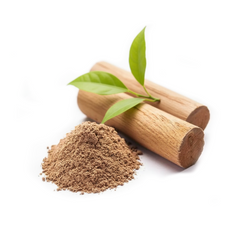
The perfumery iris note is sourced from the rhizomes of Iris pallida (Dalmatian iris), Iris germanica, and occasionally Iris florentina. The most prized material is orris root from Iris pallida, cultivated primarily in Italy’s Tuscany region and Morocco’s Atlas Mountains. Italy and Morocco account for over 80% of global orris production, with annual output estimated at less than 20 metric tons due to the labor- and time-intensive process.
Harvesting begins three years after planting, as the rhizomes require this period to accumulate irones. After harvest, the roots are peeled, washed, and dried—traditionally in the sun or in ovens at 40°C—for two to five years. This extended aging is critical: fresh rhizomes are nearly odorless, but aging increases irone content from trace levels to 10–15%. Once fully dried, the rhizomes are ground and subjected to steam distillation to yield orris butter (a waxy, pale yellow solid with 15–20% irones) or solvent extraction to produce orris absolute (up to 80% irones, but extremely rare and costly).
Extraction yields are extremely low: only 0.2–0.4% of the starting material is converted to usable essence. The cost of natural orris butter ranges from $30,000 to $60,000 per kilogram, with orris absolute exceeding $100,000/kg. In contrast, synthetic irone and ionone aroma chemicals cost $100–$500/kg. Sustainability concerns include the slow regrowth of iris crops, high land and water use, and the risk of overharvesting in traditional regions. Synthetic alternatives help reduce pressure on natural stocks and are increasingly favored for environmental and economic reasons.
Famous Fragrances That Define Iris in Perfumery
Iris has defined both classical and contemporary perfumery, serving as a signature note in some of the most influential fragrances. Guerlain’s Après L’Ondée (1906, Jacques Guerlain) pioneered the use of iris and violet in a delicate, rain-washed accord, while Chanel No. 19 (1970, Henri Robert) wrapped iris in green galbanum and leather, creating a cool, assertive floral-woody composition. Serge Lutens Iris Silver Mist (1994, Maurice Roucel) is considered the benchmark for rooty, metallic iris, using high concentrations of both natural and synthetic iris materials.
Prada Infusion d’Iris (2007, Daniela Andrier) modernized the note with a luminous, clean, and powdery interpretation, blending iris with neroli and cedar. Dior Homme (2005, Olivier Polge) redefined masculine florals by pairing iris with cacao and leather, while Hermès Hiris (1999, Olivia Giacobetti) offered a watercolor-like, translucent take on iris, emphasizing its green and airy facets. These fragrances demonstrate iris’s versatility: as a dominant note (Iris Silver Mist), a bridge (Chanel No. 19), or a supporting accent (Après L’Ondée). CA Perfume’s iris-inspired collection draws on this lineage, balancing tradition and innovation in every formula.
Natural vs Synthetic Iris in Perfumery
Natural iris materials—orris butter and absolute—derive their scent from irones (notably α-irone, CAS 153-67-5; β-irone, CAS 14901-07-6), which are present only after years of aging. These natural extracts offer unmatched complexity, with powdery, woody, and buttery nuances that evolve on skin. However, their volatility is low, and their fixative power is high, making them ideal for heart and base notes but limiting their projection and longevity in low concentrations.
Synthetic substitutes are essential for most modern perfumery due to cost and supply constraints. Key molecules include methyl ionone (CAS 127-51-5), alpha-isomethyl ionone (CAS 127-51-5), and synthetic irone isomers. Ionones and methyl ionones reproduce the powdery-violet aspect of iris, while synthetic irones provide the woody-suede nuance. Synthetic materials offer greater consistency, stability, and projection, and are widely used in both designer and niche fragrances. For example, Dior Homme (2005, Olivier Polge) uses a blend of natural and synthetic iris materials to achieve both richness and radiance.
The cost differential is dramatic: natural orris butter can exceed $40,000/kg, while synthetic ionones are available for less than $200/kg. From a sustainability perspective, synthetics reduce the burden on slow-growing iris crops and minimize land and water use. CA Perfume’s HumanSafe™ platform ensures full transparency on the sourcing and safety of both natural and synthetic iris materials, with all formulas IFRA-compliant and traceable.