Where Iris Flower Comes From — Origin & Extraction
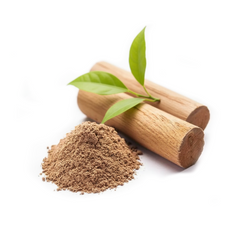
The iris note in perfumery is derived from the rhizomes of specific iris species, primarily Iris pallida (pale blue flowers, native to Tuscany), Iris germanica (deep purple, widely cultivated), and Iris florentina (white). The most esteemed orris is produced in Tuscany, Italy, particularly around Florence, where the climate and soil yield rhizomes with high irone content. Morocco and China are also significant producers, with Morocco supplying a substantial share of the global market. Annual global production of orris root is estimated at several hundred tons, but the yield of orris butter is extremely low—about 0.2–0.4% of the dried rhizome mass.
The extraction process is labor-intensive and time-consuming. After harvesting, rhizomes are peeled, washed, and dried for two to four years at controlled temperatures (typically 40°C) to allow the enzymatic conversion of odorless precursors into irones. The dried rhizomes are then ground and subjected to steam distillation or solvent extraction to produce orris butter (a solid, waxy material). High-grade orris butter contains 8–20% irones, which directly correlates with quality and price. The cost of natural orris butter can exceed $100,000 per kilogram, making it one of the most expensive perfumery ingredients—often more costly than gold by weight. Synthetic irone and ionone aroma chemicals, such as methyl ionone (CAS 127-51-5) and alpha-isomethyl ionone (CAS 127-51-5), are used to supplement or replace natural orris in many modern compositions, costing $50–$300 per kilogram.
Sustainability concerns include the slow regeneration of iris crops, the energy-intensive drying and extraction process, and the high land use per kilogram of extract. Some producers have adopted rapid artificial aging techniques and improved agricultural practices to reduce environmental impact. The rarity and cost of natural orris have led to increased reliance on synthetics for broader market accessibility.
Famous Fragrances That Define Iris Flower in Perfumery
Iris has played a pivotal role in perfumery for over a century, appearing in both classic and contemporary compositions. One of the earliest and most influential iris fragrances is Guerlain Après L’Ondée (1906, Jacques Guerlain), where iris and violet create a melancholic, powdery accord. Chanel No 19 (1971, Henri Robert) uses iris as a bridge note, pairing its powdery coolness with green galbanum and woody vetiver for a crisp, assertive signature. Serge Lutens Iris Silver Mist (1994, Maurice Roucel) is renowned for its high concentration of iris butter (4.5%), showcasing the rooty, cold, and ethereal aspects of the note.
In the 21st century, Prada Infusion d'Iris (2007, Daniela Andrier) brought iris to a new generation, blending it with citrus and woods for a luminous, modern effect. Dior Homme (2005, Olivier Polge) and its flanker Dior Homme Intense (2011, François Demachy) use iris as a dominant note, paired with cacao and leather for a contemporary, gender-neutral interpretation. Hermès Hiris (1999, Olivia Giacobetti) offers a watercolor-like, transparent take on iris, emphasizing its green and woody facets. These fragrances demonstrate the versatility of iris flower fragrance uses, from powdery and vintage to fresh and avant-garde. CA Perfume’s iris-inspired collection draws on this lineage, offering both classic and innovative interpretations of the note.
Natural vs Synthetic Iris Flower in Perfumery
Natural iris in perfumery is sourced from aged rhizomes, yielding orris butter with a complex profile dominated by irones (notably alpha-irone, beta-irone, and gamma-irone; CAS 570-67-0, 14901-07-6, 15356-70-4). These molecules provide the nuanced, powdery, woody, and creamy characteristics unique to high-grade iris. However, the extremely low yield (0.2–0.4%) and high labor costs make natural orris butter prohibitively expensive—often $50,000–$100,000 per kilogram for material with 15–20% irones.
To address cost and sustainability, perfumers frequently use synthetic aroma chemicals such as methyl ionone (CAS 127-51-5), alpha-isomethyl ionone (CAS 127-51-5), and irone isomers. These synthetics offer consistency, high purity, and improved diffusion and longevity compared to natural orris, though they lack the full depth and subtlety of the natural extract. Ionones, for example, provide a vivid violet-like, powdery effect but may miss the earthy, woody, and carrot-like undertones of natural iris. Many iconic fragrances, including Prada L'Homme and Dior Homme, use a blend of natural and synthetic iris materials to balance cost, performance, and olfactory complexity.
Synthetics are also favored for their lower environmental impact and reliable supply chain. The HumanSafe™ platform at CA Perfume ensures all iris materials—natural or synthetic—are transparently sourced and IFRA-compliant, with full traceability and allergen disclosure. While natural orris remains the gold standard for depth and complexity, modern perfumery relies on a combination of both forms to achieve desired effects, with synthetics enabling broader creative and commercial use.