Where Indian White Pepper Comes From — Origin & Extraction
Indian White Pepper is derived from the mature berries of Piper nigrum, a climbing vine native to the Malabar Coast of southwestern India. This region's tropical climate, with its high humidity and rich lateritic soils, fosters the development of the pepper's distinctive spicy and earthy aroma. Indian White Pepper is traditionally harvested by hand, with mature berries soaked in water to remove the outer pericarp before drying, a process that influences its smoother, less pungent scent compared to black pepper.
India remains a significant producer, with the Malabar region contributing a substantial share of the global white pepper market. The traditional methods of cultivation and processing, passed down through generations, impart unique aromatic qualities that distinguish Indian White Pepper from other origins such as Vietnam and Indonesia.
Extraction for perfumery primarily employs solvent extraction or supercritical CO2 extraction to obtain white pepper absolute. The CO2 method, conducted at controlled temperatures around 40-60°C, preserves volatile compounds like limonene and pinene, yielding a complex, true-to-nature aroma. Solvent extraction uses hexane or ethanol solvents to produce a rich absolute with yields typically around 1-3% by weight of raw material.
Natural Indian White Pepper absolute commands prices between $3,000 and $6,000 per kilogram, reflecting the labor-intensive harvesting and extraction processes. Synthetic substitutes, based on molecules such as rotundone (CAS 18123-70-3) and safranal analogues, offer cost-effective alternatives priced between $50 and $200 per kilogram. Sustainability considerations focus on maintaining traditional agricultural practices and minimizing environmental impact through responsible sourcing.
Famous Fragrances That Define Indian White Pepper in Perfumery
Indian White Pepper has been masterfully used in several notable fragrances that showcase its spicy, warm, and earthy character. Burner Perfume No 3: Inuus by Aether Arts Perfume (launch year not publicly documented) features Indian White Pepper as a foundational note, crafting fresh spicy, beeswax, balsamic, and warm spicy accords. This fragrance exemplifies the note's ability to provide a complex, inviting warmth that supports both fresh and rich elements.
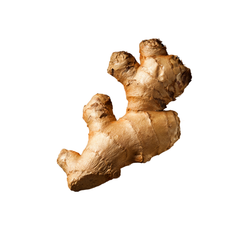
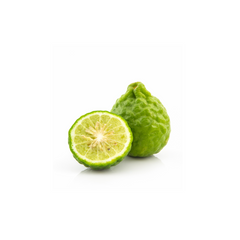
Other significant uses include Serge Dumonten's White Pepper (2019), where the note functions as a dominant spicy heart, paired with pink pepper, benzoin, and musk to create an oriental spicy profile. Yves Saint Laurent's L'Homme (2006) incorporates white pepper as an accent note, blending it with ginger, bergamot, and lemon to add a subtle spicy lift to a woody floral composition.
Phlur's Rose Whip (2020) uses white pepper as a supporting note, enhancing the floral and peppery facets alongside tangerine and pepper. Carolina Herrera's Bad Boy (2019) employs white pepper as an accent, complementing bergamot and pink pepper to enrich the oriental EDT.
These examples illustrate Indian White Pepper's versatility across fragrance families and its role in adding nuanced warmth and complexity. CA Perfume's collection reflects this lineage by incorporating Indian White Pepper in accords that balance spice with floral and woody elements.
Natural vs Synthetic Indian White Pepper in Perfumery
Natural Indian White Pepper absolute is extracted from Piper nigrum berries using solvent or supercritical CO2 extraction, capturing a complex profile of monoterpenes (limonene, α-pinene, β-pinene) and sesquiterpenes (β-caryophyllene). This natural absolute exhibits variable nuances depending on harvest and processing, offering depth and authenticity prized in luxury perfumery.
Synthetic alternatives focus on key aroma chemicals such as rotundone (CAS 18123-70-3), responsible for the characteristic peppery warmth, and safranal analogues that replicate the spicy, resinous facets. These synthetics provide greater consistency, enhanced longevity, and diffusion at lower cost, typically ranging from $50 to $200 per kilogram compared to $3,000–6,000/kg for natural absolute.
Famous fragrances employing natural Indian White Pepper include Burner Perfume No 3: Inuus by Aether Arts Perfume, where the natural absolute contributes to a nuanced spicy heart. Synthetic pepper notes are used in mass-market and niche perfumes seeking reliable performance and cost efficiency.
Sustainability and supply chain transparency are critical; the HumanSafe™ platform ensures ingredient traceability and safety compliance. CA Perfume prioritizes blends that balance natural authenticity with synthetic innovation to optimize safety, environmental impact, and olfactory excellence.