Ingredient Guide · White Floral
White Floral Family · Perfumery Note

Indian Tuberose

Explore the captivating allure of Indian Tuberose in perfumery.

Indian Tuberose, known for its rich, creamy, and floral aroma, serves as a prominent heart note in white floral compositions. Its complex scent profile, extraction methods, and notable uses in perfumery are explored in this guide.

Indian Tuberose
Ingredient Profile

Indian Tuberose

White Floral Family
Family White Floral
Note Position Heart Note
Key Origins India
The Ingredient

What does Indian Tuberose smell like and why is it significant in perfumery?

Indian Tuberose (Polianthes tuberosa) is a perennial plant native to India, celebrated for its rich, creamy, and floral aroma. Its scent profile is complex, featuring green, floral, lactonic, and narcotic facets, with nuances reminiscent of jasmine, gardenia, and orange blossom. The presence of compounds like butyric acid imparts a honeyed sweetness, while methyl salicylate adds a medicinal freshness akin to wintergreen. Lactones such as delta-nonalactone and jasmine lactone contribute to its creamy and tropical characteristics. Additionally, indolic and animalic notes emerge prominently at night, aligning with the flower's nocturnal pollination cycle. In perfumery, Indian Tuberose is predominantly used as a heart note, typically comprising 10–20% of the fragrance composition. Its interaction with skin chemistry can lead to variations in scent perception, often becoming more pronounced and complex over time. Notable fragrances that exemplify the use of Indian Tuberose include Robert Piguet's Fracas (1948), which showcases its rich and sensual representation, and Frederic Malle's Carnal Flower (2005), which offers a modern twist by pairing the flower’s creamy opulence with notes like eucalyptus.

3600
It takes approximately 3,600 kilograms of tuberose flowers to produce just half a kilogram of tuberose absolute, highlighting its rarity and value.
200
The essential oil of tuberose contains over 200 aromatic molecules, contributing to its complex scent profile.
8,000
Natural tuberose absolute can be priced around $8,000 per pound, making it one of the most expensive ingredients in perfumery.
Origin & Extraction

Where Indian Tuberose Comes From — Origin & Extraction

India, particularly the region of Tamil Nadu, is renowned for cultivating high-quality Indian Tuberose. The warm climate and fertile soil contribute to the plant's robust growth and the production of highly fragrant flowers. The flowers are harvested early in the morning, just as they open, to capture their full aromatic potential. The extraction process is labor-intensive, often involving solvent extraction methods to produce the tuberose absolute used in perfumery.

Indian Tuberose (Polianthes tuberosa) is native to India, particularly thriving in regions like Tamil Nadu. The plant is cultivated for its highly fragrant, waxy white flowers that bloom on tall spikes. The extraction of tuberose essence has evolved significantly over the centuries. Historically, perfumers employed the cold enfleurage technique, a labor-intensive process where flowers were placed on a greasy surface to absorb their scent, which was then extracted using solvents. This method, while effective, was time-consuming and costly. In modern perfumery, solvent extraction is the preferred method. The flowers are washed with a chemical solvent, typically hexane, which dissolves the aromatic compounds along with natural waxes. After further processing with alcohol, the result is an absolute—a dense, richly scented liquid. This method yields a higher concentration of fragrance and is more efficient than traditional enfleurage. The cost of natural tuberose absolute is significant, often around $8,000 per pound, making it one of the most expensive ingredients in perfumery. Due to its high cost and limited availability, many modern perfumes rely on synthetic tuberose accords or reconstructions created from aroma molecules. These synthetics are designed to mimic, enhance, or reinterpret the natural aroma, offering advantages such as greater stability, longevity, and sustainability. Synthetic versions can also provide a cleaner scent profile, with less of the animalic or indolic edge found in natural extracts. For example, synthetic tuberose bases like Tuberose Givco and Tuberose Fleur are frequently used to add tuberose’s signature lushness without the full weight or cost of the natural extract. ([mybestscent.com](https://mybestscent.com/tuberose-scent-in-perfumery-bold-exotic-and-unforgettable-white-floral/?utm_source=openai))

IN

India

Tamil Nadu, India, is renowned for cultivating high-quality Indian Tuberose. The warm climate and fertile soil contribute to the plant's robust growth and the production of highly fragrant flowers. The flowers are harvested early in the morning, just as they open, to capture their full aromatic potential. The extraction process is labor-intensive, often involving solvent extraction methods to produce the tuberose absolute used in perfumery.

Chemistry

Natural vs Synthetic Indian Tuberose in Perfumery

Natural Indian Tuberose absolute is a complex mixture of over 200 aromatic molecules, including benzyl benzoate, methyl anthranilate, and indole. These compounds contribute to its rich, creamy, and floral scent profile. However, the high cost and limited availability of natural tuberose have led to the development of synthetic alternatives. Synthetic tuberose accords are designed to replicate the natural aroma, offering greater stability, longevity, and a cleaner scent profile. For instance, synthetic bases like Tuberose Givco and Tuberose Fleur are commonly used in modern perfumery to achieve the lushness of tuberose without the expense and variability of natural extracts. The cost differential is significant: natural tuberose absolute can be priced around $8,000 per pound, while synthetic versions are more affordable. Sustainability considerations also play a role, as synthetic alternatives reduce the environmental impact associated with the cultivation and extraction of natural tuberose. In terms of performance, synthetic tuberose accords often offer greater stability and consistency, with less of the animalic or indolic edge found in natural extracts. This allows perfumers to have more control over the scent profile and longevity of the fragrance.

Natural
Indian Tuberose Absolute
Cost $3,000–6,000/kg
Method Solvent / CO₂
Character Complex, variable
vs
Synthetic
Safranal & Analogues
Cost $50–200/kg
Method Lab synthesis
Character Consistent, stable
Hall of Fame

Famous Fragrances That Define Indian Tuberose in Perfumery

Indian Tuberose has been a cornerstone in perfumery, inspiring numerous iconic fragrances. Here are some notable examples: 1. **Fracas by Robert Piguet (1948)** *Perfumer:* Germaine Cellier *Role:* Dominant note *Paired with:* Jasmine, iris, sandalwood *Description:* Fracas is renowned for its unapologetically rich and sensual representation of tuberose, capturing the flower's opulent and intoxicating essence. 2. **Carnal Flower by Frederic Malle (2005)** *Perfumer:* Dominique Ropion *Role:* Dominant note *Paired with:* Eucalyptus, ylang-ylang, coconut *Description:* Carnal Flower offers a modern twist by pairing the flower’s creamy opulence with notes like eucalyptus, creating a nuanced and contemporary interpretation. 3. **Tubereuse Criminelle by Serge Lutens (1999)** *Perfumer:* Christopher Sheldrake *Role:* Dominant note *Paired with:* Menthol, orange blossom, jasmine *Description:* Tubereuse Criminelle accentuates the provocative mentholated aspects of tuberose, showcasing the flower's versatile character. 4. **Goutal Tubéreuse by Annick Goutal (1983)** *Perfumer:* Annick Goutal *Role:* Dominant note *Paired with:* Jasmine, ylang-ylang, vanilla *Description:* Goutal Tubéreuse is a classic fragrance that highlights the creamy and floral facets of tuberose, creating a timeless and elegant composition. 5. **Chloé by Chloé (1975)** *Perfumer:* Michel Almairac *Role:* Supporting note *Paired with:* Rose, magnolia, cedarwood *Description:* Chloé incorporates tuberose as a supporting note, adding depth and complexity to the floral bouquet. These fragrances exemplify the diverse applications of Indian Tuberose in perfumery, from dominant to supporting roles, and its ability to pair harmoniously with various notes.

The Accord

How is a captivating Indian Tuberose accord crafted?

Creating a balanced Indian Tuberose accord involves blending complementary ingredients to highlight its rich, creamy, and floral characteristics. A typical formulation might include: - **Indian Tuberose Absolute (Polianthes tuberosa):** 30–35% of blend *Description:* Provides the dominant creamy, floral, and honeyed facets characteristic of tuberose. - **Jasmine Absolute (Jasminum grandiflorum):** 20–25% of blend *Description:* Enhances the floral complexity and adds a sweet, rich aroma that complements tuberose. - **Ylang-Ylang Essential Oil (Cananga odorata):** 15–20% of blend *Description:* Contributes a sweet, exotic floral note that adds depth and balances the richness of tuberose. - **Sandalwood Essential Oil (Santalum album):** 25–30% of blend *Description:* Acts as a base note, providing a creamy, woody foundation that anchors the floral notes and adds longevity to the accord. This blend results in a harmonious accord that captures the essence of Indian Tuberose, suitable for use in various fragrance compositions.

The Olfactory Layers

How Indian Tuberose Evolves on Skin

The olfactory experience of Indian Tuberose unfolds in distinct stages, each characterized by specific molecular components that influence the scent's evolution over time.

I
Top notes
0–15 min
Fresh Green Floral

Upon application, the fragrance presents a fresh, green, and slightly floral aroma, attributed to high-volatility compounds such as methyl anthranilate.

FreshGreenFloral
II
Heart notes
20–60 min
Creamy Honeyed Opulence

As the fragrance develops, the creamy, honeyed, and floral facets emerge, dominated by compounds like butyric acid and delta-nonalactone, creating a rich and opulent scent profile.

CreamyHoneyedOpulent
III
Base notes
Several hours
Deep Complex Animalic

In the dry-down phase, indolic and animalic notes surface, adding depth and complexity, with compounds such as indole contributing to a narcotic, slightly animalic depth.

DeepComplexAnimalic
TOP NOTES Fresh Green Floral 0–15 minutes HEART NOTES Creamy Honeyed Opulence 20–60 minutes BASE NOTES Deep Complex Animalic Several hours
Through the Ages

The Story of Indian Tuberose in Perfumery

Indian Tuberose has a rich history in perfumery, with its use evolving over centuries.

16th Century

Introduction to Europe and Asia

Indian Tuberose made its way to Europe and Asia via colonial trade routes, captivating perfumers with its powerful, intoxicating aroma.

17th Century

Cultivation in Grasse, France

Tuberose was cultivated in Grasse, France, where its lavish scent was extracted using the enfleurage technique.

1948

Fracas by Robert Piguet

The release of Fracas, a fragrance that showcases the rich and sensual representation of tuberose, became a benchmark in perfumery.

2005

Carnal Flower by Frederic Malle

Carnal Flower offered a modern twist by pairing the flower’s creamy opulence with notes like eucalyptus, creating a nuanced interpretation.

Present Day

Synthetic Alternatives

Due to the high cost and limited availability of natural tuberose, many modern perfumes rely on synthetic tuberose accords or reconstructions created from aroma molecules.

The Art of Layering

How to Layer Indian Tuberose

Layering Indian Tuberose with complementary notes can enhance its complexity and create a personalized fragrance experience.

01

Enhance Sweetness

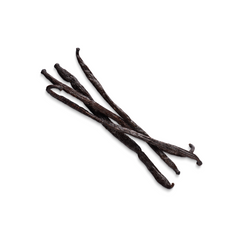
Combining Indian Tuberose with vanilla can soften its floral intensity, creating a warm and inviting scent. The vanillin in vanilla complements the creamy aspects of tuberose, resulting in a harmonious blend.

02

Add Depth

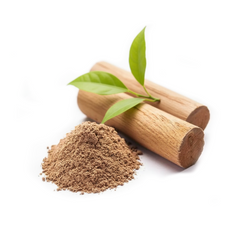
Pairing Indian Tuberose with sandalwood introduces a woody base that grounds the floral notes, adding depth and longevity to the fragrance. Santalol in sandalwood enhances the creamy facets of tuberose.

03

Lighten the Glow

Mixing Indian Tuberose with citrus notes like bergamot can brighten the fragrance, adding a fresh and zesty top note that balances the richness of tuberose. Limonene in bergamot provides a crisp contrast to the floral depth.

Wear It Right

How to Wear Indian Tuberose Like a Pro

Seasonal Guide

Fall & Winter

In cooler temperatures, the deep and animalic facets of Indian Tuberose become more prominent, adding warmth and depth to the fragrance. It's advisable to apply the perfume to pulse points to enhance diffusion.

Spring

As temperatures rise, the floral and creamy aspects of Indian Tuberose emerge, offering a fresh and elegant scent profile. Light application is recommended to maintain balance.

Summer

In hot weather, the fragrance can become overwhelming due to the intensified scent. Opting for lighter formulations or using the fragrance sparingly can prevent it from becoming too cloying.

Year-Round Tip

Regardless of the season, applying Indian Tuberose perfume to well-moisturized skin can enhance its longevity and projection.

Application Points

Strategic application of Indian Tuberose perfume can enhance its diffusion and longevity.

1

Neck

Applying perfume to the neck allows the fragrance to diffuse naturally with body heat, creating a subtle and intimate scent trail.

2

Behind the Ears

This area is less exposed to the sun, allowing the fragrance to develop slowly and last longer, providing a lingering scent.

3

Inner Wrists

The pulse points on the wrists emit heat, aiding in the diffusion of the fragrance, making it more noticeable to others.

4

Hair

Applying perfume to hair can result in a sustained release of the fragrance, as hair retains scent longer than skin.

★

Pro Tip

Avoid rubbing the fragrance into the skin, as this can break down the molecules and alter the scent.

Mood Architecture™

Top Indian Tuberose Fragrances by Mood Score

These Indian Tuberose-based fragrances scored highest on the MEI™ Mood Architecture Framework — measuring how a scent may influence your emotional state.

Highest MEI Score
My Wayne Intense — My Way Intense Alternative Perfume
6.5
MEI™
Primary Romantic
Secondary Confident
Confidence
5.66
Presence
6.0
Mood Lift
7.23
Identity
6.1
Warmth
8.17
Social Ease
6.58
Energy
2.95
" I am beautiful.
View full mood profile →
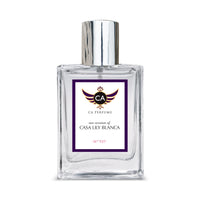
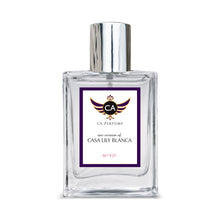
Casa Lily Blanca — Casablanca Lily Alternative Perfume
5.3
MEI™
Primary Serene
Secondary Romantic
Confidence
4.73
Presence
5.08
Mood Lift
6.12
Identity
4.95
Warmth
6.2
Social Ease
5.22
Energy
2.52
" I am at peace.
View full mood profile →
HumanSafe™

Top Indian Tuberose Fragrances by HumanSafe™ Score

These Indian Tuberose-based fragrances have the highest product-level HumanSafe™ scores in this ingredient collection.

Highest HumanSafe™ Score
My Wayne Intense — My Way Intense Alternative Perfume
A-
HumanSafe™ Score Generally Safe
Safest Evaluated Ingredients EDP
AQUA Solvent / Carrier ISS 10.0
AMBROXID Evaluated ingredient ISS 10.0
ACETIC ACID, PHENYLMETHYL ESTER Evaluated ingredient ISS 10.0
BENZYL SALICYLATE Evaluated ingredient ISS 9.0
7-OCTEN-2-OL, 2,6-DIMETHYL- Evaluated ingredient ISS 9.0
LINALOOL Evaluated ingredient ISS 7.0
View full safety profile →
Casa Lily Blanca — Casablanca Lily Alternative Perfume
A-
HumanSafe™ Score Generally Safe
Safest Evaluated Ingredients EDP
AQUA Solvent / Carrier ISS 10.0
1,4-DIOXACYCLOHEPTADECANE-5,17-DIONE Evaluated ingredient ISS 10.0
BENZYL SALICYLATE Evaluated ingredient ISS 9.0
AMBERKETAL Evaluated ingredient ISS 8.0
3-DECEN-5-OL, 4-METHYL- Evaluated ingredient ISS 8.0
2H-1-BENZOPYRAN-2-ONE Evaluated ingredient ISS 8.0
View full safety profile →
Expert Voices

What Masters Say About Indian Tuberose

“
Tuberose is considered the caviar of perfumery because of its price—around $8,000 a pound.
Frédéric Malle, perfumer
“
Tuberose is a mesmerizing white flower that holds a legendary status in the world of perfumery.
CA Perfume Editorial
Common Questions

Frequently Asked Questions

Frequently asked questions provide further insights into Indian Tuberose's role in perfumery.

Indian Tuberose imparts a rich, creamy, and floral aroma to perfumes, characterized by green, floral, lactonic, and narcotic facets.

Indian Tuberose is typically used as a heart note in fragrances, contributing to the middle phase of the scent's evolution.

Its complex and captivating aroma, along with its rarity and high cost, make Indian Tuberose a prized ingredient in niche perfumery.

Indian Tuberose pairs well with notes like jasmine, ylang-ylang, sandalwood, and vanilla, enhancing its floral and creamy facets.

In hot weather, the fragrance can become overwhelming due to the intensified scent. Opting for lighter formulations or using the fragrance sparingly can prevent it from becoming too cloying.

The longevity of an Indian Tuberose fragrance depends on its concentration and formulation, with Parfum versions lasting longer than Eau de Toilette.

Yes, layering Indian Tuberose with complementary notes like vanilla or sandalwood can enhance its complexity and create a personalized scent.

Fragrances like Fracas by Robert Piguet and Carnal Flower by Frederic Malle are excellent starting points to experience the essence of Indian Tuberose.

Consider the concentration, accompanying notes, and the fragrance's evolution over time to select an Indian Tuberose perfume that aligns with your preferences.

Indian Tuberose predominantly imparts a sweet, floral aroma with creamy and honeyed nuances, rather than a spicy scent.

White Floral Collection

Explore Our Top Indian Tuberose Fragrances

Discover a curated selection of perfumes that highlight the captivating essence of Indian Tuberose.

Shop all Indian Tuberose fragrances at CA Perfume →

Where Indian Tuberose Comes From — Origin & Extraction

Indian Tuberose (Polianthes tuberosa) is native to India, particularly thriving in regions like Tamil Nadu. The plant is cultivated for its highly fragrant, waxy white flowers that bloom on tall spikes. The extraction of tuberose essence has evolved significantly over the centuries. Historically, perfumers employed the cold enfleurage technique, a labor-intensive process where flowers were placed on a greasy surface to absorb their scent, which was then extracted using solvents. This method, while effective, was time-consuming and costly. In modern perfumery, solvent extraction is the preferred method. The flowers are washed with a chemical solvent, typically hexane, which dissolves the aromatic compounds along with natural waxes. After further processing with alcohol, the result is an absolute—a dense, richly scented liquid. This method yields a higher concentration of fragrance and is more efficient than traditional enfleurage. The cost of natural tuberose absolute is significant, often around $8,000 per pound, making it one of the most expensive ingredients in perfumery. Due to its high cost and limited availability, many modern perfumes rely on synthetic tuberose accords or reconstructions created from aroma molecules. These synthetics are designed to mimic, enhance, or reinterpret the natural aroma, offering advantages such as greater stability, longevity, and sustainability. Synthetic versions can also provide a cleaner scent profile, with less of the animalic or indolic edge found in natural extracts. For example, synthetic tuberose bases like Tuberose Givco and Tuberose Fleur are frequently used to add tuberose’s signature lushness without the full weight or cost of the natural extract. ([mybestscent.com](https://mybestscent.com/tuberose-scent-in-perfumery-bold-exotic-and-unforgettable-white-floral/?utm_source=openai))

Famous Fragrances That Define Indian Tuberose in Perfumery

Indian Tuberose has been a cornerstone in perfumery, inspiring numerous iconic fragrances. Here are some notable examples: 1. **Fracas by Robert Piguet (1948)** *Perfumer:* Germaine Cellier *Role:* Dominant note *Paired with:* Jasmine, iris, sandalwood *Description:* Fracas is renowned for its unapologetically rich and sensual representation of tuberose, capturing the flower's opulent and intoxicating essence. 2. **Carnal Flower by Frederic Malle (2005)** *Perfumer:* Dominique Ropion *Role:* Dominant note *Paired with:* Eucalyptus, ylang-ylang, coconut *Description:* Carnal Flower offers a modern twist by pairing the flower’s creamy opulence with notes like eucalyptus, creating a nuanced and contemporary interpretation. 3. **Tubereuse Criminelle by Serge Lutens (1999)** *Perfumer:* Christopher Sheldrake *Role:* Dominant note *Paired with:* Menthol, orange blossom, jasmine *Description:* Tubereuse Criminelle accentuates the provocative mentholated aspects of tuberose, showcasing the flower's versatile character. 4. **Goutal Tubéreuse by Annick Goutal (1983)** *Perfumer:* Annick Goutal *Role:* Dominant note *Paired with:* Jasmine, ylang-ylang, vanilla *Description:* Goutal Tubéreuse is a classic fragrance that highlights the creamy and floral facets of tuberose, creating a timeless and elegant composition. 5. **Chloé by Chloé (1975)** *Perfumer:* Michel Almairac *Role:* Supporting note *Paired with:* Rose, magnolia, cedarwood *Description:* Chloé incorporates tuberose as a supporting note, adding depth and complexity to the floral bouquet. These fragrances exemplify the diverse applications of Indian Tuberose in perfumery, from dominant to supporting roles, and its ability to pair harmoniously with various notes.

Natural vs Synthetic Indian Tuberose in Perfumery

Natural Indian Tuberose absolute is a complex mixture of over 200 aromatic molecules, including benzyl benzoate, methyl anthranilate, and indole. These compounds contribute to its rich, creamy, and floral scent profile. However, the high cost and limited availability of natural tuberose have led to the development of synthetic alternatives. Synthetic tuberose accords are designed to replicate the natural aroma, offering greater stability, longevity, and a cleaner scent profile. For instance, synthetic bases like Tuberose Givco and Tuberose Fleur are commonly used in modern perfumery to achieve the lushness of tuberose without the expense and variability of natural extracts. The cost differential is significant: natural tuberose absolute can be priced around $8,000 per pound, while synthetic versions are more affordable. Sustainability considerations also play a role, as synthetic alternatives reduce the environmental impact associated with the cultivation and extraction of natural tuberose. In terms of performance, synthetic tuberose accords often offer greater stability and consistency, with less of the animalic or indolic edge found in natural extracts. This allows perfumers to have more control over the scent profile and longevity of the fragrance.