Ingredient Guide · White Floral
White Floral Family · Perfumery Note

Indian Jasmine

A vibrant, indolic heart note with green and fruity nuances.

Indian Jasmine, primarily Jasminum sambac, is a cornerstone heart note in perfumery, prized for its green, fruity, and indolic character. Its absolute is used at 0.2–0.5% in fine fragrance, with methyl jasmonate and indole as key molecular contributors.

Indian Jasmine
Ingredient Profile

Indian Jasmine

White Floral Family
Family White Floral
Note Position Heart Note
Usage Level 0.2–0.5%
Key Origins India, Egypt, Morocco
Iconic In Jean Patou Joy, Chanel No. 5
The Ingredient

What does Indian Jasmine smell like and why is it revered in perfumery?

Indian Jasmine, most commonly Jasminum sambac (also called mogra or Madurai jasmine), is renowned in perfumery for its intensely green, fruity, and indolic scent profile. The primary odorants responsible for this complexity are indole (C8H7N), methyl jasmonate (C13H20O3), and benzyl acetate (C9H10O2). Indole imparts the animalic, narcotic undertone, while methyl jasmonate and benzyl acetate contribute to the fruity, sweet, and slightly herbal facets. The result is a multifaceted aroma that can oscillate between fresh, dewy green and heady, almost narcotic white floral. This complexity is why the question "what does Indian jasmine smell like" is so frequently explored by perfumers and enthusiasts alike. In perfumery, Indian jasmine is typically classified as a heart note, though its tenacity allows it to linger into the base. At concentrations of 0.2–0.5% in fine fragrance, Indian jasmine absolute provides both diffusion and depth. Its interaction with skin chemistry is notable: on warmer, more acidic skin, indolic and animalic facets are amplified, while on cooler or more alkaline skin, the green and fruity aspects are more pronounced. This adaptability makes Indian jasmine in perfumery a versatile and dynamic ingredient, able to bridge top citrus notes and deep, resinous bases. Indian jasmine’s signature can be found in a range of landmark fragrances. In Dior J’adore (1999, Calice Becker), Indian jasmine sambac is paired with ylang-ylang and rose to create a lush heart. Tom Ford Jasmin Rouge (2011, Rodrigo Flores-Roux) uses Indian jasmine absolute for its narcotic, spicy character, blending it with clary sage and spices. These examples illustrate how the "Indian jasmine scent profile" can define the central character of a composition or act as a complex supporting note.

1,000 kg
It takes approximately 1,000 kg of fresh Indian jasmine flowers to produce just 1 kg of concrete, reflecting the ingredient’s rarity and high cost.
0.2–0.5%
Typical concentration of Indian jasmine absolute in fine fragrance. Higher levels risk overwhelming the composition due to indole’s potency.
5–8 hours
Average longevity of Indian jasmine as a heart note in EDP or Parfum formats, with creamy, musky facets persisting into the base.
Origin & Extraction

Where Indian Jasmine Comes From — Origin & Extraction

The terroir of Indian jasmine is shaped by warm, humid climates and rich alluvial soils, which intensify green and fruity facets. Altitude, rainfall, and harvesting methods in each region yield distinct aromatic profiles.

Indian Jasmine refers primarily to Jasminum sambac, a species native to South and Southeast Asia and cultivated extensively in India, especially in Tamil Nadu (notably Madurai), Karnataka, and Andhra Pradesh. India is the world’s largest producer of jasmine sambac for perfumery, with annual production estimated at over 1,500 metric tons of fresh flowers, supplying more than 60% of the global market for sambac absolute. The flowers are hand-harvested at dawn, when their volatile content is highest, and must be processed within 12 hours to prevent degradation of key odorants like indole and methyl jasmonate. Extraction is performed almost exclusively via solvent extraction, typically using hexane. The process yields a jasmine concrete, which is then washed with ethanol to produce jasmine absolute. Yields are extremely low: approximately 1,000 kg of fresh flowers are required to produce 1 kg of concrete, and about 300–350 g of absolute. The extraction is conducted at ambient temperatures (20–30°C) to preserve the delicate aroma compounds. Cost is a major factor: Indian jasmine absolute can command $7,000–10,000 per kg, compared to $100–300 per kg for synthetic substitutes. Sustainability is a growing concern, with initiatives focusing on fair labor, reduced pesticide use, and improved yields through cultivar selection. Synthetic jasmine aroma chemicals, such as hedione (methyl dihydrojasmonate, CAS 24851-98-7), are increasingly used to supplement or replace natural absolute for cost and environmental reasons.

IN

India

Madurai, Tamil Nadu is renowned for its 'Madurai Malli' jasmine, prized for its high indole and methyl jasmonate content. The region’s red loamy soil, high humidity, and traditional hand-harvesting yield a uniquely green, narcotic profile. India supplies over 60% of global sambac absolute, with annual production exceeding 1,500 metric tons of flowers.

EG

Egypt

The Nile Delta, especially around Gharbia, produces Jasminum grandiflorum with a creamier, less indolic scent. Egyptian jasmine is often used to blend and soften Indian sambac, contributing to over 20% of global jasmine absolute supply.

MA

Morocco

Moroccan jasmine, grown in the El Kelaa des Sraghna region, is noted for its honeyed, fruity nuances and lower indole content. Morocco accounts for approximately 10% of global jasmine absolute production.

FR

France

Grasse, Provence, is famed for jasmine grandiflorum, with a delicate, fresh profile and subtle green notes. French jasmine is highly prized for luxury perfumery, though production is now limited to a few tons annually.

Chemistry

Natural vs Synthetic Indian Jasmine in Perfumery

Natural Indian jasmine absolute is a complex mixture containing over 100 aroma compounds, with indole (CAS 120-72-9), methyl jasmonate (CAS 39924-52-2), and benzyl acetate (CAS 140-11-4) as primary contributors. Synthetic jasmine notes are typically constructed using hedione (methyl dihydrojasmonate, CAS 24851-98-7), jasmone (CAS 488-10-8), and cis-jasmone (CAS 488-10-8), which provide the fresh, luminous, and green facets of jasmine but lack the full indolic and animalic complexity of the natural absolute. Performance-wise, synthetics offer greater stability, batch consistency, and are less likely to cause skin sensitization. Natural jasmine absolute, however, delivers a richer, more evolving scent profile and is prized in high-end and niche perfumery. Cost is a key differentiator: natural absolute can reach $7,000–10,000/kg, while hedione and related synthetics are available for $50–200/kg. Iconic fragrances such as Dior J’adore and Tom Ford Jasmin Rouge use natural Indian jasmine, while more mainstream or mass-market fragrances often rely on hedione and jasmone to replicate the effect. Sustainability and IFRA restrictions (typically 0.6% in finished product, Category 4) have driven the increased use of synthetics. The HumanSafe™ platform at CA Perfume ensures full traceability and allergen transparency, whether using natural or synthetic jasmine.

Natural
Indian Jasmine Absolute
Cost $3,000–6,000/kg
Method Solvent / CO₂
Character Complex, variable
vs
Synthetic
Safranal & Analogues
Cost $50–200/kg
Method Lab synthesis
Character Consistent, stable
Hall of Fame

Famous Fragrances That Define Indian Jasmine in Perfumery

1930
dominant note

Jean Patou Joy

Jean Patou
by Henri Alméras
roseylang-ylangmusk
1921
bridge note

Chanel No. 5

Chanel
by Ernest Beaux
aldehydesrosesandalwood
1999
heart note

Dior J’adore

Dior
by Calice Becker
ylang-ylangroseorchid
2011
dominant note

Tom Ford Jasmin Rouge

Tom Ford
by Rodrigo Flores-Roux
clary sagespicesamber
2015
dominant note

Moresque Jasminisha

Moresque
by Andrea Casotti
tuberoseylang-ylangmuskvanilla

Indian jasmine, particularly Jasminum sambac, has shaped the identity of numerous landmark fragrances. Jean Patou Joy (1930, Henri Alméras) famously used both Indian and French jasmine, creating an opulent floral heart paired with rose. Chanel No. 5 (1921, Ernest Beaux) utilizes jasmine absolute from Grasse and India, imparting its signature creamy, indolic warmth. Dior J’adore (1999, Calice Becker) places Indian jasmine sambac at the heart, blending it with ylang-ylang and rose for a luminous, modern floral. Tom Ford Jasmin Rouge (2011, Rodrigo Flores-Roux) leverages Indian jasmine’s spicy, narcotic facets, pairing it with clary sage and spices for a bold, sensual effect. Moresque Jasminisha (2015, Andrea Casotti) showcases Indian jasmine as the dominant note, surrounded by tuberose, ylang-ylang, and creamy musks. These compositions illustrate the versatility of Indian jasmine as a dominant note, bridge, or accent, often paired with rose, ylang-ylang, sandalwood, and vanilla. CA Perfume’s jasmine-forward collection draws inspiration from this lineage, offering both classic and contemporary interpretations.

The Accord

How is a captivating Indian Jasmine accord crafted?

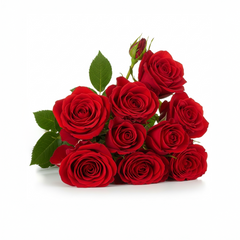
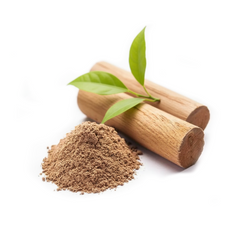
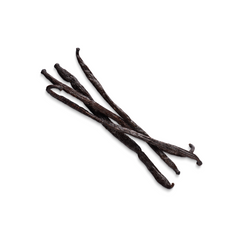
A classic Indian Jasmine accord balances 25–30% jasmine absolute (for green, indolic heart), 20–25% rose absolute (providing damascenone for floral lift), 20–25% sandalwood (for creamy, woody depth), and 25–30% vanilla (for sweetness and olfactory masking of indole). Each ingredient is chosen for its molecular synergy, creating a multidimensional, evolving floral profile.

30%

Indian Jasmine Absolute

25–30% of blend

Provides the green, fruity, and indolic core. Indole and methyl jasmonate ensure a narcotic, evolving heart.

25%

Rose Absolute

20–25% of blend

Rose’s damascenone bridges seamlessly with jasmine’s floral aldehydes, amplifying radiance and complexity.

25%

Sandalwood

20–25% of blend

Santalol molecules provide creamy, woody depth, stabilizing volatile jasmine top notes and extending longevity.

30%

Vanilla

25–30% of blend

Vanillin softens indolic sharpness and adds sweetness, increasing mass appeal and masking animalic facets.

The Olfactory Layers

How Indian Jasmine Evolves on Skin

Indian jasmine fragrances evolve from fresh, green top notes to a narcotic, indolic heart, and finally to a creamy, musky base. Volatility and molecular weight determine the olfactory transitions over time.

I
Top notes
0–15 min
Dewy Green Sparkle

The initial impression is fresh, green, and slightly fruity, dominated by methyl jasmonate and benzyl acetate, which are highly volatile and evaporate quickly. These molecules impart a dewy, almost citrusy brightness that fades as heavier indoles emerge.

GreenFruityFresh
II
Heart notes
20–60 min
Narcotic Floral Heart

As volatility decreases, indole and jasmone become prominent, delivering the narcotic, animalic, and intensely floral signature of Indian jasmine. This stage is lush, enveloping, and complex, with the absolute’s full spectrum on display.

IndolicNarcoticFloral
III
Base notes
Several hours
Creamy Musky Drydown

The drydown reveals creamy, musky, and powdery nuances, as sandalwood, vanillin, and residual indole persist. These heavier molecules provide lasting warmth and a subtle, skin-like finish.

CreamyMuskyPowdery
TOP NOTES Dewy Green Sparkle 0–15 minutes HEART NOTES Narcotic Floral Heart 20–60 minutes BASE NOTES Creamy Musky Drydown Several hours
Through the Ages

The Story of Indian Jasmine in Perfumery

Indian jasmine’s journey in perfumery spans ancient ritual, colonial trade, and modern fragrance innovation, with key milestones shaping its global significance.

Antiquity

Sacred Rituals in India

Jasminum sambac is cultivated in South India for religious offerings and Ayurvedic preparations. Garlands and attars are used in temples and royal courts.

17th Century

Introduction to Europe

Jasmine is introduced to Europe via trade routes from India and the Middle East, quickly becoming a prized ingredient in French perfumery, especially in Grasse.

1921

Chanel No. 5 Launch

Ernest Beaux incorporates Indian and French jasmine absolutes in Chanel No. 5, setting a new standard for floral-aldehydic compositions.

1930

Jean Patou Joy

Henri Alméras creates Joy, using vast quantities of Indian jasmine and rose, establishing the ingredient’s reputation for luxury and opulence.

1999

Dior J’adore Modernizes Jasmine

Calice Becker’s J’adore places Indian jasmine sambac at the heart, blending tradition with modernity and sparking renewed global demand.

2011

Tom Ford Jasmin Rouge

Rodrigo Flores-Roux crafts Jasmin Rouge, showcasing Indian jasmine’s spicy, indolic facets in a contemporary, genderless composition.

The Art of Layering

How to Layer Indian Jasmine

Understanding how to layer Indian jasmine requires attention to molecular compatibility. The interplay of indole, methyl jasmonate, and vanillin enables seamless blending with other notes, creating unique olfactory effects.

01

Enhance Sweetness

Layer Indian jasmine with vanilla or tonka bean. Vanillin and coumarin molecules mask indolic sharpness, creating a creamy, gourmand effect. This combination is exemplified in Guerlain Shalimar, where jasmine’s floralcy is softened by vanilla.

02

Add Depth

Pair with sandalwood or patchouli. Santalol and patchoulol molecules stabilize jasmine’s volatility, extending the musky drydown. Tom Ford Jasmin Rouge demonstrates how sandalwood amplifies jasmine’s creamy facets.

03

Lighten the Glow

Combine with citrus notes like bergamot or lemon. Limonene and citral molecules lift jasmine’s green top notes, enhancing freshness and transparency. Dior J’adore uses this technique for a luminous, radiant effect.

Wear It Right

How to Wear Indian Jasmine Like a Pro

Seasonal Guide

Fall & Winter

Cooler temperatures suppress volatility, allowing Indian jasmine’s creamy, musky base to linger. Apply to pulse points and under clothing for a warm, enveloping effect. Rich, indolic facets are more pronounced in dry air.

Spring

Moderate warmth and humidity enhance green and fruity top notes. Indian jasmine feels fresh and uplifting, ideal for daytime wear. Apply lightly to avoid overwhelming sillage.

Summer

Heat increases volatility, intensifying projection but shortening longevity. The scent opens with bright, green notes before rapidly evolving to a lighter, musky finish. Apply sparingly and reapply as needed.

Year-Round Tip

Layer Indian jasmine with sandalwood or vanilla in cooler months for depth, or with citrus in summer for freshness. Adjust application to pulse points for maximum effect in any climate.

Application Points

Strategic application enhances Indian jasmine’s evolution and projection. Target pulse points and areas with moderate warmth for optimal diffusion.

1

Neck

Pulse points on the neck provide gentle warmth, accelerating evaporation of green top notes and allowing the indolic heart to bloom.

2

Behind the Ears

This area retains fragrance well and is less exposed to air, prolonging the creamy, musky drydown of Indian jasmine.

3

Inner Wrists

Wrist warmth enhances projection, while frequent movement disperses the scent. Avoid rubbing, which can break down delicate aroma molecules.

4

Hair

Hair fibers trap volatile compounds, releasing Indian jasmine’s green and fruity notes gradually throughout the day.

Pro Tip

Layer Indian jasmine over unscented moisturizer to slow evaporation and intensify longevity, especially in dry or cold climates.

Mood Architecture™

Top Indian Jasmine Fragrances by Mood Score

These Indian Jasmine-based fragrances scored highest on the MEI™ Mood Architecture Framework — measuring how a scent may influence your emotional state.

Highest MEI Score
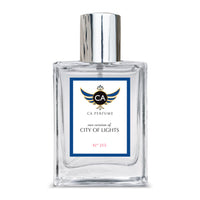
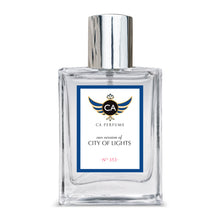
City Of Lights — Manhattan Alternative Perfume
8.17
MEI™
Primary Romantic
Secondary Confident
Confidence
7.48
Presence
8.12
Mood Lift
8.9
Identity
8.17
Warmth
9.5
Social Ease
7.97
Energy
4.0
" I am beautiful.
View full mood profile →
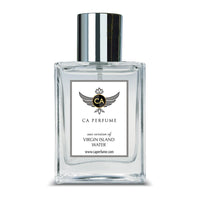
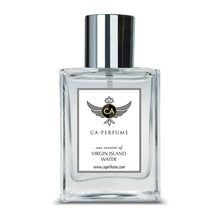
Virgin Island Water — Virgin Island Water Alternative Perfume
7.74
MEI™
Primary Romantic
Secondary Confident
Confidence
6.91
Presence
7.51
Mood Lift
8.67
Identity
7.35
Warmth
8.52
Social Ease
7.88
Energy
5.1
" I am beautiful.
View full mood profile →
My Wayne — My Way Alternative Perfume for Women
7.54
MEI™
Primary Fresh
Secondary Romantic
Confidence
6.48
Presence
6.95
Mood Lift
9.5
Identity
6.88
Warmth
7.54
Social Ease
7.89
Energy
3.0
" I am radiant.
View full mood profile →
Idolize Le Parfum — Idole Le Parfum Alternative Perfume
7.51
MEI™
Primary Fresh
Secondary Romantic
Confidence
6.56
Presence
6.65
Mood Lift
8.78
Identity
6.88
Warmth
7.82
Social Ease
8.44
Energy
3.3
" I am radiant.
View full mood profile →
HumanSafe™

Top Indian Jasmine Fragrances by HumanSafe™ Score

These Indian Jasmine-based fragrances have the highest product-level HumanSafe™ scores in this ingredient collection.

Highest HumanSafe™ Score
Virgin Island Water — Virgin Island Water Alternative Perfume
A-
HumanSafe™ Score Generally Safe
Safest Evaluated Ingredients EDP
AQUA Solvent / Carrier ISS 10.0
HEXYL SALICYLATE Evaluated ingredient ISS 9.0
BENZYL SALICYLATE Evaluated ingredient ISS 9.0
2-OXABICYCLO[2.2.2]OCTANE, 1,3,3-TRIMETHYL- Evaluated ingredient ISS 9.0
CITRAL Evaluated ingredient ISS 8.0
View full safety profile →
My Wayne — My Way Alternative Perfume for Women
A-
HumanSafe™ Score Generally Safe
Safest Evaluated Ingredients EDP
AQUA Solvent / Carrier ISS 10.0
ACETIC ACID, PHENYLMETHYL ESTER Evaluated ingredient ISS 10.0
1,4-DIOXACYCLOHEPTADECANE-5,17-DIONE Evaluated ingredient ISS 10.0
BENZYL SALICYLATE Evaluated ingredient ISS 9.0
BENZOIC ACID, 2-AMINO-, METHYL ESTER Evaluated ingredient ISS 9.0
View full safety profile →
Idolize Le Parfum — Idole Le Parfum Alternative Perfume
A-
HumanSafe™ Score Generally Safe
Safest Evaluated Ingredients EDP
AQUA Solvent / Carrier ISS 10.0
1,4-DIOXACYCLOHEPTADECANE-5,17-DIONE Evaluated ingredient ISS 10.0
BENZYL SALICYLATE Evaluated ingredient ISS 9.0
LINALYL ACETATE Evaluated ingredient ISS 7.0
LINALOOL Evaluated ingredient ISS 7.0
View full safety profile →
City Of Lights — Manhattan Alternative Perfume
A-
HumanSafe™ Score Generally Safe
Safest Evaluated Ingredients EDP
AQUA Solvent / Carrier ISS 10.0
3-CYCLOPENTENE-1-ACETALDEHYDE, 2,2,3-TRIMETHYL-, Evaluated ingredient ISS 9.0
3-BUTEN-2-ONE, 3-METHYL-4-(2,6,6-TRIMETHYL-2- Evaluated ingredient ISS 8.0
LINALYL ACETATE Evaluated ingredient ISS 7.0
ALCOHOL DENAT. Solvent / Carrier ISS 7.0
2-BUTEN-1-OL, 2-ETHYL-4-(2,2,3-TRIMETHYL-3- Evaluated ingredient ISS 7.0
View full safety profile →
Expert Voices

What Masters Say About Indian Jasmine

"Indian jasmine absolute opens with intensely sweet, narcotic white floral notes accompanied by distinctive fruity facets, evolving into a profoundly heady, solar heart with animalic indolic undertones."
CA Perfume Editorial
"Jasmine sambac is greener and less animalic than grandiflorum jasmine, lending fresh facets and subtle notes of orange blossom to luxury compositions."
CA Perfume Editorial
Common Questions

Frequently Asked Questions

Answers to the most common questions about Indian jasmine in perfumery.

Indian jasmine in perfume is green, fruity, and indolic, with a narcotic white floral heart. Its complexity comes from indole, methyl jasmonate, and benzyl acetate, which create a scent that is both fresh and animalic. The aroma evolves from dewy green top notes to a creamy, musky base. Notable fragrances like Dior J’adore and Tom Ford Jasmin Rouge showcase this multifaceted character.

Indian jasmine is primarily used as a heart (middle) note in fragrance pyramids, though its tenacity allows it to persist into the base. Its main aroma compounds, such as indole and methyl jasmonate, have moderate volatility, making it ideal for the heart of a composition. In some formulas, it can also act as a bridge between top citrus notes and deeper woody or musky bases.

Indian jasmine is favored in niche perfumery for its complex, evolving scent profile and its ability to add both radiance and depth. Its natural absolute contains over 100 aroma compounds, allowing perfumers to create multidimensional, signature compositions. The rarity and high cost of Indian jasmine absolute also contribute to its prestige in luxury and niche fragrances.

Indian jasmine fragrance uses often include pairing with rose (for damascenone synergy), sandalwood (for creamy depth), vanilla (for sweetness and olfactory masking), and citrus notes like bergamot or lemon (for freshness). These combinations are based on molecular compatibility and are seen in iconic fragrances like Chanel No. 5 and Guerlain Shalimar.

Indian jasmine’s green and fruity top notes make it suitable for summer, but its indolic heart can become intense in high heat due to increased volatility. For hot weather, lighter concentrations (EDT) or layering with citrus notes can enhance freshness and prevent the scent from becoming overwhelming.

Indian jasmine, when used as a heart note in EDP or Parfum, typically lasts 5–8 hours on skin. Its longevity is due to the persistence of indole and related compounds, which linger into the base. Oil-based formats can extend the creamy, musky drydown even further.

Yes, Indian jasmine is highly versatile for layering. It pairs well with vanilla, sandalwood, patchouli, and citrus notes. Layering works best when considering molecular compatibility—vanillin and santalol molecules, for example, can soften indolic sharpness and extend the creamy drydown.

For beginners, fragrances like Dior J’adore (Calice Becker, 1999), Tom Ford Jasmin Rouge (Rodrigo Flores-Roux, 2011), and The Body Shop Indian Night Jasmine offer approachable interpretations of Indian jasmine, balancing green, fruity, and creamy facets.

Explore CA Perfume’s jasmine-forward collection by considering your preferred scent profile—whether you favor green, fruity, or creamy interpretations. Sampling different concentrations (EDP vs Parfum) and layering with complementary notes can help you find the ideal jasmine experience.

Indian jasmine is traditionally associated with feminine fragrances due to its floral intensity, but its green, indolic, and musky facets make it suitable for unisex and even masculine compositions. Modern perfumery often uses jasmine as a central note in genderless fragrances, as seen in Tom Ford Jasmin Rouge and Byredo Flowerhead.

White Floral Collection

Explore Our Top Indian Jasmine Fragrances

Discover CA Perfume’s most popular Indian jasmine scents, curated for their complexity and versatility across all seasons and occasions.

Shop all indian jasmine fragrances at CA Perfume →

Where Indian Jasmine Comes From — Origin & Extraction

Indian Jasmine refers primarily to Jasminum sambac, a species native to South and Southeast Asia and cultivated extensively in India, especially in Tamil Nadu (notably Madurai), Karnataka, and Andhra Pradesh. India is the world’s largest producer of jasmine sambac for perfumery, with annual production estimated at over 1,500 metric tons of fresh flowers, supplying more than 60% of the global market for sambac absolute. The flowers are hand-harvested at dawn, when their volatile content is highest, and must be processed within 12 hours to prevent degradation of key odorants like indole and methyl jasmonate. Extraction is performed almost exclusively via solvent extraction, typically using hexane. The process yields a jasmine concrete, which is then washed with ethanol to produce jasmine absolute. Yields are extremely low: approximately 1,000 kg of fresh flowers are required to produce 1 kg of concrete, and about 300–350 g of absolute. The extraction is conducted at ambient temperatures (20–30°C) to preserve the delicate aroma compounds. Cost is a major factor: Indian jasmine absolute can command $7,000–10,000 per kg, compared to $100–300 per kg for synthetic substitutes. Sustainability is a growing concern, with initiatives focusing on fair labor, reduced pesticide use, and improved yields through cultivar selection. Synthetic jasmine aroma chemicals, such as hedione (methyl dihydrojasmonate, CAS 24851-98-7), are increasingly used to supplement or replace natural absolute for cost and environmental reasons.

Famous Fragrances That Define Indian Jasmine in Perfumery

Indian jasmine, particularly Jasminum sambac, has shaped the identity of numerous landmark fragrances. Jean Patou Joy (1930, Henri Alméras) famously used both Indian and French jasmine, creating an opulent floral heart paired with rose. Chanel No. 5 (1921, Ernest Beaux) utilizes jasmine absolute from Grasse and India, imparting its signature creamy, indolic warmth. Dior J’adore (1999, Calice Becker) places Indian jasmine sambac at the heart, blending it with ylang-ylang and rose for a luminous, modern floral. Tom Ford Jasmin Rouge (2011, Rodrigo Flores-Roux) leverages Indian jasmine’s spicy, narcotic facets, pairing it with clary sage and spices for a bold, sensual effect. Moresque Jasminisha (2015, Andrea Casotti) showcases Indian jasmine as the dominant note, surrounded by tuberose, ylang-ylang, and creamy musks. These compositions illustrate the versatility of Indian jasmine as a dominant note, bridge, or accent, often paired with rose, ylang-ylang, sandalwood, and vanilla. CA Perfume’s jasmine-forward collection draws inspiration from this lineage, offering both classic and contemporary interpretations.

Natural vs Synthetic Indian Jasmine in Perfumery

Natural Indian jasmine absolute is a complex mixture containing over 100 aroma compounds, with indole (CAS 120-72-9), methyl jasmonate (CAS 39924-52-2), and benzyl acetate (CAS 140-11-4) as primary contributors. Synthetic jasmine notes are typically constructed using hedione (methyl dihydrojasmonate, CAS 24851-98-7), jasmone (CAS 488-10-8), and cis-jasmone (CAS 488-10-8), which provide the fresh, luminous, and green facets of jasmine but lack the full indolic and animalic complexity of the natural absolute. Performance-wise, synthetics offer greater stability, batch consistency, and are less likely to cause skin sensitization. Natural jasmine absolute, however, delivers a richer, more evolving scent profile and is prized in high-end and niche perfumery. Cost is a key differentiator: natural absolute can reach $7,000–10,000/kg, while hedione and related synthetics are available for $50–200/kg. Iconic fragrances such as Dior J’adore and Tom Ford Jasmin Rouge use natural Indian jasmine, while more mainstream or mass-market fragrances often rely on hedione and jasmone to replicate the effect. Sustainability and IFRA restrictions (typically 0.6% in finished product, Category 4) have driven the increased use of synthetics. The HumanSafe™ platform at CA Perfume ensures full traceability and allergen transparency, whether using natural or synthetic jasmine.