Ingredient Guide · Floral Fruity
Floral Fruity Family · Perfumery Note

Hibiscus

A nuanced floral note with a tart, fruity twist.

In perfumery, hibiscus is a heart note, valued for its floral, fruity, and tangy character. The scent is typically recreated through accords, blending natural and synthetic materials to evoke the flower’s elusive aroma, often at concentrations below 2%.

Hibiscus
Ingredient Profile

Hibiscus

Floral Fruity Family
Family Floral Fruity
Note Position Heart Note
Usage Level <2%
Key Origins Egypt, India, Indonesia
Iconic In Hibiscus Mahajád, Hibiscus Abelmoschus
The Ingredient

What does Hibiscus smell like and why is it significant in perfumery?

Hibiscus in perfumery is defined by a delicate interplay of floral, fruity, and tangy notes. The actual Hibiscus rosa-sinensis flower is nearly scentless, so perfumers construct a hibiscus accord using aroma chemicals and natural isolates to evoke its imagined olfactory profile. This profile is characterized by sweet, slightly tart facets reminiscent of passion fruit, cranberry, and rose, with a subtle green undertone. Key molecules used in hibiscus accords include beta-ionone (violet/berry nuance), damascones (fruity-rose), and ethyl tiglate (fruity-tart). The result is a scent that is floral, fresh, and tropical, with a gentle musky backdrop. In perfumery, hibiscus is most often classified as a heart note, contributing to the mid-development of a fragrance. Typical usage concentrations range from 0.5% to 2% in the overall formula, depending on the desired intensity and the complexity of the accord. Hibiscus interacts with skin chemistry by amplifying its tart and fruity aspects on warmer, slightly acidic skin, while on drier or more alkaline skin, the floral and musky nuances become more prominent. This variability makes hibiscus a versatile note in both feminine and unisex compositions, especially in modern niche perfumery. Notable examples of hibiscus in perfumery include Maison Crivelli’s Hibiscus Mahajád (2021, Quentin Bisch), where hibiscus is paired with Damask rose, cassis, leather, and vanilla to create a vibrant, tropical-floral signature. Another example is Chloé Atelier des Fleurs Hibiscus Abelmoschus (2019, Domitille Michalon Bertier), which interprets hibiscus with white amber and musk, emphasizing its refined, airy qualities. These fragrances demonstrate the creative flexibility and technical artistry required to render hibiscus as a perfumery note.

<2%
Typical maximum concentration of hibiscus accord in fine fragrance formulas, ensuring balance without overpowering other notes.
4–6 Hours
Average longevity of hibiscus-centered Eau de Parfum, reflecting the volatility of key aroma molecules and the accord’s heart-note character.
$50–$200/kg
Approximate cost range for synthetic hibiscus accord materials, significantly lower than rare natural floral absolutes.
Origin & Extraction

Where Hibiscus Comes From — Origin & Extraction

The scent character of hibiscus-inspired accords is influenced by the tropical and subtropical regions where the flower is cultivated. Soil composition, humidity, and sunlight intensity affect the visual and chemical properties of hibiscus species, which in turn inspire the construction of fantasy accords in perfumery.

Hibiscus as a perfumery note is derived from several species in the Malvaceae family, most notably Hibiscus rosa-sinensis and Hibiscus sabdariffa. While the flowers themselves are nearly scentless, their visual and cultural impact has inspired perfumers to create hibiscus accords using both natural extracts and synthetic molecules. The botanical source for natural extracts is typically Hibiscus sabdariffa, cultivated primarily in Egypt, Sudan, and parts of Asia, with global production of dried flowers exceeding 300,000 metric tons annually (primarily for tea and food, not fragrance). Extraction of hibiscus for perfumery is rare and yields a faint, watery distillate via steam distillation or solvent extraction, with yields often below 0.05%. These extracts are used more for their color or antioxidant properties than for aroma. In fine fragrance, the hibiscus note is almost always constructed through blending. Key aroma chemicals include beta-ionone (CAS 14901-07-6), damascone isomers (CAS 23726-91-2), and ethyl tiglate (CAS 86-52-2), which together mimic the fruity, floral, and tart nuances associated with hibiscus. The cost of producing a hibiscus accord is significantly lower than that of rare floral absolutes, with synthetic components averaging $50–$200/kg, compared to $2,000+/kg for true floral absolutes. Sustainability is generally favorable, as the main materials are either widely cultivated or synthesized from renewable feedstocks. Synthetic hibiscus accords also avoid the environmental impact of large-scale flower harvesting. For ambrette seed (Abelmoschus moschatus), a related species, the seeds are harvested in India, Ecuador, and Indonesia, with an annual global yield of around 60 tons. Ambrette seed oil is extracted via solvent extraction or supercritical CO2, but its musky scent is distinct from the floral-fruity hibiscus flower accord.

EG

Egypt

The Nile Delta region is a major producer of Hibiscus sabdariffa, supplying over 40% of the world’s dried hibiscus flowers. The hot, arid climate and alluvial soils yield flowers with intense color and high anthocyanin content, prized for both culinary and cosmetic applications.

IN

India

Andhra Pradesh and West Bengal are key regions for hibiscus cultivation, especially for Abelmoschus moschatus (ambrette). The monsoon climate and loamy soils support robust growth, with India producing over 30% of global ambrette seed supply, valued for its musky scent.

ID

Indonesia

Java and Sumatra cultivate both Hibiscus rosa-sinensis and Abelmoschus moschatus. The humid, volcanic soils enhance seed oil yield and quality, with Indonesia exporting significant quantities of ambrette seed for fragrance and flavor industries.

SD

Sudan

The Kordofan region is renowned for its high-quality Hibiscus sabdariffa, with traditional sun-drying methods and sandy soils contributing to the flower’s vivid color and tart flavor. Sudan accounts for approximately 15% of global dried hibiscus exports.

Chemistry

Natural vs Synthetic Hibiscus in Perfumery

Because hibiscus flowers are nearly scentless, the hibiscus note in perfumery is almost entirely a fantasy accord built from synthetic and natural aroma molecules. Key synthetics include beta-ionone (CAS 14901-07-6), damascone isomers (CAS 23726-91-2), and ethyl tiglate (CAS 86-52-2). These molecules provide the violet-berry, fruity-rose, and tart-fruity nuances, respectively, that define the hibiscus scent profile. Synthetic hibiscus accords offer superior consistency, stability, and longevity compared to rare natural extracts, which are faint and unstable. Natural hibiscus extracts, when used, are typically derived from Hibiscus sabdariffa via aqueous or hydroalcoholic extraction, but these are valued more for color and antioxidant content than for scent. In contrast, synthetic accords can be precisely tuned for projection and sillage, and are widely used in both niche and designer fragrances. The cost differential is significant: synthetic hibiscus accord materials average $50–$200/kg, while natural floral absolutes can exceed $2,000/kg. Notable fragrances using synthetic hibiscus accords include Maison Crivelli Hibiscus Mahajád and Chloé Atelier des Fleurs Hibiscus Abelmoschus. From a sustainability perspective, synthetic hibiscus accords reduce pressure on wild or cultivated flower resources and are generally HumanSafe™ verified for transparency and safety. CA Perfume’s approach prioritizes traceable, IFRA-compliant synthetics for both performance and environmental responsibility.

Natural
Hibiscus Absolute
Cost $3,000–6,000/kg
Method Solvent / CO₂
Character Complex, variable
vs
Synthetic
Safranal & Analogues
Cost $50–200/kg
Method Lab synthesis
Character Consistent, stable
Hall of Fame

Famous Fragrances That Define Hibiscus in Perfumery

2021
dominant note

Hibiscus Mahajád

Maison Crivelli
by Quentin Bisch
Damask rosecassisleathervanilla
2019
dominant note

Hibiscus Abelmoschus

Chloé Atelier des Fleurs
by Domitille Michalon Bertier
white ambermusk
2018
bridge note

Hibiscus Palm

Aerin
by Honorine Blanc
ylang-ylanggingertiare flowerfrangipani
2017
accent

L’Eau

Jimmy Choo
by Juliette Karagueuzoglou
peonynectarinemusk
2007
accent

Sunset Heat for Men

Escada
by Philippe Romano
star fruitfloralscitrus

Hibiscus, though a fantasy note, has become increasingly prominent in contemporary perfumery, especially in tropical, floral, and fruity compositions. Maison Crivelli’s Hibiscus Mahajád (2021, Quentin Bisch) is a landmark fragrance, featuring hibiscus as the dominant note, supported by Damask rose, cassis, leather, and vanilla. The result is a vibrant, tropical-floral scent with a musky, leathery undertone. Chloé Atelier des Fleurs Hibiscus Abelmoschus (2019, Domitille Michalon Bertier) interprets hibiscus with white amber and musk, emphasizing its refined, airy qualities and modern floral character. Aerin Hibiscus Palm (2018, Honorine Blanc) blends hibiscus with ylang-ylang, ginger, and tiare flower, creating a lush, sun-drenched floral bouquet. Jimmy Choo L’Eau (2017, Juliette Karagueuzoglou) pairs hibiscus with peony, nectarine, and musk for a fresh, feminine take. Escada Sunset Heat for Men (2007, Philippe Romano) uses a hibiscus accord to evoke a tropical fruit punch effect, blending star fruit, florals, and citrus for a youthful, summery fragrance. These fragrances demonstrate hibiscus’s versatility as a bridge note, dominant heart, or accent, often paired with rose, vanilla, musk, and tropical fruits. CA Perfume’s collection draws inspiration from this lineage, offering hibiscus-centered compositions that reflect both classic and modern interpretations.

The Accord

How is a captivating Hibiscus accord crafted?

A hibiscus accord is typically constructed from 25–30% beta-ionone (for violet-berry nuance), 20–25% damascone isomers (fruity-rose), 25–30% ethyl tiglate (tart, fruity), and 20–25% rose absolute or rose oxide (to reinforce the floral core). Beta-ionone and damascones provide the fruity-floral backbone, while ethyl tiglate adds tanginess. Rose materials bridge the accord to classic floral structures.

30%

Beta-Ionone

25–30% of blend

Beta-ionone imparts a violet-berry nuance, essential for the fruity-floral backbone of the hibiscus accord. Its molecular structure mimics the subtle sweetness and depth found in hibiscus-inspired scents.

25%

Damascone Isomers

20–25% of blend

Damascone isomers provide the fruity-rose aspect, enhancing the floral core and contributing to the accord’s complexity and longevity through their high impact at low concentrations.

30%

Ethyl Tiglate

25–30% of blend

Ethyl tiglate delivers a tart, fruity note reminiscent of passion fruit and cranberry, giving the hibiscus accord its signature tangy freshness and tropical character.

25%

Rose Absolute or Rose Oxide

20–25% of blend

Rose absolute or rose oxide reinforces the floral heart, providing a molecular bridge to classic floral notes and supporting the accord’s overall structure and diffusion.

The Olfactory Layers

How Hibiscus Evolves on Skin

Hibiscus-inspired fragrances open with a burst of tart, fruity-floral notes driven by high-volatility molecules like ethyl tiglate and beta-ionone, evolving into a lush floral heart and settling into a soft, musky base. The olfactory evolution is shaped by the volatility and evaporation rates of these key compounds.

I
Top notes
0–15 min
Tart Floral Burst

The initial impression is bright, tart, and fruity, dominated by ethyl tiglate and beta-ionone. These high-volatility molecules evaporate quickly, creating a sensation of passion fruit, cranberry, and fresh-cut florals. The opening is lively and refreshing, setting the stage for the heart.

tartfruityfresh
II
Heart notes
20–60 min
Lush Tropical Heart

As the top notes dissipate, damascone isomers and rose oxide emerge, deepening the floral character and introducing a subtle sweetness. The heart is lush, with a balance of fruity and floral facets, and a gentle green undertone. These molecules are moderately volatile, providing lasting diffusion.

florallushsweet
III
Base notes
Several hours
Soft Musky Drydown

The drydown features soft musky and woody nuances, often supported by ambrette seed or synthetic musks. These high molecular weight compounds have low volatility, ensuring a lingering, skin-like finish that anchors the hibiscus accord and enhances its wearability.

muskywoodysoft
TOP NOTES Tart Floral Burst 0–15 minutes HEART NOTES Lush Tropical Heart 20–60 minutes BASE NOTES Soft Musky Drydown Several hours
Through the Ages

The Story of Hibiscus in Perfumery

Hibiscus’s journey in perfumery spans from ancient ritual use to its modern role as a constructed fantasy note in niche and designer fragrances.

Ancient Egypt

Ritual and Medicinal Use

Hibiscus flowers were used in ancient Egypt for their supposed aphrodisiac and medicinal properties, often in hair perfumes and ceremonial infusions. The tart scent of dried hibiscus (karkadé) became a staple in Egyptian culture.

Middle Ages

Introduction to Europe

Arab traders introduced hibiscus to Europe, where it was cultivated in royal gardens for its ornamental value and used in early perfumed waters and cosmetics.

19th Century

Emergence of Synthetic Floral Accords

Advances in organic chemistry enabled the synthesis of key floral and fruity aroma molecules, allowing perfumers to construct fantasy notes like hibiscus for the first time.

2007

Escada Sunset Heat for Men Launch

Philippe Romano’s Escada Sunset Heat for Men introduced a hibiscus accord as a central theme, blending tropical fruits and florals for a modern, youthful fragrance.

2021

Maison Crivelli Hibiscus Mahajád Release

Quentin Bisch’s Hibiscus Mahajád elevated the hibiscus accord to a dominant role, showcasing its potential as a complex, multifaceted heart note in contemporary niche perfumery.

The Art of Layering

How to Layer Hibiscus

Understanding how to layer hibiscus is key to customizing its scent profile. Layering at a molecular level allows for olfactory synergy, enhancing or muting specific facets of the accord.

01

Enhance Sweetness

Layering hibiscus with vanilla or tonka bean introduces vanillin and coumarin, which mask tart top notes and round out the accord’s edges. This combination is exemplified in Aerin Hibiscus Palm, where vanilla softens the tropical floral core.

02

Add Depth

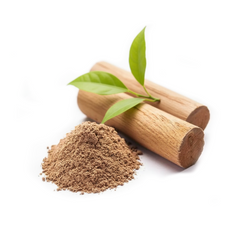
Pairing hibiscus with woody notes such as sandalwood or cedar introduces lactones and sesquiterpenes, which anchor the accord and extend its longevity. Maison Crivelli Hibiscus Mahajád demonstrates this effect with its leather and woody base.

03

Brighten the Profile

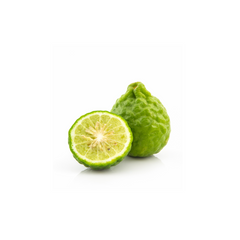
Combining hibiscus with citrus or green notes (e.g., bergamot, petitgrain) enhances the accord’s freshness via shared aldehydes and terpenes. Jimmy Choo L’Eau layers hibiscus with nectarine and peony for a sparkling, airy effect.

Wear It Right

How to Wear Hibiscus Like a Pro

Seasonal Guide

Fall & Winter

In cooler temperatures, hibiscus’s fruity-floral notes are subdued, allowing musky and woody facets to emerge. Apply to pulse points under clothing to enhance warmth and diffusion, and consider layering with amber or vanilla for added depth.

Spring

Spring’s moderate temperatures highlight hibiscus’s fresh, dewy qualities. Pair with green or citrus notes to accentuate the accord’s vibrancy, and apply lightly to avoid overwhelming delicate spring scents.

Summer

Heat increases the volatility of hibiscus’s top notes, amplifying its tart, tropical character. Apply sparingly to exposed skin for maximum projection, and consider layering with coconut, tiare, or aquatic notes for a beach-ready effect.

Year-Round Tip

For consistent performance, apply hibiscus fragrances to well-moisturized skin and experiment with layering techniques to adapt the accord to seasonal changes in temperature and humidity.

Application Points

Strategic application of hibiscus fragrances maximizes their dynamic evolution and projection.

1

Neck

Applying to the neck leverages body heat to accelerate the evaporation of top notes, intensifying the tart-fruity opening and enhancing early projection.

2

Behind the Ears

This area maintains a stable temperature, allowing the floral heart of hibiscus to develop gradually and linger, especially in close encounters.

3

Inner Wrists

Pulse points on the wrists amplify the accord’s evolution, with frequent movement aiding diffusion and allowing for easy reapplication throughout the day.

4

Hair

Spraying on hair provides a sustained, subtle release of hibiscus’s musky and floral facets, as the scent molecules are gradually released with movement.

Pro Tip

Layer hibiscus fragrances over unscented moisturizer to enhance longevity and diffusion, and experiment with layering on clothing for a more pronounced sillage.

Mood Architecture™

Top Hibiscus Fragrances by Mood Score

These Hibiscus-based fragrances scored highest on the MEI™ Mood Architecture Framework — measuring how a scent may influence your emotional state.

Highest MEI Score
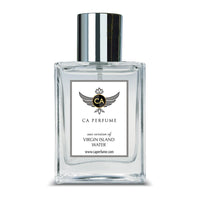
Virgin Island Water — Virgin Island Water Alternative Perfume
7.74
MEI™
Primary Romantic
Secondary Confident
Confidence
6.91
Presence
7.51
Mood Lift
8.67
Identity
7.35
Warmth
8.52
Social Ease
7.88
Energy
5.1
" I am beautiful.
View full mood profile →
Hazy Velvet — Velvet Haze Alternative Perfume
7.42
MEI™
Primary Romantic
Secondary Confident
Confidence
6.98
Presence
7.52
Mood Lift
7.74
Identity
7.82
Warmth
8.71
Social Ease
7.22
Energy
3.4
" I am beautiful.
View full mood profile →
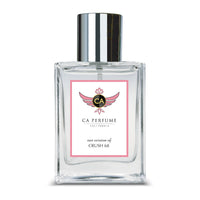
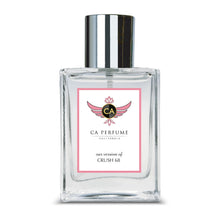
Crush 68 — Cheriosa 68 Alternative Perfume
7.36
MEI™
Primary Fresh
Secondary Romantic
Confidence
6.44
Presence
6.57
Mood Lift
8.61
Identity
6.4
Warmth
7.78
Social Ease
8.1
Energy
3.8
" I am radiant.
View full mood profile →
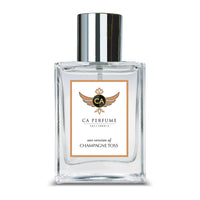
Champagne Toss — Champagne Toast Alternative Perfume
6.77
MEI™
Primary Fresh
Secondary Romantic
Confidence
5.83
Presence
5.45
Mood Lift
8.24
Identity
5.34
Warmth
7.15
Social Ease
7.46
Energy
4.8
" I am radiant.
View full mood profile →
HumanSafe™

Top Hibiscus Fragrances by HumanSafe™ Score

These Hibiscus-based fragrances have the highest product-level HumanSafe™ scores in this ingredient collection.

Highest HumanSafe™ Score
Virgin Island Water — Virgin Island Water Alternative Perfume
A-
HumanSafe™ Score Generally Safe
Safest Evaluated Ingredients EDP
AQUA Solvent / Carrier ISS 10.0
HEXYL SALICYLATE Evaluated ingredient ISS 9.0
BENZYL SALICYLATE Evaluated ingredient ISS 9.0
2-OXABICYCLO[2.2.2]OCTANE, 1,3,3-TRIMETHYL- Evaluated ingredient ISS 9.0
CITRAL Evaluated ingredient ISS 8.0
View full safety profile →
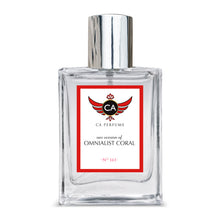
Omnialist Coral — Omnia Coral Alternative Perfume
A-
HumanSafe™ Score Generally Safe
Safest Evaluated Ingredients EDP
AQUA Solvent / Carrier ISS 10.0
1,4-DIOXACYCLOHEPTADECANE-5,17-DIONE Evaluated ingredient ISS 10.0
4H-INDEN-4-ONE, 1,2,3,5,6,7-HEXAHYDRO-1,1,2,3,3- Evaluated ingredient ISS 9.0
3-BUTEN-2-ONE, 3-METHYL-4-(2,6,6-TRIMETHYL-2- Evaluated ingredient ISS 8.0
LINALYL ACETATE Evaluated ingredient ISS 7.0
LINALOOL Evaluated ingredient ISS 7.0
View full safety profile →
Hazy Velvet — Velvet Haze Alternative Perfume
A-
HumanSafe™ Score Generally Safe
Safest Evaluated Ingredients EDP
AQUA Solvent / Carrier ISS 10.0
AMBROXID Evaluated ingredient ISS 10.0
BENZYL SALICYLATE Evaluated ingredient ISS 9.0
ALCOHOL DENAT. Solvent / Carrier ISS 7.0
2,6-DI-TERT-BUTYL-P-CRESOL Evaluated ingredient ISS 7.0
View full safety profile →
Crush 68 — Cheriosa 68 Alternative Perfume
A-
HumanSafe™ Score Generally Safe
Safest Evaluated Ingredients EDP
AQUA Solvent / Carrier ISS 10.0
2H-1-BENZOPYRAN-6-OL, 3,4-DIHYDRO-2,5,7,8-TETRAMETHYL- Evaluated ingredient ISS 8.0
BENZOIC ACID, 2,4-DIHYDROXY-3,6-DIMETHYL-, METHYL ESTER Evaluated ingredient ISS 7.0
ALCOHOL DENAT. Solvent / Carrier ISS 7.0
1-[(2-TERT-BUTYL)CYCLOHEXYLOXY]-2-BUTANOL Evaluated ingredient ISS 7.0
ETHANONE, 1-(1,2,3,4,5,6,7,8-OCTAHYDRO-2,3,8,8- Evaluated ingredient ISS 6.6
View full safety profile →
Expert Voices

What Masters Say About Hibiscus

"Hibiscus perfume is recreated from accords to faithfully reproduce the characteristic scent of this flower. Hibiscus is a delicate and complex flower with floral, slightly sweet, and sometimes slightly tangy notes."
Bon Parfumeur Editorial
Because hibiscus flowers are nearly scentless, perfumers rely on a blend of aroma molecules—such as beta-ionone and damascones—to construct the vibrant, tropical-floral profile associated with the note.
CA Perfume Editorial
Common Questions

Frequently Asked Questions

Answers to common questions about hibiscus as a perfume note.

In perfume, hibiscus is a constructed note that smells floral, fruity, and tangy, with nuances of passion fruit, cranberry, and rose. The scent profile is achieved through a blend of synthetic and natural aroma molecules, as the actual flower is nearly scentless. Notable fragrances such as Maison Crivelli Hibiscus Mahajád and Chloé Atelier des Fleurs Hibiscus Abelmoschus showcase this vibrant, tropical-floral character.

Hibiscus is most commonly used as a heart (middle) note in fragrance compositions. Its moderate volatility and balanced floral-fruity profile allow it to bridge the transition between bright top notes and deeper base notes, providing complexity and longevity to the scent.

Hibiscus is favored in niche perfumery for its versatility and the creative freedom it offers. As a fantasy note, it allows perfumers to experiment with unique combinations of floral, fruity, and tangy accords, resulting in modern, tropical-inspired fragrances that stand out in the market.

Hibiscus fragrance uses often involve pairing with rose, vanilla, musk, and tropical fruits. These notes share molecular affinities—such as damascones and vanillin—that create harmonious blends, enhancing the floral and fruity facets of the hibiscus accord.

Yes, hibiscus perfumes are well-suited for summer and hot climates due to their bright, refreshing, and tropical character. The volatility of key aroma molecules ensures lively projection, while the floral-fruity profile complements warm, humid environments.

A hibiscus-centered Eau de Parfum typically lasts 4–6 hours on skin, depending on concentration and individual skin chemistry. The longevity is influenced by the volatility of the accord’s main molecules and the presence of fixatives such as musks or woody notes.

Yes, hibiscus can be layered with a variety of notes, including vanilla, sandalwood, and citrus, to customize its scent profile. Layering enhances specific facets—such as sweetness, depth, or freshness—allowing for a personalized olfactory experience.

Recommended entry points include Chloé Atelier des Fleurs Hibiscus Abelmoschus for a refined floral interpretation, and Aerin Hibiscus Palm for a lush, tropical bouquet. These fragrances offer accessible, well-balanced hibiscus accords suitable for daily wear.

Explore CA Perfume’s hibiscus collection by sampling different concentrations and accord styles. Consider your preferred balance of floral, fruity, and musky notes, and consult the scent profile descriptions to find a fragrance that matches your taste and seasonal needs.

Hibiscus in fragrance is typically both sweet and tangy. The accord balances fruity sweetness (from molecules like beta-ionone and damascones) with a tart, cranberry-like freshness (from ethyl tiglate), resulting in a dynamic, multidimensional scent.

Floral Fruity Collection

Explore Our Top Hibiscus Fragrances

Discover CA Perfume’s curated selection of hibiscus-inspired scents, each crafted to showcase the note’s floral, fruity, and tropical facets.

Shop all hibiscus fragrances at CA Perfume →

Where Hibiscus Comes From — Origin & Extraction

Hibiscus as a perfumery note is derived from several species in the Malvaceae family, most notably Hibiscus rosa-sinensis and Hibiscus sabdariffa. While the flowers themselves are nearly scentless, their visual and cultural impact has inspired perfumers to create hibiscus accords using both natural extracts and synthetic molecules. The botanical source for natural extracts is typically Hibiscus sabdariffa, cultivated primarily in Egypt, Sudan, and parts of Asia, with global production of dried flowers exceeding 300,000 metric tons annually (primarily for tea and food, not fragrance). Extraction of hibiscus for perfumery is rare and yields a faint, watery distillate via steam distillation or solvent extraction, with yields often below 0.05%. These extracts are used more for their color or antioxidant properties than for aroma. In fine fragrance, the hibiscus note is almost always constructed through blending. Key aroma chemicals include beta-ionone (CAS 14901-07-6), damascone isomers (CAS 23726-91-2), and ethyl tiglate (CAS 86-52-2), which together mimic the fruity, floral, and tart nuances associated with hibiscus. The cost of producing a hibiscus accord is significantly lower than that of rare floral absolutes, with synthetic components averaging $50–$200/kg, compared to $2,000+/kg for true floral absolutes. Sustainability is generally favorable, as the main materials are either widely cultivated or synthesized from renewable feedstocks. Synthetic hibiscus accords also avoid the environmental impact of large-scale flower harvesting. For ambrette seed (Abelmoschus moschatus), a related species, the seeds are harvested in India, Ecuador, and Indonesia, with an annual global yield of around 60 tons. Ambrette seed oil is extracted via solvent extraction or supercritical CO2, but its musky scent is distinct from the floral-fruity hibiscus flower accord.

Famous Fragrances That Define Hibiscus in Perfumery

Hibiscus, though a fantasy note, has become increasingly prominent in contemporary perfumery, especially in tropical, floral, and fruity compositions. Maison Crivelli’s Hibiscus Mahajád (2021, Quentin Bisch) is a landmark fragrance, featuring hibiscus as the dominant note, supported by Damask rose, cassis, leather, and vanilla. The result is a vibrant, tropical-floral scent with a musky, leathery undertone. Chloé Atelier des Fleurs Hibiscus Abelmoschus (2019, Domitille Michalon Bertier) interprets hibiscus with white amber and musk, emphasizing its refined, airy qualities and modern floral character. Aerin Hibiscus Palm (2018, Honorine Blanc) blends hibiscus with ylang-ylang, ginger, and tiare flower, creating a lush, sun-drenched floral bouquet. Jimmy Choo L’Eau (2017, Juliette Karagueuzoglou) pairs hibiscus with peony, nectarine, and musk for a fresh, feminine take. Escada Sunset Heat for Men (2007, Philippe Romano) uses a hibiscus accord to evoke a tropical fruit punch effect, blending star fruit, florals, and citrus for a youthful, summery fragrance. These fragrances demonstrate hibiscus’s versatility as a bridge note, dominant heart, or accent, often paired with rose, vanilla, musk, and tropical fruits. CA Perfume’s collection draws inspiration from this lineage, offering hibiscus-centered compositions that reflect both classic and modern interpretations.

Natural vs Synthetic Hibiscus in Perfumery

Because hibiscus flowers are nearly scentless, the hibiscus note in perfumery is almost entirely a fantasy accord built from synthetic and natural aroma molecules. Key synthetics include beta-ionone (CAS 14901-07-6), damascone isomers (CAS 23726-91-2), and ethyl tiglate (CAS 86-52-2). These molecules provide the violet-berry, fruity-rose, and tart-fruity nuances, respectively, that define the hibiscus scent profile. Synthetic hibiscus accords offer superior consistency, stability, and longevity compared to rare natural extracts, which are faint and unstable. Natural hibiscus extracts, when used, are typically derived from Hibiscus sabdariffa via aqueous or hydroalcoholic extraction, but these are valued more for color and antioxidant content than for scent. In contrast, synthetic accords can be precisely tuned for projection and sillage, and are widely used in both niche and designer fragrances. The cost differential is significant: synthetic hibiscus accord materials average $50–$200/kg, while natural floral absolutes can exceed $2,000/kg. Notable fragrances using synthetic hibiscus accords include Maison Crivelli Hibiscus Mahajád and Chloé Atelier des Fleurs Hibiscus Abelmoschus. From a sustainability perspective, synthetic hibiscus accords reduce pressure on wild or cultivated flower resources and are generally HumanSafe™ verified for transparency and safety. CA Perfume’s approach prioritizes traceable, IFRA-compliant synthetics for both performance and environmental responsibility.