Where Hazelnut Comes From — Origin & Extraction
Hazelnut used in perfumery is derived from the nuts of Corylus avellana and Corylus maxima, members of the Betulaceae family. The primary producing countries for edible hazelnuts are Turkey (accounting for approximately 65% of global production, with over 600,000 metric tons annually), Italy, and the United States (notably Oregon’s Willamette Valley). However, the direct use of natural hazelnut essence in fine fragrance is limited due to the low volatility and subtlety of cold-pressed hazelnut oil, which is more suitable as a cosmetic carrier than a perfumery ingredient.
Extraction methods for hazelnut aroma compounds include cold-pressing for oil and supercritical CO2 extraction for capturing volatile fractions. CO2 extraction yields a more concentrated aromatic profile but remains rare and costly, with yields typically below 0.1%. Solvent extraction (using hexane or ethanol) can produce hazelnut absolute, but the resulting material is often too fatty and unstable for perfumery. As a result, most hazelnut notes in fragrance are reconstructed using synthetic aroma chemicals such as filbertone, 2,5-dimethylpyrazine, and furaneol. Filbertone, the primary odorant, is present in natural hazelnut at concentrations of 0.29–1.2 mg/kg and is produced synthetically for perfumery at a cost of $200–400/kg, compared to over $2,000/kg for natural CO2 extracts.
Sustainability considerations favor the use of synthetics, as large-scale extraction from hazelnuts is resource-intensive and not environmentally viable. Synthetic hazelnut aroma chemicals offer consistency, lower environmental impact, and reduced allergen risk. The HumanSafe™ platform provides transparency on the sourcing and safety of both natural and synthetic hazelnut ingredients, ensuring traceability and compliance with IFRA standards.
Famous Fragrances That Define Hazelnut in Perfumery
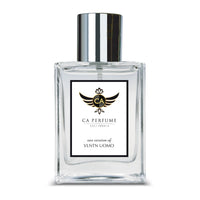
Hazelnut has become a signature note in contemporary perfumery, particularly within gourmand and woody compositions. One of the earliest and most influential uses is found in Valentino Uomo (2014, Olivier Polge), where hazelnut blends with chocolate, leather, and coffee to create a suave, edible heart. Thierry Mugler Angel Muse (2016, Quentin Bisch) features a prominent hazelnut cream accord, paired with vetiver and patchouli for a modern, unisex gourmand effect.
Amouage Guidance (2023, Quentin Bisch) and its flanker Guidance 46 (2024) showcase hazelnut as a dominant heart note, layered with osmanthus, sandalwood, and pear for a complex, long-lasting signature. Bond No. 9 TriBeCa (2020) uses green hazelnut alongside cacao, caramel, and ambroxan, demonstrating the note’s versatility in both sweet and woody contexts. Dolce & Gabbana Devotion Intense (2024) highlights hazelnut with orange blossom and Madagascar vanilla, emphasizing its creamy, praline-like warmth.
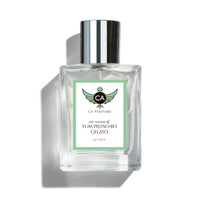
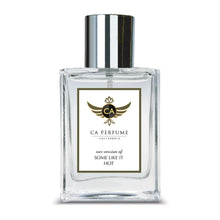
Other notable examples include Jo Malone English Oak & Hazelnut (2017, Yann Vasnier), which pairs hazelnut with oak, vetiver, and cedar for a dry, woody effect, and Hermès Hermessence Vetiver Tonka (2004, Jean-Claude Ellena), where hazelnut supports tonka bean and vetiver for a subtly nutty, green base. CA Perfume’s collection draws inspiration from these landmark fragrances, offering a range of hazelnut-forward scents that honor this evolving lineage.
Natural vs Synthetic Hazelnut in Perfumery
Natural hazelnut oil, obtained via cold-pressing, is composed primarily of fatty acids and has a subtle, short-lived aroma unsuitable for fine fragrance. Supercritical CO2 extraction can yield a more aromatic product, but its volatility and olfactory strength remain limited. As a result, perfumers rely on synthetic molecules to recreate the hazelnut scent profile with greater fidelity and performance.
Key synthetic aroma chemicals include filbertone (5-methylhept-2-en-4-one, CAS 81908-42-5), 2,5-dimethylpyrazine (CAS 123-32-0), and furaneol (4-hydroxy-2,5-dimethyl-3(2H)-furanone, CAS 3658-77-3). Filbertone provides the signature creamy, nutty note, while pyrazines contribute roasted, toasted, and slightly green facets. Synthetic hazelnut accords offer superior longevity (lasting 6–12 hours in EDP format), diffusion, and batch-to-batch consistency compared to natural extracts, which are prone to oxidation and rapid scent loss.
Cost-wise, synthetic hazelnut aroma chemicals are significantly more affordable ($200–400/kg for filbertone) than natural CO2 extracts (>$2,000/kg). Notable fragrances using synthetic hazelnut include Valentino Uomo (2014), Amouage Guidance (2023), and Thierry Mugler Angel Muse (2016). Sustainability and supply chain transparency are enhanced with synthetics, as they avoid the agricultural and environmental impact of large-scale nut harvesting. The HumanSafe™ platform ensures that all hazelnut ingredients used by CA Perfume are fully traceable and IFRA-compliant, with detailed safety and allergen data available to consumers.