Ingredient Guide · Woody
Woody Family · Perfumery Note

Oak

Oak’s dry, structural aroma shapes iconic woody perfumes.

Oak is a woody base note in perfumery, valued for its dry, tannic, and subtly vanillic character. Its defining quality comes from whiskey lactones and tannins, providing structure and longevity in chypre and woody compositions.

Oak
Ingredient Profile

Oak

Woody Family
Family Woody
Note Position Heart Note
Usage Level 0.2–1%
Key Origins France, United States, Spain
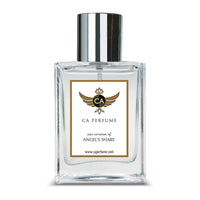
Iconic In Angels’ Share, Barénia
The Ingredient

What does Oak smell like and why is it a structural note in perfumery?

Oak in perfumery is characterized by a dry, tannic, and woody scent profile, often described as reminiscent of barrel staves, aged wine cellars, and the dense interior of old wooden doors. The primary odorants responsible for oak’s aroma are whiskey lactones (notably cis- and trans-3-methyl-4-octanolide, CAS 39212-23-2), vanillin, eugenol, and guaiacol. These compounds create a nuanced scent that blends dryness, faint sweetness, and astringency. Oak absolute, extracted from Quercus robur or Quercus alba wood chips, presents a medium odor strength with a lasting power exceeding 200 hours, making it a robust base note. In perfumery, oak is classified as a base note due to its low volatility and structural role. It is typically used at concentrations of 0.2–1% in the finished composition, providing a tannic backbone that anchors lighter, more volatile notes. Oak’s molecular weight and low evaporation rate ensure that its scent persists through the drydown, binding top and heart notes with a woody, slightly vanillic finish. On skin, oak interacts with natural oils and pH, sometimes amplifying its leathery or creamy facets depending on individual chemistry. Notable fragrances that exemplify oak’s use include By Kilian’s Angels’ Share (2020, perfumer Benoist Lapouza), where oak absolute and whiskey lactone evoke barrel-aged cognac, and Hermès Barénia (2017, perfumer Christine Nagel), which highlights oak’s tannic dryness alongside leather and musk. Oak in perfumery is essential for constructing woody, chypre, and aromatic compositions, providing both olfactory depth and technical longevity.

>200 Hours
Oak absolute’s lasting power exceeds 200 hours in controlled conditions, due to its high molecular weight and low volatility. This makes it a premier fixative and structural base note.
0.2–1%
Typical oak concentration in finished perfume compositions ranges from 0.2% to 1%, sufficient to provide structural backbone without overpowering lighter notes.
$500–$1,200/kg
Natural oak absolute is priced between $500 and $1,200 per kilogram, reflecting extraction costs and limited supply. Synthetic whiskey lactone is more affordable at $50–$200/kg.
Origin & Extraction

Where Oak Comes From — Origin & Extraction

Oak’s scent profile is shaped by the terroir of its origin—soil composition, climate, and tree species influence the balance of tannins, lactones, and vanillin precursors in the wood.

Oak used in perfumery is primarily derived from the wood of Quercus robur (European oak) and Quercus alba (American white oak). Major producing countries include France, the United States, and Spain, with France and the US being the largest suppliers for perfumery-grade oak absolute. The extraction process involves solvent extraction of oak wood chips, yielding an absolute that is pale yellow to amber and viscous. The process typically uses ethanol or cyclohexane as solvents, followed by evaporation and purification, with yields averaging 1–2% (i.e., 100 kg of wood yields 1–2 kg of absolute). For the characteristic barrel-aged aroma, perfumers often utilize whiskey lactone (CAS 39212-23-2), a molecule abundant in toasted oak barrels. This compound imparts coconut, vanilla, and clove nuances. Oak absolute itself is less resinous than cedar and less creamy than sandalwood, providing a drier, more tannic structure. Wholesale prices for natural oak absolute range from $500–$1,200/kg, while whiskey lactone and other synthetic analogs cost $50–$200/kg, making synthetics more accessible for large-scale production. Sustainability considerations include responsible forestry practices and the use of byproducts from the cooperage (barrel-making) industry. Oak extraction does not currently face the same allergenic restrictions as oakmoss, and there are no IFRA limitations on oak absolute. However, sourcing is increasingly focused on traceability and minimizing ecological impact.

FR

France

French oak (Quercus robur) from the Limousin and Allier regions is prized for high tannin content and subtle vanilla notes. Used in both perfumery and cooperage, France supplies a significant share of oak absolute, with annual production estimated at 10–20 metric tons.

US

United States

American white oak (Quercus alba) from the Midwest and Appalachian regions is known for elevated whiskey lactone content, imparting coconut and vanilla nuances. The US is a major source for both barrel staves and perfumery-grade oak extracts.

ES

Spain

Spanish oak, particularly from the Galicia and Castilla y León regions, offers a drier, more astringent profile due to mineral-rich soils and lower rainfall. Spanish oak is often used for sherry barrels and specialty perfumery extracts.

BG

Bulgaria

Bulgarian oak forests, especially in the Balkan Mountains, produce wood with a balanced tannin and lactone profile. Bulgaria exports both oak wood and processed absolute, supporting niche perfumery production.

Chemistry

Natural vs Synthetic Oak in Perfumery

Natural oak absolute is extracted from Quercus robur or Quercus alba wood chips via solvent extraction, yielding a complex mixture of tannins, vanillin, eugenol, and whiskey lactones. Key synthetic molecules used to replicate or enhance oak’s scent include whiskey lactone (CAS 39212-23-2), vanillin (CAS 121-33-5), and eugenol (CAS 97-53-0). Synthetics offer greater consistency, batch-to-batch reliability, and cost efficiency, with whiskey lactone and vanillin available at $50–$200/kg compared to $500–$1,200/kg for natural oak absolute. Performance-wise, synthetics provide enhanced longevity and projection, especially in modern woody and gourmand compositions. Natural oak absolute offers a more nuanced, tannic, and less overtly sweet profile, but is less commonly used due to cost and limited supply. Notable fragrances using natural oak include Hermès Barénia and select niche releases, while mainstream and designer fragrances often rely on whiskey lactone and vanillin for their oak effect. Sustainability and transparency are increasingly important, with the HumanSafe™ platform providing ingredient traceability for both natural and synthetic oak sources. CA Perfume utilizes HumanSafe™ verified materials to ensure responsible sourcing and consumer safety, balancing natural complexity with the performance and safety of synthetics.

Natural
Oak Absolute
Cost $3,000–6,000/kg
Method Solvent / CO₂
Character Complex, variable
vs
Synthetic
Safranal & Analogues
Cost $50–200/kg
Method Lab synthesis
Character Consistent, stable
Hall of Fame

Famous Fragrances That Define Oak in Perfumery

2020
dominant note

Angels’ Share

By Kilian
by Benoist Lapouza
cognaccinnamontonka beanpraline
2017
dominant note

Barénia

Hermès
by Christine Nagel
leathermuskcardamom
2021
bridge note

Bois Pacifique

Tom Ford
sandalwoodambervanilla
2022
accent

Bad Boy Cobalt Parfum Electrique

Carolina Herrera
pink pepperlavendertruffle
2020
supporting note

Miss Dior Essence

Dior
by François Demachy
rosemuskamber

Oak’s structural, woody-tannic character has been featured in a range of influential fragrances, particularly those that evoke the aroma of barrel-aged spirits or classic woody accords. By Kilian’s Angels’ Share (2020, Benoist Lapouza) is a modern benchmark, using oak absolute and whiskey lactone to create a cognac-barrel effect, paired with cinnamon and tonka bean. Hermès Barénia (2017, Christine Nagel) showcases oak’s dry, leathery facets alongside musk and cardamom. Tom Ford’s Bois Pacifique (2021) utilizes oak to anchor creamy sandalwood and amber, while Carolina Herrera’s Bad Boy Cobalt Parfum Electrique (2022) incorporates oak for a mineral-woody base. Dior’s Miss Dior Essence (2020, François Demachy) employs oak to add depth to floral and musky notes. Historically, oak has been used as a base note in chypre and woody-aromatic compositions, providing a tannic backbone and enhancing longevity. These fragrances often pair oak with vanilla, sandalwood, patchouli, and spices, demonstrating its versatility as both a dominant and supporting note. CA Perfume’s collection draws inspiration from this lineage, offering oak-forward scents that balance tradition and innovation.

The Accord

How is a captivating Oak accord crafted?

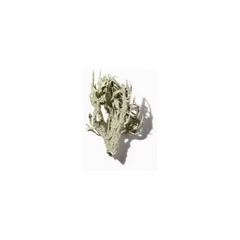
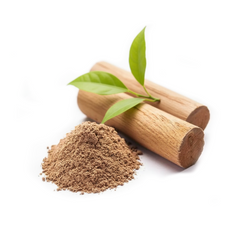
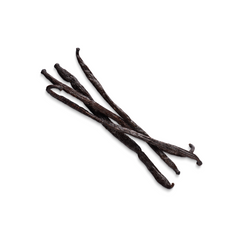
A classic oak accord blends Oak Absolute (25–30%), Sandalwood (20–25%), Vanilla (20–25%), and Patchouli (25–30%). Oak provides tannic structure and dry woodiness, while sandalwood adds creamy, lactonic warmth. Vanilla introduces sweetness and olfactory masking, softening tannins, and patchouli supplies earthy depth and longevity. Together, these ingredients create a balanced, woody base with nuanced evolution.

30%

Oak Absolute

25–30% of blend

Oak absolute delivers tannic, dry, and woody structure, anchored by whiskey lactones and vanillin. It forms the backbone of the accord, providing longevity and astringency.

25%

Sandalwood

20–25% of blend

Sandalwood’s santalol content imparts creamy, lactonic warmth, counterbalancing oak’s dryness and enhancing smoothness in the accord.

25%

Vanilla

20–25% of blend

Vanilla, rich in vanillin, introduces sweetness and olfactory masking, reducing oak’s astringency and adding a soft, inviting finish.

30%

Patchouli

25–30% of blend

Patchouli’s patchoulol and earthy terpenes provide depth, longevity, and a subtle green facet, reinforcing the woody base and enhancing complexity.

The Olfactory Layers

How Oak Evolves on Skin

Oak’s olfactory evolution is gradual, with high-molecular-weight compounds releasing slowly. Top notes fade within 15 minutes, revealing oak’s tannic dryness, which persists for hours due to low volatility and strong fixative properties.

I
Top notes
0–15 min
Freshly Split Wood

Initial impressions are subtle: faintly green, slightly astringent, with hints of split wood and dry sawdust. These effects are due to volatile aldehydes and light terpenes, which evaporate quickly, giving way to deeper woody facets.

green-woodyastringentfresh-cut wood
II
Heart notes
20–60 min
Barrel-Aged Warmth

The heart reveals oak’s signature tannic dryness, with whiskey lactones and vanillin precursors creating a creamy, slightly sweet undertone. The scent is reminiscent of barrel-aged spirits and antique wood, with eugenol adding a faint clove nuance.

tannicvanillicbarrel-aged
III
Base notes
Several hours
Dry Woody Persistence

Oak’s base is persistent and structural: dry, woody, and faintly leathery, anchored by high-molecular-weight tannins and lignin-derived compounds. The drydown is long-lasting, with subtle sweetness and a lingering, elegant woodiness.

dry-woodyleatherypersistent
TOP NOTES Freshly Split Wood 0–15 minutes HEART NOTES Barrel-Aged Warmth 20–60 minutes BASE NOTES Dry Woody Persistence Several hours
Through the Ages

The Story of Oak in Perfumery

Oak’s role in perfumery has evolved from traditional wood extracts to modern structural notes, shaped by advances in extraction and synthetic chemistry.

Ancient Rome

Early Use of Oak in Rituals

Oak wood and bark were used in Roman and Celtic rituals for their aromatic and preservative properties, laying the foundation for later perfumery applications.

19th Century

Oak Absolute in Early French Perfumery

French perfumers began extracting oak absolute from Quercus robur wood chips, using it as a fixative and structural note in early chypre and fougère compositions.

1970s

Introduction of Whiskey Lactone

The identification and synthesis of whiskey lactone (cis- and trans-3-methyl-4-octanolide) enabled perfumers to replicate the aroma of barrel-aged spirits, expanding oak’s versatility.

2017

Rise of Barrel-Aged Fragrance Concepts

Fragrances such as By Kilian’s Angels’ Share popularized the use of oak absolute and whiskey lactone, evoking the scent of cognac barrels and aged spirits.

2020s

Sustainable Oak Sourcing and Traceability

Modern perfumery emphasizes sustainable forestry and HumanSafe™ verified sourcing, with oak notes featured in both niche and mainstream releases.

The Art of Layering

How to Layer Oak

Understanding how to layer oak involves pairing it with notes that share molecular affinities or provide olfactory contrast. The keyword 'how to layer oak' is best addressed by focusing on tannin-softening and vanillin-enhancing combinations.

01

Enhance Sweetness

Layer oak with vanilla or tonka bean fragrances. Vanillin and coumarin molecules in these notes mask oak’s astringency, creating a creamy, inviting woody base. Example: Tom Ford’s Bois Pacifique demonstrates this synergy.

02

Add Depth

Combine oak with patchouli or vetiver. Patchoulol and vetiverol interact with oak’s tannins, amplifying earthy and smoky facets. This pairing is evident in Hermès Barénia, where patchouli deepens the woody structure.

03

Brighten the Structure

Layer oak with citrus or aromatic notes such as bergamot or lavender. Limonene and linalool molecules provide a fresh, volatile top, contrasting oak’s dry base. By Kilian’s Angels’ Share uses citrus to lift the woody core.

Wear It Right

How to Wear Oak Like a Pro

Seasonal Guide

Fall & Winter

Cooler temperatures suppress oak’s volatility, emphasizing its dry, woody persistence and tannic backbone. Apply to pulse points and clothing for maximum longevity and a comforting, grounded aura.

Spring

Spring’s moderate warmth enhances oak’s creamy, vanillic undertones. Layer with green or floral notes to evoke freshness and balance the tannic structure. Apply lightly to avoid overwhelming lighter accords.

Summer

High heat increases the volatility of whiskey lactones and vanillin, amplifying oak’s sweetness and projection. Use sparingly and focus on exposed skin areas for a lighter, more diffusive effect.

Year-Round Tip

Oak’s structural role makes it versatile year-round. Adjust application based on climate—more in cool, dry conditions; less in heat or humidity. Layer with citrus or aromatic notes for added freshness.

Application Points

Strategic application enhances oak’s longevity and evolution, maximizing its structural impact.

1

Neck

Applying oak-based fragrances to the neck leverages body heat, accelerating the release of whiskey lactones and vanillin for a pronounced opening and persistent drydown.

2

Behind the Ears

This area retains warmth and moisture, prolonging oak’s creamy, vanillic facets and ensuring a subtle sillage trail throughout the day.

3

Inner Wrists

Pulse points on the wrists enhance oak’s projection during movement, allowing the tannic and woody notes to evolve with skin chemistry.

4

Hair

Spraying lightly on hair fibers provides a sustained, diffusive release of oak’s woody aroma, especially effective for long-lasting presence.

Pro Tip

Layer oak-based fragrances over unscented moisturizer to slow evaporation and intensify the woody drydown, especially in dry or cold climates.

Mood Architecture™

Top Oak Fragrances by Mood Score

These Oak-based fragrances scored highest on the MEI™ Mood Architecture Framework — measuring how a scent may influence your emotional state.

Highest MEI Score
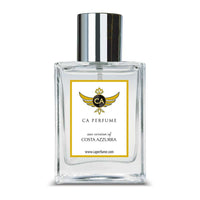
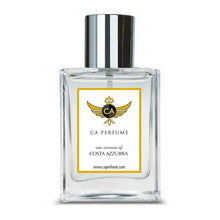
Costa Azzurra — Tom Ford Costa Azzurra Alternative Perfume
7.49
MEI™
Primary Fresh
Secondary Energizing
Confidence
7.03
Presence
7.3
Mood Lift
8.71
Identity
7.09
Warmth
6.42
Social Ease
7.72
Energy
7.2
" I am radiant.
View full mood profile →
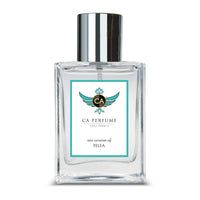
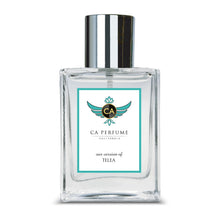
Telea — Tiziana Terenzi Telea Alternative Perfume
7.04
MEI™
Primary Fresh
Secondary Romantic
Confidence
6.76
Presence
7.14
Mood Lift
7.78
Identity
6.65
Warmth
7.03
Social Ease
7.2
Energy
3.5
" I am radiant.
View full mood profile →
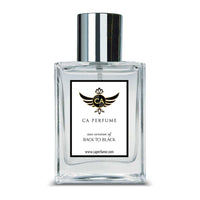
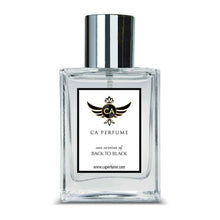
Back To Black — By Kilian Impression Back To Black Alternative Perfume
5.5
MEI™
Primary Serene
Secondary Romantic
Confidence
5.08
Presence
4.73
Mood Lift
6.12
Identity
4.79
Warmth
6.31
Social Ease
5.72
Energy
3.0
" I am at peace.
View full mood profile →
HumanSafe™

Top Oak Fragrances by HumanSafe™ Score

These Oak-based fragrances have the highest product-level HumanSafe™ scores in this ingredient collection.

Highest HumanSafe™ Score
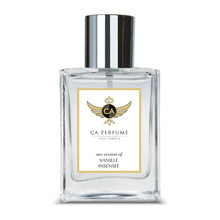
Vanille Insensee — Atelier Cologne Vanille Insensee Alternative Perfume
A-
HumanSafe™ Score Generally Safe
Safest Evaluated Ingredients EDP
CYCLOPENTADECANONE, 3-METHYL- Evaluated ingredient ISS 10.0
AQUA Solvent / Carrier ISS 10.0
1,4-DIOXACYCLOHEPTADECANE-5,17-DIONE Evaluated ingredient ISS 10.0
1,6,10-DODECATRIEN-3-OL, 3,7,11-TRIMETHYL- EYE IRRITATION - CAT. 2B [H320] Evaluated ingredient ISS 8.0
LINALOOL Evaluated ingredient ISS 7.0
BENZOIC ACID, 2,4-DIHYDROXY-3,6-DIMETHYL-, METHYL ESTER Evaluated ingredient ISS 7.0
View full safety profile →
Telea — Tiziana Terenzi Telea Alternative Perfume
A-
HumanSafe™ Score Generally Safe
Safest Evaluated Ingredients EDP
OXACYCLOHEPTADEC-10-EN-2-ONE Evaluated ingredient ISS 10.0
AQUA Solvent / Carrier ISS 10.0
1,4-DIOXACYCLOHEPTADECANE-5,17-DIONE Evaluated ingredient ISS 10.0
LINALYL ACETATE Evaluated ingredient ISS 7.0
LINALOOL Evaluated ingredient ISS 7.0
CYCLOHEXANEPROPANOL, 2,2,6-TRIMETHYL-.ALPHA.-PROPYL- Evaluated ingredient ISS 7.0
View full safety profile →
Costa Azzurra — Tom Ford Costa Azzurra Alternative Perfume
A-
HumanSafe™ Score Generally Safe
Safest Evaluated Ingredients EDP
AQUA Solvent / Carrier ISS 10.0
4H-INDEN-4-ONE, 1,2,3,5,6,7-HEXAHYDRO-1,1,2,3,3- Evaluated ingredient ISS 9.0
LINALYL ACETATE Evaluated ingredient ISS 7.0
LINALOOL Evaluated ingredient ISS 7.0
ALCOHOL DENAT. Solvent / Carrier ISS 7.0
1-[(2-TERT-BUTYL)CYCLOHEXYLOXY]-2-BUTANOL Evaluated ingredient ISS 7.0
View full safety profile →
Back To Black — By Kilian Impression Back To Black Alternative Perfume
A-
HumanSafe™ Score Generally Safe
Safest Evaluated Ingredients EDP
AQUA Solvent / Carrier ISS 10.0
4H-INDEN-4-ONE, 1,2,3,5,6,7-HEXAHYDRO-1,1,2,3,3- Evaluated ingredient ISS 9.0
1H-BENZOCYCLOHEPTENE, 2,4A,5,6,7,8-HEXAHYDRO- Evaluated ingredient ISS 9.0
3-BUTEN-2-ONE, 3-METHYL-4-(2,6,6-TRIMETHYL-2- Evaluated ingredient ISS 8.0
2H-1-BENZOPYRAN-2-ONE Evaluated ingredient ISS 8.0
LINALYL ACETATE Evaluated ingredient ISS 7.0
View full safety profile →
Expert Voices

What Masters Say About Oak

Oak provides a tannic, dry backbone that anchors lighter notes and gives structure to woody and chypre compositions.
CA Perfume Editorial
The smell most people associate with oak is actually oak lactones, which produce the coconut-vanilla-wood scent of barrel-aged spirits.
CA Perfume Editorial
Common Questions

Frequently Asked Questions

Answers to common questions about oak in perfumery, its scent, uses, and performance.

Oak in perfume smells dry, tannic, and woody, with subtle vanillic and coconut undertones from whiskey lactones. The scent is reminiscent of barrel staves, aged wine cellars, and antique wood, providing a robust structural base in woody and chypre fragrances.

Oak is classified as a base note due to its low volatility and high molecular weight. It provides structural longevity, anchoring lighter notes and persisting through the drydown for hours.

Oak is favored in niche perfumery for its complex, tannic profile and ability to evoke barrel-aged spirits or antique wood. Its nuanced aroma and fixative properties make it ideal for creating distinctive, long-lasting compositions.

Oak fragrance uses often involve pairing with vanilla, sandalwood, patchouli, and amber. These notes interact at a molecular level, with vanillin and santalol softening tannins and patchoulol adding earthy depth.

Oak’s dry, woody profile can be worn year-round, but in summer, its projection increases due to heat-enhanced volatility. Apply sparingly and layer with citrus or aromatic notes for a lighter effect.

Oak-based fragrances are long-lasting, with persistence of 6–12 hours or more, depending on concentration. Its high molecular weight and fixative properties ensure a slow, gradual evolution.

Yes, oak layers well with vanilla, patchouli, and citrus notes. Layering enhances complexity and can soften or brighten oak’s tannic structure, as demonstrated in fragrances like By Kilian Angels’ Share.

Recommended entry points include By Kilian Angels’ Share, Hermès Barénia, and Tom Ford Bois Pacifique. These fragrances balance oak’s structural qualities with accessible sweetness or creamy woods.

Explore CA Perfume’s oak-forward collection by sampling different concentrations and pairings. Consider your preference for dry, tannic, or creamy woody profiles, and consult ingredient transparency via the HumanSafe™ platform.

Oak’s scent is primarily dry and tannic, with subtle creamy and leathery facets. It is less smoky than birch or vetiver, and more clean-woody than resinous or animalic notes.

Woody Collection

Explore Our Top Oak Fragrances

Discover CA Perfume’s collection of oak-forward scents, featuring dry woody bases and nuanced tannic structures inspired by classic and modern perfumery.

Shop all oak fragrances at CA Perfume →

Where Oak Comes From — Origin & Extraction

Oak used in perfumery is primarily derived from the wood of Quercus robur (European oak) and Quercus alba (American white oak). Major producing countries include France, the United States, and Spain, with France and the US being the largest suppliers for perfumery-grade oak absolute. The extraction process involves solvent extraction of oak wood chips, yielding an absolute that is pale yellow to amber and viscous. The process typically uses ethanol or cyclohexane as solvents, followed by evaporation and purification, with yields averaging 1–2% (i.e., 100 kg of wood yields 1–2 kg of absolute). For the characteristic barrel-aged aroma, perfumers often utilize whiskey lactone (CAS 39212-23-2), a molecule abundant in toasted oak barrels. This compound imparts coconut, vanilla, and clove nuances. Oak absolute itself is less resinous than cedar and less creamy than sandalwood, providing a drier, more tannic structure. Wholesale prices for natural oak absolute range from $500–$1,200/kg, while whiskey lactone and other synthetic analogs cost $50–$200/kg, making synthetics more accessible for large-scale production. Sustainability considerations include responsible forestry practices and the use of byproducts from the cooperage (barrel-making) industry. Oak extraction does not currently face the same allergenic restrictions as oakmoss, and there are no IFRA limitations on oak absolute. However, sourcing is increasingly focused on traceability and minimizing ecological impact.

Famous Fragrances That Define Oak in Perfumery

Oak’s structural, woody-tannic character has been featured in a range of influential fragrances, particularly those that evoke the aroma of barrel-aged spirits or classic woody accords. By Kilian’s Angels’ Share (2020, Benoist Lapouza) is a modern benchmark, using oak absolute and whiskey lactone to create a cognac-barrel effect, paired with cinnamon and tonka bean. Hermès Barénia (2017, Christine Nagel) showcases oak’s dry, leathery facets alongside musk and cardamom. Tom Ford’s Bois Pacifique (2021) utilizes oak to anchor creamy sandalwood and amber, while Carolina Herrera’s Bad Boy Cobalt Parfum Electrique (2022) incorporates oak for a mineral-woody base. Dior’s Miss Dior Essence (2020, François Demachy) employs oak to add depth to floral and musky notes. Historically, oak has been used as a base note in chypre and woody-aromatic compositions, providing a tannic backbone and enhancing longevity. These fragrances often pair oak with vanilla, sandalwood, patchouli, and spices, demonstrating its versatility as both a dominant and supporting note. CA Perfume’s collection draws inspiration from this lineage, offering oak-forward scents that balance tradition and innovation.

Natural vs Synthetic Oak in Perfumery

Natural oak absolute is extracted from Quercus robur or Quercus alba wood chips via solvent extraction, yielding a complex mixture of tannins, vanillin, eugenol, and whiskey lactones. Key synthetic molecules used to replicate or enhance oak’s scent include whiskey lactone (CAS 39212-23-2), vanillin (CAS 121-33-5), and eugenol (CAS 97-53-0). Synthetics offer greater consistency, batch-to-batch reliability, and cost efficiency, with whiskey lactone and vanillin available at $50–$200/kg compared to $500–$1,200/kg for natural oak absolute. Performance-wise, synthetics provide enhanced longevity and projection, especially in modern woody and gourmand compositions. Natural oak absolute offers a more nuanced, tannic, and less overtly sweet profile, but is less commonly used due to cost and limited supply. Notable fragrances using natural oak include Hermès Barénia and select niche releases, while mainstream and designer fragrances often rely on whiskey lactone and vanillin for their oak effect. Sustainability and transparency are increasingly important, with the HumanSafe™ platform providing ingredient traceability for both natural and synthetic oak sources. CA Perfume utilizes HumanSafe™ verified materials to ensure responsible sourcing and consumer safety, balancing natural complexity with the performance and safety of synthetics.