Where Guatemalan Cardamom Comes From — Origin & Extraction
Guatemalan cardamom is derived from the seeds of *Elettaria cardamomum* (Zingiberaceae family), a perennial herb native to South India but now cultivated extensively in Guatemala’s highland regions, including Cobán, Alta Verapaz, Quiché, Huehuetenango, and Izabal. Cardamom was introduced to Guatemala before World War I by German coffee planter Oscar Majus Kloeffer. By the late 20th century, Guatemala had become the world’s largest producer, accounting for approximately 70–80% of global cardamom exports, with annual production reaching 13,000–14,000 metric tons.
The primary extraction methods for perfumery are steam distillation and supercritical CO₂ extraction. Steam distillation involves grinding dried cardamom pods (pergamino) and distilling them at 100°C, yielding a pale yellow essential oil rich in α-terpinyl acetate, 1,8-cineole, and limonene. CO₂ extraction, developed commercially in the early 2000s (notably by dsm-firmenich in Grasse), operates at 31–40°C and 9.0 MPa, preserving the full spectrum of volatile and non-volatile aroma compounds. CO₂ extracts achieve yields of 5.5% and are more viscous, with enhanced tenacity and aromatic fidelity compared to steam-distilled oil.
Natural Guatemalan cardamom oil is priced at $150–250 USD/kg, while CO₂ extracts can exceed $400/kg due to higher production costs and superior olfactory quality. Synthetic substitutes (e.g., pure α-terpinyl acetate, CAS 80-26-2; 1,8-cineole, CAS 470-82-6) are available at $40–80/kg but lack the nuanced complexity of the natural extract. Sustainability concerns include deforestation and land use in Guatemala; however, major producers are increasingly adopting agroforestry and fair-trade practices. Cardamom is not IFRA-restricted and contains no major allergens at typical usage levels.
Famous Fragrances That Define Guatemalan Cardamom in Perfumery
Guatemalan cardamom has shaped the modern spicy-green fragrance landscape, serving as a bridge note, dominant accent, or aromatic lift in both niche and designer compositions. In Chopard Neroli à la Cardamome du Guatemala (2017, Alberto Morillas & Nathalie Lorson), it forms the aromatic heart, paired with neroli, orange blossom, and ambrette for a luminous, citrus-floral profile. Memo Paris African Leather (2015, Aliénor Massenet) uses Guatemalan cardamom as a top note to energize a blend of saffron, leather, and geranium, highlighting its versatility in both fresh and warm contexts.
O Boticário The Blend Cardamom (2021, Nathalie Lorson) features Guatemalan cardamom as the dominant note, supported by black pepper, ginger, and cedar, creating a woody-spicy signature. Astrophil & Stella Madame M (2022, Nathalie Feisthauer) employs Guatemalan cardamom in the top notes, alongside pear and bergamot, to introduce a creamy, spicy brightness that transitions into a floral-woody base. Olfactive Studio Lumière Blanche (2012, Sidonie Lancesseur) incorporates cardamom for its cool, powdery effect, blending it with iris, almond milk, and tonka bean for a modern, frosty interpretation.
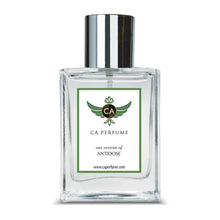
These fragrances demonstrate the diverse roles Guatemalan cardamom can play—from dominant note to subtle accent—across a range of olfactory families. CA Perfume’s collection draws inspiration from this lineage, offering cardamom-forward compositions that honor both tradition and innovation.
Natural vs Synthetic Guatemalan Cardamom in Perfumery
Natural Guatemalan cardamom extracts, whether steam-distilled or CO₂-extracted (CAS 8000-66-6), contain a complex mixture of monoterpenes and esters, with α-terpinyl acetate (35–45%), 1,8-cineole, and limonene as primary odorants. Synthetic alternatives focus on reproducing the main facets using isolated aroma chemicals: α-terpinyl acetate (CAS 80-26-2) for the sweet-spicy core, 1,8-cineole (CAS 470-82-6) for camphoraceous freshness, and linalyl acetate (CAS 115-95-7) for floral undertones.
Performance-wise, natural extracts offer superior aromatic depth, tenacity (lasting 24+ hours on blotter), and a more nuanced evolution on skin. Synthetics provide batch-to-batch consistency, greater stability, and lower cost (typically $40–80/kg vs $150–400/kg for natural), but tend to lack the creamy, balsamic, and green subtleties of the full extract. Notable fragrances such as Chopard Neroli à la Cardamome du Guatemala and Memo Paris African Leather use natural Guatemalan cardamom, while some mainstream compositions may rely on synthetics for cost or regulatory reasons.
From a sustainability perspective, the HumanSafe™ platform emphasizes traceability and ethical sourcing for natural cardamom, ensuring fair labor and agroforestry practices. Synthetic production reduces pressure on Guatemalan ecosystems but cannot fully replicate the olfactory complexity of the natural material. CA Perfume transparently discloses ingredient sourcing and prioritizes HumanSafe™ verified cardamom where possible.