Where Guaiac Wood Comes From — Origin & Extraction
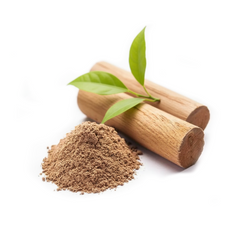
Guaiac wood is sourced primarily from Bulnesia sarmientoi (syn. Gonopterodendron sarmientoi) and Guaiacum officinale, small, slow-growing trees native to the Gran Chaco region of South America, especially Paraguay, Argentina, and Bolivia. The heartwood is exceptionally dense and resin-rich, with production concentrated in Paraguay, which accounts for over 80% of global guaiac wood essential oil exports. Annual production volumes are difficult to quantify due to sustainability restrictions, but estimates suggest less than 50 metric tons of essential oil are produced globally each year.
Extraction is performed by steam distillation of heartwood shavings and sawdust, typically over a 24-hour period at temperatures of 100–120°C. The resulting essential oil is a semi-solid, amber to yellow paste at room temperature, which liquefies when gently warmed. Solvent extraction (using ethanol or hexane) is also employed to produce guaiac wood absolute, yielding a more concentrated, aromatic material. Yields are low: approximately 1–2% by weight of dry wood. The CAS number for guaiac wood oil is 8016-23-7.
Natural guaiac wood oil commands prices of $100–300/kg, reflecting both its labor-intensive extraction and CITES-related trade restrictions. Synthetic substitutes, such as guaiacol (CAS 90-05-1) and methyl guaiacol (CAS 93-51-6), are available at $20–50/kg and are often used to replicate the smoky, balsamic facets in modern perfumery. Sustainability is a significant concern: Bulnesia sarmientoi is listed as endangered in the wild, and responsible sourcing requires traceability and adherence to CITES export controls. The HumanSafe™ platform is used by CA Perfume to verify that all guaiac wood materials are sourced from certified, sustainable plantations or are replaced by synthetic analogs where necessary.
Famous Fragrances That Define Guaiac Wood in Perfumery
Guaiac wood has become a signature note in both niche and designer perfumery, prized for its ability to impart smoky, balsamic, and creamy-woody depth. Maison Martin Margiela By the Fireplace (2015, Marie Salamagne) uses guaiac wood as a dominant base note, paired with chestnut, vanilla, and clove to evoke the scent of burning logs and warm embers. Le Labo Gaiac 10 Tokyo (2008, Annick Menardo) centers on guaiac wood’s tea rose and powdery facets, blending it with musk and cedar for a soft, meditative effect. Orto Parisi Terroni (2017, Alessandro Gualtieri) employs guaiac wood as a bridge note, linking earthy vetiver and patchouli with smoky, resinous undertones.
Imaginary Authors Memoirs of a Trespasser (2012, Josh Meyer) features guaiac wood as a supporting note, enhancing vanilla, myrrh, and oak barrel accords for a nostalgic, smoky sweetness. Prada Paradigme (2025) utilizes guaiac wood to anchor its spicy, woody composition, demonstrating its versatility in both masculine and unisex fragrances. These examples illustrate guaiac wood’s role as a dominant, bridge, or accent note, often paired with vanilla, amber, sandalwood, and floral notes to create depth and longevity. CA Perfume’s collection draws inspiration from this lineage, offering guaiac wood compositions that balance smoky warmth with modern, sustainable sourcing.
Natural vs Synthetic Guaiac Wood in Perfumery
Natural guaiac wood oil, extracted from Bulnesia sarmientoi heartwood via steam distillation (CAS 8016-23-7), contains a complex mixture of guaiacol, methyl guaiacol, and eugenol. These compounds provide the characteristic smoky, balsamic, and sweet-woody aroma, as well as excellent fixative properties. However, natural guaiac wood is semi-solid at room temperature, requiring gentle warming for blending, and its supply is limited by CITES restrictions and slow tree growth.
Synthetic alternatives are primarily based on guaiacol (CAS 90-05-1), methyl guaiacol (CAS 93-51-6), and 2-methoxy-4-methylphenol (creosol, CAS 93-51-6). These aroma chemicals reproduce the smoky, creamy, and slightly phenolic facets of natural guaiac wood, with greater batch-to-batch consistency and lower cost (typically $20–50/kg). Synthetic guaiac wood notes offer improved stability, longevity, and diffusion, making them suitable for high-volume commercial fragrances. Notable fragrances using synthetic guaiac wood include Escentric Molecules Molecule 01 + Guaiac Wood (2023, Geza Schoen), which pairs Iso E Super with guaiacol for a minimalist, skin-like effect.
Sustainability is a key driver for synthetic use: overharvesting of wild guaiac wood threatens biodiversity, and IFRA guidelines limit natural guaiac wood concentrations due to potential sensitization. The HumanSafe™ platform ensures CA Perfume’s guaiac wood materials are traceable, CITES-compliant, and, where possible, replaced by renewable synthetic analogs to minimize environmental impact.