Ingredient Guide · Green
Green Family · Perfumery Note

Green Accord

Fresh, leafy, and intensely vibrant green note

Green Accord in perfumery is a fresh, leafy note often positioned in top or heart accords. It features key molecules like cis-3-hexenol and galbanum, used typically at 1-5% concentration.

Green Accord
Ingredient Profile

Green Accord

Green Family
Family Green
Note Position Heart Note
Usage Level 1–5%
Key Origins Iran, Bulgaria, France
Iconic In Vent Vert, Miss Dior
The Ingredient

What does Green Accord smell like and why is it significant in perfumery?

Green Accord's scent profile is characterized by fresh, leafy, and vibrant aromas reminiscent of freshly cut grass, crushed leaves, and springtime gardens. This scent owes its character primarily to molecules such as cis-3-hexenol (known as leaf alcohol, responsible for fresh grass aroma), galbanum (a leafy resin with a bitter green facet), and violet leaf (offering green and watery nuances). These molecules combine to create a balanced, harmonious green scent that is more versatile than singular green notes like galbanum or vetiver. In perfumery, Green Accord functions mainly as a top or heart note, typically used at concentrations ranging from 1% to 5%. It enhances floral, herbal, and aquatic blends by imparting crisp, outdoorsy freshness. The accord interacts with skin chemistry by providing a bright, clean sensation that can vary slightly depending on individual skin pH and moisture levels. Notable fragrances that exemplify Green Accord's use include Carolina Herrera's CH Men Swing (2026), where it appears as a top note paired with pistachio and suede, and Hermès Un Jardin à Cythère, which uses it to evoke a fresh, natural atmosphere. These examples illustrate Green Accord's versatility across fragrance families and its ability to bridge fresh and warm notes effectively.

1–5%
Typical concentration range of Green Accord components in fragrance formulations to balance freshness and safety.
0.5–1%
IFRA recommended maximum usage level for galbanum essential oil to avoid sensitization risks.
70%
Approximate global market share of Iran in galbanum resin production, a key natural source for Green Accord.
Origin & Extraction

Where Green Accord Comes From — Origin & Extraction

Green Accord's natural components originate from diverse geographic regions, each imparting unique olfactory characteristics influenced by soil, climate, and harvesting methods. These origins contribute to the accord's complexity and authenticity.

Green Accord is not a single natural extract but a crafted olfactory accord composed of several botanical and synthetic molecules. The primary natural sources include plants emitting cis-3-hexenol, galbanum resin from Ferula galbaniflua, and violet leaf absolute from Viola odorata. Galbanum essential oil is predominantly produced in Iran and Afghanistan, with annual production volumes estimated in the low hundreds of tons, extracted via steam distillation of the resin. Violet leaf absolute is obtained through solvent extraction of violet leaves, primarily sourced from France and Bulgaria. Cis-3-hexenol, the key molecule responsible for fresh grass aroma, is difficult to extract naturally in usable quantities and is mostly synthesized for perfumery use. The synthetic production involves chemical synthesis routes starting from hexenal precursors. Extraction yields for galbanum essential oil are approximately 1-3% from resin, while violet leaf absolute yields are around 0.1-0.3% from leaves. The cost of natural galbanum essential oil ranges from $300 to $800 per kilogram, whereas synthetic cis-3-hexenol costs about $100 to $200 per kilogram. Sustainability concerns focus on overharvesting of wild galbanum and habitat loss for violet leaf. Synthetic molecules help alleviate pressure on natural resources. The Green Accord thus represents a hybrid of natural extracts and synthetic molecules, balancing authenticity with sustainability.

IR

Iran

Iran is a primary producer of galbanum resin, harvested mainly in the Zagros Mountains. The resin's quality is influenced by the region's arid climate and rocky soil, yielding a potent, bitter green essential oil. Iran accounts for approximately 70% of global galbanum production.

BG

Bulgaria

Bulgaria produces violet leaf absolute, primarily from the Thracian Plain. The region's temperate climate and fertile soil contribute to a violet leaf with pronounced green and watery facets. Bulgarian violet leaf is highly prized for perfumery.

FR

France

France, especially the Grasse region, sources violet leaf and other green botanicals. The terroir's Mediterranean climate and limestone-rich soil yield extracts with refined green nuances, widely used in luxury perfumery.

Chemistry

Natural vs Synthetic Green Accord in Perfumery

Green Accord in perfumery is typically a blend of natural extracts and synthetic aroma chemicals. Natural components include galbanum essential oil (rich in undecatrienes and 2-isobutyl-3-methoxypyrazine, known as galbazine) and violet leaf absolute. Synthetic molecules such as cis-3-hexenol (CAS 928-96-1), allyl amyl glycolate (CAS 123-92-2), and various hexenyl esters are used to replicate and enhance the fresh green facets. Synthetic molecules offer advantages in consistency, longevity, and cost-effectiveness compared to natural extracts, which can vary due to harvest conditions and degrade faster on skin. For example, cis-3-hexenol provides a stable fresh grass note that is difficult to achieve naturally. Famous fragrances using natural green notes include Pierre Balmain's Vent Vert (1947) with heavy galbanum use, while modern compositions like Carolina Herrera CH Men Swing (2026) rely on synthetic green accords for clarity and projection. The cost differential is significant: natural galbanum essential oil can cost upwards of $500/kg, whereas synthetic cis-3-hexenol is approximately $150/kg. Sustainability considerations favor synthetic molecules to reduce environmental impact. CA Perfume employs the HumanSafe™ platform to ensure transparency and safety in sourcing both natural and synthetic components.

Natural
Green Accord Absolute
Cost $3,000–6,000/kg
Method Solvent / CO₂
Character Complex, variable
vs
Synthetic
Safranal & Analogues
Cost $50–200/kg
Method Lab synthesis
Character Consistent, stable
Hall of Fame

Famous Fragrances That Define Green Accord in Perfumery

1947
dominant note

Vent Vert

Pierre Balmain
by Germaine Cellier
galbanumfloralchypre
1947
supporting note

Miss Dior

Christian Dior
galbanumchyprefloral
1971
accent

Chanel No.19

Chanel
galbanumfloralwoody
2026
top note

CH Men Swing

Carolina Herrera
by Emilie Coppermann, Pierre-Constantin Guéros
pistachiosuedecashmeran
—
heart note

Un Jardin à Cythère

Hermès
citrusgreen accordpistachio

Green Accord has been a defining element in numerous landmark fragrances, showcasing its versatility across decades and fragrance families. Pierre Balmain's Vent Vert (1947), created by Germaine Cellier, is a seminal green fragrance featuring an overdose of galbanum essential oil, establishing the green note as a bold, bitter star. Christian Dior's Miss Dior (1947) followed with a more modest galbanum infusion within a chypre accord. Chanel No.19 (1971) is another classic, placing galbanum in a floral-woody context, highlighting the note's ability to add sharpness and freshness. In contemporary perfumery, Carolina Herrera's CH Men Swing (2026), composed by Emilie Coppermann and Pierre-Constantin Guéros, uses a pistachio green accord combined with suede and cashmeran, illustrating modern green accord applications. Hermès Un Jardin à Cythère and Rabanne Olympéa Parfum also incorporate green accord to evoke natural freshness and vibrancy. These examples demonstrate Green Accord's evolution from a dominant bitter note to a balanced, versatile ingredient in both niche and designer fragrances. CA Perfume's collection reflects this lineage by offering fragrances that highlight green accords in varied olfactive contexts.

The Accord

How is a captivating Green Accord accord crafted?

A balanced Green Accord typically comprises cis-3-hexenol (30-35%), galbanum essential oil (25-30%), violet leaf absolute (20-25%), and a watery aquatic molecule such as calone (15-20%). Cis-3-hexenol provides the fresh cut grass aroma, galbanum adds a bitter, resinous green facet with complex pyrazines, violet leaf contributes green watery nuances and a slight floral touch, while calone imparts a clean, aquatic freshness. Together, these ingredients create a harmonious, vibrant green scent with depth and versatility.

35%

Cis-3-Hexenol

30–35% of blend

This molecule is the primary contributor to the fresh, leafy, cut grass aroma that defines green accords.

30%

Galbanum Essential Oil

25–30% of blend

Galbanum adds a bitter, resinous green facet with pyrazine compounds that deepen the accord's complexity.

25%

Violet Leaf Absolute

20–25% of blend

Violet leaf contributes green, watery nuances and a subtle floral character, enhancing freshness.

20%

Calone

15–20% of blend

Calone imparts a clean, aquatic freshness that balances and lifts the green elements.

The Olfactory Layers

How Green Accord Evolves on Skin

Green Accord fragrances evolve from a bright, fresh top phase dominated by volatile molecules like cis-3-hexenol, through a heart phase where galbanum and violet leaf provide complexity and depth, to a base phase where green woody and resinous notes linger, creating a balanced olfactory experience over several hours.

I
Top notes
0–15 min
Fresh Cut Grass

The initial impression is dominated by cis-3-hexenol and other C6 compounds evaporating rapidly, delivering a sharp, fresh cut grass and leafy aroma. These high-volatility molecules create an immediate green freshness that is crisp and invigorating.

FreshLeafyCrisp
II
Heart notes
20–60 min
Leafy Resinous Depth

Galbanum essential oil and violet leaf absolute emerge, adding bitter, resinous, and watery green facets. The heart phase balances sharpness with a more rounded, complex green character, supported by mid-volatility molecules.

BitterResinousWatery
III
Base notes
Several hours
Earthy Green Woody

The base phase features lingering green woody and resinous notes such as vetiver or oakmoss derivatives, which provide depth and longevity. These low-volatility molecules anchor the fresh green accord, extending its presence on the skin.

WoodyEarthyLong-lasting
TOP NOTES Fresh Cut Grass 0–15 minutes HEART NOTES Leafy Resinous Depth 20–60 minutes BASE NOTES Earthy Green Woody Several hours
Through the Ages

The Story of Green Accord in Perfumery

The history of Green Accord in perfumery traces from early natural green materials like galbanum to the synthesis of key molecules such as cis-3-hexenol, marking its evolution into a versatile accord used in modern fragrance compositions.

1947

Launch of Vent Vert by Pierre Balmain

Germaine Cellier created Vent Vert, featuring a dominant overdose of galbanum essential oil, establishing green as a bold note in modern perfumery.

1949

Introduction of Miss Dior

Christian Dior launched Miss Dior, incorporating galbanum in a more modest amount within a chypre accord, expanding green's use in floral compositions.

1960s

Synthesis of Allyl Amyl Glycolate

The synthetic molecule allyl amyl glycolate was developed, offering a penetrating green odor with metallic and fruity pineapple nuances, used in fragrances like Davidoff Cool Water.

Mid-20th Century

Discovery and Use of Cis-3-Hexenol

Perfumers began using cis-3-hexenol, known as leaf alcohol, to replicate the scent of freshly cut grass, revolutionizing green accords.

2026

Launch of CH Men Swing by Carolina Herrera

A modern fragrance featuring a pistachio green accord combined with suede and cashmeran, exemplifying contemporary green accord applications.

The Art of Layering

How to Layer Green Accord

Understanding how to layer Green Accord involves molecular compatibility and olfactory synergy, enhancing or balancing its fresh green facets.

01

Enhance Sweetness

Pairing Green Accord with vanilla or tonka bean softens its bitter facets through olfactory masking, where sweet vanillin molecules reduce the perception of sharp green pyrazines. This technique is evident in fragrances like Tom Ford's Black Orchid, where green and sweet notes coexist harmoniously.

02

Add Depth

Combining Green Accord with woody notes such as sandalwood or vetiver introduces low-volatility molecules that anchor the fresh green top, prolonging wear and adding complexity. The molecular interaction between green aldehydes and woody sesquiterpenes creates a layered sensory experience, as seen in Chanel No.19.

03

Lighten the Glow

Layering Green Accord with citrus notes like bergamot or grapefruit introduces high-volatility terpenes that brighten the composition. The shared citrus and green aldehydes create a seamless transition from sharp freshness to zesty brightness, exemplified in Hermès Un Jardin à Cythère.

Wear It Right

How to Wear Green Accord Like a Pro

Seasonal Guide

Fall & Winter

Cooler temperatures slow molecular diffusion, softening Green Accord's sharpness but enhancing woody and resinous undertones. Layering with warm spices or woods can balance the freshness for cozy wear.

Spring

Ideal season for Green Accord, as moderate temperatures and humidity allow crisp, fresh green notes to shine with vibrant clarity and balanced projection.

Summer

Heat increases volatility, causing rapid evaporation of fresh green molecules. Apply lightly or layer with aquatic notes to maintain freshness without overwhelming.

Year-Round Tip

Adjust application intensity and layering based on temperature; use moisturizing base layers in dry conditions to enhance green note longevity.

Application Points

Strategic application of Green Accord perfumes enhances their freshness and longevity.

1

Neck

Pulse points at the neck emit heat, accelerating evaporation of green top notes for a vibrant initial impression.

2

Behind the Ears

This area allows subtle diffusion of green notes, creating an intimate scent aura without overpowering.

3

Inner Wrists

Wrists provide warmth and mobility, enhancing projection and allowing the green accord to evolve naturally.

4

Hair

Hair holds fragrance molecules longer, releasing green notes slowly with movement for sustained freshness.

★

Pro Tip

Layer Green Accord fragrances with complementary woody or floral notes on clothing or skin to extend scent life and complexity.

Mood Architecture™

Top Green Accord Fragrances by Mood Score

These Green Accord-based fragrances scored highest on the MEI™ Mood Architecture Framework — measuring how a scent may influence your emotional state.

Highest MEI Score
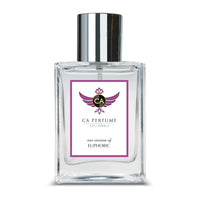
Euphoric — Euphoria Alternative Perfume
6.5
MEI™
Primary Fresh
Secondary Romantic
Confidence
6.21
Presence
6.27
Mood Lift
6.99
Identity
6.65
Warmth
6.72
Social Ease
6.67
Energy
2.74
" I am radiant.
View full mood profile →
HumanSafe™

Top Green Accord Fragrances by HumanSafe™ Score

These Green Accord-based fragrances have the highest product-level HumanSafe™ scores in this ingredient collection.

Highest HumanSafe™ Score
Euphoric — Euphoria Alternative Perfume
A-
HumanSafe™ Score Generally Safe
Safest Evaluated Ingredients EDP
AQUA Solvent / Carrier ISS 10.0
1,4-DIOXACYCLOHEPTADECANE-5,17-DIONE Evaluated ingredient ISS 10.0
BENZYL SALICYLATE Evaluated ingredient ISS 9.0
LINALYL ACETATE Evaluated ingredient ISS 7.0
LINALOOL Evaluated ingredient ISS 7.0
ETHANONE, 1-(2,3,4,7,8,8A-HEXAHYDRO-3,6,8,8-TETRAMETHYL-1H-3A,7-METHANOAZULEN-5-YL)-, [3R-(3.ALPHA.,3A.BETA.,7.BETA.,8A.ALPHA.)]- Evaluated ingredient ISS 7.0
View full safety profile →
Expert Voices

What Masters Say About Green Accord

“
Green Accord is a cornerstone of modern perfumery, blending natural and synthetic molecules to evoke the vibrant freshness of nature with remarkable clarity and versatility.
CA Perfume Editorial
“
The discovery and use of cis-3-hexenol revolutionized green notes, allowing perfumers to capture the unmistakable scent of freshly cut grass with precision and consistency.
CA Perfume Editorial
Common Questions

Frequently Asked Questions

Answers to common questions about Green Accord in perfumery.

Green Accord smells fresh, leafy, and vibrant, reminiscent of freshly cut grass, crushed leaves, and spring gardens. It is composed of molecules like cis-3-hexenol (leaf alcohol) and galbanum, which provide a balanced green scent used in top and heart notes of many fragrances.

Green Accord is primarily used as a top or heart note in fragrances. Its fresh and volatile molecules like cis-3-hexenol evaporate quickly, making it ideal for the initial and middle phases of a perfume's olfactory pyramid.

Green Accord is favored in niche perfumery for its ability to impart natural freshness and complexity. Its blend of natural and synthetic molecules allows perfumers to create nuanced, vibrant scents that evoke nature with precision and longevity.

Green Accord pairs well with floral notes like jasmine and violet leaf, woody notes such as sandalwood and vetiver, and citrus elements like bergamot. These combinations enhance the green freshness while adding depth and balance.

Yes, Green Accord's fresh and crisp character makes it well-suited for summer and hot weather. However, due to increased volatility in heat, lighter application or layering with aquatic notes is recommended to maintain balance.

Green Accord fragrances typically last several hours, with top notes lasting 15-30 minutes and heart notes up to an hour. Base notes with woody or resinous elements extend longevity, anchoring the green freshness.

Yes, layering Green Accord with woody, floral, or citrus fragrances can enhance its freshness and complexity. Molecular compatibility ensures smooth blending without clashing, allowing personalized scent creation.

Beginner-friendly Green Accord perfumes include Carolina Herrera CH Men Swing, Hermès Un Jardin à Cythère, and Rabanne Olympéa Parfum. These fragrances showcase balanced green accords with accessible freshness and versatility.

Consider your preference for freshness intensity, accompanying notes, and occasion. CA Perfume offers a curated selection of Green Accord fragrances across olfactive families, with detailed descriptions and layering advice to guide your choice.

Green Accord primarily smells fresh and leafy rather than sweet or spicy. However, it can be blended with sweet or spicy notes to create complex accords, but its core character remains crisp and botanical.

Green Collection

Explore Our Top Green Accord Fragrances

Discover the most popular and critically acclaimed fragrances featuring Green Accord, curated for their freshness and versatility.

Shop all green accord fragrances at CA Perfume →

Where Green Accord Comes From — Origin & Extraction

Green Accord is not a single natural extract but a crafted olfactory accord composed of several botanical and synthetic molecules. The primary natural sources include plants emitting cis-3-hexenol, galbanum resin from Ferula galbaniflua, and violet leaf absolute from Viola odorata. Galbanum essential oil is predominantly produced in Iran and Afghanistan, with annual production volumes estimated in the low hundreds of tons, extracted via steam distillation of the resin. Violet leaf absolute is obtained through solvent extraction of violet leaves, primarily sourced from France and Bulgaria. Cis-3-hexenol, the key molecule responsible for fresh grass aroma, is difficult to extract naturally in usable quantities and is mostly synthesized for perfumery use. The synthetic production involves chemical synthesis routes starting from hexenal precursors. Extraction yields for galbanum essential oil are approximately 1-3% from resin, while violet leaf absolute yields are around 0.1-0.3% from leaves. The cost of natural galbanum essential oil ranges from $300 to $800 per kilogram, whereas synthetic cis-3-hexenol costs about $100 to $200 per kilogram. Sustainability concerns focus on overharvesting of wild galbanum and habitat loss for violet leaf. Synthetic molecules help alleviate pressure on natural resources. The Green Accord thus represents a hybrid of natural extracts and synthetic molecules, balancing authenticity with sustainability.

Famous Fragrances That Define Green Accord in Perfumery

Green Accord has been a defining element in numerous landmark fragrances, showcasing its versatility across decades and fragrance families. Pierre Balmain's Vent Vert (1947), created by Germaine Cellier, is a seminal green fragrance featuring an overdose of galbanum essential oil, establishing the green note as a bold, bitter star. Christian Dior's Miss Dior (1947) followed with a more modest galbanum infusion within a chypre accord. Chanel No.19 (1971) is another classic, placing galbanum in a floral-woody context, highlighting the note's ability to add sharpness and freshness. In contemporary perfumery, Carolina Herrera's CH Men Swing (2026), composed by Emilie Coppermann and Pierre-Constantin Guéros, uses a pistachio green accord combined with suede and cashmeran, illustrating modern green accord applications. Hermès Un Jardin à Cythère and Rabanne Olympéa Parfum also incorporate green accord to evoke natural freshness and vibrancy. These examples demonstrate Green Accord's evolution from a dominant bitter note to a balanced, versatile ingredient in both niche and designer fragrances. CA Perfume's collection reflects this lineage by offering fragrances that highlight green accords in varied olfactive contexts.

Natural vs Synthetic Green Accord in Perfumery

Green Accord in perfumery is typically a blend of natural extracts and synthetic aroma chemicals. Natural components include galbanum essential oil (rich in undecatrienes and 2-isobutyl-3-methoxypyrazine, known as galbazine) and violet leaf absolute. Synthetic molecules such as cis-3-hexenol (CAS 928-96-1), allyl amyl glycolate (CAS 123-92-2), and various hexenyl esters are used to replicate and enhance the fresh green facets. Synthetic molecules offer advantages in consistency, longevity, and cost-effectiveness compared to natural extracts, which can vary due to harvest conditions and degrade faster on skin. For example, cis-3-hexenol provides a stable fresh grass note that is difficult to achieve naturally. Famous fragrances using natural green notes include Pierre Balmain's Vent Vert (1947) with heavy galbanum use, while modern compositions like Carolina Herrera CH Men Swing (2026) rely on synthetic green accords for clarity and projection. The cost differential is significant: natural galbanum essential oil can cost upwards of $500/kg, whereas synthetic cis-3-hexenol is approximately $150/kg. Sustainability considerations favor synthetic molecules to reduce environmental impact. CA Perfume employs the HumanSafe™ platform to ensure transparency and safety in sourcing both natural and synthetic components.