
Ingredient Guide · Citrus Aromatic
Citrus Aromatic Family · Perfumery Note

Grass

Invigorating scent of nature’s green vitality

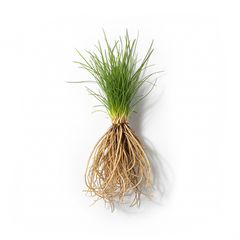
Grass is a heart note in perfumery, delivering a fresh, crisp, and sometimes herbal aroma. Its key molecule, cis-3-hexenol, defines its vibrant green character used at <5% concentration.

Grass
Ingredient Profile

Grass

Citrus Aromatic Family
Family Citrus Aromatic
Note Position Heart Note
Usage Level <5%
Key Origins United States, Brazil, Australia
Iconic In Original Vetiver, Splash Grass
The Ingredient

What does Grass smell like and why is it valued in perfumery?

Grass in perfumery is derived from various species of the Poaceae family, known for their fresh and vibrant aromas. The scent profile is characterized by green, crisp, and herbal qualities primarily due to the presence of cis-3-hexenol (leaf alcohol, CAS 928-96-1), along with cis-3-hexenal and trans-2-hexenal. These C6 green leaf volatiles (GLVs) are enzymatically produced when grass tissue is damaged, creating the distinctive freshly cut grass scent. In perfumery, grass functions mainly as a heart note, typically used at concentrations below 5%. It provides an immediate green freshness that awakens the senses and contributes an uplifting, airy quality to compositions. Grass accords are versatile, fitting both light and richer blends, and interact with skin chemistry by offering a clean, natural green aroma that can vary subtly depending on individual skin pH and moisture. Notable fragrances featuring grass include Guerlain's Original Vetiver (1961), where the note evokes honeyed dew on green lawns, and Marc Jacobs Splash Grass (2021), which presents a sour, floral green accord reminiscent of freshly mown fields. These examples illustrate grass's role as a fresh, naturalistic element in modern perfumery.

<5%
Typical concentration of grass notes in fragrance formulations, balancing freshness without overpowering.
1–3 Sprays
Recommended application amount to achieve a noticeable but not overwhelming grass presence.
4–6 Hours
Average longevity of grass-based fragrances on skin, supported by complementary resins and base notes.
Origin & Extraction

Where Grass Comes From — Origin & Extraction

Grass fragrance notes reflect the diverse geography of their botanical origins, with soil composition, climate, and harvesting methods influencing scent nuances. Regions with rich, moist soils and temperate climates tend to produce grass with brighter, fresher aromas, while drier, wild grasslands impart earthier, more resinous qualities.

Grass fragrance notes originate from various species within the Poaceae family, encompassing a wide range of grasses globally. Key producing regions include the United States, Brazil, and Australia, each contributing unique olfactory nuances due to differences in climate, soil, and grass species diversity. The US offers a variety of grass species from coastal plains to prairies, Brazil provides lush tropical grasslands with vibrant aromas, and Australia contributes wild grass varieties with earthy undertones. Direct extraction of essential oil from fresh grass is not commercially viable due to the volatile and unstable nature of the key aroma compounds. Instead, the grass scent is primarily recreated synthetically using molecules such as cis-3-hexenol and related green leaf volatiles. When natural extraction is pursued, solvent extraction or supercritical CO2 methods are employed to capture complex aromatic fractions from grass or related plant material, though yields are low and variable. Natural grass absolute costs range from $3,000 to $6,000 per kilogram, reflecting the complexity and labor intensity of extraction. Synthetic substitutes, including cis-3-hexenol and analogues, cost approximately $50 to $200 per kilogram and provide consistent, stable aroma profiles. Sustainability considerations favor synthetics due to reduced environmental impact and resource use compared to natural extraction.

US

United States

Diverse grass species from coastal plains to prairies provide a range of fresh, green scent profiles. The variety of climates and soils contributes to complex aromatic expressions. The US holds a significant share of grass species used for fragrance inspiration.

BR

Brazil

Brazil’s tropical grasslands yield vibrant, fresh aromas with a lush character. The warm, humid climate enhances the green and dewy facets of grass scents, celebrated for their invigorating qualities.

AU

Australia

Home to unique wild grass varieties, Australian grass notes carry an earthy, slightly resinous quality that reflects the continent’s vast and varied landscapes. These grasses contribute a distinctive olfactory depth.

Chemistry

Natural vs Synthetic Grass in Perfumery

The primary natural component responsible for the grass scent is cis-3-hexenol (CAS 928-96-1), a green leaf volatile produced enzymatically in plants upon tissue damage. Natural grass absolutes are complex and variable, containing a mixture of C6 compounds including cis-3-hexenal, trans-2-hexenal, and cis-3-hexenyl acetate. These natural extracts offer a rich, multi-dimensional green aroma but suffer from batch inconsistency and higher cost ($3,000–6,000/kg). Synthetic grass aroma chemicals, chiefly cis-3-hexenol and its analogues, provide a consistent, stable, and cost-effective alternative ($50–200/kg). They exhibit superior longevity and diffusion in fragrance compositions, making them preferred in modern perfumery. Famous fragrances such as Guerlain Original Vetiver employ natural-inspired accords, while Marc Jacobs Splash Grass relies on synthetic molecules for clarity and stability. Sustainability considerations favor synthetics due to lower environmental impact and supply chain transparency. The HumanSafe™ platform verifies ingredient safety and ethical sourcing. CA Perfume integrates both natural and synthetic grass components to balance olfactory complexity with performance and sustainability.

Natural
Grass Absolute
Cost $3,000–6,000/kg
Method Solvent / CO₂
Character Complex, variable
vs
Synthetic
Safranal & Analogues
Cost $50–200/kg
Method Lab synthesis
Character Consistent, stable
Hall of Fame

Famous Fragrances That Define Grass in Perfumery

1961
heart note

Original Vetiver

Guerlain
by Jean-Paul Guerlain
gingerorangevetiver
2021
heart note

Splash Grass

Marc Jacobs
floralsour green accords
2011
dominant note

Un Jardin Sur Le Toit

Hermès
by Jean-Claude Ellena
red applerose
2009
accent note

Vetyverio

Diptyque
by Fabrice Pellegrin
vetiverfloral
dominant note

Grass

Lush

Grass as a fragrance note has been employed in a variety of landmark perfumes, showcasing its versatility and fresh green character. Guerlain's Original Vetiver (1961), created by perfumer Jean-Paul Guerlain, uses grass-inspired accords to evoke honeyed dew on midsummer lawns, blending ginger and orange with a green heart. Marc Jacobs Splash Grass (2021) offers a more straightforward, sour and floral green scent, emphasizing the crispness of freshly cut grass in a casual, summery context. Hermès Un Jardin Sur Le Toit (2011), by Jean-Claude Ellena, features grass as a central theme, portraying lush green fields with a playful red apple note and subtle rose, capturing vibrant vitality. Diptyque's Vetyverio (2009), crafted by Fabrice Pellegrin, integrates grass with vetiver and floral notes to create a fresh, earthy composition. Lush Grass (year unknown) is a niche fragrance focusing on a pure grass accord, appreciated for its realistic green freshness. These fragrances demonstrate grass's role as a heart or accent note, bridging fresh, floral, and woody elements. CA Perfume's collection reflects this lineage by offering fragrances that highlight grass's fresh and natural qualities, emphasizing clarity and green vibrancy without overwhelming the composition.

The Accord

How is a captivating Grass accord crafted?

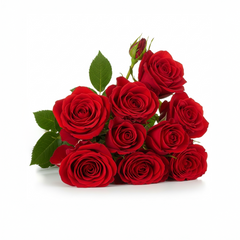
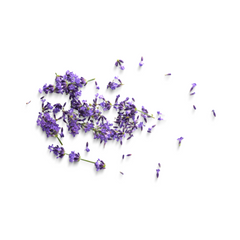
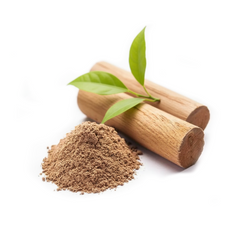
A harmonious grass accord balances fresh, green notes with complementary floral and herbal elements to enhance complexity and longevity. Cis-3-hexenol (grass) forms 30-35% of the blend, providing the crisp green character. Rose absolute (20-25%) shares damascenone compounds that bridge floral and green facets. Lavender (15-20%) adds herbal aromatic depth, complementing the green sharpness. Sandalwood (20-25%) anchors the accord with creamy, woody warmth, softening the sharp edges and extending longevity.

35%

Grass (cis-3-hexenol)

30–35% of blend

Provides the core fresh, green, and crisp character essential to the grass accord.

25%

Rose Absolute

20–25% of blend

Contributes floral depth and shares damascenone compounds that harmonize with grass.

20%

Lavender

15–20% of blend

Adds aromatic herbal nuances that complement and balance the green sharpness.

25%

Sandalwood

20–25% of blend

Provides creamy, woody warmth to soften and extend the accord’s longevity.

The Olfactory Layers

How Grass Evolves on Skin

Grass fragrances evolve from an initial sharp, green burst dominated by volatile C6 compounds like cis-3-hexenol, which evaporate quickly within the first 15 minutes. The heart phase, lasting 20–60 minutes, reveals a mellowing of the green sharpness into softer herbal and floral nuances as less volatile esters and aldehydes emerge. The base phase, extending for several hours, is supported by woody and resinous notes that provide depth and longevity, balancing the fleeting freshness of the grass accord.

I
Top notes
0–15 min
Crisp Green Burst

The top notes feature highly volatile green leaf volatiles such as cis-3-hexenol and cis-3-hexenal, creating an immediate fresh-cut grass impression. These molecules evaporate rapidly, delivering a crisp, sharp, and invigorating green burst reminiscent of freshly mown lawns.

FreshCrispGreen
II
Heart notes
20–60 min
Herbal and Floral Softening

The heart notes soften as esters like cis-3-hexenyl acetate and supporting floral and herbal compounds emerge. The green sharpness mellows into a soothing, herbal, and slightly sweet profile, blending with rose or lavender to add complexity and balance.

HerbalFloralMellow
III
Base notes
Several hours
Woody Warmth

The base notes consist of woody and resinous elements such as sandalwood and soft resins that provide a warm, creamy foundation. These notes anchor the fragrance, extending its longevity and balancing the transient green freshness.

WoodyWarmCreamy
TOP NOTES Crisp Green Burst 0–15 minutes HEART NOTES Herbal and Floral Softening 20–60 minutes BASE NOTES Woody Warmth Several hours
Through the Ages

The Story of Grass in Perfumery

Grass's olfactory role has evolved from natural green leaf volatiles identified in the mid-20th century to a staple in modern perfumery, with synthetic molecules enabling consistent and versatile use.

1959

Discovery of cis-3-hexenol

The molecule cis-3-hexenol, known as leaf alcohol, was first identified and characterized, becoming recognized as the primary compound responsible for the fresh cut grass scent.

1961

Original Vetiver by Guerlain

Jean-Paul Guerlain’s Original Vetiver introduced grass-inspired accords to mainstream perfumery, blending green freshness with woody and citrus notes.

2009

Vetyverio by Diptyque

Fabrice Pellegrin crafted Vetyverio, integrating grass notes with vetiver and florals, showcasing grass’s versatility in niche perfumery.

2011

Un Jardin Sur Le Toit by Hermès

Jean-Claude Ellena emphasized grass as a dominant note, paired with red apple and rose, capturing a vibrant green garden atmosphere.

2021

Splash Grass by Marc Jacobs

A modern, fresh interpretation of grass accords using synthetic molecules for clarity and longevity in a casual summer fragrance.

The Art of Layering

How to Layer Grass

Understanding how to layer grass involves combining it with notes that complement its green, crisp molecular profile. How to layer grass effectively requires knowledge of molecular interactions such as shared compounds and olfactory masking to create balanced accords.

01

Enhance Sweetness

Pair grass with vanilla or tonka bean to soften its sharpness. Vanillin masks metallic edges of cis-3-hexenol, creating a warm, inviting green accord. This technique is exemplified in Guerlain’s Vetiver, where vanilla rounds the green facets.

02

Add Depth

Combine grass with woody notes like sandalwood or vetiver. These base notes provide creamy, earthy support that anchors the volatile green top, extending longevity and adding complexity, as seen in Diptyque’s Vetyverio.

03

Lighten the Glow

Layer grass with citrus notes such as bergamot or lemon. Shared terpenes create a bright, sparkling effect that enhances freshness and adds a zesty lift, demonstrated in Hermès Un Jardin Sur Le Toit.

Wear It Right

How to Wear Grass Like a Pro

Seasonal Guide

Fall & Winter

Cooler temperatures reduce volatility, muting grass’s fresh top notes. Layering with warm woody or spicy notes can enhance longevity and add depth, making grass suitable for colder months.

Spring

Spring’s moderate temperatures highlight grass’s fresh and green qualities. Light application emphasizes renewal and vitality, perfect for transitional weather.

Summer

Heat amplifies grass’s crispness and projection, making it ideal for summer. Use lighter concentrations and reapply as needed to maintain freshness without overwhelming.

Year-Round Tip

Combine grass with complementary florals or soft woods to balance its volatility and create a versatile scent suitable for any season.

Application Points

Strategic application of grass fragrances enhances their fresh green impact and longevity.

1

Neck

Pulse points at the neck provide warmth that helps volatilize the green top notes, enhancing the fresh grass impression.

2

Behind the Ears

This area’s warmth and proximity to the nose allow the grass notes to be perceived clearly without overwhelming.

3

Inner Wrists

Wrists offer a moderate heat source and movement, helping to diffuse the crisp green scent subtly throughout the day.

4

Hair

Hair holds fragrance longer and releases it gradually, allowing the fresh green notes of grass to linger softly.

Pro Tip

Apply a light layer on clothing or scarves to extend the grass scent’s longevity without direct skin interaction, which can alter the scent.

Mood Architecture™

Top Grass Fragrances by Mood Score

These Grass-based fragrances scored highest on the MEI™ Mood Architecture Framework — measuring how a scent may influence your emotional state.

Highest MEI Score
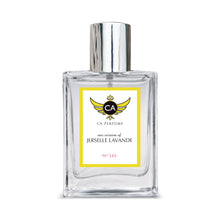
Jerselle Lavande — Jersey Alternative Perfume
7.2
MEI™
Primary Romantic
Secondary Grounding
Confidence
5.69
Presence
5.66
Mood Lift
8.39
Identity
5.74
Warmth
8.57
Social Ease
8.47
Energy
5.0
" I am beautiful.
View full mood profile →
Andromeda — Tiziana Terenzi Andromeda Alternative Perfume
6.84
MEI™
Primary Romantic
Secondary Confident
Confidence
5.99
Presence
6.19
Mood Lift
7.52
Identity
6.24
Warmth
8.0
Social Ease
7.44
Energy
3.5
" I am beautiful.
View full mood profile →
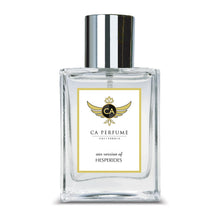
Hesperides — L'eau Des Hesperides Alternative Perfume
6.3
MEI™
Primary Fresh
Secondary Energizing
Confidence
6.11
Presence
6.14
Mood Lift
7.18
Identity
5.06
Warmth
5.82
Social Ease
6.21
Energy
6.8
" I am radiant.
View full mood profile →
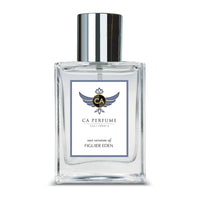
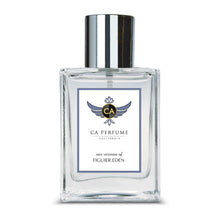
Figuier Eden — Figuer Eden Alternative Perfume
6.18
MEI™
Primary Fresh
Secondary Romantic
Confidence
5.91
Presence
6.05
Mood Lift
6.93
Identity
6.04
Warmth
6.17
Social Ease
6.14
Energy
3.9
" I am radiant.
View full mood profile →
HumanSafe™

Top Grass Fragrances by HumanSafe™ Score

These Grass-based fragrances have the highest product-level HumanSafe™ scores in this ingredient collection.

Highest HumanSafe™ Score
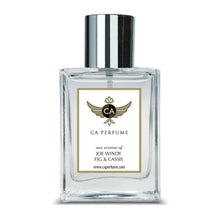
Joe Windy Fig & Cassis — Wild Fig & Cassis Alternative Perfume
A-
HumanSafe™ Score Generally Safe
Safest Evaluated Ingredients EDP
AQUA Solvent / Carrier ISS 10.0
1H-3A,7-METHANOAZULENE, OCTAHYDRO-6-METHOXY- Evaluated ingredient ISS 9.0
3-HEPTANONE, 5-METHYL-, OXIME Evaluated ingredient ISS 8.0
2-HEXENAL, (E)- Evaluated ingredient ISS 8.0
1,2-BENZENEDICARBOXYLIC ACID, DIETHYL ESTER Evaluated ingredient ISS 8.0
BETA-PINENE Evaluated ingredient ISS 7.0
View full safety profile →
Jerselle Lavande — Jersey Alternative Perfume
A-
HumanSafe™ Score Generally Safe
Safest Evaluated Ingredients EDP
AQUA Solvent / Carrier ISS 10.0
1,4-DIOXACYCLOHEPTADECANE-5,17-DIONE Evaluated ingredient ISS 10.0
OCTANAL, 2-(PHENYLMETHYLENE)- Evaluated ingredient ISS 8.0
3-BUTEN-2-ONE, 3-METHYL-4-(2,6,6-TRIMETHYL-2- Evaluated ingredient ISS 8.0
2H-1-BENZOPYRAN-2-ONE Evaluated ingredient ISS 8.0
REACTION MASS OF: (E)-OXACYCLOHEXADEC-12-EN-2- Evaluated ingredient ISS 7.0
View full safety profile →
Hesperides — L'eau Des Hesperides Alternative Perfume
A-
HumanSafe™ Score Generally Safe
Safest Evaluated Ingredients EDP
AQUA Solvent / Carrier ISS 10.0
3-CYCLOPENTENE-1-ACETALDEHYDE, 2,2,3-TRIMETHYL-, Evaluated ingredient ISS 9.0
2-OXABICYCLO[2.2.2]OCTANE, 1,3,3-TRIMETHYL- Evaluated ingredient ISS 9.0
CYCLOHEXANOL, 5-METHYL-2-(1-METHYLETHYL)-, (1R,2S,5R)- Evaluated ingredient ISS 8.0
CITRAL Evaluated ingredient ISS 8.0
LINALOOL Evaluated ingredient ISS 7.0
View full safety profile →
Figuier Eden — Figuer Eden Alternative Perfume
A-
HumanSafe™ Score Generally Safe
Safest Evaluated Ingredients EDP
AQUA Solvent / Carrier ISS 10.0
1,4-DIOXACYCLOHEPTADECANE-5,17-DIONE Evaluated ingredient ISS 10.0
AMBROXIDE Evaluated ingredient ISS 9.0
3-BUTEN-2-ONE, 3-METHYL-4-(2,6,6-TRIMETHYL-2- Evaluated ingredient ISS 8.0
View full safety profile →
Expert Voices

What Masters Say About Grass

Grass in perfumery is defined by the presence of cis-3-hexenol, which produces the fresh, green, and crisp scent reminiscent of freshly cut lawns. Its volatile nature requires careful formulation to balance freshness with longevity.
CA Perfume Editorial
The scent of freshly cut grass is actually a chemical distress signal emitted by plants, involving green leaf volatiles such as cis-3-hexenol and cis-3-hexenal, which are central to the green note in perfumery.
Andy Brunning, Compound Interest
Common Questions

Frequently Asked Questions

Common questions about grass in perfumery answered with technical detail.

Grass in perfume smells fresh, green, and crisp, primarily due to the molecule cis-3-hexenol, which imparts the characteristic freshly cut lawn aroma. It is often described as sharp and invigorating with subtle herbal undertones. Notable fragrances like Guerlain Original Vetiver and Marc Jacobs Splash Grass showcase this scent profile.

Grass typically functions as a heart note in perfumery. Its volatile green leaf compounds provide a fresh, crisp character that emerges after the initial top notes and before the base notes, usually lasting between 20 to 60 minutes on the skin.

Grass is favored in niche perfumery for its naturalistic and uplifting green character, which evokes freshness and vitality. Its versatility allows it to blend seamlessly with floral, woody, and citrus notes, creating complex and evocative compositions that appeal to consumers seeking authentic nature-inspired scents.

Grass fragrance uses best pair with rose, lavender, sandalwood, bergamot, and vetiver. These notes complement grass by sharing molecular compounds or providing olfactory masking, enhancing the green freshness while adding floral, woody, or citrus complexity.

Yes, grass perfumes are particularly suitable for summer and hot weather as heat enhances the volatility and projection of the fresh green notes, providing a crisp and invigorating scent that feels refreshing in warm conditions.

Grass fragrances typically last 4 to 6 hours on the skin. The green leaf volatiles are highly volatile and evaporate quickly, but their longevity is extended when combined with softer resins and woody base notes.

Yes, layering grass perfume with complementary notes such as vanilla, sandalwood, or citrus can enhance its freshness and longevity. Understanding how to layer grass involves combining notes that share molecular compatibility to create harmonious and balanced scent profiles.

For beginners, approachable grass perfumes include Marc Jacobs Splash Grass for a fresh and casual experience, and Guerlain Original Vetiver for a more complex, classic green scent. These offer clear grass notes without overwhelming complexity.

Choosing the right grass fragrance at CA Perfume involves considering your preference for intensity, accompanying notes, and seasonal suitability. Sampling options and expert guidance help select fragrances that highlight grass’s fresh green character while fitting your personal style.

Grass in fragrance primarily smells fresh and green with a slightly sweet undertone from chlorophyll-related compounds. It is not spicy but can be blended with spicy notes like ginger or pepper to add complexity.

Citrus Aromatic Collection

Explore Our Top Grass Fragrances

Discover a curated selection of fragrances that highlight the fresh, green essence of grass, perfect for those seeking natural and invigorating scents.

Shop all grass fragrances at CA Perfume →

Where Grass Comes From — Origin & Extraction

Grass fragrance notes originate from various species within the Poaceae family, encompassing a wide range of grasses globally. Key producing regions include the United States, Brazil, and Australia, each contributing unique olfactory nuances due to differences in climate, soil, and grass species diversity. The US offers a variety of grass species from coastal plains to prairies, Brazil provides lush tropical grasslands with vibrant aromas, and Australia contributes wild grass varieties with earthy undertones. Direct extraction of essential oil from fresh grass is not commercially viable due to the volatile and unstable nature of the key aroma compounds. Instead, the grass scent is primarily recreated synthetically using molecules such as cis-3-hexenol and related green leaf volatiles. When natural extraction is pursued, solvent extraction or supercritical CO2 methods are employed to capture complex aromatic fractions from grass or related plant material, though yields are low and variable. Natural grass absolute costs range from $3,000 to $6,000 per kilogram, reflecting the complexity and labor intensity of extraction. Synthetic substitutes, including cis-3-hexenol and analogues, cost approximately $50 to $200 per kilogram and provide consistent, stable aroma profiles. Sustainability considerations favor synthetics due to reduced environmental impact and resource use compared to natural extraction.

Famous Fragrances That Define Grass in Perfumery

Grass as a fragrance note has been employed in a variety of landmark perfumes, showcasing its versatility and fresh green character. Guerlain's Original Vetiver (1961), created by perfumer Jean-Paul Guerlain, uses grass-inspired accords to evoke honeyed dew on midsummer lawns, blending ginger and orange with a green heart. Marc Jacobs Splash Grass (2021) offers a more straightforward, sour and floral green scent, emphasizing the crispness of freshly cut grass in a casual, summery context. Hermès Un Jardin Sur Le Toit (2011), by Jean-Claude Ellena, features grass as a central theme, portraying lush green fields with a playful red apple note and subtle rose, capturing vibrant vitality. Diptyque's Vetyverio (2009), crafted by Fabrice Pellegrin, integrates grass with vetiver and floral notes to create a fresh, earthy composition. Lush Grass (year unknown) is a niche fragrance focusing on a pure grass accord, appreciated for its realistic green freshness. These fragrances demonstrate grass's role as a heart or accent note, bridging fresh, floral, and woody elements. CA Perfume's collection reflects this lineage by offering fragrances that highlight grass's fresh and natural qualities, emphasizing clarity and green vibrancy without overwhelming the composition.

Natural vs Synthetic Grass in Perfumery

The primary natural component responsible for the grass scent is cis-3-hexenol (CAS 928-96-1), a green leaf volatile produced enzymatically in plants upon tissue damage. Natural grass absolutes are complex and variable, containing a mixture of C6 compounds including cis-3-hexenal, trans-2-hexenal, and cis-3-hexenyl acetate. These natural extracts offer a rich, multi-dimensional green aroma but suffer from batch inconsistency and higher cost ($3,000–6,000/kg). Synthetic grass aroma chemicals, chiefly cis-3-hexenol and its analogues, provide a consistent, stable, and cost-effective alternative ($50–200/kg). They exhibit superior longevity and diffusion in fragrance compositions, making them preferred in modern perfumery. Famous fragrances such as Guerlain Original Vetiver employ natural-inspired accords, while Marc Jacobs Splash Grass relies on synthetic molecules for clarity and stability. Sustainability considerations favor synthetics due to lower environmental impact and supply chain transparency. The HumanSafe™ platform verifies ingredient safety and ethical sourcing. CA Perfume integrates both natural and synthetic grass components to balance olfactory complexity with performance and sustainability.