Ingredient Guide · Floral Green
Floral Green Family · Perfumery Note

Geranium

A heart note with minty, citrus, and green facets.

Geranium is a heart note in perfumery, prized for its rosy, green, and subtly minty aroma. Its scent is defined by key molecules like geraniol and citronellol, and it is typically used at 0.5–2% concentration for a vibrant, balancing effect.

Geranium
Ingredient Profile

Geranium

Floral Green Family
Family Floral Green
Note Position Top Note
Usage Level 0.5–2% in formula
Key Origins Morocco, Egypt, China
Iconic In Geranium Pour Monsieur, Eau Rose
The Ingredient

What does Geranium smell like and why is it essential in modern perfumery?

Geranium (Pelargonium graveolens) in perfumery is renowned for its multifaceted scent profile. What does geranium smell like? The answer is a complex interplay of rosy, green, and minty notes, underpinned by subtle citrus and herbal nuances. This olfactory character is primarily due to the presence of geraniol, citronellol, linalool, and isomenthone—molecules that together produce a scent reminiscent of rose but with a fresher, less powdery, and more invigorating edge. The green, leafy aspect is especially pronounced in Bourbon geranium oil, while French geranium leans more floral and refined. The overall effect is uplifting, slightly spicy, and crisp, making geranium a versatile ingredient in both masculine and feminine fragrances. In perfumery, geranium is classified as a heart (middle) note, typically used at concentrations of 0.5–2% in the finished composition. Its role is to bridge top citrus or herbal notes with deeper woody or resinous bases, providing both volume and a balancing freshness. Geranium’s interaction with skin chemistry is notable: its high content of alcohols and esters means it can smell greener or more rosy depending on individual skin pH and moisture. The ingredient is especially valued in fougère, chypre, and floral compositions, where it adds complexity and extends the longevity of more volatile top notes. Geranium in perfumery is exemplified in fragrances such as Frederic Malle Geranium Pour Monsieur (2009, Dominique Ropion), where it forms the cool, minty-green core, and Diptyque Eau Rose (2012, Fabrice Pellegrin), where geranium’s lemony-rosy nuance complements natural rose absolute. These examples highlight geranium’s ability to add vibrancy and structure, making it indispensable in both classic and contemporary scent design.

0.5–2% in formula
Geranium oil is typically used at 0.5–2% in fine fragrance compositions, balancing projection and complexity without overpowering other notes.
4–7 hours longevity
Geranium’s heart note character provides moderate longevity, with the rosy-minty heart persisting for 4–7 hours depending on concentration and skin chemistry.
<2.5% IFRA limit
IFRA restricts geranium oil concentration to below 2.5% in fine fragrance to minimize allergen risk from geraniol and citronellol.
Origin & Extraction

Where Geranium Comes From — Origin & Extraction

Geranium’s scent character is shaped by its growing region—soil, climate, and altitude all influence the balance of rosy, minty, and green notes in the oil.

Geranium essential oil used in perfumery is primarily derived from Pelargonium graveolens, commonly known as rose geranium. The plant is native to South Africa but is now cultivated extensively in Egypt, China, and the Indian Ocean islands of Réunion (Bourbon) and Madagascar. Morocco, particularly the Meknes region, is currently the largest producer by volume, with Egypt and China also contributing significant market shares. Annual global production of geranium oil is estimated at 350–400 metric tons, with Morocco and Egypt together accounting for over 60% of the supply. Extraction is performed mainly through steam distillation of the fresh or partially dried leaves and stems. The process involves loading plant material into a still, where pressurized steam volatilizes the essential oil components. The vapor is condensed, and the oil is separated from the hydrosol. Typical yields are 0.1–0.2% by weight of fresh material. For higher olfactory intensity, solvent extraction (using hexane) may be used to produce geranium absolute, though this is less common due to cost and trace solvent residues. The resulting oil is a greenish liquid rich in geraniol, citronellol, and linalool. Natural geranium oil costs approximately $200–350 per kg for Egyptian or Chinese grades, while Bourbon geranium from Réunion can exceed $600/kg due to its superior rosy-mint profile. Synthetic substitutes (e.g., synthetic geraniol, CAS 106-24-1) are available at $20–40/kg. Sustainability concerns include land use, water consumption, and the risk of monoculture in major producing regions. Organic cultivation is increasing, particularly in Madagascar, to address pesticide and soil health issues.

MA

Morocco

The Meknes region produces over 30% of global geranium oil, noted for its balanced rosy-green profile and high geraniol content. The semi-arid climate and mineral-rich soils yield oils with pronounced freshness and moderate minty undertones.

EG

Egypt

Nile Delta geranium is prized for its soft, floral character and subtle citrus nuance. Egypt supplies about 25% of the world’s geranium oil, with harvests peaking in late spring. The alluvial soils and warm climate favor high essential oil yield.

CN

China

Yunnan province produces a significant share of global geranium oil, characterized by a sharper, more herbaceous scent. Chinese geranium is valued for its cost-effectiveness and is widely used in commercial perfumery.

RE

Réunion (Bourbon)

Bourbon geranium from Réunion is the most prized, with a rich, fruity-mint rosy aroma and exceptional longevity. Production is limited (~5% of global supply), and the region’s volcanic soils and humid climate impart unique olfactory depth.

Chemistry

Natural vs Synthetic Geranium in Perfumery

Natural geranium oil is a complex mixture dominated by geraniol (CAS 106-24-1), citronellol (CAS 106-22-9), and linalool (CAS 78-70-6). Synthetic options include nature-identical geraniol and citronellol, as well as isomenthone (CAS 491-07-6) and rhodinol (a mixture of geraniol and citronellol isomers). Synthetic geranium notes offer greater olfactory consistency, batch-to-batch reproducibility, and improved stability in finished products. They are also less prone to allergen variability and are more cost-effective, with prices as low as $20–40/kg compared to $200–600/kg for natural oils. Performance-wise, synthetic geranium molecules often provide longer-lasting freshness and more pronounced projection, but may lack the subtle complexity and depth of natural extracts. Iconic fragrances such as Frederic Malle Geranium Pour Monsieur use both natural and synthetic geranium components to achieve a balanced, modern effect. Synthetics also allow perfumers to avoid seasonal supply fluctuations and reduce environmental impact by minimizing agricultural land use. From a safety perspective, both natural and synthetic geranium materials are subject to IFRA restrictions due to potential allergens (notably geraniol and citronellol). CA Perfume’s HumanSafe™ platform ensures full transparency in sourcing, allergen disclosure, and traceability for all geranium-containing fragrances. The platform prioritizes sustainable sourcing and clear labeling of natural vs synthetic content, supporting informed consumer choice.

Natural
Geranium Absolute
Cost $3,000–6,000/kg
Method Solvent / CO₂
Character Complex, variable
vs
Synthetic
Safranal & Analogues
Cost $50–200/kg
Method Lab synthesis
Character Consistent, stable
Hall of Fame

Famous Fragrances That Define Geranium in Perfumery

2009
dominant note

Geranium Pour Monsieur

Frederic Malle
by Dominique Ropion
mintclovesandalwood
2012
bridge note

Eau Rose

Diptyque
by Fabrice Pellegrin
roselycheemusk
2011
accent

Neroli Portofino

Tom Ford
by Rodrigo Flores-Roux
neroliorange blossombergamot
2015
dominant note

Geranium & Walnut

Jo Malone
by Anne Flipo
walnutmuskoakmoss
2005
dominant note

Geranium Bourbon

Miller Harris
by Lyn Harris
roseblack pepperpatchouli

Geranium’s versatility is showcased in a range of landmark fragrances across genres. In Frederic Malle Geranium Pour Monsieur (2009, Dominique Ropion), geranium is the dominant note, paired with mint, clove, and sandalwood to create a modern, green-fresh masculine. Diptyque Eau Rose (2012, Fabrice Pellegrin) uses geranium as a bridge note, linking natural rose absolute with lychee and musk for a luminous floral. Tom Ford Neroli Portofino (2011, Rodrigo Flores-Roux) incorporates geranium as an accent, adding green-citrus lift to the core of neroli and orange blossom. Jo Malone Geranium & Walnut (2015, Anne Flipo) demonstrates geranium’s ability to harmonize with nutty and woody notes, while Miller Harris Geranium Bourbon (2005, Lyn Harris) highlights the prized Bourbon geranium oil in a composition with rose, black pepper, and patchouli. Historically, geranium has been a staple in classic fougère and chypre fragrances, providing the green, rosy backbone in compositions such as Chanel Égoïste Platinum (1993, Jacques Polge) and Yves Saint Laurent Rive Gauche Pour Homme (2003, Jacques Cavallier). CA Perfume’s collection draws inspiration from this lineage, offering modern interpretations that emphasize geranium’s fresh, green, and floral facets.

The Accord

How is a captivating Geranium accord crafted?

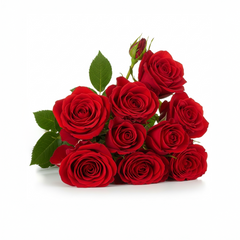
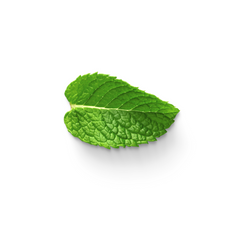
A classic geranium accord balances floral, green, and minty facets. Geranium oil (30–35%) provides the rosy-green core, while rose absolute (20–25%) enhances the floralcy through shared geraniol and citronellol content. Mint (15–20%) amplifies the cool, fresh aspect via menthone and isomenthone, and patchouli (25–30%) grounds the accord with earthy, woody depth, leveraging patchoulol’s fixative properties. This blend creates a multidimensional, long-lasting heart for both floral and fougère compositions.

35%

Geranium Oil

30–35% of blend

Geranium oil supplies the core rosy-green, minty aroma, driven by geraniol and citronellol, and acts as the central connector in the accord.

25%

Rose Absolute

20–25% of blend

Rose absolute reinforces the floralcy, sharing key molecules (geraniol, citronellol) with geranium for a seamless olfactory bridge.

20%

Mint

15–20% of blend

Mint introduces menthone and isomenthone, intensifying the cool, fresh aspect and enhancing the green, aromatic dimension.

30%

Patchouli

25–30% of blend

Patchouli’s patchoulol and sesquiterpenes provide earthy, woody depth and fixative power, extending the accord’s longevity.

The Olfactory Layers

How Geranium Evolves on Skin

Geranium’s olfactory evolution unfolds from bright, green-citrus top notes to a rosy, minty heart and a subtly earthy, woody base. High-volatility molecules evaporate first, revealing deeper facets over time.

I
Top notes
0–15 min
Green Citrus Spark

Geranium’s initial impression is shaped by highly volatile molecules like linalool and isomenthone, which impart a fresh, green, and slightly citrusy aroma. This stage is crisp and uplifting, with fleeting minty and herbal nuances that quickly transition to the heart.

GreenCitrusyMinty
II
Heart notes
20–60 min
Rosy Mint Core

The heart is dominated by geraniol and citronellol, producing a full-bodied rosy character with subtle fruity and spicy undertones. Minty freshness persists, balanced by a soft, floral sweetness. This stage defines geranium’s signature scent profile.

RosyFloralSpicy
III
Base notes
Several hours
Earthy Floral Drydown

As the fragrance dries down, less volatile sesquiterpenes and residual patchoulol (if present in the accord) provide a gentle, earthy-woody foundation. The green and rosy facets fade, leaving a soft, slightly powdery trail.

EarthyWoodyPowdery
TOP NOTES Green Citrus Spark 0–15 minutes HEART NOTES Rosy Mint Core 20–60 minutes BASE NOTES Earthy Floral Drydown Several hours
Through the Ages

The Story of Geranium in Perfumery

Geranium’s journey in perfumery spans centuries, from its introduction to Europe to its modern role in niche and designer fragrances.

1690

Introduction to Europe

Pelargonium graveolens is brought from South Africa to Europe, first cultivated in Dutch and English botanical gardens for its aromatic foliage.

19th Century

Commercial Cultivation Begins

Geranium is established as a major crop in the Nile Delta (Egypt) and Réunion. Steam distillation techniques are refined, and essential oil enters mainstream perfumery.

1930s

Rise in Fougere and Chypre Fragrances

Geranium becomes a key heart note in classic fougère and chypre compositions, valued for its ability to bridge citrus, floral, and woody elements.

2005

Niche Perfumery Embraces Geranium

Miller Harris Geranium Bourbon (Lyn Harris) spotlights Bourbon geranium oil, inspiring renewed interest in varietal and terroir-driven geranium notes.

2009–Present

Modern Interpretations

Contemporary fragrances such as Frederic Malle Geranium Pour Monsieur (Dominique Ropion) and Jo Malone Geranium & Walnut (Anne Flipo) showcase geranium’s versatility in both masculine and unisex scents.

The Art of Layering

How to Layer Geranium

Understanding how to layer geranium is key to maximizing its versatility. Geranium’s molecular structure (geraniol, citronellol) allows it to bridge floral, citrus, and woody notes, creating seamless transitions and enhancing complexity.

01

Enhance Floralcy

Layer geranium with rose or peony fragrances to amplify shared geraniol and citronellol content, creating a lush, multidimensional floral bouquet. Diptyque Eau Rose demonstrates this synergy, where geranium’s green freshness lifts the rose heart.

02

Add Green Freshness

Pair geranium with citrus or herbal notes (e.g., bergamot, mint) to accentuate its crisp, invigorating facets. Tom Ford Neroli Portofino uses geranium to bridge neroli and citrus, resulting in a sparkling, modern freshness.

03

Ground with Woods

Combine geranium with patchouli or sandalwood to anchor its brightness and add earthy depth. Miller Harris Geranium Bourbon blends geranium with patchouli, leveraging patchoulol’s fixative effect for a lasting, balanced drydown.

Wear It Right

How to Wear Geranium Like a Pro

Seasonal Guide

Fall & Winter

In cooler months, geranium’s rosy and spicy facets become more pronounced as lower temperatures slow molecular diffusion. Apply to pulse points under clothing for a subtle, long-lasting effect. Layer with woody or amber notes for warmth.

Spring

Spring’s moderate temperatures enhance geranium’s green and citrusy freshness. The note projects well without becoming overpowering. Pair with floral or herbal fragrances to emphasize vitality and clarity.

Summer

Heat increases the volatility of geranium’s top notes, amplifying its minty, citrusy brightness. Apply sparingly to avoid overwhelming projection, and consider layering with light citrus or aquatic notes for a refreshing effect.

Year-Round Tip

Geranium’s balanced scent profile makes it suitable for year-round wear. Adjust application quantity and layering partners to match the season and your desired scent intensity.

Application Points

Strategic application enhances geranium’s freshness and longevity, allowing its heart to shine.

1

Neck

Applying to the neck leverages body heat, accelerating the transition from green top notes to the rosy heart. This area maximizes projection for the first hour.

2

Behind the Ears

This pulse point allows for subtle diffusion, highlighting geranium’s floral and minty facets as the scent evolves throughout the day.

3

Inner Wrists

Wrist application enhances the perception of green and citrus notes, as frequent movement and warmth increase evaporation rates.

4

Hair

Spraying on hair provides a gentle, prolonged release of geranium’s scent, emphasizing its fresh, rosy character with each movement.

Pro Tip

Layer geranium-based fragrances with unscented moisturizer to slow evaporation and extend longevity, especially in dry climates.

Mood Architecture™

Top Geranium Fragrances by Mood Score

These Geranium-based fragrances scored highest on the MEI™ Mood Architecture Framework — measuring how a scent may influence your emotional state.

Highest MEI Score
Eau De Nuit Oud — Giorgio Armani Eau De Nuit Oud Alternative Cologne
8.8
MEI™
Primary Romantic
Secondary Confident
Confidence
9.08
Presence
9.32
Mood Lift
9.09
Identity
9.5
Warmth
9.5
Social Ease
7.92
Energy
3.3
" I am beautiful.
View full mood profile →
A Goodnight Kiss — A Goodnight Kiss Perfume Alternative Perfume
8.81
MEI™
Primary Romantic
Secondary Confident
Confidence
8.72
Presence
9.27
Mood Lift
9.25
Identity
9.23
Warmth
9.46
Social Ease
8.52
Energy
3.0
" I am beautiful.
View full mood profile →
Beautifully Me — Estee Lauder Beautiful Alternative Perfume
8.56
MEI™
Primary Romantic
Secondary Confident
Confidence
7.87
Presence
8.75
Mood Lift
9.5
Identity
8.27
Warmth
9.49
Social Ease
8.35
Energy
4.5
" I am beautiful.
View full mood profile →
Cacao Noir — Coco Noir Alternative Perfume
8.54
MEI™
Primary Romantic
Secondary Confident
Confidence
8.35
Presence
9.29
Mood Lift
8.75
Identity
9.26
Warmth
9.5
Social Ease
8.03
Energy
3.7
" I am beautiful.
View full mood profile →
HumanSafe™

Top Geranium Fragrances by HumanSafe™ Score

These Geranium-based fragrances have the highest product-level HumanSafe™ scores in this ingredient collection.

Highest HumanSafe™ Score
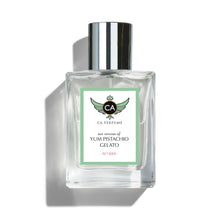
Yum Pistachio Gelato — Yum Pistachio Gelato 33 Alternative Perfume
A-
HumanSafe™ Score Generally Safe
Safest Evaluated Ingredients EDP
AQUA Solvent / Carrier ISS 10.0
AMBROXIDE Evaluated ingredient ISS 9.0
2H-1-BENZOPYRAN-2-ONE Evaluated ingredient ISS 8.0
LINALYL ACETATE Evaluated ingredient ISS 7.0
LINALOOL Evaluated ingredient ISS 7.0
View full safety profile →
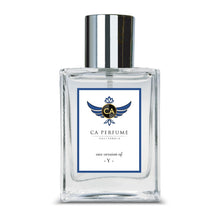
Y — YSL Y Alternative Cologne
#2
Y — YSL Y Alternative Cologne
Starting from $14.99
A-
HumanSafe™ Score Generally Safe
Safest Evaluated Ingredients EDP
AQUA Solvent / Carrier ISS 10.0
1,4-DIOXACYCLOHEPTADECANE-5,17-DIONE Evaluated ingredient ISS 10.0
7-OCTEN-2-OL, 2,6-DIMETHYL- Evaluated ingredient ISS 9.0
2-HEXENE, 6,6-DIMETHOXY-2,5,5-TRIMETHYL- Evaluated ingredient ISS 8.0
LINALYL ACETATE Evaluated ingredient ISS 7.0
LINALOOL Evaluated ingredient ISS 7.0
View full safety profile →
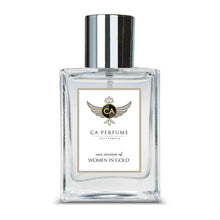
Women in Gold — Women In Gold Alternative Perfume
A-
HumanSafe™ Score Generally Safe
Safest Evaluated Ingredients EDP
AQUA Solvent / Carrier ISS 10.0
3-BUTEN-2-ONE, 3-METHYL-4-(2,6,6-TRIMETHYL-2- Evaluated ingredient ISS 8.0
LINALYL ACETATE Evaluated ingredient ISS 7.0
LINALOOL Evaluated ingredient ISS 7.0
ALCOHOL DENAT. Solvent / Carrier ISS 7.0
3-BUTEN-2-ONE, 4-(2,6,6-TRIMETHYL-1-CYCLOHEXEN-1- Evaluated ingredient ISS 7.0
View full safety profile →
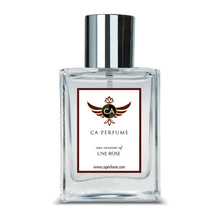
Une Rose — Frederic Malle Une Rose Alternative Perfume
A-
HumanSafe™ Score Generally Safe
Safest Evaluated Ingredients EDP
AQUA Solvent / Carrier ISS 10.0
ACETIC ACID, PHENYLMETHYL ESTER Evaluated ingredient ISS 10.0
3-BUTEN-2-ONE, 4-(2,6,6-TRIMETHYL-2-CYCLOHEXEN-1- Evaluated ingredient ISS 9.0
1H-3A,7-METHANOAZULEN-6-OL, OCTAHYDRO-3,6,8,8- Evaluated ingredient ISS 9.0
CITRONELLOL Evaluated ingredient ISS 7.0
View full safety profile →
Expert Voices

What Masters Say About Geranium

Geranium boasts a fresh, green aroma with subtle minty and citrusy undertones. Unlike pure rose notes, geranium has a slightly herbal and peppery quality, which perfectly balances its floral character.
LaBelle Perfumes Editorial
Geranium’s scent profile is both sweet and energizing, bringing a feeling of freshness and vitality to a fragrance composition.
CA Perfume Editorial
Common Questions

Frequently Asked Questions

Answers to common questions about geranium in perfumery, from scent profile to layering and seasonal use.

Geranium in perfume smells rosy, green, and minty, with subtle citrus and herbal facets. Its scent is defined by molecules like geraniol and citronellol, which create a fresh, uplifting, and slightly spicy aroma. Depending on the variety and origin, geranium can lean more floral (French type) or more minty and fruity (Bourbon type). This complexity makes it a versatile heart note, bridging floral, citrus, and woody elements in both masculine and feminine fragrances.

Geranium is classified as a heart (middle) note in fragrance compositions. It emerges after the initial top notes evaporate, typically within 15–20 minutes, and forms the core of the scent for the next several hours. Its moderate volatility and balanced molecular weight allow it to connect lighter top notes (like citrus or herbs) with deeper base notes (such as woods or resins), providing structure and complexity.

Geranium’s unique scent profile—combining rosy, green, minty, and citrus facets—makes it highly versatile for perfumers seeking complexity and freshness. Its ability to bridge disparate notes, enhance projection, and add a naturalistic quality has made it a staple in niche and artisanal fragrances. Additionally, geranium’s moderate cost and sustainability compared to rose absolute make it an attractive choice for innovative compositions.

Geranium fragrance uses include pairing with rose, mint, patchouli, bergamot, sandalwood, and lavender. These combinations leverage shared molecular components (e.g., geraniol, citronellol) or contrasting facets (minty freshness, woody depth) to create harmonious, multidimensional accords. For example, geranium and rose amplify floralcy, while geranium and patchouli add earthy complexity.

Yes, geranium’s fresh, green, and minty facets make it well-suited for summer and hot weather. Its moderate volatility ensures projection without becoming overwhelming, especially when paired with citrus or herbal notes. In high heat, apply sparingly to pulse points and consider layering with lighter, aquatic fragrances for optimal freshness.

Geranium-based fragrances typically last 4–7 hours, depending on concentration and skin chemistry. The heart note character persists through the mid-phase of the scent’s evolution, with the rosy-minty core remaining prominent before fading to a soft, powdery base. Longevity is enhanced in Parfum or Eau de Parfum formats.

Yes, geranium is highly compatible for layering due to its molecular structure. It can be layered with floral, citrus, woody, or herbal scents to enhance complexity and freshness. For best results, start with a geranium-based fragrance and add complementary notes such as rose, mint, or patchouli, adjusting proportions to suit your preference.

Recommended entry-point geranium perfumes include Diptyque Eau Rose, Jo Malone Geranium & Walnut, and Frederic Malle Geranium Pour Monsieur. These fragrances showcase geranium’s versatility in both floral and fresh contexts, making them accessible for those new to the note.

When choosing a geranium fragrance at CA Perfume, consider the desired scent profile—whether you prefer a greener, mintier, or more floral interpretation. Review the fragrance pyramid and note pairings to find a composition that aligns with your taste. CA Perfume provides detailed ingredient transparency and layering guidance for all geranium-based scents.

Geranium perfume balances both sweet and spicy facets. The sweetness comes from its rosy, floral core (geraniol, citronellol), while the spicy aspect is contributed by herbal and minty molecules (isomenthone, linalool). The overall effect is fresh, uplifting, and multidimensional, rather than purely sweet or spicy.

Floral Green Collection

Explore Our Top Geranium Fragrances

Discover CA Perfume’s best-selling geranium scents, each highlighting the note’s rosy, green, and minty complexity in modern and classic compositions.

Shop all geranium fragrances at CA Perfume →

Where Geranium Comes From — Origin & Extraction

Geranium essential oil used in perfumery is primarily derived from Pelargonium graveolens, commonly known as rose geranium. The plant is native to South Africa but is now cultivated extensively in Egypt, China, and the Indian Ocean islands of Réunion (Bourbon) and Madagascar. Morocco, particularly the Meknes region, is currently the largest producer by volume, with Egypt and China also contributing significant market shares. Annual global production of geranium oil is estimated at 350–400 metric tons, with Morocco and Egypt together accounting for over 60% of the supply. Extraction is performed mainly through steam distillation of the fresh or partially dried leaves and stems. The process involves loading plant material into a still, where pressurized steam volatilizes the essential oil components. The vapor is condensed, and the oil is separated from the hydrosol. Typical yields are 0.1–0.2% by weight of fresh material. For higher olfactory intensity, solvent extraction (using hexane) may be used to produce geranium absolute, though this is less common due to cost and trace solvent residues. The resulting oil is a greenish liquid rich in geraniol, citronellol, and linalool. Natural geranium oil costs approximately $200–350 per kg for Egyptian or Chinese grades, while Bourbon geranium from Réunion can exceed $600/kg due to its superior rosy-mint profile. Synthetic substitutes (e.g., synthetic geraniol, CAS 106-24-1) are available at $20–40/kg. Sustainability concerns include land use, water consumption, and the risk of monoculture in major producing regions. Organic cultivation is increasing, particularly in Madagascar, to address pesticide and soil health issues.

Famous Fragrances That Define Geranium in Perfumery

Geranium’s versatility is showcased in a range of landmark fragrances across genres. In Frederic Malle Geranium Pour Monsieur (2009, Dominique Ropion), geranium is the dominant note, paired with mint, clove, and sandalwood to create a modern, green-fresh masculine. Diptyque Eau Rose (2012, Fabrice Pellegrin) uses geranium as a bridge note, linking natural rose absolute with lychee and musk for a luminous floral. Tom Ford Neroli Portofino (2011, Rodrigo Flores-Roux) incorporates geranium as an accent, adding green-citrus lift to the core of neroli and orange blossom. Jo Malone Geranium & Walnut (2015, Anne Flipo) demonstrates geranium’s ability to harmonize with nutty and woody notes, while Miller Harris Geranium Bourbon (2005, Lyn Harris) highlights the prized Bourbon geranium oil in a composition with rose, black pepper, and patchouli. Historically, geranium has been a staple in classic fougère and chypre fragrances, providing the green, rosy backbone in compositions such as Chanel Égoïste Platinum (1993, Jacques Polge) and Yves Saint Laurent Rive Gauche Pour Homme (2003, Jacques Cavallier). CA Perfume’s collection draws inspiration from this lineage, offering modern interpretations that emphasize geranium’s fresh, green, and floral facets.

Natural vs Synthetic Geranium in Perfumery

Natural geranium oil is a complex mixture dominated by geraniol (CAS 106-24-1), citronellol (CAS 106-22-9), and linalool (CAS 78-70-6). Synthetic options include nature-identical geraniol and citronellol, as well as isomenthone (CAS 491-07-6) and rhodinol (a mixture of geraniol and citronellol isomers). Synthetic geranium notes offer greater olfactory consistency, batch-to-batch reproducibility, and improved stability in finished products. They are also less prone to allergen variability and are more cost-effective, with prices as low as $20–40/kg compared to $200–600/kg for natural oils. Performance-wise, synthetic geranium molecules often provide longer-lasting freshness and more pronounced projection, but may lack the subtle complexity and depth of natural extracts. Iconic fragrances such as Frederic Malle Geranium Pour Monsieur use both natural and synthetic geranium components to achieve a balanced, modern effect. Synthetics also allow perfumers to avoid seasonal supply fluctuations and reduce environmental impact by minimizing agricultural land use. From a safety perspective, both natural and synthetic geranium materials are subject to IFRA restrictions due to potential allergens (notably geraniol and citronellol). CA Perfume’s HumanSafe™ platform ensures full transparency in sourcing, allergen disclosure, and traceability for all geranium-containing fragrances. The platform prioritizes sustainable sourcing and clear labeling of natural vs synthetic content, supporting informed consumer choice.