Ingredient Guide · Musk, Amber, Animalic Smells
Musk, Amber, Animalic Smells Family · Perfumery Note

Genet

Honeyed florals and hay with animalic undertones.

Genet is a floral-animalic note in perfumery, derived from the flowers of Spartium junceum. Its absolute is prized for a honeyed, hay-like aroma with subtle tobacco and animalic nuances, used as a base or heart note at 0.1–1% concentration.

Genet
Ingredient Profile

Genet

Musk, Amber, Animalic Smells Family
Family Musk, Amber, Animalic Smells
Note Position Base Note
Usage Level 0.1–1% Concentration
Key Origins France, Italy, Spain
Iconic In Sculpture Rêverie, Rock + Roll Circus
The Ingredient

What does Genet smell like and why is it significant in perfumery?

Genet, also known as broom absolute, is derived from the flowers of Spartium junceum, a Mediterranean shrub. The scent profile of genet in perfumery is complex: it is primarily honeyed and sweet, with pronounced hay-like, coumarinic, and slightly tobacco nuances. The floral aspect is accented by rose-like and earthy undertones, while a subtle animalic facet adds rustic depth. The primary odorant molecules responsible for this profile include methyl anthranilate (providing the sweet, floral note), coumarin (hay-like warmth), and traces of indole and ionones, which contribute to its animalic and powdery facets. This unique combination gives genet its characteristic blend of floral, herbal, and animalic qualities, making it distinct among perfumery notes. The question "what does genet smell like" is often answered with references to its honeyed, hay, and animalic signature, which is both natural and slightly provocative. In perfumery, genet is classified as a heart to base note due to its moderate volatility and strong fixative properties. It is typically used at concentrations ranging from 0.1% to 1% in the composition, depending on the desired intensity. Genet interacts with skin chemistry by amplifying its sweet and animalic facets on warmer, more acidic skin, while cooler or more alkaline skin may emphasize its herbal and hay-like notes. Its tenacity and ability to harmonize with both floral and animalic accords make it a valuable modifier in complex blends, especially in chypre, fougère, and floral compositions. Genet in perfumery is appreciated for its ability to bridge the gap between fresh florals and deeper, musky bases, lending both radiance and depth. Notable fragrances that exemplify the use of genet include Nikos Sculpture Rêverie, where genet serves as a supporting note to amplify the honeyed floral heart, and Hart + Hedi Rock + Roll Circus, which leverages genet’s animalic and hay-like nuances to add rustic complexity. In Zoologist King Cobra, genet is used to evoke the sensation of sun-warmed fields and animalic undertones, demonstrating its versatility and impact in both niche and mainstream perfumery.

0.1–1% Concentration
Genet absolute is typically used at 0.1–1% of the total fragrance composition, providing sufficient impact without overpowering the blend due to its strong tenacity.
48 Hours Longevity
On a smelling strip, genet absolute can persist for up to 48 hours, reflecting the high molecular weight and low volatility of its key components.
$2,000–4,000/kg
The cost of natural genet absolute reflects its low extraction yield and labor-intensive harvest, making it one of the more expensive floral-animalic ingredients.
Origin & Extraction

Where Genet Comes From — Origin & Extraction

Genet’s scent character is shaped by Mediterranean climates, with arid soils and intense sunlight yielding flowers rich in methyl anthranilate and coumarin. Regional variations in soil and harvest timing influence the balance of floral, hay, and animalic notes.

Genet, in the context of perfumery, refers exclusively to the absolute extracted from the flowers of Spartium junceum, commonly known as Spanish broom. This leguminous shrub is native to the Mediterranean basin, thriving in arid, sandy soils across southern France, Italy, Spain, and parts of North Africa. The primary botanical source is Spartium junceum L., with the INCI designation SPARTIUM JUNCEUM FLOWER EXTRACT. France, particularly the Grasse region, is recognized as the leading producer of high-quality genet absolute, supplying an estimated 60–70% of the global market. Annual production volumes are limited due to the labor-intensive harvesting and low yield: approximately 1,000–1,500 kg of flowers are required to produce 1 kg of absolute, with solvent extraction yields typically ranging from 0.1% to 0.15% by weight. The extraction process involves harvesting the fresh flowers at peak bloom, followed by solvent extraction (traditionally using hexane, now often replaced by ethanol or supercritical CO2 for improved safety and sustainability). The resulting concrete is further processed with ethanol to yield the absolute, a thick, yellow-brown paste with high tenacity. Extraction is conducted at controlled temperatures (below 60°C) to preserve volatile odorants such as methyl anthranilate and coumarin. The cost of natural genet absolute is high, ranging from $2,000 to $4,000 per kg, reflecting both the low yield and the manual labor involved. Synthetic alternatives, based on reconstructed accords of methyl anthranilate, coumarin, and indole, are available at a fraction of the cost ($50–150 per kg), but lack the nuanced complexity of the natural extract. Sustainability considerations include the limited scale of wild harvesting and the need for responsible cultivation to avoid overexploitation. Most commercial genet absolute is now sourced from cultivated plantations in southern France and Italy, with some producers adhering to ISO 9235 standards for natural aromatic raw materials. There are no IFRA restrictions for genet absolute in category 4 (fine fragrance), and the ingredient is considered safe when used within standard perfumery concentrations.

FR

France

The Grasse region produces the highest quality genet absolute, with sandy soils and mild winters. French genet is prized for its balanced honeyed-floral and hay-like profile. Annual production is limited, with Grasse supplying 60–70% of the global market.

IT

Italy

Tuscany and Liguria regions cultivate Spartium junceum for perfumery. Italian genet is noted for its slightly greener, more herbal facets due to cooler spring harvests. Production is smaller scale, often artisanal, with strict quality controls.

ES

Spain

Andalusia and Catalonia provide wild-harvested genet, with drier soils and higher temperatures yielding a more intense, animalic absolute. Spanish genet is used primarily in regional niche perfumery, with limited export volumes.

MA

Morocco

Northern Morocco produces small quantities of genet, characterized by a pronounced hay and tobacco nuance due to arid conditions and late-season harvests. Moroccan genet is used in select artisanal blends.

Chemistry

Natural vs Synthetic Genet in Perfumery

Natural genet absolute is a complex mixture of volatile and semi-volatile compounds, including methyl anthranilate (CAS 134-20-3), coumarin (CAS 91-64-5), indole (CAS 120-72-9), and various ionones, which together produce its distinctive honeyed, hay-like, and animalic scent. The natural extract is prized for its tenacity, depth, and ability to evolve on the skin, but it is costly and subject to batch variability due to differences in harvest conditions and extraction methods. Synthetic genet accords are constructed using a combination of key aroma chemicals: methyl anthranilate for the sweet floral note, coumarin for hay-like warmth, and indole for animalic depth. Additional molecules such as alpha-ionone (CAS 127-51-5) and beta-ionone (CAS 14901-07-6) are used to recreate the powdery, violet-like undertones. Synthetic versions offer greater consistency, stability, and cost-effectiveness, with prices ranging from $50 to $150 per kg. Longevity and diffusion are generally comparable to the natural absolute, though the nuanced complexity and evolution of the natural material are difficult to fully replicate. Famous fragrances such as Nikos Sculpture Rêverie and Hart + Hedi Rock + Roll Circus utilize natural genet absolute for its multifaceted character, while more mainstream or mass-market compositions often rely on synthetic reconstructions for economic and regulatory reasons. Sustainability and ethical sourcing are increasingly important, with the HumanSafe™ platform providing transparency on ingredient origin and safety in CA Perfume’s formulations. Synthetic genet reduces pressure on wild and cultivated broom populations, but may lack the subtlety of the natural extract in high-end niche perfumery.

Natural
Genet Absolute
Cost $3,000–6,000/kg
Method Solvent / CO₂
Character Complex, variable
vs
Synthetic
Safranal & Analogues
Cost $50–200/kg
Method Lab synthesis
Character Consistent, stable
Hall of Fame

Famous Fragrances That Define Genet in Perfumery

1997
bridge note

Sculpture Rêverie

Nikos
rosemuskpowdery notes
2021
dominant note

Rock + Roll Circus

Hart + Hedi
rosetobaccoanimalic notes
2019
accent

Caffè Amaro

Bianco Profumo
coffeevanillaherbal notes
2022
supporting note

King Cobra

Zoologist Perfumes
by Shelley Waddington
green noteswoody notesanimalic notes
2025
supporting note

Guidance 46

Amouage
floral notesambermusk

Genet has played a nuanced yet significant role in both classic and contemporary perfumery, particularly within the floral, chypre, and animalic fragrance families. In Nikos Sculpture Rêverie (Nikos, 1997), genet is used as a bridge note, linking the sweet floral heart to a musky, powdery base. Hart + Hedi Rock + Roll Circus (2021) employs genet as a dominant note, amplifying its rustic, hay-like, and animalic character alongside rose and tobacco. Bianco Profumo Caffè Amaro (2019) features genet as an accent, adding honeyed warmth and subtle herbal complexity to a gourmand composition. In Zoologist King Cobra (2022), perfumer Shelley Waddington uses genet to evoke the sensation of sunlit fields and animalic undertones, paired with green and woody notes. Amouage Guidance 46 (2025) incorporates genet as a supporting note, lending a musky, slightly animalic nuance to a complex floral-amber structure. These fragrances demonstrate the versatility of genet in both niche and mainstream contexts, often paired with rose, vanilla, tobacco, and musky notes. CA Perfume’s collection draws inspiration from this lineage, offering interpretations that highlight genet’s multifaceted role in modern perfumery.

The Accord

How is a captivating Genet accord crafted?

A classic genet accord balances honeyed florals, hay-like warmth, and animalic undertones. Typical proportions: Genet absolute 25–30%, Rose absolute 20–25%, Coumarin 20–25%, Tobacco absolute 25–30%. Rose provides a floral bridge via shared methyl anthranilate, coumarin imparts hay-like warmth, and tobacco adds earthy, rustic depth. This blend creates a multifaceted, long-lasting accord.

30%

Genet Absolute

25–30% of blend

Provides the core honeyed, hay-like, and animalic character through methyl anthranilate and coumarin content.

25%

Rose Absolute

20–25% of blend

Adds floral sweetness and depth; shares methyl anthranilate, creating a seamless molecular bridge with genet.

25%

Coumarin

20–25% of blend

Imparts hay-like, warm undertones; supports the rustic, sweet aspects of genet and enhances longevity.

30%

Tobacco Absolute

25–30% of blend

Contributes earthy, slightly smoky nuances; reinforces the animalic and rustic qualities of the accord.

The Olfactory Layers

How Genet Evolves on Skin

Genet’s olfactory evolution begins with volatile floral and aldehydic notes, transitioning to a persistent heart of honeyed hay and ending with animalic, earthy base notes. The evaporation rate and molecular weight of methyl anthranilate and coumarin control the transition from top to base.

I
Top notes
0–15 min
Honeyed Florals

Initial impression is bright, sweet floral with aldehydic lift, driven by methyl anthranilate and minor ionones. These high-volatility compounds evaporate quickly, providing a fleeting, luminous opening before yielding to deeper facets.

honeyedaldehydicfloral
II
Heart notes
20–60 min
Hay and Coumarin

The heart reveals the core genet character: hay-like, coumarinic warmth, and rose-like sweetness. Coumarin and methyl anthranilate dominate, while subtle indole and tobacco nuances emerge, creating rustic complexity and moderate projection.

hay-likesweetrustic
III
Base notes
Several hours
Animalic Earth

As the fragrance dries down, animalic and earthy notes persist, anchored by indole, traces of tobacco, and residual coumarin. These heavier molecules provide remarkable tenacity, lingering on skin and textiles for up to 48 hours.

animalicearthytenacious
TOP NOTES Honeyed Florals 0–15 minutes HEART NOTES Hay and Coumarin 20–60 minutes BASE NOTES Animalic Earth Several hours
Through the Ages

The Story of Genet in Perfumery

Genet’s use in perfumery spans from ancient Mediterranean rituals to modern niche compositions, evolving from a regional floral note to a complex, animalic accent in contemporary fragrances.

Antiquity

Mediterranean Ritual Use

Spartium junceum flowers were used in ancient Greek and Roman ceremonies for their sweet, intoxicating aroma, often woven into garlands and used in early aromatic oils.

19th Century

Introduction to French Perfumery

Genet absolute production began in Grasse, France, with the development of solvent extraction methods enabling its use in fine fragrance. Early chypre and floral compositions featured genet as a modifier.

1970s

Rise in Niche and Artistic Perfume

Artisan perfumers in France and Italy revived genet for its rustic, animalic qualities, using it in experimental blends and limited editions.

2019

Gourmand and Modern Applications

Bianco Profumo’s Caffè Amaro showcased genet as an accent in gourmand compositions, pairing its honeyed warmth with coffee and vanilla.

2022

Niche Animalic Renaissance

Zoologist King Cobra, composed by Shelley Waddington, brought genet to the forefront of animalic perfumery, emphasizing its sun-warmed, rustic, and musky facets.

2025

Complex Florals in Modern Niche

Amouage Guidance 46 integrated genet as a supporting note in a complex floral-amber structure, highlighting its role as a bridge between sweet florals and musky bases.

The Art of Layering

How to Layer Genet

Understanding how to layer genet is key to maximizing its scent profile. Layering with complementary notes—such as rose, vanilla, or tobacco—leverages shared molecular compounds and olfactory masking to create harmonious, multifaceted blends.

01

Enhance Sweetness

Layering genet with rose or orange blossom amplifies the shared methyl anthranilate content, creating a seamless floral bridge. This technique is demonstrated in Nikos Sculpture Rêverie, where genet and rose combine for a luminous, honeyed heart.

02

Add Depth

Pairing genet with tobacco or leather notes leverages olfactory masking and shared coumarin content, deepening the rustic, animalic facets. Hart + Hedi Rock + Roll Circus exemplifies this approach, blending genet with tobacco for a complex, long-lasting base.

03

Lighten the Glow

Combining genet with citrus or green notes (such as bergamot or galbanum) introduces high-volatility molecules that brighten the opening and balance the sweetness. Zoologist King Cobra uses this technique to evoke sunlit fields and fresh air.

Wear It Right

How to Wear Genet Like a Pro

Seasonal Guide

Fall & Winter

Cooler temperatures slow the evaporation of genet’s volatile top notes, allowing the honeyed and hay-like heart to persist. The animalic base provides warmth and depth, making genet ideal for layering with spicy or woody fragrances in colder months.

Spring

Spring’s moderate temperatures and increased humidity enhance genet’s floral and green facets. Apply to pulse points for balanced projection, and consider pairing with fresh florals or citrus notes to highlight its luminous qualities.

Summer

Heat increases the volatility of genet’s top notes, emphasizing the bright, sweet floral opening but shortening the overall longevity. Apply lightly to avoid overwhelming projection, and layer with green or aquatic notes for a refreshing effect.

Year-Round Tip

Adjust application based on climate: use more concentrated formats or layer with fixatives in dry, cold weather; apply sparingly and pair with lighter notes in heat and humidity. Genet’s versatility allows it to adapt to diverse seasonal contexts.

Application Points

Strategic application enhances genet’s evolution and projection, with pulse points and hair offering distinct olfactory effects.

1

Neck

Applying genet to the neck leverages body heat to accelerate the transition from floral top notes to hay-like and animalic heart notes, enhancing projection and sillage.

2

Behind the Ears

This area maintains a stable temperature, allowing genet’s heart and base notes to persist and evolve gradually, creating a subtle, intimate scent trail.

3

Inner Wrists

Pulse points on the wrists amplify genet’s initial brightness and facilitate rapid evolution to the heart notes, ideal for experiencing the full olfactory arc.

4

Hair

Spraying genet on hair provides sustained release as the fragrance molecules are gradually released with movement, emphasizing the tenacious base notes.

★

Pro Tip

Layer genet with a neutral fixative (such as ambrette seed oil) on skin before application to extend longevity and enhance the animalic undertones.

Mood Architecture™

Top Genet Fragrances by Mood Score

These Genet-based fragrances scored highest on the MEI™ Mood Architecture Framework — measuring how a scent may influence your emotional state.

Highest MEI Score
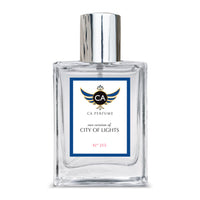
City Of Lights — Manhattan Alternative Perfume
7.8
MEI™
Primary Romantic
Secondary Confident
Confidence
7.2
Presence
7.95
Mood Lift
8.03
Identity
7.8
Warmth
9.5
Social Ease
7.44
Energy
3.94
" I am beautiful.
View full mood profile →
HumanSafe™

Top Genet Fragrances by HumanSafe™ Score

These Genet-based fragrances have the highest product-level HumanSafe™ scores in this ingredient collection.

Highest HumanSafe™ Score
City Of Lights — Manhattan Alternative Perfume
A-
HumanSafe™ Score Generally Safe
Safest Evaluated Ingredients EDP
AQUA Solvent / Carrier ISS 10.0
3-CYCLOPENTENE-1-ACETALDEHYDE, 2,2,3-TRIMETHYL-, Evaluated ingredient ISS 9.0
3-BUTEN-2-ONE, 3-METHYL-4-(2,6,6-TRIMETHYL-2- Evaluated ingredient ISS 8.0
LINALYL ACETATE Evaluated ingredient ISS 7.0
LINALOOL Evaluated ingredient ISS 7.0
CITRONELLOL Evaluated ingredient ISS 7.0
View full safety profile →
Expert Voices

What Masters Say About Genet

“
Genet absolute delivers an exotically sweet honeyed-floral character with distinctive rose-like facets and warm hay-coumarinic undertones, enriched by subtle tobacco, earthy, and intriguingly animalic nuances that create a sophisticated rustic elegance with remarkable tenacity.
Fraterworks (INCI: Spartium junceum flower extract)
“
In perfumery, genet is valued for its ability to bridge floral and animalic accords, providing both radiance and depth through its unique molecular composition.
CA Perfume Editorial
Common Questions

Frequently Asked Questions

Answers to common questions about genet’s scent, usage, and performance in perfumery.

Genet in perfume is characterized by a honeyed, hay-like, and subtly animalic aroma. The scent profile is shaped by methyl anthranilate (sweet floral), coumarin (hay), and traces of indole (animalic). On skin, it evolves from bright, sweet florals to a warm, rustic, and musky base, with excellent tenacity and complexity. Notable fragrances using genet include Nikos Sculpture Rêverie and Hart + Hedi Rock + Roll Circus.

Genet is typically classified as a heart to base note in perfumery. Its moderate volatility allows it to persist through the heart and into the base of a fragrance, providing both radiance and fixative properties. It is rarely used as a top note due to the heavier molecular weight of its key components.

Genet is favored in niche perfumery for its multifaceted scent profile, which combines floral, hay-like, and animalic nuances. Its ability to bridge disparate accords and add rustic complexity makes it a valuable tool for perfumers seeking to create unique, long-lasting compositions. Its high cost and limited availability also contribute to its niche status.

Genet fragrance uses often involve pairing with rose, vanilla, tobacco, and leather. These notes share molecular affinities (such as methyl anthranilate and coumarin) that create harmonious blends. Citrus and green notes can also be used to brighten genet’s sweetness, while woody and amber notes enhance its depth.

Genet can be worn in summer, but its projection and longevity are influenced by heat. High temperatures accelerate the evaporation of volatile top notes, emphasizing the floral opening but shortening the overall lifespan. For summer, apply lightly and consider layering with green or citrus notes for freshness.

Genet fragrances are known for their excellent longevity, with the absolute persisting for up to 48 hours on a smelling strip and 6–12 hours on skin, depending on concentration and formulation. The tenacity is due to the high molecular weight and low volatility of its key components.

Yes, genet is highly versatile for layering. It pairs well with florals (rose, jasmine), gourmands (vanilla, tonka bean), and woody or tobacco notes. Layering allows you to customize the scent profile, emphasizing either the sweet, floral, or animalic aspects depending on your preferences.

For those new to genet, fragrances like Nikos Sculpture Rêverie and Zoologist King Cobra offer accessible introductions to its scent profile. These compositions balance genet’s honeyed and hay-like notes with familiar florals and musks, making them suitable for a wide range of preferences.

Consider your preferred scent profile—whether you favor sweet florals, rustic hay, or animalic depth. CA Perfume’s collection offers a range of genet interpretations, from luminous blends to more complex, musky compositions. Sampling is recommended to find the best fit for your skin chemistry and style.

Genet’s balance of sweetness and animalic nuance makes it versatile for daily wear, especially at lower concentrations. Its complexity can be tailored through layering or pairing with lighter notes, ensuring it remains wearable and not overpowering for most occasions.

Musk, Amber, Animalic Smells Collection

Explore Our Top Genet Fragrances

Discover the most acclaimed genet-based fragrances in our collection, each showcasing the ingredient’s honeyed, hay-like, and animalic complexity.

Shop all genet fragrances at CA Perfume →

Where Genet Comes From — Origin & Extraction

Genet, in the context of perfumery, refers exclusively to the absolute extracted from the flowers of Spartium junceum, commonly known as Spanish broom. This leguminous shrub is native to the Mediterranean basin, thriving in arid, sandy soils across southern France, Italy, Spain, and parts of North Africa. The primary botanical source is Spartium junceum L., with the INCI designation SPARTIUM JUNCEUM FLOWER EXTRACT. France, particularly the Grasse region, is recognized as the leading producer of high-quality genet absolute, supplying an estimated 60–70% of the global market. Annual production volumes are limited due to the labor-intensive harvesting and low yield: approximately 1,000–1,500 kg of flowers are required to produce 1 kg of absolute, with solvent extraction yields typically ranging from 0.1% to 0.15% by weight. The extraction process involves harvesting the fresh flowers at peak bloom, followed by solvent extraction (traditionally using hexane, now often replaced by ethanol or supercritical CO2 for improved safety and sustainability). The resulting concrete is further processed with ethanol to yield the absolute, a thick, yellow-brown paste with high tenacity. Extraction is conducted at controlled temperatures (below 60°C) to preserve volatile odorants such as methyl anthranilate and coumarin. The cost of natural genet absolute is high, ranging from $2,000 to $4,000 per kg, reflecting both the low yield and the manual labor involved. Synthetic alternatives, based on reconstructed accords of methyl anthranilate, coumarin, and indole, are available at a fraction of the cost ($50–150 per kg), but lack the nuanced complexity of the natural extract. Sustainability considerations include the limited scale of wild harvesting and the need for responsible cultivation to avoid overexploitation. Most commercial genet absolute is now sourced from cultivated plantations in southern France and Italy, with some producers adhering to ISO 9235 standards for natural aromatic raw materials. There are no IFRA restrictions for genet absolute in category 4 (fine fragrance), and the ingredient is considered safe when used within standard perfumery concentrations.

Famous Fragrances That Define Genet in Perfumery

Genet has played a nuanced yet significant role in both classic and contemporary perfumery, particularly within the floral, chypre, and animalic fragrance families. In Nikos Sculpture Rêverie (Nikos, 1997), genet is used as a bridge note, linking the sweet floral heart to a musky, powdery base. Hart + Hedi Rock + Roll Circus (2021) employs genet as a dominant note, amplifying its rustic, hay-like, and animalic character alongside rose and tobacco. Bianco Profumo Caffè Amaro (2019) features genet as an accent, adding honeyed warmth and subtle herbal complexity to a gourmand composition. In Zoologist King Cobra (2022), perfumer Shelley Waddington uses genet to evoke the sensation of sunlit fields and animalic undertones, paired with green and woody notes. Amouage Guidance 46 (2025) incorporates genet as a supporting note, lending a musky, slightly animalic nuance to a complex floral-amber structure. These fragrances demonstrate the versatility of genet in both niche and mainstream contexts, often paired with rose, vanilla, tobacco, and musky notes. CA Perfume’s collection draws inspiration from this lineage, offering interpretations that highlight genet’s multifaceted role in modern perfumery.

Natural vs Synthetic Genet in Perfumery

Natural genet absolute is a complex mixture of volatile and semi-volatile compounds, including methyl anthranilate (CAS 134-20-3), coumarin (CAS 91-64-5), indole (CAS 120-72-9), and various ionones, which together produce its distinctive honeyed, hay-like, and animalic scent. The natural extract is prized for its tenacity, depth, and ability to evolve on the skin, but it is costly and subject to batch variability due to differences in harvest conditions and extraction methods. Synthetic genet accords are constructed using a combination of key aroma chemicals: methyl anthranilate for the sweet floral note, coumarin for hay-like warmth, and indole for animalic depth. Additional molecules such as alpha-ionone (CAS 127-51-5) and beta-ionone (CAS 14901-07-6) are used to recreate the powdery, violet-like undertones. Synthetic versions offer greater consistency, stability, and cost-effectiveness, with prices ranging from $50 to $150 per kg. Longevity and diffusion are generally comparable to the natural absolute, though the nuanced complexity and evolution of the natural material are difficult to fully replicate. Famous fragrances such as Nikos Sculpture Rêverie and Hart + Hedi Rock + Roll Circus utilize natural genet absolute for its multifaceted character, while more mainstream or mass-market compositions often rely on synthetic reconstructions for economic and regulatory reasons. Sustainability and ethical sourcing are increasingly important, with the HumanSafe™ platform providing transparency on ingredient origin and safety in CA Perfume’s formulations. Synthetic genet reduces pressure on wild and cultivated broom populations, but may lack the subtlety of the natural extract in high-end niche perfumery.