Ingredient Guide · Fruity
Fruity Family · Perfumery Note

Fruity Notes

Lively, mouthwatering, and endlessly versatile in perfumery.

Fruity notes are a cornerstone of contemporary perfumery, typically occupying the top or heart of a fragrance pyramid. Their character is defined by synthetic aroma molecules that mimic the juicy, sweet, or tart facets of real fruits, with gamma-undecalactone and frambinone among the most important.

Fruity Notes
Ingredient Profile

Fruity Notes

Fruity Family
Family Fruity
Note Position Heart Note
Usage Level 1–5%
Key Origins China, France, Switzerland
Iconic In Mitsouko, Femme
The Ingredient

What does Fruity Notes smell like and why are they so significant in perfumery?

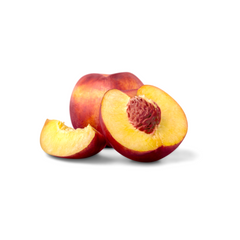
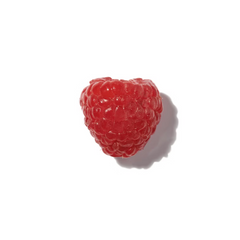
Fruity notes in perfumery encompass a broad spectrum of olfactory impressions, from the tartness of berries to the creamy sweetness of stone fruits and the tropical brightness of pineapple or mango. Unlike citrus (hesperidic) notes, which are extracted from peels, most fruity notes are constructed using synthetic aroma molecules. Key compounds include gamma-undecalactone (peach/nectarine), frambinone (raspberry), and ethyl maltol (sweet, jammy berry). These molecules are chosen for their ability to evoke the recognizable juiciness, tang, or velvety skin of real fruits, often with a candied or slightly lactonic undertone. The result is a scent profile that is immediately accessible, vibrant, and often associated with youthfulness or playfulness. In perfumery, fruity notes are most commonly used as top or heart notes. Their volatility means they provide an initial burst of freshness and sweetness, but certain synthetic molecules (like C14 aldehyde for peach or prunol for plum) can persist into the heart, lending a creamy or jammy depth. Typical concentrations of fruity notes in a finished fragrance range from 1–5%, depending on the desired intensity and the volatility of the molecule. On skin, fruity notes can be influenced by individual pH and moisture, sometimes amplifying sweetness or revealing subtle green or woody facets as the composition evolves. This dynamic interaction is why the question "what does fruity notes smell like" is so relevant for wearers seeking a personalized scent experience. Fruity notes in perfumery have defined many iconic fragrances. Guerlain Mitsouko (1919, Jacques Guerlain) was the first to use a synthetic peach note (gamma-undecalactone), while Mugler Angel (1992, Olivier Cresp) pioneered the use of ethyl maltol for a berry-candy effect. More recent examples include Tom Ford Lost Cherry (2018, Louise Turner), which uses a cherry-almond accord, and Xerjoff Erba Pura (2013), which blends a medley of synthetic tropical fruits for a photorealistic effect. These compositions demonstrate the versatility and enduring appeal of fruity notes in both mainstream and niche perfumery.

1–5%
Typical concentration of fruity aroma chemicals in a finished fragrance, balancing impact with volatility and ensuring a naturalistic effect.
20–200 $/kg
Approximate cost range for synthetic fruity aroma chemicals (gamma-undecalactone, frambinone), making them accessible for both niche and mass-market perfumery.
<0.1%
IFRA-restricted maximum for blackcurrant bud absolute due to sensitization risk, highlighting the importance of safety in natural fruity materials.
Origin & Extraction

Where Fruity Notes Comes From — Origin & Extraction

The scent character of fruity notes is shaped by the origin of natural absolutes (osmanthus, blackcurrant bud) and the manufacturing standards of synthetic aroma chemicals. Soil, climate, and extraction methods all influence the nuance of natural materials, while synthetics offer global consistency.

Fruity notes are primarily synthetic constructs in modern perfumery. The high water content of most fruits makes direct extraction of their scent impractical, as distillation or solvent extraction typically yields little to no olfactory material. Notable exceptions include blackcurrant bud absolute (Ribes nigrum) and osmanthus absolute (Osmanthus fragrans), which offer natural fruity nuances—blackcurrant with a green, sulfurous facet and osmanthus with apricot-leather tones. However, the vast majority of fruity notes are built from synthetic aroma chemicals. Key molecules include gamma-undecalactone (peach, CAS 112-12-9), frambinone (raspberry, CAS 3572-06-3), ethyl maltol (sweet berry, CAS 4940-11-8), and C16 aldehyde (strawberry, CAS 104-61-0). These are produced via chemical synthesis, often from petrochemical feedstocks or biotechnological processes. Citrus fruits (bergamot, orange, lemon) are the exception, as their essential oils are obtained by cold expression of the peel, yielding up to 0.3–0.5% oil by weight. For other fruits, headspace technology is sometimes used to analyze the volatile profile, which is then reconstructed using synthetics. The cost of synthetic fruity aroma chemicals ranges from $20–$200 per kg, depending on purity and complexity, while natural absolutes like blackcurrant bud can exceed $10,000/kg due to low yield and labor-intensive harvesting. Sustainability considerations favor synthetics, as large-scale extraction of natural fruit absolutes is rarely viable or environmentally sound. Major manufacturers of fruity aroma chemicals include Firmenich, Givaudan, IFF, and Symrise, with ongoing innovation in green chemistry and biotechnology to reduce environmental impact.

CN

China

Guangxi and Sichuan provinces are leading producers of osmanthus absolute, prized for its apricot-leather nuance. The region’s subtropical climate and red clay soils yield osmanthus flowers with high beta-ionone content, producing a richer, more complex aroma. Annual production is limited, making Chinese osmanthus a luxury material.

FR

France

Grasse, in Provence, is a historical center for blackcurrant bud absolute (bourgeons de cassis). The region’s cool climate and limestone soils contribute to a green, sulfurous, and intensely fruity profile. French blackcurrant bud is highly regulated and used sparingly due to cost and IFRA guidelines.

CH

Switzerland

Switzerland is home to major aroma chemical manufacturers (Firmenich, Givaudan) producing high-purity synthetic fruity molecules. Strict environmental standards and advanced biotechnology ensure consistent quality and safety in large-scale production.

US

United States

The US, particularly New Jersey and Texas, hosts significant aroma chemical plants specializing in esters and lactones for fruity accords. American facilities emphasize green chemistry and supply chain transparency, supporting global perfumery markets.

Chemistry

Natural vs Synthetic Fruity Notes in Perfumery

The vast majority of fruity notes in perfumery are synthetic, as the direct extraction of most fruit aromas is chemically unfeasible. Notable synthetic molecules include gamma-undecalactone (peach, CAS 112-12-9), frambinone (raspberry, CAS 3572-06-3), and ethyl maltol (berry-candy, CAS 4940-11-8). These compounds offer high stability, consistent quality, and strong diffusion, making them ideal for both fine fragrance and functional products. Natural fruity notes are limited to a few materials, such as blackcurrant bud absolute (Ribes nigrum) and osmanthus absolute (Osmanthus fragrans), which are used sparingly due to high cost and limited availability. For example, blackcurrant bud absolute can cost over $10,000/kg and is subject to IFRA restrictions due to potential sensitization. Synthetic fruity notes are favored for their performance: they offer greater longevity, projection, and batch-to-batch consistency compared to natural extracts. Iconic fragrances such as Guerlain Mitsouko (1919) and Mugler Angel (1992) rely on synthetic peach and berry notes, respectively, while modern compositions like Tom Ford Lost Cherry (2018) use a blend of synthetic cherry and almond molecules. Sustainability is a key advantage of synthetics, as they avoid the agricultural and ecological impact of large-scale fruit harvesting. The HumanSafe™ platform at CA Perfume ensures full transparency and safety assessment for all synthetic aroma chemicals used in fruity accords, with a focus on minimizing allergenicity and environmental footprint.

Natural
Fruity Notes Absolute
Cost $3,000–6,000/kg
Method Solvent / CO₂
Character Complex, variable
vs
Synthetic
Safranal & Analogues
Cost $50–200/kg
Method Lab synthesis
Character Consistent, stable
Hall of Fame

Famous Fragrances That Define Fruity Notes in Perfumery

1919
dominant note

Mitsouko

Guerlain
by Jacques Guerlain
oakmossrosespices
1944
heart note

Femme

Rochas
by Edmond Roudnitska
plumroseoakmossspices
1987
dominant note

Calyx

Prescriptives
by Sophia Grojsman
melonpassionfruitgreen notesflorals
1992
dominant note

Angel

Mugler
by Olivier Cresp
red berriespatchoulivanillapraline
2018
dominant note

Lost Cherry

Tom Ford
by Louise Turner
bitter almondtonka beanTurkish rose
2013
dominant note

Erba Pura

Xerjoff
citrusmuskamber

Fruity notes have shaped the evolution of modern perfumery, from the early use of synthetic peach in Guerlain Mitsouko (1919, Jacques Guerlain) to the berry-candy explosion of Mugler Angel (1992, Olivier Cresp). Mitsouko was groundbreaking for its use of gamma-undecalactone, creating a velvety, abstract peach effect that bridged chypre and floral notes. Femme Rochas (1944, Edmond Roudnitska) introduced the prunol base for a rich, plummy heart, while Prescriptives Calyx (1987, Sophia Grojsman) pioneered the use of watery and tropical fruit synthetics for a fresh, exuberant character. Mugler Angel, with its overdose of ethyl maltol, redefined the gourmand category and inspired a generation of sweet, fruity fragrances. In the 21st century, Tom Ford Lost Cherry (2018, Louise Turner) brought cherry-almond sophistication to the mainstream, and Xerjoff Erba Pura (2013) became a benchmark for photorealistic, multi-fruit accords in niche perfumery. These fragrances demonstrate the versatility of fruity notes as dominant, bridge, or accent notes, often paired with florals, woods, or gourmand elements. CA Perfume’s collection draws inspiration from this lineage, offering contemporary interpretations that balance vibrancy with complexity.

The Accord

How is a captivating Fruity Notes accord crafted?

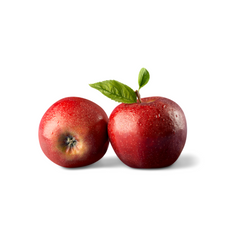
A modern fruity accord is built by blending synthetic peach (gamma-undecalactone, 25–30%), raspberry (frambinone, 20–25%), apple (hexyl acetate, 20–25%), and a creamy base of sandalwood (25–30%). Gamma-undecalactone provides velvety, lactonic sweetness; frambinone adds tart, juicy berry facets; hexyl acetate imparts crisp, green-apple freshness; sandalwood anchors the accord, smoothing transitions and enhancing longevity through its fixative properties.

30%

Peach (gamma-undecalactone)

25–30% of blend

Gamma-undecalactone delivers a velvety, creamy peach aroma with high volatility, forming the core of the fruity accord.

25%

Raspberry (frambinone)

20–25% of blend

Frambinone provides tart, juicy berry facets and enhances the realism of the fruit profile through its green, slightly woody undertone.

25%

Apple (hexyl acetate)

20–25% of blend

Hexyl acetate imparts crisp, green-apple freshness, increasing the top note lift and adding a clean, juicy effect.

30%

Sandalwood

25–30% of blend

Sandalwood acts as a fixative, smoothing transitions between volatile fruit molecules and providing creamy, woody depth.

The Olfactory Layers

How Fruity Notes Evolves on Skin

Fruity notes evolve rapidly due to their high volatility. Top notes (0–15 minutes) deliver an immediate burst of juiciness, driven by low molecular weight esters and lactones. Heart notes (20–60 minutes) reveal deeper, creamy or jammy fruit facets, while base notes (several hours) are anchored by woody, musky, or gourmand elements that extend the impression of fruit through slow-evaporating fixatives.

I
Top notes
0–15 min
Juicy Burst

The opening is dominated by volatile esters (e.g., ethyl butyrate, hexyl acetate) and lactones (gamma-undecalactone), which provide a juicy, effervescent impression of fresh-cut fruit. These molecules evaporate quickly, creating an immediate sense of brightness and sweetness that defines the first impression.

JuicyBrightEffervescent
II
Heart notes
20–60 min
Creamy Jam

As the top notes dissipate, heavier fruity synthetics (frambinone, prunol, C16 aldehyde) and floral or woody companions emerge. The heart is characterized by a creamy, jammy, or slightly green nuance, with molecules like frambinone and prunol persisting due to their moderate volatility.

CreamyJammyLactonic
III
Base notes
Several hours
Soft Trail

The base is anchored by fixatives such as sandalwood, musks, and amber, which slow the evaporation of residual fruit molecules. Subtle fruity nuances may linger, especially when paired with vanilla or woody notes, creating a soft, gourmand trail.

SoftGourmandWoody
TOP NOTES Juicy Burst 0–15 minutes HEART NOTES Creamy Jam 20–60 minutes BASE NOTES Soft Trail Several hours
Through the Ages

The Story of Fruity Notes in Perfumery

The history of fruity notes in perfumery spans over a century, from early synthetic innovations to contemporary multi-fruit accords.

1919

First Synthetic Peach Note in Mitsouko

Jacques Guerlain introduces gamma-undecalactone (peach aldehyde) in Mitsouko, marking the debut of a synthetic fruity note in fine fragrance. This innovation paves the way for abstract fruit effects in chypre compositions.

1944

Prunol Base in Femme Rochas

Edmond Roudnitska uses the prunol base to create a rich, plummy heart in Femme Rochas. This lactonic accord becomes a reference for stone fruit notes in perfumery.

1987

Calyx Launches Fruity Florals

Sophia Grojsman’s Calyx for Prescriptives blends melon, passionfruit, and green notes, pioneering the modern fruity-floral genre and expanding the palette of synthetic fruit molecules.

1992

Angel and the Gourmand Revolution

Olivier Cresp’s Angel for Mugler introduces ethyl maltol, creating a berry-candy effect that defines the gourmand category and inspires a wave of sweet, fruity fragrances.

2013

Photorealistic Fruits in Xerjoff Erba Pura

Xerjoff’s Erba Pura uses a blend of modern synthetic fruit molecules to achieve a hyper-realistic, multi-fruit accord, setting a new standard for niche fruity fragrances.

The Art of Layering

How to Layer Fruity Notes

Understanding how to layer fruity notes is key to creating a multidimensional fragrance. At a molecular level, fruity esters and lactones pair well with floral, woody, and gourmand notes due to shared volatiles and olfactory masking effects.

01

Enhance Sweetness

Layering fruity notes with vanilla or tonka bean amplifies sweetness through olfactory masking: vanillin and coumarin molecules suppress tart facets, creating a smoother, dessert-like effect. This is demonstrated in Mugler Angel (1992), where red berries and vanilla form a gourmand synergy.

02

Add Depth

Pairing fruity notes with sandalwood or patchouli introduces woody fixatives that slow evaporation and add creamy, earthy undertones. In Guerlain Mitsouko (1919), peach is anchored by oakmoss and woods, creating a chypre-fruity bridge.

03

Lighten the Glow

Combining fruity notes with citrus (bergamot, grapefruit) or green notes (galbanum) increases volatility and freshness, lifting the fruit accord and preventing heaviness. Jo Malone English Pear & Freesia (2010) uses this technique for a crisp, airy effect.

Wear It Right

How to Wear Fruity Notes Like a Pro

Seasonal Guide

Fall & Winter

In cooler months, the volatility of fruity notes is suppressed, leading to a softer, more subdued projection. Opt for fragrances with deeper, jammy fruit accords (plum, cherry, fig) paired with woods or spices. Apply to pulse points under clothing for a cozy, lingering effect.

Spring

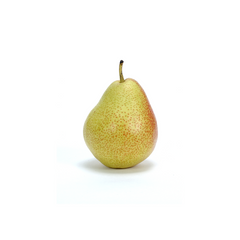
Spring’s moderate temperatures allow fruity notes to bloom without overwhelming. Choose compositions with crisp apple, pear, or berry notes, often paired with green or floral elements. Apply to neck and wrists for a fresh, uplifting aura.

Summer

Heat increases the volatility of fruity esters, intensifying the initial juiciness but reducing longevity. Tropical fruits (pineapple, mango, melon) excel in this context. Apply lightly and reapply as needed, focusing on cooler areas like the inner elbows or behind the knees.

Year-Round Tip

Layer fruity fragrances with musks or woods to modulate their sweetness and extend wear. Adjust application based on climate: lighter in heat, more generous in cold. Experiment with layering to create a signature scent that adapts to your environment.

Application Points

Strategic application enhances the evolution and longevity of fruity notes, maximizing their impact.

1

Neck

Applying to the neck leverages body heat to accelerate the release of volatile esters, intensifying the juicy opening and ensuring the scent is perceptible to those nearby.

2

Behind the Ears

This area is slightly cooler, slowing evaporation and allowing the creamy or jammy heart notes to linger, especially as the fragrance evolves.

3

Inner Wrists

Pulse points on the wrists provide warmth and movement, enhancing projection and allowing for easy reapplication throughout the day.

4

Hair

Spraying on hair or a hairbrush creates a subtle, long-lasting sillage, as hair fibers retain lighter esters and lactones, gradually releasing the fruity aroma.

Pro Tip

Layer fruity fragrances over unscented lotion or body oil to slow evaporation, intensify the heart notes, and create a more persistent, enveloping effect.

Mood Architecture™

Top Fruity Notes Fragrances by Mood Score

These Fruity Notes-based fragrances scored highest on the MEI™ Mood Architecture Framework — measuring how a scent may influence your emotional state.

Highest MEI Score
Black Orchid — Tom Ford Black Orchid Alternative Perfume
8.33
MEI™
Primary Romantic
Secondary Confident
Confidence
7.84
Presence
8.66
Mood Lift
8.87
Identity
8.98
Warmth
9.5
Social Ease
7.93
Energy
3.7
" I am beautiful.
View full mood profile →
Cedrat Boise — Mancera Cedrat Boise Alternative Perfume
8.31
MEI™
Primary Romantic
Secondary Confident
Confidence
7.85
Presence
8.35
Mood Lift
9.05
Identity
7.96
Warmth
9.14
Social Ease
8.03
Energy
5.3
" I am beautiful.
View full mood profile →
Madame Couture Intense — Coco Mademoiselle Intense Alternative Perfume
8.08
MEI™
Primary Romantic
Secondary Confident
Confidence
7.34
Presence
7.86
Mood Lift
8.77
Identity
8.15
Warmth
9.5
Social Ease
8.09
Energy
3.7
" I am beautiful.
View full mood profile →
Comandante — Xerjoff Impression Comandante Alternative Perfume
7.42
MEI™
Primary Romantic
Secondary Confident
Confidence
6.47
Presence
8.1
Mood Lift
8.26
Identity
6.86
Warmth
8.17
Social Ease
7.65
Energy
3.7
" I am beautiful.
View full mood profile →
HumanSafe™

Top Fruity Notes Fragrances by HumanSafe™ Score

These Fruity Notes-based fragrances have the highest product-level HumanSafe™ scores in this ingredient collection.

Highest HumanSafe™ Score
Une Rose — Frederic Malle Une Rose Alternative Perfume
A-
HumanSafe™ Score Generally Safe
Safest Evaluated Ingredients EDP
AQUA Solvent / Carrier ISS 10.0
ACETIC ACID, PHENYLMETHYL ESTER Evaluated ingredient ISS 10.0
3-BUTEN-2-ONE, 4-(2,6,6-TRIMETHYL-2-CYCLOHEXEN-1- Evaluated ingredient ISS 9.0
1H-3A,7-METHANOAZULEN-6-OL, OCTAHYDRO-3,6,8,8- Evaluated ingredient ISS 9.0
CITRONELLOL Evaluated ingredient ISS 7.0
View full safety profile →
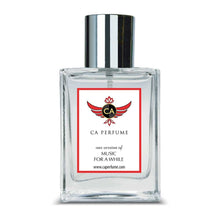
Music For A While — Frederic Malle Music For A While Alternative Perfume
A-
HumanSafe™ Score Generally Safe
Safest Evaluated Ingredients EDP
AQUA Solvent / Carrier ISS 10.0
2-OXABICYCLO[2.2.2]OCTANE, 1,3,3-TRIMETHYL- Evaluated ingredient ISS 9.0
1,6-HEPTADIEN-3-ONE, 1-(2,6,6-TRIMETHYL-2- Evaluated ingredient ISS 9.0
LINALYL ACETATE Evaluated ingredient ISS 7.0
LINALOOL Evaluated ingredient ISS 7.0
ALCOHOL DENAT. Solvent / Carrier ISS 7.0
View full safety profile →
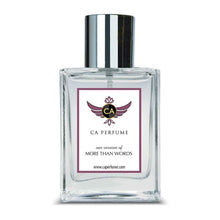
More Than Words — Xerjoff More Than Words Alternative Perfume
A-
HumanSafe™ Score Generally Safe
Safest Evaluated Ingredients EDP
AQUA Solvent / Carrier ISS 10.0
HEXYL SALICYLATE Evaluated ingredient ISS 9.0
4H-INDEN-4-ONE, 1,2,3,5,6,7-HEXAHYDRO-1,1,2,3,3- Evaluated ingredient ISS 9.0
4H-4A,9-METHANOAZULENO[5,6-D]-1,3-DIOXOLE, Evaluated ingredient ISS 8.0
3-BUTEN-2-ONE, 3-METHYL-4-(2,6,6-TRIMETHYL-2- Evaluated ingredient ISS 8.0
1,6,10-DODECATRIEN-3-OL, 3,7,11-TRIMETHYL- Evaluated ingredient ISS 8.0
View full safety profile →
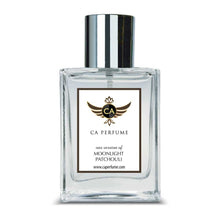
Moonlight Patchouli — Van Cleef & Arpels Moonlight Patchouli Alternative Perfume
A-
HumanSafe™ Score Generally Safe
Safest Evaluated Ingredients EDP
AQUA Solvent / Carrier ISS 10.0
1,4-DIOXACYCLOHEPTADECANE-5,17-DIONE Evaluated ingredient ISS 10.0
3-BUTEN-2-ONE, 3-METHYL-4-(2,6,6-TRIMETHYL-2- Evaluated ingredient ISS 8.0
LINALYL ACETATE Evaluated ingredient ISS 7.0
LINALOOL Evaluated ingredient ISS 7.0
ALCOHOL DENAT. Solvent / Carrier ISS 7.0
View full safety profile →
Expert Voices

What Masters Say About Fruity Notes

Fruity notes generally cannot be extracted. Due to the high water content of most fruit, these exquisite notes are reconstructed using synthetic materials.
Wikiparfum Editorial
Fruity notes are mostly present in the heart notes, but juicy and aqueous fruits will act from the top notes due to their volatility.
CA Perfume Editorial
Common Questions

Frequently Asked Questions

Answers to common questions about fruity notes in perfumery.

Fruity notes in perfume evoke the aroma of ripe, juicy fruits—ranging from the tartness of berries and green apple to the creamy sweetness of peach, plum, or mango. These notes are constructed from synthetic esters and lactones, such as gamma-undecalactone (peach) and frambinone (raspberry), which mimic the natural scent of fruit flesh and skin. The result is a vibrant, mouthwatering, and often playful scent profile that can be fresh, jammy, or even slightly green, depending on the composition.

Fruity notes are most commonly used as top or heart notes due to their high volatility. Esters and lactones responsible for fruity aromas evaporate quickly, providing an immediate burst of juiciness and sweetness. However, certain molecules (like prunol or C14 aldehyde) can persist into the heart, lending a creamy or jammy effect. Fruity notes are rarely used as base notes, as they lack the molecular weight and tenacity required for long-lasting drydowns.

Niche perfumery values the versatility and emotional resonance of fruity notes, which can evoke nostalgia, playfulness, or sophistication. Synthetic fruity molecules allow perfumers to create photorealistic or abstract fruit effects, often paired with unexpected notes (woods, spices, musks) for complexity. Fruity notes also offer strong projection and immediate appeal, making them ideal for modern, expressive compositions that stand out in a crowded market.

Fruity notes fragrance uses often include pairing with florals (rose, jasmine), woods (sandalwood, cedar), musks, and gourmand notes (vanilla, tonka bean). These combinations create balance and depth: florals add elegance, woods provide structure, and gourmands enhance sweetness. For example, Guerlain Mitsouko pairs peach with oakmoss and rose, while Tom Ford Lost Cherry combines cherry with almond and Turkish rose.

Fruity notes excel in summer and hot weather due to their volatility and fresh, juicy character. Esters and lactones evaporate quickly in heat, intensifying the initial impression but potentially reducing longevity. Tropical fruits (pineapple, mango, melon) are especially popular in summer compositions, offering a refreshing, uplifting effect. Apply lightly and reapply as needed to maintain vibrancy.

Fruity notes are inherently volatile, so their initial impact may last 1–2 hours, depending on the concentration and supporting fixatives. In Eau de Parfum formats, the heart and base notes (woods, musks, vanilla) can extend the perception of fruitiness for 4–6 hours. Longevity is enhanced by pairing fruity notes with creamy or woody bases, which slow evaporation and provide a soft, lingering trail.

Yes, you can layer fruity notes with a wide range of fragrance families. For best results, combine with florals for a fresh, romantic effect; with woods or musks for depth and longevity; or with gourmand notes for a dessert-like impression. Layering at a molecular level allows for olfactory masking and synergy, creating a personalized scent that evolves with your skin chemistry.

Beginner-friendly fruity perfumes include Marc Jacobs Daisy (wild strawberry), Jo Malone English Pear & Freesia (pear), and Mugler Angel (red berries). These fragrances offer accessible, well-balanced fruity accords that are neither overly sweet nor cloying, making them suitable for daily wear and layering experiments.

Consider your preferred fruit profile (berry, stone fruit, tropical, apple/pear) and desired pairing notes (floral, woody, gourmand). Test on skin to observe how the fruity notes evolve with your chemistry, and explore layering options to create a signature scent. CA Perfume’s HumanSafe™ platform ensures transparency and safety in all fruity compositions.

Not necessarily. While some fruity fragrances can be sweet or candied, many modern compositions balance fruit with green, woody, or musky notes for a more nuanced effect. Crisp apple, pear, or berry notes can feel fresh and energizing, while jammy or creamy fruits may suit evening or cooler weather. Adjust application and layering to match your personal style and environment.

Fruity Collection

Explore Our Top Fruity Notes Fragrances

Discover CA Perfume’s curated selection of fragrances featuring vibrant, juicy fruity notes—perfect for every season and layering style.

Shop all fruity notes fragrances at CA Perfume →

Where Fruity Notes Comes From — Origin & Extraction

Fruity notes are primarily synthetic constructs in modern perfumery. The high water content of most fruits makes direct extraction of their scent impractical, as distillation or solvent extraction typically yields little to no olfactory material. Notable exceptions include blackcurrant bud absolute (Ribes nigrum) and osmanthus absolute (Osmanthus fragrans), which offer natural fruity nuances—blackcurrant with a green, sulfurous facet and osmanthus with apricot-leather tones. However, the vast majority of fruity notes are built from synthetic aroma chemicals. Key molecules include gamma-undecalactone (peach, CAS 112-12-9), frambinone (raspberry, CAS 3572-06-3), ethyl maltol (sweet berry, CAS 4940-11-8), and C16 aldehyde (strawberry, CAS 104-61-0). These are produced via chemical synthesis, often from petrochemical feedstocks or biotechnological processes. Citrus fruits (bergamot, orange, lemon) are the exception, as their essential oils are obtained by cold expression of the peel, yielding up to 0.3–0.5% oil by weight. For other fruits, headspace technology is sometimes used to analyze the volatile profile, which is then reconstructed using synthetics. The cost of synthetic fruity aroma chemicals ranges from $20–$200 per kg, depending on purity and complexity, while natural absolutes like blackcurrant bud can exceed $10,000/kg due to low yield and labor-intensive harvesting. Sustainability considerations favor synthetics, as large-scale extraction of natural fruit absolutes is rarely viable or environmentally sound. Major manufacturers of fruity aroma chemicals include Firmenich, Givaudan, IFF, and Symrise, with ongoing innovation in green chemistry and biotechnology to reduce environmental impact.

Famous Fragrances That Define Fruity Notes in Perfumery

Fruity notes have shaped the evolution of modern perfumery, from the early use of synthetic peach in Guerlain Mitsouko (1919, Jacques Guerlain) to the berry-candy explosion of Mugler Angel (1992, Olivier Cresp). Mitsouko was groundbreaking for its use of gamma-undecalactone, creating a velvety, abstract peach effect that bridged chypre and floral notes. Femme Rochas (1944, Edmond Roudnitska) introduced the prunol base for a rich, plummy heart, while Prescriptives Calyx (1987, Sophia Grojsman) pioneered the use of watery and tropical fruit synthetics for a fresh, exuberant character. Mugler Angel, with its overdose of ethyl maltol, redefined the gourmand category and inspired a generation of sweet, fruity fragrances. In the 21st century, Tom Ford Lost Cherry (2018, Louise Turner) brought cherry-almond sophistication to the mainstream, and Xerjoff Erba Pura (2013) became a benchmark for photorealistic, multi-fruit accords in niche perfumery. These fragrances demonstrate the versatility of fruity notes as dominant, bridge, or accent notes, often paired with florals, woods, or gourmand elements. CA Perfume’s collection draws inspiration from this lineage, offering contemporary interpretations that balance vibrancy with complexity.

Natural vs Synthetic Fruity Notes in Perfumery

The vast majority of fruity notes in perfumery are synthetic, as the direct extraction of most fruit aromas is chemically unfeasible. Notable synthetic molecules include gamma-undecalactone (peach, CAS 112-12-9), frambinone (raspberry, CAS 3572-06-3), and ethyl maltol (berry-candy, CAS 4940-11-8). These compounds offer high stability, consistent quality, and strong diffusion, making them ideal for both fine fragrance and functional products. Natural fruity notes are limited to a few materials, such as blackcurrant bud absolute (Ribes nigrum) and osmanthus absolute (Osmanthus fragrans), which are used sparingly due to high cost and limited availability. For example, blackcurrant bud absolute can cost over $10,000/kg and is subject to IFRA restrictions due to potential sensitization. Synthetic fruity notes are favored for their performance: they offer greater longevity, projection, and batch-to-batch consistency compared to natural extracts. Iconic fragrances such as Guerlain Mitsouko (1919) and Mugler Angel (1992) rely on synthetic peach and berry notes, respectively, while modern compositions like Tom Ford Lost Cherry (2018) use a blend of synthetic cherry and almond molecules. Sustainability is a key advantage of synthetics, as they avoid the agricultural and ecological impact of large-scale fruit harvesting. The HumanSafe™ platform at CA Perfume ensures full transparency and safety assessment for all synthetic aroma chemicals used in fruity accords, with a focus on minimizing allergenicity and environmental footprint.