Ingredient Guide · Fruity
Fruity Family · Perfumery Note

Fruits

Exploring the vibrant and sweet essence of fruits in perfumery

Fruits in perfumery serve primarily as heart notes, imparting fresh, sweet, and juicy characteristics. Key molecules include lactones like gamma-undecalactone and esters such as ethyl acetate, used typically at 1–5% concentration.

Fruits
Ingredient Profile

Fruits

Fruity Family
Family Fruity
Note Position Heart Note
Usage Level 1–5%
Key Origins Italy (Calabria), France (Burgundy), United States (California)
Iconic In Mitsouko, Femme Rochas
The Ingredient

What does Fruits smell like and why are they significant in perfumery?

Fruits in perfumery encompass a broad category of scent notes derived from various edible plants, including lactonic fruits like peach and apricot, watery fruits such as melon and pear, berries, tropical fruits like pineapple and mango, and pome fruits like apple. Their scent profile is characterized by sweet, juicy, and fresh nuances primarily due to chemical compounds such as gamma-undecalactone (peach aldehyde) and a wide range of esters like ethyl acetate, which contribute to their mouth-watering and sometimes creamy facets. Typically classified as heart notes, fruity accords are used in concentrations ranging from 1% to 5% in fragrance compositions. They interact dynamically with skin chemistry, often enhancing the perception of freshness and sweetness, but can vary depending on individual skin pH and temperature. Fruity notes are versatile and can bridge floral and gourmand families, adding complexity and vibrancy. Notable fragrances featuring fruits include Guerlain’s Mitsouko (1919), which pioneered the use of peach aldehyde, and Xerjoff’s Erba Pura (2013), a modern niche fragrance celebrated for its sophisticated fruity accord. Other examples include Creed’s Aventus (2010), noted for its pineapple note, and Jo Malone’s English Pear & Freesia (2010), which highlights pear’s juicy freshness.

1–5%
Typical concentration range of fruity notes in fragrance compositions, balancing presence without overpowering other accords.
90%
Approximate d-limonene content in some citrus essential oils, illustrating the dominance of this terpene in natural citrus scents.
1000+
Estimated number of raw materials (natural and synthetic) available to perfumers, including numerous fruity molecules enhancing creative possibilities.
Origin & Extraction

Where Fruits Come From — Origin & Extraction

Fruits in perfumery derive from diverse geographic origins, each imparting unique olfactory nuances influenced by soil, climate, and cultivation methods. Citrus oils from Calabria, Italy, are prized for their bright, fresh character, while blackcurrant buds from France offer sharp sulfurous notes. Synthetic production hubs in Europe and the US complement natural sources, ensuring consistent supply.

Fruits used in perfumery are rarely extracted directly from the raw fruit due to their high water content and volatility. Exceptions include citrus fruits (Citrus spp.) and blackcurrant buds (Ribes nigrum), which yield essential oils or absolutes through cold pressing or solvent extraction. Most other fruit notes are recreated synthetically or through complex blends of natural isolates and aroma chemicals. The primary producing countries for natural citrus oils include Italy, Spain, and the United States, with Italy’s Calabria region being a major source of bergamot. Extraction methods for citrus oils involve cold pressing of the peel at ambient temperatures to preserve delicate aromatic compounds, yielding essential oils with high limonene content (up to 90%). Synthetic fruit notes emerged with the discovery of gamma-undecalactone (CAS 104-67-6) in the early 20th century, enabling the recreation of peach-like aromas. Other key synthetic molecules include frambinone (raspberry), ethyl maltol (sweetness enhancer), and methyl anthranilate (grape/strawberry). These synthetics cost between $50 to $500 per kilogram, significantly less than rare natural isolates. Sustainability considerations favor synthetic production due to the high resource demands and seasonal variability of natural fruit harvesting. The synthetic approach also allows for consistent quality and supply, critical for large-scale perfumery production.

IT

Italy (Calabria)

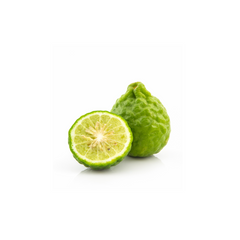
Calabria is a leading producer of bergamot essential oil, extracted via cold pressing. The region's Mediterranean climate and calcareous soil yield oils rich in d-limonene and aldehydes, defining the fresh, slightly bitter citrus scent. Calabria accounts for over 90% of global bergamot production.

FR

France (Burgundy)

France produces blackcurrant bud absolute, extracted through solvent extraction. Burgundy's temperate climate and fertile soils contribute to the sharp, sulfurous aroma characteristic of blackcurrant buds, widely used in fruity accords.

US

United States (California)

California cultivates a variety of fruits and is a center for synthetic aroma chemical production. The state’s advanced chemical industry supports the manufacture of key synthetic fruit molecules, ensuring supply stability for perfumers.

DE

Germany (Synthetic Production)

Germany hosts major fragrance chemical manufacturers producing synthetic fruit molecules like gamma-undecalactone and frambinone. These synthetics provide consistent, sustainable alternatives to natural extracts.

Chemistry

Natural vs Synthetic Fruits in Perfumery

Natural fruit notes in perfumery are limited primarily to citrus oils and blackcurrant bud absolute, extracted via cold pressing or solvent extraction. These natural materials offer authentic aromatic complexity but are costly and subject to agricultural variability. For example, bergamot oil from Calabria contains over 90% d-limonene and trace aldehydes that define its fresh citrus character. Synthetic fruit molecules, such as gamma-undecalactone (peach aldehyde, CAS 104-67-6), frambinone (raspberry), and methyl anthranilate (grape/strawberry), provide perfumers with reliable, cost-effective alternatives that enhance longevity, projection, and stability. Synthetic notes typically outperform natural extracts in consistency and shelf life, with costs ranging from $50 to $500 per kilogram compared to thousands for rare natural isolates. Famous fragrances like Guerlain’s Mitsouko (1919) utilized synthetic peach aldehyde, while Mugler’s Angel (1992) leveraged synthetic berry notes to create its iconic gourmand profile. The HumanSafe™ platform ensures transparency and safety in synthetic ingredient use, aligning with sustainability goals by reducing agricultural pressure and enabling innovative scent creation.

Natural
Fruits Absolute
Cost $3,000–6,000/kg
Method Solvent / CO₂
Character Complex, variable
vs
Synthetic
Safranal & Analogues
Cost $50–200/kg
Method Lab synthesis
Character Consistent, stable
Hall of Fame

Famous Fragrances That Define Fruits in Perfumery

1919
signature note

Mitsouko

Guerlain
by Jacques Guerlain
oakmossbergamotspices
1944
accent note

Femme Rochas

Rochas
by Edmond Roudnitska
plumrosemusk
1992
dominant note

Angel

Thierry Mugler
by Olivier Cresp
berryethyl maltolpatchouli
2010
key note

Aventus

Creed
by Olivier Creed, Erwin Creed
pineapplebergamotmusk
2010
dominant note

English Pear & Freesia

Jo Malone
by Jean-Claude Delville
pearfreesiapatchouli
2013
dominant note

Erba Pura

Xerjoff
by Sergio Momo
orangebergamotmusk

Fruits have played a pivotal role in landmark fragrances across the 20th and 21st centuries, often serving as signature or supporting notes that add vibrancy and sweetness. Guerlain’s Mitsouko (1919), composed by Jacques Guerlain, was the first to prominently feature synthetic peach aldehyde (gamma-undecalactone), establishing a fruity-chypre archetype. Edmond Roudnitska’s Femme Rochas (1944) introduced plum notes via the Prunol base, enriching the fruity palette. Thierry Mugler’s Angel (1992), perfumer Olivier Cresp, revolutionized perfumery by integrating synthetic berry notes and ethyl maltol, creating the first gourmand fragrance with a prominent fruity accord. Creed’s Aventus (2010), by Olivier Creed and Erwin Creed, features pineapple as a key fruity note, contributing to its fresh and masculine character. Jo Malone’s English Pear & Freesia (2010), by Jean-Claude Delville, highlights pear’s juicy freshness in a refined floral-fruity composition. Xerjoff’s Erba Pura (2013), a modern niche fragrance by Sergio Momo, exemplifies a complex, well-balanced fruity accord that has achieved commercial success globally. CA Perfume’s collection respects this lineage by offering nuanced fruity accords that balance natural and synthetic elements for sophisticated, wearable fragrances.

The Accord

How is a captivating Fruits accord crafted?

A balanced fruity accord typically includes 25-30% lactonic fruits (e.g., gamma-undecalactone for peach), 20-25% berries (frambinone for raspberry), 20-25% tropical fruits (esters mimicking pineapple or mango), and 20-25% complementary woody or musky notes to provide depth and longevity. Each ingredient is selected for molecular compatibility, ensuring smooth blending and enhanced diffusion.

30%

Peach (Gamma-undecalactone)

25–30% of blend

Provides creamy, lactonic sweetness with a juicy, ripe fruit character, essential for the fruity heart.

25%

Raspberry (Frambinone)

20–25% of blend

Adds tart, fresh berry facets with powdery nuances, enhancing complexity and freshness.

25%

Pineapple (Ethyl butyrate and esters)

20–25% of blend

Contributes tropical juiciness and bright acidity, balancing sweetness with vibrant energy.

25%

Sandalwood

20–25% of blend

Provides creamy, woody warmth that anchors the fruity notes and extends longevity.

The Olfactory Layers

How Fruits Evolves on Skin

Fruity fragrances evolve from bright, volatile top notes of watery and citrus fruits to creamy, lactonic heart notes dominated by peach and berries, finally settling into a warm, woody base that supports and extends the fruity character over hours.

I
Top notes
0–15 min
Bright and Juicy

Initial impression features high-volatility esters and aldehydes that impart fresh, juicy, and zesty nuances, such as ethyl acetate and octanal, creating a sparkling and vibrant opening.

FreshJuicyZesty
II
Heart notes
20–60 min
Creamy and Sweet

Mid-stage dominated by lactones like gamma-undecalactone and frambinone, which provide creamy, sweet, and fruity nuances reminiscent of ripe peaches and berries, creating a rich and mouth-watering core.

CreamySweetFruity
III
Base notes
Several hours
Warm and Woody

The base unfolds with woody and musky notes such as sandalwood and musk, which anchor the fruity accords, enhance longevity, and add depth without overpowering the fruitiness.

WoodyWarmLong-lasting
TOP NOTES Bright and Juicy 0–15 minutes HEART NOTES Creamy and Sweet 20–60 minutes BASE NOTES Warm and Woody Several hours
Through the Ages

The Story of Fruits in Perfumery

The history of fruits in perfumery traces from early natural citrus use to synthetic breakthroughs in the 20th century, culminating in modern complex fruity accords that define contemporary fragrance trends.

1919

Introduction of Synthetic Peach Note

Guerlain’s Mitsouko featured gamma-undecalactone (peach aldehyde), marking the first synthetic fruit note in perfumery and opening new creative possibilities.

1944

Plum Note in Femme Rochas

Edmond Roudnitska introduced the Prunol base, adding plum facets to Femme Rochas, expanding the fruity palette in classic perfumery.

1992

Launch of Mugler’s Angel

Olivier Cresp’s Angel popularized synthetic berry notes and gourmand accords, revolutionizing fruity fragrance use.

2010

Pineapple Note in Creed’s Aventus

Creed’s Aventus showcased pineapple as a key fruity note in a masculine fragrance, broadening fruit use across genders.

2013

Xerjoff’s Erba Pura Fruity Accord

Sergio Momo’s Erba Pura became a top-selling niche fragrance, exemplifying sophisticated, balanced fruity accords.

The Art of Layering

How to Layer Fruits

Understanding how to layer fruits involves combining molecularly compatible notes to enhance or soften facets, creating complex, personalized scents.

01

Enhance Sweetness

Layering fruity notes like peach with vanilla or caramel works via olfactory masking, where vanillin’s sweetness softens tart edges, creating a smooth gourmand effect. Examples include Mugler’s Angel and Jo Malone’s Nectarine Blossom & Honey.

02

Add Depth

Pairing fruits with woody notes such as sandalwood or cedar introduces complementary lactones and sesquiterpenes that anchor volatile esters, improving longevity and adding warmth. Creed’s Aventus exemplifies pineapple with woody base notes.

03

Lighten the Glow

Combining fruity notes with fresh florals like jasmine or freesia leverages shared compounds such as damascenone, creating seamless transitions and enhancing brightness without sweetness. Jo Malone’s English Pear & Freesia demonstrates this synergy.

Wear It Right

How to Wear Fruits Like a Pro

Seasonal Guide

Fall & Winter

Cooler temperatures slow evaporation, making fruity notes feel richer and more subdued. Layering with warm woods and spices enhances depth and longevity. Apply moderately to avoid heaviness.

Spring

Mild temperatures allow fruity notes to shine with balanced brightness and sweetness. Light application suits daytime wear, pairing well with fresh florals.

Summer

Heat increases volatility, intensifying top fruity notes but shortening longevity. Use lighter concentrations and reapply as needed. Citrus and watery fruits perform best.

Year-Round Tip

Adjust application based on climate and occasion. Layer fruity perfumes with complementary musks or woods to enhance persistence and create personalized scent profiles.

Application Points

Strategic application of fruity fragrances enhances their olfactory impact and longevity.

1

Neck

Pulse points like the neck emit heat that activates fruity top and heart notes, enhancing projection and freshness.

2

Behind the Ears

This warm area helps diffuse fruity accords subtly, ideal for intimate scent release.

3

Inner Wrists

Applying here allows for easy scent refresh and interaction with body chemistry, highlighting sweet and juicy facets.

4

Hair

Hair holds fragrance oils well, releasing fruity notes gradually with movement, creating a soft sillage.

★

Pro Tip

Layer fruity perfume over unscented or complementary scented moisturizers to enhance longevity and depth.

Mood Architecture™

Top Fruits Fragrances by Mood Score

These Fruits-based fragrances scored highest on the MEI™ Mood Architecture Framework — measuring how a scent may influence your emotional state.

Highest MEI Score
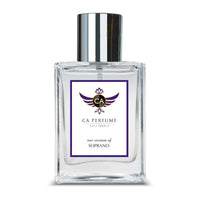
Soprano Perfume Spray — Soprano Alternative Perfume
7.1
MEI™
Primary Magnetic
Secondary Confident
Confidence
7.03
Presence
7.9
Mood Lift
7.58
Identity
7.75
Warmth
7.12
Social Ease
6.65
Energy
2.65
" I am bold.
View full mood profile →
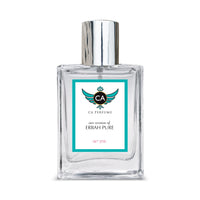
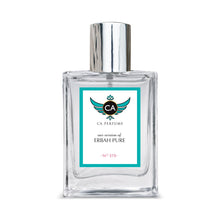
Erbah Pure — Sospiro Erba Pura Alternative Perfume
7.0
MEI™
Primary Romantic
Secondary Confident
Confidence
6.21
Presence
6.15
Mood Lift
7.6
Identity
6.45
Warmth
8.4
Social Ease
7.56
Energy
3.77
" I am beautiful.
View full mood profile →
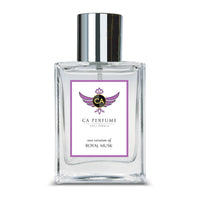
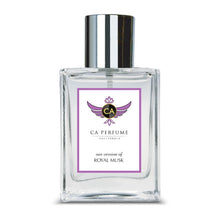
Royal Musk — Amber Resinous Perfume
#3
Royal Musk — Amber Resinous Perfume
Starting from $14.99
6.5
MEI™
Primary Fresh
Secondary Romantic
Confidence
5.67
Presence
5.75
Mood Lift
8.12
Identity
5.5
Warmth
6.62
Social Ease
7.05
Energy
3.12
" I am radiant.
View full mood profile →
HumanSafe™

Top Fruits Fragrances by HumanSafe™ Score

These Fruits-based fragrances have the highest product-level HumanSafe™ scores in this ingredient collection.

Highest HumanSafe™ Score
Soprano Perfume Spray — Soprano Alternative Perfume
A-
HumanSafe™ Score Generally Safe
Safest Evaluated Ingredients EDP
AQUA Solvent / Carrier ISS 10.0
BENZYL SALICYLATE Evaluated ingredient ISS 9.0
3-CYCLOPENTENE-1-ACETALDEHYDE, 2,2,3-TRIMETHYL-, Evaluated ingredient ISS 9.0
LINALYL ACETATE Evaluated ingredient ISS 7.0
CITRONELLOL Evaluated ingredient ISS 7.0
ALCOHOL DENAT. Solvent / Carrier ISS 7.0
View full safety profile →
Royal Musk — Amber Resinous Perfume
#2
Royal Musk — Amber Resinous Perfume
Starting from $14.99
A-
HumanSafe™ Score Generally Safe
Safest Evaluated Ingredients EDP
AQUA Solvent / Carrier ISS 10.0
AMBROXID Evaluated ingredient ISS 10.0
1,4-DIOXACYCLOHEPTADECANE-5,17-DIONE Evaluated ingredient ISS 10.0
BENZYL SALICYLATE Evaluated ingredient ISS 9.0
TRICYCLO[6.3.1.02,5]DODECAN-1-OL, 4,4,8-TRIMETHYL-, Evaluated ingredient ISS 8.0
LINALYL ACETATE Evaluated ingredient ISS 7.0
View full safety profile →
Erbah Pure — Sospiro Erba Pura Alternative Perfume
A-
HumanSafe™ Score Generally Safe
Safest Evaluated Ingredients EDP
AQUA Solvent / Carrier ISS 10.0
1,4-DIOXACYCLOHEPTADECANE-5,17-DIONE Evaluated ingredient ISS 10.0
4H-INDEN-4-ONE, 1,2,3,5,6,7-HEXAHYDRO-1,1,2,3,3- Evaluated ingredient ISS 9.0
3-CYCLOPENTENE-1-ACETALDEHYDE, 2,2,3-TRIMETHYL-, Evaluated ingredient ISS 9.0
3-BUTEN-2-ONE, 3-METHYL-4-(2,6,6-TRIMETHYL-2- Evaluated ingredient ISS 8.0
LINALYL ACETATE Evaluated ingredient ISS 7.0
View full safety profile →
Expert Voices

What Masters Say About Fruits

“
The first synthetic fruit note, gamma-undecalactone, introduced in Guerlain’s Mitsouko (1919), revolutionized perfumery by enabling the creation of realistic peach accords that natural extraction alone could not achieve.
Jacques Guerlain, perfumer
“
Fruity notes are complex blends of esters, lactones, and aldehydes that evoke freshness, sweetness, and juiciness, making them versatile components that bridge floral and gourmand families in modern perfumery.
CA Perfume Editorial
Common Questions

Frequently Asked Questions

Frequently asked questions about fruits in perfumery, addressing scent, use, and pairing.

Fruits in perfume typically smell fresh, sweet, and juicy with nuances ranging from creamy lactones like gamma-undecalactone (peach) to tart esters such as ethyl acetate. These notes evoke ripe, sun-drenched fruit and contribute a vibrant, mouth-watering character to fragrances, often found in heart notes. Examples include the peach note in Guerlain’s Mitsouko and pineapple in Creed’s Aventus.

Fruits are primarily used as heart notes in perfumery, developing after the initial top notes evaporate. Some watery or citrusy fruits may appear in the top notes due to their higher volatility, but the creamy, lactonic fruit facets typically emerge in the heart, providing the fragrance’s juicy core.

Fruits are favored in niche perfumery for their ability to add fresh, vibrant, and emotionally resonant qualities. Their scent often evokes nostalgia and sweetness, appealing to wearers seeking unique, complex compositions. Advances in synthetic molecules allow niche perfumers to craft realistic, multi-dimensional fruity accords that stand out in the market.

Fruits pair well with florals (rose, jasmine) due to shared molecular compounds like damascenone, gourmand notes (vanilla, caramel) through olfactory masking, and woody bases (sandalwood, cedar) that anchor their volatility. These pairings enhance the fruity accord’s complexity and longevity, as seen in fragrances like Jo Malone’s English Pear & Freesia.

Yes, fruity perfumes are well-suited for summer due to their fresh, juicy, and uplifting character. However, heat increases volatility, which can shorten longevity. Lighter concentrations and reapplication are recommended in hot weather to maintain the scent’s brightness without overwhelming.

Fruity notes generally last from 3 to 6 hours depending on concentration and formulation. Top watery fruits evaporate quickly, while lactonic and synthetic fruity molecules in the heart extend longevity. Base notes like woods and musk further prolong the overall fragrance life.

Yes, layering fruits with complementary notes like vanilla, musk, or sandalwood can enhance sweetness, depth, and longevity. Molecular compatibility ensures smooth blending without clashing, allowing for personalized scent profiles that highlight the fruity character.

Beginner-friendly fruity perfumes include Guerlain’s Mitsouko for classic peach, Jo Malone’s English Pear & Freesia for fresh pear, and Xerjoff’s Erba Pura for a balanced fruity accord. These offer approachable, well-crafted fruity scents without overwhelming sweetness.

At CA Perfume, selecting a fruits fragrance involves considering your preference for subtypes (e.g., lactonic peach, tropical pineapple, or berries), desired intensity, and complementary notes. Sampling and layering options help tailor the scent to your skin chemistry and occasion.

Fruits predominantly smell sweet and juicy, but some accords incorporate subtle spicy or tart facets depending on the fruit type and molecular composition. For example, tropical fruits may have a bright acidity, while some berries carry a slight tartness that balances sweetness.

Fruity Collection

Explore Our Top Fruits Fragrances

Discover a curated selection of perfumes showcasing the freshest and most sophisticated fruity accords.

Shop all fruits fragrances at CA Perfume →

Where Fruits Come From — Origin & Extraction

Fruits used in perfumery are rarely extracted directly from the raw fruit due to their high water content and volatility. Exceptions include citrus fruits (Citrus spp.) and blackcurrant buds (Ribes nigrum), which yield essential oils or absolutes through cold pressing or solvent extraction. Most other fruit notes are recreated synthetically or through complex blends of natural isolates and aroma chemicals. The primary producing countries for natural citrus oils include Italy, Spain, and the United States, with Italy’s Calabria region being a major source of bergamot. Extraction methods for citrus oils involve cold pressing of the peel at ambient temperatures to preserve delicate aromatic compounds, yielding essential oils with high limonene content (up to 90%). Synthetic fruit notes emerged with the discovery of gamma-undecalactone (CAS 104-67-6) in the early 20th century, enabling the recreation of peach-like aromas. Other key synthetic molecules include frambinone (raspberry), ethyl maltol (sweetness enhancer), and methyl anthranilate (grape/strawberry). These synthetics cost between $50 to $500 per kilogram, significantly less than rare natural isolates. Sustainability considerations favor synthetic production due to the high resource demands and seasonal variability of natural fruit harvesting. The synthetic approach also allows for consistent quality and supply, critical for large-scale perfumery production.

Famous Fragrances That Define Fruits in Perfumery

Fruits have played a pivotal role in landmark fragrances across the 20th and 21st centuries, often serving as signature or supporting notes that add vibrancy and sweetness. Guerlain’s Mitsouko (1919), composed by Jacques Guerlain, was the first to prominently feature synthetic peach aldehyde (gamma-undecalactone), establishing a fruity-chypre archetype. Edmond Roudnitska’s Femme Rochas (1944) introduced plum notes via the Prunol base, enriching the fruity palette. Thierry Mugler’s Angel (1992), perfumer Olivier Cresp, revolutionized perfumery by integrating synthetic berry notes and ethyl maltol, creating the first gourmand fragrance with a prominent fruity accord. Creed’s Aventus (2010), by Olivier Creed and Erwin Creed, features pineapple as a key fruity note, contributing to its fresh and masculine character. Jo Malone’s English Pear & Freesia (2010), by Jean-Claude Delville, highlights pear’s juicy freshness in a refined floral-fruity composition. Xerjoff’s Erba Pura (2013), a modern niche fragrance by Sergio Momo, exemplifies a complex, well-balanced fruity accord that has achieved commercial success globally. CA Perfume’s collection respects this lineage by offering nuanced fruity accords that balance natural and synthetic elements for sophisticated, wearable fragrances.

Natural vs Synthetic Fruits in Perfumery

Natural fruit notes in perfumery are limited primarily to citrus oils and blackcurrant bud absolute, extracted via cold pressing or solvent extraction. These natural materials offer authentic aromatic complexity but are costly and subject to agricultural variability. For example, bergamot oil from Calabria contains over 90% d-limonene and trace aldehydes that define its fresh citrus character. Synthetic fruit molecules, such as gamma-undecalactone (peach aldehyde, CAS 104-67-6), frambinone (raspberry), and methyl anthranilate (grape/strawberry), provide perfumers with reliable, cost-effective alternatives that enhance longevity, projection, and stability. Synthetic notes typically outperform natural extracts in consistency and shelf life, with costs ranging from $50 to $500 per kilogram compared to thousands for rare natural isolates. Famous fragrances like Guerlain’s Mitsouko (1919) utilized synthetic peach aldehyde, while Mugler’s Angel (1992) leveraged synthetic berry notes to create its iconic gourmand profile. The HumanSafe™ platform ensures transparency and safety in synthetic ingredient use, aligning with sustainability goals by reducing agricultural pressure and enabling innovative scent creation.