Ingredient Guide · Resins and Balsams
Resins and Balsams Family · Perfumery Note

Frankincense

Ancient resin meets modern perfumery in a citrus-woody base note.

Frankincense is a base note in perfumery, prized for its resinous, citrusy, and woody character. Its defining scent comes from terpenic molecules like alpha-pinene and limonene, with essential oil concentrations typically at 0.5–2% in compositions.

Frankincense
Ingredient Profile

Frankincense

Resins and Balsams Family
Family Resins and Balsams
Note Position Base Note
Usage Level 0.5–2% in formula
Key Origins Oman, Somalia, Ethiopia
Iconic In Gold Man, L’Eau Froide
The Ingredient

What does Frankincense smell like and why is it revered in perfumery?

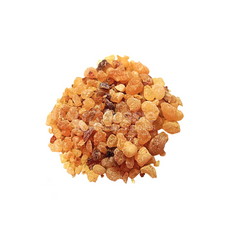
Frankincense, also known as olibanum, is the aromatic resin harvested from Boswellia species—primarily B. sacra, B. carterii, and B. frereana. The frankincense scent profile is defined by a complex interplay of resinous, citrusy, and woody notes, underpinned by terpenic molecules such as alpha-pinene (piney-fresh), limonene (citrus), and incensole acetate (balsamic, slightly sweet). The opening is often described as fresh, balsamic, and somewhat green, with a subtle fruity top note that quickly transitions to a warm, church-like incense character. This molecular complexity gives frankincense its signature clarity and spiritual depth, distinguishing it from heavier resins like myrrh or benzoin. In perfumery, frankincense is classified as a base note due to its low volatility and fixative properties. It is typically used at concentrations of 0.5–2% in fine fragrance formulas, though trace amounts can impart a luminous, uplifting quality even in lighter compositions. Frankincense interacts with skin chemistry in nuanced ways: on warmer, more acidic skin, its citrus and pine facets are accentuated, while drier or cooler skin brings out its balsamic and woody undertones. Its molecular structure allows it to bridge top and base notes, making it invaluable in both oriental and modern woody-amber compositions. Frankincense in perfumery is exemplified by its use in Amouage Gold Man (1983, Guy Robert), where it anchors a regal, incense-driven structure, and in Comme des Garçons Avignon (2002, Mark Buxton), which recreates the experience of cathedral incense with a focus on olibanum’s lemony brightness and resinous depth. These fragrances demonstrate how frankincense can serve as both a dominant and a supporting note, shaping the olfactory architecture of a scent.

0.5–2% in formula
Typical concentration of frankincense essential oil in fine fragrance compositions, balancing olfactory impact with IFRA safety limits.
3–10% extraction yield
Steam distillation of Boswellia resin yields 3–10% essential oil by weight, depending on species and resin quality.
5–8 hours longevity
Frankincense’s base note tenacity ensures a lasting presence, with woody-resinous facets persisting for 5–8 hours on skin.
Origin & Extraction

Where Frankincense Comes From — Origin & Extraction

Frankincense’s scent character is shaped by the arid, mineral-rich soils and microclimates of its native regions. Resin from Oman’s Dhofar mountains is prized for its clarity and citrus brightness, while Somali frankincense is noted for its balsamic depth and spicy undertones.

Frankincense is the oleo-gum-resin exuded from trees of the genus Boswellia, notably Boswellia sacra (Oman, Yemen), B. carterii (Somalia, Ethiopia), and B. frereana (Somalia). The resin is harvested by making incisions in the bark, allowing milky 'tears' to bleed out and harden on exposure to air. It takes approximately 8–10 years for a Boswellia tree to yield commercially viable resin, with mature trees producing 1–3 kg per season. Major producing countries include Somalia (accounting for an estimated 60% of global supply), Oman (notably the Dhofar region, with annual exports of 500–700 metric tons), Ethiopia, and India. Sustainable harvesting is a concern, as over-tapping can reduce tree lifespan and resin yield. Extraction for perfumery is primarily via steam distillation of the dried resin tears, yielding frankincense essential oil at a rate of 3–10% depending on species and resin quality. Solvent extraction (using ethanol or hexane) produces frankincense absolute, which is richer in heavier, balsamic components. Supercritical CO2 extraction is sometimes employed for a broader spectrum of odorants, but is less common due to cost. The essential oil is dominated by monoterpenes (alpha-pinene, limonene, beta-pinene, alpha-thujene) and sesquiterpenes, while the absolute contains higher molecular weight diterpenes and triterpenoids, including incensole acetate. Natural frankincense essential oil commands prices of $300–600 per kg for high-quality Omani or Somali material, while solvent-extracted absolutes can exceed $1,200/kg. Synthetic substitutes, based on terpenic molecules, are significantly less expensive ($20–50/kg) but lack the full olfactory complexity. Sustainability is an increasing concern: wild Boswellia populations are threatened by overharvesting, livestock grazing, and habitat loss, leading to calls for CITES protection and sustainable certification schemes.

OM

Oman

Dhofar region frankincense (Boswellia sacra) is considered the gold standard, with resin exuding from trees growing in limestone-rich soils at 500–1,000 meters altitude. The resin is lemony-bright and transparent, with annual production of 500–700 metric tons. Oman enforces strict quality grading (Hojari, Najdi) and sustainable harvesting protocols.

SO

Somalia

Somalia is the world’s largest producer, particularly in the Bari and Sanaag regions. Boswellia carterii yields resin with a balsamic, spicy, and slightly smoky profile. Annual production is estimated at 1,500–2,000 metric tons. Harvesting is largely traditional, with variable quality due to over-tapping and lack of regulation.

ET

Ethiopia

Ethiopian frankincense (mainly B. papyrifera) is harvested in the Tigray and Amhara regions. The resin is lighter, with a green, herbal top note and less pronounced citrus. Ethiopia produces 400–600 metric tons annually, with some resin certified organic.

IN

India

Boswellia serrata is cultivated in the dry, rocky soils of central and western India. The resin is more medicinal and peppery, with lower citrus content. India’s annual output is smaller (~100–200 metric tons), mainly for medicinal and incense use.

Chemistry

Natural vs Synthetic Frankincense in Perfumery

Natural frankincense is derived from Boswellia resin via steam distillation or solvent extraction, yielding a complex mixture of monoterpenes (alpha-pinene, CAS 80-56-8; limonene, CAS 138-86-3; beta-pinene, CAS 127-91-3), sesquiterpenes, and diterpenes (notably incensole acetate, CAS 88105-29-7). Synthetic frankincense notes are typically constructed from isolated terpenes and aroma chemicals such as Vertofix coeur (a synthetic woody-amber), methyl pinenecarboxylate, and synthetic incensole analogs. These molecules provide the piney-citrus and resinous facets but lack the nuanced balsamic and mineral undertones of the natural material. Performance-wise, synthetics offer greater consistency, stability, and lower allergenicity, with enhanced longevity and projection in modern compositions. Natural frankincense, while prized for its complexity, can vary batch-to-batch and is more susceptible to oxidation and degradation. Cost is a major factor: natural essential oil ranges from $300–600/kg, while synthetic blends can be produced for under $50/kg. Notable fragrances using natural frankincense include Amouage Gold Man and Serge Lutens L’Eau Froide, while synthetic frankincense is featured in Comme des Garçons Avignon and many designer incense accords. Sustainability is a key consideration: synthetic frankincense reduces pressure on wild Boswellia populations and offers a traceable, scalable supply chain. CA Perfume leverages the HumanSafe™ platform to ensure transparency in sourcing, with a preference for sustainable, IFRA-compliant natural frankincense where possible, and judicious use of synthetics to balance performance and environmental impact.

Natural
Frankincense Absolute
Cost $3,000–6,000/kg
Method Solvent / CO₂
Character Complex, variable
vs
Synthetic
Safranal & Analogues
Cost $50–200/kg
Method Lab synthesis
Character Consistent, stable
Hall of Fame

Famous Fragrances That Define Frankincense in Perfumery

1983
dominant note

Gold Man

Amouage
by Guy Robert
myrrhroseorriscivet
2011
dominant note

L’Eau Froide

Serge Lutens
by Christopher Sheldrake
mintmuskincense
2002
dominant note

Avignon

Comme des Garçons
by Mark Buxton
myrrhchamomilevanilla
2007
bridge note

Oud Wood

Tom Ford
by Richard Herpin, Yves Cassar
oudcardamomsandalwood
2010
supporting note

Aventus

Creed
by Olivier Creed
pineapplebirchmusk
2015
accent

By the Fireplace

Maison Martin Margiela
by Marie Salamagne
chestnutvanillaclove

Frankincense has shaped the character of both classic and contemporary fragrances, functioning as a dominant note, bridge, or accent in diverse olfactory architectures. Amouage Gold Man (1983, Guy Robert) established frankincense as a symbol of Omani heritage, pairing it with myrrh, rose, and civet to create a regal, incense-driven base. Serge Lutens L’Eau Froide (2011, Christopher Sheldrake) showcased the citrusy, mineral facets of Somali frankincense, blending it with mint and musk for a modern, transparent interpretation. Comme des Garçons Avignon (2002, Mark Buxton) is renowned for its photorealistic recreation of cathedral incense, with frankincense as the central note, supported by myrrh, chamomile, and vanilla. Tom Ford Oud Wood (2007, Richard Herpin and Yves Cassar) employs frankincense as a bridge between oud and spices, imparting a smoky, resinous depth. In Creed Aventus (2010, Olivier Creed), frankincense is used as a supporting note, adding a subtle, smoky-balsamic undertone to the fruity-chypre structure. More recently, Maison Martin Margiela By the Fireplace (2015, Marie Salamagne) uses frankincense to evoke the sensation of smoldering wood and glowing embers, paired with chestnut and vanilla. CA Perfume’s collection draws inspiration from these landmark compositions, offering frankincense-forward fragrances that honor both tradition and innovation.

The Accord

How is a captivating Frankincense accord crafted?

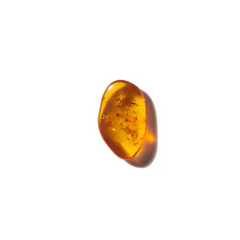
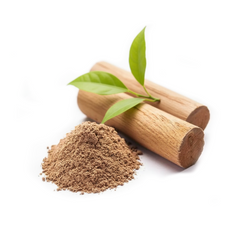
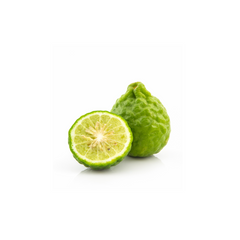
A frankincense accord balances resinous, citrus, and woody facets for a luminous, spiritual effect. Typical proportions: Frankincense 30–35%, Myrrh 20–25%, Bergamot 20–25%, Sandalwood 20–25%. Frankincense provides the terpenic, incense core; myrrh adds balsamic depth via furanosesquiterpenes; bergamot supplies a volatile citrus lift through limonene; sandalwood anchors the blend with creamy, lactonic santalols, ensuring a smooth, long-lasting drydown.

35%

Frankincense

30–35% of blend

Frankincense delivers the core resinous, citrusy, and piney facets via alpha-pinene and limonene, forming the backbone of the accord.

25%

Myrrh

20–25% of blend

Myrrh introduces balsamic, slightly smoky depth through furanosesquiterpenes, enhancing the longevity and complexity of the accord.

25%

Bergamot

20–25% of blend

Bergamot supplies a fresh, volatile citrus lift, rich in limonene, which brightens the resinous core and increases initial diffusion.

25%

Sandalwood

20–25% of blend

Sandalwood provides creamy, lactonic santalols that smooth the blend, acting as a fixative and extending the drydown.

The Olfactory Layers

How Frankincense Evolves on Skin

Frankincense evolves from a citrusy, terpenic opening to a warm, balsamic heart and a lingering, woody-resinous base. Volatile monoterpenes evaporate within 15 minutes, revealing heavier sesquiterpenes and diterpenes that persist for hours.

I
Top notes
0–15 min
Citrus-Pine Spark

The initial impression is dominated by alpha-pinene and limonene, producing a fresh, citrusy, and piney brightness. These high-volatility monoterpenes evaporate quickly, imparting a fleeting, uplifting clarity before yielding to deeper resins.

CitrusyPineyFresh
II
Heart notes
20–60 min
Balsamic Incense Veil

As the top notes dissipate, incensole acetate and sesquiterpenes emerge, creating a warm, balsamic, and slightly spicy heart. This stage is characterized by the classic 'church incense' aroma, with subtle sweetness and mineral undertones.

BalsamicWarmIncense
III
Base notes
Several hours
Woody-Resinous Drydown

The drydown reveals woody, resinous, and slightly smoky facets, anchored by diterpenes and triterpenoids. The scent lingers as a soft, meditative veil, with a mineral-amber undertone that persists for hours.

WoodyResinousMineral
TOP NOTES Citrus-Pine Spark 0–15 minutes HEART NOTES Balsamic Incense Veil 20–60 minutes BASE NOTES Woody-Resinous Drydown Several hours
Through the Ages

The Story of Frankincense in Perfumery

Frankincense’s use in perfumery spans millennia, from ancient temple rituals to its central role in modern niche fragrances.

Antiquity

Sacred Rituals in Egypt and Mesopotamia

Frankincense is burned in Egyptian temples and used in embalming, with trade routes established from Arabia and Somalia as early as 1500 BCE. The resin is prized for its spiritual and aromatic qualities.

1st Century CE

Frankincense in Roman and Christian Traditions

Romans import up to 2,800 tons annually for religious ceremonies. The Magi present frankincense as a gift to the infant Jesus, cementing its symbolic and olfactory significance in Western culture.

1920s

Early Modern Perfumery

Frankincense is incorporated into French and Italian colognes, valued for its fixative and luminous qualities. Guerlain and Caron experiment with resinous bases.

1983

Amouage Gold Man Launches

Guy Robert’s composition for Amouage establishes frankincense as a luxury base note, using Omani resin to anchor a complex floral-incense structure.

2002–2015

Niche Incense Renaissance

Comme des Garçons Avignon (2002) and Maison Martin Margiela By the Fireplace (2015) bring frankincense to the forefront of modern perfumery, exploring its mineral, smoky, and gourmand facets.

The Art of Layering

How to Layer Frankincense

Understanding how to layer frankincense is key to customizing its olfactory impact. Molecular compatibility with citrus, florals, and woods allows for nuanced, multi-dimensional blends.

01

Enhance Citrus Clarity

Layer frankincense with bergamot or grapefruit to amplify the shared limonene content, creating a seamless transition from citrus top notes to resinous heart. This pairing is demonstrated in Serge Lutens L’Eau Froide, where Somali frankincense and mint yield a crystalline, uplifting effect.

02

Deepen with Myrrh and Amber

Combining frankincense with myrrh and amber leverages their shared balsamic and furanosesquiterpene molecules, resulting in a meditative, long-lasting base. Amouage Gold Man exemplifies this synergy, with frankincense and myrrh forming a spiritual, enveloping core.

03

Modernize with Florals

Pairing frankincense with rose or jasmine introduces ionones and damascenone, which bridge the gap between resin and floral notes. This molecular interplay softens the incense, as seen in Comme des Garçons Avignon, where chamomile and vanilla round out the composition.

Wear It Right

How to Wear Frankincense Like a Pro

Seasonal Guide

Fall & Winter

Cool, dry air suppresses volatility, allowing frankincense’s resinous and balsamic notes to linger. Apply to pulse points under clothing to maximize warmth-driven diffusion. Layer with amber or myrrh for a deeper, meditative effect.

Spring

Moderate temperatures enhance the citrus-pine top notes, making frankincense feel fresh and uplifting. Pair with floral or green notes for a luminous, airy composition ideal for transitional weather.

Summer

Heat accelerates evaporation, amplifying the citrusy and mineral facets while shortening the balsamic drydown. Apply sparingly to avoid olfactory fatigue, and consider layering with bergamot or neroli for a lighter effect.

Year-Round Tip

Frankincense’s fixative properties make it versatile across seasons. Adjust application to climate: more in winter, less in summer. For lasting projection, apply to well-moisturized skin and layer with complementary resins or woods.

Application Points

Strategic application enhances frankincense’s projection and longevity, leveraging body heat and skin chemistry.

1

Neck

Pulse points on the neck emit heat, accelerating the release of citrusy monoterpenes and ensuring a bright, uplifting opening.

2

Behind the Ears

This area retains warmth and is less exposed, allowing the balsamic heart notes to develop gradually and persistently.

3

Inner Wrists

Wrist application maximizes projection during gestures, with body heat intensifying the transition from fresh to resinous phases.

4

Hair

Hair fibers absorb and slowly release frankincense molecules, extending the woody-resinous drydown and creating a subtle sillage.

Pro Tip

Layer frankincense with a moisturizer or unscented oil base to slow evaporation, enhance longevity, and reduce potential skin sensitization.

HumanSafe™

Frankincense Safety Profile in Our Fragrances

No ingredient collection was found for frankincense.

Create or connect a collection with the same handle as this ingredient, then add products that contain this ingredient.

Expert Voices

What Masters Say About Frankincense

Frankincense starts fresh, piquant, and pine-like to my nose. This cold mountain air type of freshness is not what I learnt to expect from a frankincense perfume, but it charms and lets my senses dive into some composed yet welcoming and grounding woody shades.
Fragrantica Editorial
Frankincense’s terpenic freshness in the top, resinous warmth in the heart, and a soft, sweet-balsamic tenacity in the base make it central to incense, oriental, chypre, and sacred-themed compositions.
CA Perfume Editorial
Common Questions

Frequently Asked Questions

Answers to common questions about frankincense in perfumery.

Frankincense in perfume smells resinous, citrusy, and woody, with a fresh, piney opening that transitions to a warm, balsamic, and slightly smoky drydown. Its scent is shaped by terpenic molecules like alpha-pinene and limonene, and it is often described as meditative and luminous. Notable fragrances such as Amouage Gold Man and Comme des Garçons Avignon showcase frankincense’s multifaceted aroma.

Frankincense is classified as a base note due to its low volatility and fixative properties. While its citrusy, piney facets can appear in the opening, the resin’s heavier molecules anchor the fragrance, providing longevity and depth throughout the drydown.

Frankincense is favored in niche perfumery for its complex, spiritual aroma and its ability to bridge citrus, floral, and woody notes. Its molecular structure allows it to serve as both a dominant and supporting note, imparting clarity, depth, and meditative character to modern compositions.

Frankincense fragrance uses include pairing with myrrh, sandalwood, amber, rose, and bergamot. These notes share molecular bridges—such as terpenes and ionones—that enhance frankincense’s resinous, citrus, and floral facets, resulting in harmonious, multidimensional accords.

Frankincense can be worn year-round, but in hot weather, its citrus and mineral facets are amplified due to increased volatility. Apply sparingly in summer and consider layering with lighter notes like bergamot or neroli to maintain freshness and prevent olfactory fatigue.

Frankincense’s base note tenacity ensures that its woody-resinous facets persist for 5–8 hours on skin, depending on concentration and skin chemistry. Oil-based formulas and higher concentrations (EDP, Parfum) extend longevity.

Yes, frankincense is highly layerable due to its molecular compatibility with citrus, florals, and woods. For example, layering with bergamot enhances citrus clarity, while pairing with myrrh or amber deepens the balsamic base. Test combinations on skin to optimize synergy.

Beginner-friendly frankincense perfumes include Serge Lutens L’Eau Froide (for a citrusy, transparent take), Maison Martin Margiela By the Fireplace (for a smoky, gourmand effect), and Tom Ford Oud Wood (where frankincense bridges oud and spices). These fragrances showcase different facets of the note.

Consider your preferred scent profile—citrus-forward, balsamic, or woody—and desired concentration. CA Perfume’s collection includes frankincense-centric compositions as well as blends where it serves as a bridge or accent. Use the shop’s filtering tools to explore options by season, mood, and note structure.

Frankincense can present both smoky and clean facets. The initial impression is often fresh and citrusy, while the drydown reveals woody, balsamic, and sometimes smoky undertones. The balance depends on the resin’s origin, extraction method, and composition context.

Resins and Balsams Collection

Explore Our Top Frankincense Fragrances

Discover CA Perfume’s curated selection of frankincense-forward scents, from luminous citrus-resin blends to deep, meditative incense compositions.

Shop all frankincense fragrances at CA Perfume →

Where Frankincense Comes From — Origin & Extraction

Frankincense is the oleo-gum-resin exuded from trees of the genus Boswellia, notably Boswellia sacra (Oman, Yemen), B. carterii (Somalia, Ethiopia), and B. frereana (Somalia). The resin is harvested by making incisions in the bark, allowing milky 'tears' to bleed out and harden on exposure to air. It takes approximately 8–10 years for a Boswellia tree to yield commercially viable resin, with mature trees producing 1–3 kg per season. Major producing countries include Somalia (accounting for an estimated 60% of global supply), Oman (notably the Dhofar region, with annual exports of 500–700 metric tons), Ethiopia, and India. Sustainable harvesting is a concern, as over-tapping can reduce tree lifespan and resin yield. Extraction for perfumery is primarily via steam distillation of the dried resin tears, yielding frankincense essential oil at a rate of 3–10% depending on species and resin quality. Solvent extraction (using ethanol or hexane) produces frankincense absolute, which is richer in heavier, balsamic components. Supercritical CO2 extraction is sometimes employed for a broader spectrum of odorants, but is less common due to cost. The essential oil is dominated by monoterpenes (alpha-pinene, limonene, beta-pinene, alpha-thujene) and sesquiterpenes, while the absolute contains higher molecular weight diterpenes and triterpenoids, including incensole acetate. Natural frankincense essential oil commands prices of $300–600 per kg for high-quality Omani or Somali material, while solvent-extracted absolutes can exceed $1,200/kg. Synthetic substitutes, based on terpenic molecules, are significantly less expensive ($20–50/kg) but lack the full olfactory complexity. Sustainability is an increasing concern: wild Boswellia populations are threatened by overharvesting, livestock grazing, and habitat loss, leading to calls for CITES protection and sustainable certification schemes.

Famous Fragrances That Define Frankincense in Perfumery

Frankincense has shaped the character of both classic and contemporary fragrances, functioning as a dominant note, bridge, or accent in diverse olfactory architectures. Amouage Gold Man (1983, Guy Robert) established frankincense as a symbol of Omani heritage, pairing it with myrrh, rose, and civet to create a regal, incense-driven base. Serge Lutens L’Eau Froide (2011, Christopher Sheldrake) showcased the citrusy, mineral facets of Somali frankincense, blending it with mint and musk for a modern, transparent interpretation. Comme des Garçons Avignon (2002, Mark Buxton) is renowned for its photorealistic recreation of cathedral incense, with frankincense as the central note, supported by myrrh, chamomile, and vanilla. Tom Ford Oud Wood (2007, Richard Herpin and Yves Cassar) employs frankincense as a bridge between oud and spices, imparting a smoky, resinous depth. In Creed Aventus (2010, Olivier Creed), frankincense is used as a supporting note, adding a subtle, smoky-balsamic undertone to the fruity-chypre structure. More recently, Maison Martin Margiela By the Fireplace (2015, Marie Salamagne) uses frankincense to evoke the sensation of smoldering wood and glowing embers, paired with chestnut and vanilla. CA Perfume’s collection draws inspiration from these landmark compositions, offering frankincense-forward fragrances that honor both tradition and innovation.

Natural vs Synthetic Frankincense in Perfumery

Natural frankincense is derived from Boswellia resin via steam distillation or solvent extraction, yielding a complex mixture of monoterpenes (alpha-pinene, CAS 80-56-8; limonene, CAS 138-86-3; beta-pinene, CAS 127-91-3), sesquiterpenes, and diterpenes (notably incensole acetate, CAS 88105-29-7). Synthetic frankincense notes are typically constructed from isolated terpenes and aroma chemicals such as Vertofix coeur (a synthetic woody-amber), methyl pinenecarboxylate, and synthetic incensole analogs. These molecules provide the piney-citrus and resinous facets but lack the nuanced balsamic and mineral undertones of the natural material. Performance-wise, synthetics offer greater consistency, stability, and lower allergenicity, with enhanced longevity and projection in modern compositions. Natural frankincense, while prized for its complexity, can vary batch-to-batch and is more susceptible to oxidation and degradation. Cost is a major factor: natural essential oil ranges from $300–600/kg, while synthetic blends can be produced for under $50/kg. Notable fragrances using natural frankincense include Amouage Gold Man and Serge Lutens L’Eau Froide, while synthetic frankincense is featured in Comme des Garçons Avignon and many designer incense accords. Sustainability is a key consideration: synthetic frankincense reduces pressure on wild Boswellia populations and offers a traceable, scalable supply chain. CA Perfume leverages the HumanSafe™ platform to ensure transparency in sourcing, with a preference for sustainable, IFRA-compliant natural frankincense where possible, and judicious use of synthetics to balance performance and environmental impact.