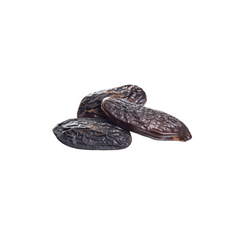
Ingredient Guide · Floral
Floral Family · Perfumery Note

Flax

Mild nutty aroma with floral undertones

Flax (Linum usitatissimum) is a floral family note used primarily as a base note in perfumery, characterized by a mild, nutty scent derived from its seeds. The note is typically employed at low concentrations to provide a subtle earthy and slightly grassy nuance.

Flax
Ingredient Profile

Flax

Floral Family
Family Floral
Note Position Base Note
Usage Level 0.1–0.5%
Key Origins Canada, India, China
Iconic In Toy Boy, The Dreamer
The Ingredient

What does Flax smell like and what is its significance in perfumery?

Flax, botanically known as Linum usitatissimum, is a versatile plant historically cultivated for its fibers and seeds. In perfumery, flax is recognized for its mild, nutty scent primarily derived from the linseed oil extracted from its seeds. This nutty aroma is accompanied by subtle grassy and floral undertones, attributable to the complex chemical composition of the seed oil, including omega-3 fatty acids and lignans. The note is often described as soft and slightly earthy, with a faint oily texture that can sometimes turn fishy if the oil becomes rancid. In perfumery, flax is classified as a base note due to its low volatility and lasting presence on the skin. It is typically used at concentrations below 1%, often around 0.1–0.5%, to impart a natural, grounding nuance without overpowering other components. The interaction of flax with skin chemistry can vary, as its mild nutty facets can blend seamlessly with floral and woody notes, enhancing the overall composition's complexity and depth. Flax has been employed in notable fragrances such as Moschino's Toy Boy (2019), where it provides a subtle nutty base complementing floral and woody accords, and Versace's The Dreamer (1996), which uses flax to add a soft, natural texture to its aromatic profile. These examples illustrate flax's role in creating nuanced, layered scents that balance freshness with warmth.

0.1–0.5%
Typical concentration range of flax seed oil or absolute in perfume formulations, balancing subtlety with impact.
35–45%
Oil content percentage in flax seeds, primarily linseed oil, responsible for the nutty aroma.
5,000+ years
Documented history of flax cultivation and use, underscoring its longstanding cultural and aromatic significance.
Origin & Extraction

Where Flax Comes From — Origin & Extraction

Flax cultivation spans temperate regions globally, with soil composition and climate influencing the seed’s oil quality and scent nuances. Cooler climates yield seeds with a cleaner, milder aroma, while warmer regions may produce a richer, nuttier scent due to higher oil content.

Flax (Linum usitatissimum) is native to the region extending from the eastern Mediterranean through the Fertile Crescent to India. Archaeological evidence places its domestication over 10,000 years ago, with ancient uses documented in Mesopotamia and Egypt, where flax fibers were used to produce linen cloth for mummification and textiles. Today, flax is cultivated worldwide, with major production centers in Canada, China, India, and parts of Europe. The plant is an erect annual, growing up to 1.2 meters tall, with slender stems and lanceolate leaves. Its flowers range from pale blue to white, producing seed capsules containing glossy brown or yellow seeds rich in oil (35–45%) and protein (18–26%). Extraction of flax's aromatic components for perfumery primarily involves cold pressing of the seeds to obtain linseed oil, which carries the characteristic mild nutty scent. Solvent extraction using hexane or ethanol can also be employed to concentrate aromatic compounds, although steam distillation is generally avoided due to heat sensitivity of key molecules. Natural linseed oil costs approximately $5–15 per kilogram, depending on quality and processing, while synthetic aroma chemicals mimicking its scent are significantly less expensive. Sustainability considerations include the crop's low pesticide requirements and its role in crop rotation, making flax a relatively eco-friendly raw material in perfumery.

CA

Canada

The Prairie provinces of Canada are leading producers of seed flax, contributing approximately 30% of global linseed oil. The region’s cool climate and fertile loamy soils produce seeds with a clean, mild nutty aroma favored in perfumery. Harvesting is mechanized with strict quality controls to preserve oil integrity.

IN

India

India cultivates flax primarily in northern states with warmer climates, resulting in seeds with a richer, slightly earthier scent profile. Production focuses on both fiber and seed flax, with manual harvesting methods preserving seed quality. Indian flax accounts for about 15% of global production.

CN

China

China is a major flax producer, especially in the northern provinces. The diverse climates yield variable seed qualities, with some regions producing oil-rich seeds with pronounced nutty and grassy notes. China’s production volume represents roughly 20% of the global market.

FR

France

France is renowned for high-quality fiber flax cultivation, particularly in Normandy. While seed production is secondary, the region’s temperate maritime climate and chalky soils contribute to flax with subtle floral and green nuances, influencing the scent profile in perfumery.

Chemistry

Natural vs Synthetic Flax in Perfumery

Natural flax aroma derives from linseed oil extracted from Linum usitatissimum seeds, characterized by a mild nutty and slightly grassy scent. Synthetic substitutes aim to replicate this profile using aroma chemicals such as cis-3-hexenol (CAS 928-96-1), which imparts a fresh green note, and hexanal (CAS 66-25-1), contributing to the nutty and fatty nuances. These synthetics offer greater stability, consistency, and cost-effectiveness compared to natural flax oil, which can oxidize and develop a rancid, fishy odor if not properly stored. Performance-wise, synthetic molecules provide longer-lasting scent and better diffusion, making them preferable in commercial formulations. Natural flax oil is more variable due to agricultural and extraction factors but is valued for its authentic complexity. Famous fragrances such as Moschino's Toy Boy and Versace's The Dreamer utilize natural flax notes, while synthetic analogues are common in mass-market products seeking cost efficiency and stability. CA Perfume employs the HumanSafe™ platform to ensure transparency and safety in sourcing both natural and synthetic ingredients, balancing authenticity with sustainability and consumer safety.

Natural
Flax Absolute
Cost $3,000–6,000/kg
Method Solvent / CO₂
Character Complex, variable
vs
Synthetic
Safranal & Analogues
Cost $50–200/kg
Method Lab synthesis
Character Consistent, stable
Hall of Fame

Famous Fragrances That Define Flax in Perfumery

2019
base note

Toy Boy

Moschino
by Amandine Clerc-Marie
floral noteswoody accordsamber
1996
supporting note

The Dreamer

Versace
by Alberto Morillas
aromatic herbsfloral noteswoody base
1999
supporting note

BLV

Bvlgari
by Alberto Morillas
irissandalwoodfloral accords
2018
accent

Compliment

Maison Violet
floral heartwoody base
2020
base note

Luna Blu

Eolie Parfums
white floralhoney accords

Flax has been featured as a subtle yet defining note in several notable fragrances over recent decades. Moschino's Toy Boy (2019), crafted by perfumer Amandine Clerc-Marie, uses flax as a base note to provide a mild nutty foundation that complements its floral and woody accords. Versace's The Dreamer (1996), by perfumer Alberto Morillas, incorporates flax to add a soft, natural texture that balances aromatic and herbal elements. Bvlgari's BLV (1999) employs flax to enhance its fresh and woody composition, serving as a supporting note alongside iris and sandalwood. Maison Violet's Compliment (2018) uses flax to underpin its floral heart with a subtle nutty warmth. Eolie Parfums' Luna Blu (2020) integrates flax to enrich its white floral and honey accords, providing depth and complexity. These examples illustrate flax's role as a versatile base note that bridges floral, woody, and aromatic families. CA Perfume's collection reflects this lineage by incorporating flax in nuanced accords that emphasize natural textures and subtlety.

The Accord

How is a captivating Flax accord crafted?

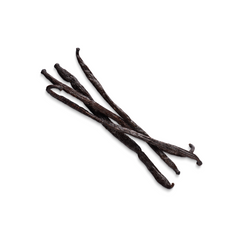
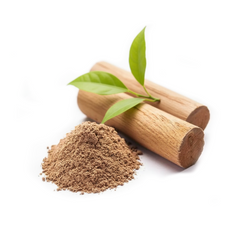
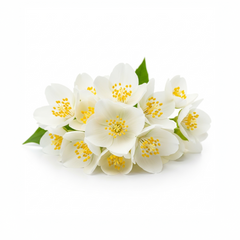
A flax accord typically blends 20–25% flax seed absolute or linseed oil to provide the nutty, slightly oily base. Complementary ingredients include 15–20% white floral notes like jasmine or lily of the valley, which share green and fresh molecular facets with flax. Woody notes such as sandalwood or cedarwood at 25–30% add depth and longevity, harmonizing with flax’s earthy undertones. Vanilla at 25–30% softens the accord by masking any sharpness through its vanillin content, creating a warm, rounded finish.

25%

Flax

20–25% of blend

Provides the core nutty, mildly oily character through linseed oil components rich in omega-3 fatty acids.

20%

Jasmine

15–20% of blend

Shares green and floral molecular facets that complement flax’s grassy undertones, enhancing freshness.

30%

Sandalwood

25–30% of blend

Adds woody depth and longevity, harmonizing with flax’s earthy, nutty nuances.

30%

Vanilla

25–30% of blend

Softens the accord by masking sharp edges via vanillin, creating a warm, smooth finish.

The Olfactory Layers

How Flax Evolves on Skin

Flax’s olfactory evolution unfolds slowly due to its low volatility. Initial impressions are faint, with subtle nutty and grassy notes emerging within the first 15 minutes. The heart reveals a soft floral and earthy complexity lasting up to an hour, while the base sustains a mild oily and woody warmth for several hours, supported by vanillin and sandalwood compounds.

I
Top notes
0–15 min
Fresh Nutty Green

At this stage, the volatile green aldehydes and light fatty acids impart a faint grassy and nutty aroma. These molecules evaporate quickly, providing a gentle introduction without sharpness.

mildgreennutty
II
Heart notes
20–60 min
Creamy Floral Earth

The heart reveals more complex fatty acid esters and omega-3 derivatives, producing a soft, creamy nutty scent with subtle floral undertones. This phase bridges the freshness of the top with the warmth of the base.

creamyfloralearthy
III
Base notes
Several hours
Warm Oily Wood

The base is dominated by long-chain fatty acids and vanillin derivatives, creating a warm, slightly oily, and woody foundation that lingers on the skin, enhancing longevity and depth.

warmwoodyoily
TOP NOTES Fresh Nutty Green 0–15 minutes HEART NOTES Creamy Floral Earth 20–60 minutes BASE NOTES Warm Oily Wood Several hours
Through the Ages

The Story of Flax in Perfumery

Flax’s history in perfumery traces back to ancient civilizations, evolving from textile and oil uses to subtle fragrance notes in modern compositions.

Antiquity

Ancient Egyptian Use

Flax fibers were used in linen production for mummification, with early evidence of flaxseed oil’s mild scent noted in Egyptian tombs dating over 5,000 years ago.

Neolithic Period

Early Domestication

Archaeological findings in the Fertile Crescent show flax cultivation for fiber and seeds, marking one of the earliest agricultural crops with aromatic potential.

17th Century

European Linen Industry

The rise of flax fiber cultivation in Europe, especially Ireland and France, established flax as a key agricultural commodity, indirectly influencing its aromatic use.

20th Century

Linseed Oil in Aromatherapy

Linseed oil’s mild nutty scent gained recognition in aromatherapy and perfumery as a base note, valued for its natural, grounding qualities.

2010s

Modern Perfumery Adoption

Flax was incorporated as a subtle base note in contemporary fragrances such as Moschino’s Toy Boy (2019), highlighting its niche appeal in floral and woody accords.

The Art of Layering

How to Layer Flax

Understanding how to layer flax involves molecular compatibility and olfactory synergy, enhancing its subtle nutty and grassy facets.

01

Enhance Sweetness

Pair flax with vanilla or tonka bean, whose vanillin and coumarin molecules mask any sharpness and amplify warmth. This combination is exemplified in Bvlgari’s BLV Absolute, where vanilla softens flax’s nutty edge.

02

Add Depth

Layer flax with sandalwood or cedarwood to complement its earthy fatty acids with woody lactones, creating a rich, long-lasting base as seen in Moschino’s Toy Boy.

03

Lighten the Glow

Combine flax with light florals like jasmine or lily of the valley, which share green aldehydes and fresh esters, producing a balanced accord that highlights flax’s grassy undertones, similar to Versace’s The Dreamer.

Wear It Right

How to Wear Flax Like a Pro

Seasonal Guide

Fall & Winter

Cooler temperatures slow molecular diffusion, enhancing flax’s warm, creamy base notes. Apply more liberally for sustained warmth and depth during colder months.

Spring

Moderate temperatures highlight flax’s fresh grassy and floral undertones. Layer with light florals or citrus to emphasize brightness and softness.

Summer

Heat increases volatility, which can diminish flax’s subtlety. Use sparingly or blend with fresh aquatic or green notes to maintain balance and avoid overpowering.

Year-Round Tip

Layer flax with complementary woody or vanilla notes to stabilize its scent profile and enhance longevity regardless of season.

Application Points

Strategic application enhances flax’s subtle nutty aroma and longevity.

1

Neck

Pulse points like the neck emit heat that gently diffuses flax’s low-volatility molecules, enhancing projection and warmth.

2

Behind the Ears

This area’s warmth and proximity to hair allow sustained release of flax’s nutty facets throughout the day.

3

Inner Wrists

Movement and warmth at the wrists activate flax’s subtle aroma, making it more noticeable in close proximity.

4

Hair

Hair fibers trap scent molecules, allowing flax’s mild nutty and grassy notes to linger softly with natural movement.

★

Pro Tip

Apply flax-based fragrances on moisturized skin to enhance adherence and diffusion of its fatty acid-rich components.

HumanSafe™

Flax Safety Profile in Our Fragrances

No ingredient collection was found for flax.

Create or connect a collection with the same handle as this ingredient, then add products that contain this ingredient.

Expert Voices

What Masters Say About Flax

“
Flax’s mild nutty scent provides a subtle, natural texture that supports and enriches floral and woody accords without overpowering them.
CA Perfume Editorial
“
The use of flax in modern perfumery reflects a trend towards incorporating authentic, understated natural notes that add complexity and depth.
CA Perfume Editorial
Common Questions

Frequently Asked Questions

Frequently asked questions about flax in perfumery, addressing scent, usage, and pairing.

Flax in perfume smells mild and nutty with subtle grassy and floral undertones. Its scent is derived mainly from linseed oil, giving a soft, slightly oily texture that blends well with floral and woody notes. It is often used as a base note to add natural warmth and complexity, as seen in fragrances like Moschino’s Toy Boy and Versace’s The Dreamer.

Flax is primarily used as a base note in fragrance due to its low volatility and lasting presence. Its mild nutty and slightly oily aroma supports the longevity of a perfume and provides a natural, grounding effect that complements more volatile top and heart notes.

Flax is favored in niche perfumes for its subtle, authentic nutty character that adds depth and natural texture without overwhelming other notes. Its rarity and understated profile appeal to perfumers seeking complexity and a connection to natural raw materials, enhancing the uniqueness of niche compositions.

Flax pairs well with vanilla, sandalwood, jasmine, cedarwood, and white floral notes. These combinations work at a molecular level where vanillin masks any sharpness of flax, woody lactones complement its earthiness, and floral aldehydes harmonize with its grassy undertones, creating balanced accords.

Flax perfume can be suitable for summer if used sparingly or blended with fresh, aquatic, or citrus notes to balance its mild oily facets. Heat increases volatility, which may diminish flax’s subtlety, so lighter applications or layering with cooling notes are recommended for warm climates.

Flax-based fragrances typically last several hours, especially when formulated as a base note in parfum or Eau de Parfum concentrations. Its low volatility and fatty acid content contribute to moderate longevity and a warm, lingering finish on the skin.

Yes, layering flax perfume with complementary scents like vanilla, sandalwood, or light florals enhances its nutty and grassy facets. Layering at the molecular level allows olfactory masking and synergy, producing a richer, more complex scent profile.

Beginner-friendly flax perfumes include Moschino’s Toy Boy and Versace’s The Dreamer, which incorporate flax subtly within accessible floral and woody compositions. These fragrances showcase flax’s natural warmth without overwhelming the wearer.

Choosing a flax fragrance at CA Perfume involves considering your preference for subtle nutty and natural notes balanced with florals or woods. The HumanSafe™ platform ensures ingredient transparency and safety, helping you select a fragrance that aligns with your skin chemistry and style.

Flax smells neither sweet nor spicy; it is characterized by a mild, nutty, and slightly grassy aroma. Its scent is soft and natural, providing a grounding base rather than a dominant sweet or spicy character.

Floral Collection

Explore Our Top Flax Fragrances

Discover fragrances featuring flax’s subtle nutty and floral nuances, curated for natural elegance and complexity.

Shop all flax fragrances at CA Perfume →

Where Flax Comes From — Origin & Extraction

Flax (Linum usitatissimum) is native to the region extending from the eastern Mediterranean through the Fertile Crescent to India. Archaeological evidence places its domestication over 10,000 years ago, with ancient uses documented in Mesopotamia and Egypt, where flax fibers were used to produce linen cloth for mummification and textiles. Today, flax is cultivated worldwide, with major production centers in Canada, China, India, and parts of Europe. The plant is an erect annual, growing up to 1.2 meters tall, with slender stems and lanceolate leaves. Its flowers range from pale blue to white, producing seed capsules containing glossy brown or yellow seeds rich in oil (35–45%) and protein (18–26%). Extraction of flax's aromatic components for perfumery primarily involves cold pressing of the seeds to obtain linseed oil, which carries the characteristic mild nutty scent. Solvent extraction using hexane or ethanol can also be employed to concentrate aromatic compounds, although steam distillation is generally avoided due to heat sensitivity of key molecules. Natural linseed oil costs approximately $5–15 per kilogram, depending on quality and processing, while synthetic aroma chemicals mimicking its scent are significantly less expensive. Sustainability considerations include the crop's low pesticide requirements and its role in crop rotation, making flax a relatively eco-friendly raw material in perfumery.

Famous Fragrances That Define Flax in Perfumery

Flax has been featured as a subtle yet defining note in several notable fragrances over recent decades. Moschino's Toy Boy (2019), crafted by perfumer Amandine Clerc-Marie, uses flax as a base note to provide a mild nutty foundation that complements its floral and woody accords. Versace's The Dreamer (1996), by perfumer Alberto Morillas, incorporates flax to add a soft, natural texture that balances aromatic and herbal elements. Bvlgari's BLV (1999) employs flax to enhance its fresh and woody composition, serving as a supporting note alongside iris and sandalwood. Maison Violet's Compliment (2018) uses flax to underpin its floral heart with a subtle nutty warmth. Eolie Parfums' Luna Blu (2020) integrates flax to enrich its white floral and honey accords, providing depth and complexity. These examples illustrate flax's role as a versatile base note that bridges floral, woody, and aromatic families. CA Perfume's collection reflects this lineage by incorporating flax in nuanced accords that emphasize natural textures and subtlety.

Natural vs Synthetic Flax in Perfumery

Natural flax aroma derives from linseed oil extracted from Linum usitatissimum seeds, characterized by a mild nutty and slightly grassy scent. Synthetic substitutes aim to replicate this profile using aroma chemicals such as cis-3-hexenol (CAS 928-96-1), which imparts a fresh green note, and hexanal (CAS 66-25-1), contributing to the nutty and fatty nuances. These synthetics offer greater stability, consistency, and cost-effectiveness compared to natural flax oil, which can oxidize and develop a rancid, fishy odor if not properly stored. Performance-wise, synthetic molecules provide longer-lasting scent and better diffusion, making them preferable in commercial formulations. Natural flax oil is more variable due to agricultural and extraction factors but is valued for its authentic complexity. Famous fragrances such as Moschino's Toy Boy and Versace's The Dreamer utilize natural flax notes, while synthetic analogues are common in mass-market products seeking cost efficiency and stability. CA Perfume employs the HumanSafe™ platform to ensure transparency and safety in sourcing both natural and synthetic ingredients, balancing authenticity with sustainability and consumer safety.