Where Elemi Resin Comes From — Origin & Extraction
Elemi resin is primarily sourced from the Canarium luzonicum tree, a large evergreen native to the tropical rainforests of the Philippines, especially the islands of Luzon and Mindanao. These trees can reach heights of up to 30 meters and produce a pale yellow oleoresin through natural exudation when incisions are made in the bark, a process known as tapping. Harvesting typically occurs from January to June, with local farmers collecting up to five kilograms of raw resin per tree annually.
The fresh resin is transported to Europe or the United States for processing. The most common extraction method is steam distillation (hydrodistillation), which volatilizes aromatic compounds at controlled temperatures to yield elemi essential oil with a 15–25% yield from the resin. This oil retains the bright citrus and spicy character of the resin. Alternatively, solvent extraction produces elemi resinoid, a thicker, more balsamic and tenacious material used in longer-lasting fragrance bases.
The Philippines dominates global elemi production, accounting for nearly 90% of supply. Indonesia and Malaysia also produce elemi, with regional variations in scent profile—Indonesian elemi tends to have earthier undertones, while Malaysian elemi is noted for sweeter, piney notes.
Natural elemi resin costs approximately $3,000–6,000 per kilogram, reflecting its labor-intensive harvesting and processing. Synthetic substitutes, based on aroma chemicals like safranal and elemicin analogues, are significantly less expensive but lack the full complexity of the natural resin. Sustainability efforts focus on responsible tapping practices to preserve tree health and forest ecosystems.
Famous Fragrances That Define Elemi Resin in Perfumery
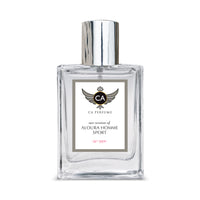
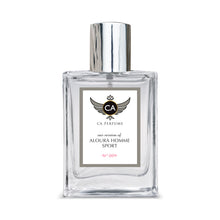
Elemi resin has been featured in numerous landmark fragrances, showcasing its versatility as a fresh, spicy, and resinous note. Yves Saint Laurent's "Nu" (2000), crafted by Jacques Cavallier, uses elemi as a base accent alongside incense and musk, creating a spicy, elegant foundation complemented by vetiver, vanilla, and cardamom. Dior Homme Sport (2008), composed by François Demachy, highlights elemi at the heart, paired with Nigerian ginger, vetiver, sandalwood, cedarwood, lavender, and rosemary, delivering a fresh yet spicy masculine scent.
Diptyque's Eau Duelle Eau de Toilette integrates elemi to add a resinous brightness to its vanilla and spice accord. Amouage's Portrayal Women employs elemi to bridge floral and woody notes, enhancing depth and longevity. 100 Bon's Elemi & Ambre (2023), by Mathieu Nardin, features elemi prominently in a warm oriental woody composition with incense, bergamot, cedar, geranium, jasmine, ylang-ylang, labdanum, patchouli, sandalwood, and vanilla.
These fragrances illustrate elemi's role as both a heart and bridging note, valued for its ability to add complexity without overwhelming. CA Perfume's curated collection honors this lineage by offering selections that highlight elemi's unique aromatic qualities.
Natural vs Synthetic Elemi Resin in Perfumery
Natural elemi resin is prized for its complex aromatic profile, dominated by limonene (36–56%), alpha-phellandrene, elemol, and elemicin, which together create a fresh, citrusy, spicy, and balsamic scent. The essential oil is obtained via steam distillation of the fresh oleoresin, yielding a clear, bright oil with strong diffusion and moderate longevity. The resinoid form, extracted with solvents, is thicker and more balsamic, favored in amber and spicy oriental bases for enhanced tenacity.
Synthetic elemi substitutes focus on key aroma chemicals such as safranal (CAS 116-26-7), elemicin (CAS 487-11-6), and analogues of alpha-phellandrene. These synthetics provide cost-effective alternatives with consistent quality, improved stability, and allergen control. However, they often lack the full olfactory complexity and evolving character of natural elemi.
Famous fragrances like Yves Saint Laurent's "Nu" and Dior Homme Sport utilize natural elemi for its authentic resinous brightness, while some modern compositions incorporate synthetics to achieve similar effects at scale.
From a sustainability perspective, natural elemi harvesting requires careful management to prevent over-tapping and ecological damage. Synthetic production offers a more sustainable supply chain but may lack the botanical authenticity valued by niche perfumers. CA Perfume embraces transparency through the HumanSafe™ platform, providing detailed sourcing and safety information for both natural and synthetic elemi-based ingredients.