Ingredient Guide · Spicy Woody
Spicy Woody Family · Perfumery Note

Black Pepper

Bold, dynamic spice from Piper nigrum berries

Black pepper is a spicy, warm, and woody note derived from the steam-distilled berries of Piper nigrum. It is used as a top or middle note in perfumery, typically at 0.1–2% concentration.

Black Pepper
Ingredient Profile

Black Pepper

Spicy Woody Family
Family Spicy Woody
Note Position Heart Note
Usage Level 0.1–2%
Key Origins India (Malabar Coast, Kerala), Vietnam (Central Highlands), Indonesia (Sumatra and Java)
Iconic In Poivre Noir, Eau de Parfum 602
The Ingredient

What does Black Pepper smell like and why is it significant in perfumery?

Black pepper, derived from the dried berries of Piper nigrum, is characterized by a spicy, warm, and woody scent profile. Its aroma is primarily due to sesquiterpenes such as β-caryophyllene and monoterpenes including limonene and sabinene, which impart a dry-spicy and slightly resinous character. This note is classified as a top to middle note in perfumery, typically used at concentrations ranging from 0.1% to 2% in fragrance compositions. Black pepper interacts dynamically with skin chemistry, warming upon contact with body heat and evolving from a sharp, fresh spice to a deeper woody warmth. It is valued for adding complexity and contrast, especially when paired with floral or citrus notes. In perfumery, black pepper serves as a versatile note, functioning as an initial spicy burst in the top notes or as a warm, textured heart note. Its slightly bitter and woody facets help balance sweeter accords and extend fragrance longevity by acting as a mild fixative. Notable examples of black pepper use include Serge Lutens' Poivre Noir (2020), where Madagascar black pepper is blended with nutmeg and cedarwood, and Lorenzo Villoresi's Piper Nigrum (2006), which highlights the note's fresh, spicy brightness. These fragrances demonstrate black pepper's ability to add both vibrancy and depth, making it a staple in both masculine and unisex compositions.

0.1–2%
Typical concentration range in fragrance formulations to balance impact and harmony.
4–8 hours
Average longevity on skin, depending on concentration and supporting notes.
105–150°C
Optimal steam distillation temperature range for extracting black pepper essential oil.
Origin & Extraction

Where Black Pepper Comes From — Origin & Extraction

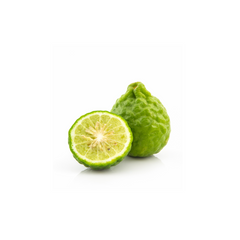
Black pepper’s scent profile is influenced by its geographic origin, with soil composition, altitude, and climate shaping its aromatic nuances. The Malabar Coast in India produces pepper with a fresh, woody-spicy character due to its humid tropical climate and lateritic soils. Vietnam’s pepper tends to be sharper and more pungent, reflecting its red basalt soil and higher altitude cultivation. Indonesia’s pepper offers a more resinous and earthy profile, influenced by volcanic soils. Brazil’s peppercorns are noted for their balanced spicy and fruity notes, grown in tropical rainforest conditions.

Black pepper essential oil is extracted from the dried, nearly ripe berries of the Piper nigrum plant, a flowering vine native to the Malabar Coast of Kerala, India. India remains a primary producer, with Kerala accounting for a significant share of global black pepper exports, alongside Vietnam, Indonesia, and Brazil. The berries are harvested when unripe, sun-dried, and then subjected to steam distillation at controlled temperatures between 105°C and 150°C to vaporize volatile aromatic compounds. This process yields approximately 1.5–5% essential oil by weight depending on extraction conditions and raw material quality. The essential oil is a complex mixture dominated by sesquiterpenes such as β-caryophyllene (18-28%), and monoterpenes including limonene, sabinene, and pinene, which contribute to its signature spicy, woody, and fresh aroma. The oil appears as a pale yellow to greenish liquid with medium to strong odor strength. Natural black pepper oil commands prices ranging from $150 to $600 per kilogram depending on purity and origin. Synthetic black pepper aroma chemicals, such as rotundone-containing extracts and Poivrol®, offer cost-effective alternatives priced around $50 to $200 per kilogram. Sustainability concerns include deforestation and pesticide use in some regions, prompting interest in organic cultivation and fair trade practices.

IN

India (Malabar Coast, Kerala)

The traditional origin of Piper nigrum, producing pepper with fresh, woody-spicy notes due to humid tropical climate and lateritic soils. Accounts for about 30% of global production with PDO quality standards.

VN

Vietnam (Central Highlands)

Leading global producer with sharp, pungent pepper characterized by red basalt soil and high-altitude cultivation. Vietnam supplies approximately 40% of the world market.

ID

Indonesia (Sumatra and Java)

Produces pepper with resinous, earthy nuances influenced by volcanic soils and tropical rainforest climate. Accounts for roughly 10% of global production.

BR

Brazil (Pernambuco and Pará)

Known for balanced spicy and fruity peppercorns grown in tropical rainforest conditions, contributing about 5% of global supply.

Chemistry

Natural vs Synthetic Black Pepper in Perfumery

Natural black pepper essential oil (CAS 8006-82-4) remains unrestricted in IFRA standards at 100% usage across all fragrance categories, confirmed by recent RIFM safety assessments. Its complex olfactory profile includes woody, spicy, green, and powdery facets, primarily driven by β-caryophyllene, α-pinene, β-pinene, and δ-3-carene. Natural oil offers a nuanced, authentic pepper character without the pungency of piperine, which is non-volatile and absent in the distilled oil. Synthetic black pepper alternatives focus on molecules like rotundone, responsible for the authentic pepper sensation, and commercial products such as Poivrol® (Symrise). These synthetics provide greater consistency, stability, and cost efficiency, typically priced between $50 and $200 per kilogram compared to natural oil's $150–600 per kilogram range. Famous fragrances like Calvin Klein Contradiction (0.2% natural black pepper) and Ralph Lauren Extreme Polo Sport (6%) utilize natural oil, while synthetic versions enable broader industrial use. Sustainability considerations favor synthetic production for reduced environmental impact, though natural oil remains prized for luxury applications. The HumanSafe™ platform ensures transparency and safety for both natural and synthetic black pepper ingredients.

Natural
Black Pepper Absolute
Cost $3,000–6,000/kg
Method Solvent / CO₂
Character Complex, variable
vs
Synthetic
Safranal & Analogues
Cost $50–200/kg
Method Lab synthesis
Character Consistent, stable
Hall of Fame

Famous Fragrances That Define Black Pepper in Perfumery

2020
dominant note

Poivre Noir

Serge Lutens
by Not publicly disclosed
nutmegcedarwood
accent

Eau de Parfum 602

Bon Parfumeur
cedarpatchouli
bridge note

Eau de Parfum 601

Bon Parfumeur
bergamotcinnamonvanilla
2006
top note

Piper Nigrum

Lorenzo Villoresi
by Lorenzo Villoresi
citruswoody notes
2018
accent

Ofresia

Diptyque
by Not publicly disclosed
floral notes

Black pepper has been a valued ingredient in perfumery for decades, featuring prominently in both classic and contemporary fragrances. Serge Lutens' Poivre Noir (2020) is a landmark unisex fragrance that blends Madagascar black pepper with nutmeg and cedarwood, using black pepper as a dominant note to create a woody-spicy signature. Bon Parfumeur's Eau de Parfum 602 (2021) combines black pepper with cedar and patchouli, where black pepper acts as a vibrant accent, adding warmth and complexity. Eau de Parfum 601 from the same brand pairs black pepper with bergamot, cinnamon, and vanilla, using it as a spicy bridge note. Other notable examples include Lorenzo Villoresi's Piper Nigrum (2006), which showcases black pepper as a fresh, spicy top note, and Diptyque's Ofresia (2018), where black pepper adds a sharp, invigorating contrast to floral accords. These fragrances demonstrate black pepper's versatility across gender lines and fragrance families, from spicy oriental to woody aromatic. CA Perfume's collection reflects this lineage by incorporating black pepper in accords that balance spice with floral and woody elements, honoring its historical and modern significance.

The Accord

How is a captivating Black Pepper accord crafted?

A balanced black pepper accord typically blends Black Pepper (20-25%) for its spicy, woody sharpness with Bergamot (15-20%) to provide fresh citrus brightness. Cedarwood (25-30%) adds a dry, resinous woody base that complements the pepper’s warmth, while Vanilla (25-30%) softens the composition by masking pepper’s sharp edges through vanillin’s sweet olfactory masking effect. This combination creates a dynamic, layered accord with a spicy opening, woody heart, and smooth finish.

25%

Black Pepper

20–25% of blend

Provides the signature spicy, woody, and slightly resinous facets driven by sesquiterpenes like β-caryophyllene.

20%

Bergamot

15–20% of blend

Contributes fresh, citrusy top notes that enhance the brightness and lift the pepper’s sharpness.

30%

Cedarwood

25–30% of blend

Adds a dry, resinous woody base that complements and grounds the spicy facets of black pepper.

30%

Vanilla

25–30% of blend

Softens the sharpness of pepper through vanillin’s sweet masking effect, creating a smooth, warm finish.

The Olfactory Layers

How Black Pepper Evolves on Skin

Black pepper’s olfactory evolution begins with a sharp, fresh spicy burst from volatile monoterpenes like limonene and sabinene in the first 0–15 minutes. As the fragrance develops into the heart (20–60 minutes), sesquiterpenes such as β-caryophyllene impart warm, woody, and resinous facets. The base notes (several hours) reveal a dry, slightly smoky woody character with subtle animalic undertones, providing depth and longevity.

I
Top notes
0–15 min
Sharp & Sparkling

The initial impression is a bright, sharp, and sparkling spicy aroma dominated by monoterpenes such as limonene and sabinene. These compounds evaporate quickly, delivering a fresh and zesty peppery burst that energizes the opening.

SpicyFreshZesty
II
Heart notes
20–60 min
Warm & Woody

The heart reveals warm, woody, and resinous qualities primarily from sesquiterpenes like β-caryophyllene. This phase adds depth and complexity, balancing the initial sharpness with a richer, slightly bitter warmth.

WoodyWarmResinous
III
Base notes
Several hours
Dry & Smoky

At the base, the fragrance settles into a dry, smoky woody character with subtle animalic and balsamic undertones. These long-lasting molecules provide fixative properties and a lingering spicy warmth.

DrySmokyLong-lasting
TOP NOTES Sharp & Sparkling 0–15 minutes HEART NOTES Warm & Woody 20–60 minutes BASE NOTES Dry & Smoky Several hours
Through the Ages

The Story of Black Pepper in Perfumery

Black pepper’s history in perfumery spans from ancient ritual use to modern luxury fragrances, marking its evolution as a prized aromatic spice and scent ingredient.

Antiquity

Ancient Use in Aromatic Blends

Black pepper was used by Greeks and Egyptians in religious ceremonies and personal grooming, valued for its aromatic and medicinal properties.

Renaissance (15th-17th century)

Increased Popularity in Europe

Black pepper became a sought-after fragrance ingredient during the Renaissance, incorporated into aromatic blends and early perfumes.

1954

Caron's Poivre Launch

Caron released Poivre, one of the first perfumes to prominently feature black pepper as a single-note idea, influencing modern spicy fragrances.

2006

Lorenzo Villoresi's Piper Nigrum

Villoresi highlighted black pepper as a fresh, spicy top note in a signature fragrance, showcasing its versatility.

2020

Serge Lutens Poivre Noir

Serge Lutens launched Poivre Noir, a woody and spicy unisex fragrance that uses Madagascar black pepper as a dominant note, reflecting contemporary olfactory trends.

The Art of Layering

How to Layer Black Pepper

Understanding how to layer black pepper involves molecular compatibility and olfactory synergy. Its spicy, woody compounds blend well with citrus, floral, and sweet notes to create balanced compositions.

01

Enhance Sweetness

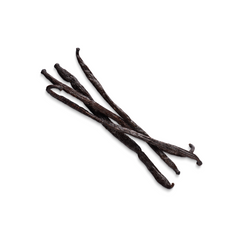
Layering black pepper with vanilla or tonka bean softens its sharpness through vanillin’s olfactory masking, creating a warm, inviting contrast. This pairing is evident in fragrances like Bon Parfumeur 601.

02

Add Depth

Combining black pepper with woody notes such as cedarwood or sandalwood leverages shared sesquiterpenes, enhancing resinous warmth and complexity, as seen in Serge Lutens Poivre Noir.

03

Lighten the Glow

Pairing black pepper with bergamot or other citrus notes introduces limonene-driven brightness that lifts the spice, creating a fresh, sparkling opening. This technique is used in Lorenzo Villoresi Piper Nigrum.

Wear It Right

How to Wear Black Pepper Like a Pro

Seasonal Guide

Fall & Winter

Cooler temperatures slow evaporation, allowing black pepper’s warm, woody facets to dominate. Apply moderately for cozy, long-lasting sillage.

Spring

Mild warmth enhances the fresh, spicy top notes. Layer with florals or citrus to balance vibrancy and warmth.

Summer

Heat increases volatility, emphasizing sharp, fresh pepper notes. Use lighter concentrations or layer with aquatic accords to prevent overpowering.

Year-Round Tip

Adjust application based on climate; black pepper’s dynamic profile allows versatile layering to suit any season.

Application Points

Strategic application of black pepper fragrance enhances its dynamic profile and longevity.

1

Neck

Pulse points like the neck generate heat, intensifying black pepper’s spicy top notes for a vibrant initial impression.

2

Behind the Ears

This area’s warmth helps release the woody heart notes subtly, creating an intimate scent aura.

3

Inner Wrists

High blood flow here promotes diffusion of the fresh and spicy facets, ideal for daytime wear.

4

Hair

Hair fibers hold fragrance longer, allowing black pepper’s dry and smoky base notes to unfold gradually.

Pro Tip

Layer black pepper fragrance with complementary notes on clothing for extended sillage and nuanced evolution.

Mood Architecture™

Top Black Pepper Fragrances by Mood Score

These Black Pepper-based fragrances scored highest on the MEI™ Mood Architecture Framework — measuring how a scent may influence your emotional state.

Highest MEI Score
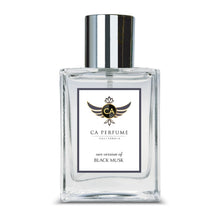
Black Musk — Montale Black Musk Alternative Perfume
8.21
MEI™
Primary Romantic
Secondary Confident
Confidence
7.38
Presence
7.54
Mood Lift
9.15
Identity
7.96
Warmth
9.5
Social Ease
8.47
Energy
3.5
" I am beautiful.
View full mood profile →
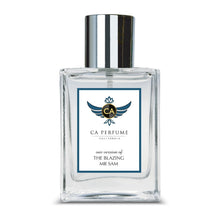
The Blazing Mr Sam — Penhaligon's The Blazing Mr Sam Alternative Cologne
8.02
MEI™
Primary Romantic
Secondary Confident
Confidence
7.89
Presence
8.56
Mood Lift
7.94
Identity
8.53
Warmth
9.48
Social Ease
7.42
Energy
4.3
" I am beautiful.
View full mood profile →
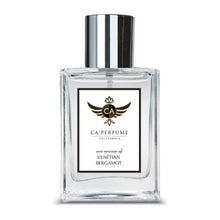
Venetian Bergamot — Tom Ford Venetian Bergamot Alternative Perfume
7.9
MEI™
Primary Fresh
Secondary Romantic
Confidence
6.95
Presence
7.78
Mood Lift
9.26
Identity
7.17
Warmth
8.53
Social Ease
8.15
Energy
3.6
" I am radiant.
View full mood profile →
Pearl Oud — By Kilian Pearl Oud Alternative Perfume
7.93
MEI™
Primary Romantic
Secondary Confident
Confidence
8.39
Presence
9.12
Mood Lift
7.54
Identity
9.23
Warmth
8.87
Social Ease
6.92
Energy
2.5
" I am beautiful.
View full mood profile →
HumanSafe™

Top Black Pepper Fragrances by HumanSafe™ Score

These Black Pepper-based fragrances have the highest product-level HumanSafe™ scores in this ingredient collection.

Highest HumanSafe™ Score
Venetian Bergamot — Tom Ford Venetian Bergamot Alternative Perfume
A-
HumanSafe™ Score Generally Safe
Safest Evaluated Ingredients EDP
AQUA Solvent / Carrier ISS 10.0
2-BUTEN-1-OL, 2-METHYL-4-(2,2,3-TRIMETHYL-3- Evaluated ingredient ISS 10.0
BENZYL SALICYLATE Evaluated ingredient ISS 9.0
3-BUTEN-2-ONE, 3-METHYL-4-(2,6,6-TRIMETHYL-2- Evaluated ingredient ISS 8.0
LINALYL ACETATE Evaluated ingredient ISS 7.0
View full safety profile →
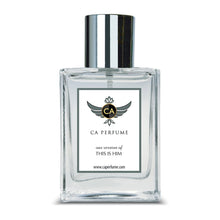
This Is Him — Zadig & Voltaire This Is Him Alternative Cologne
A-
HumanSafe™ Score Generally Safe
Safest Evaluated Ingredients EDP
AQUA Solvent / Carrier ISS 10.0
1,4-DIOXACYCLOHEPTADECANE-5,17-DIONE Evaluated ingredient ISS 10.0
BENZYL SALICYLATE Evaluated ingredient ISS 9.0
AMBROXIDE Evaluated ingredient ISS 9.0
View full safety profile →
The Blazing Mr Sam — Penhaligon's The Blazing Mr Sam Alternative Cologne
A-
HumanSafe™ Score Generally Safe
Safest Evaluated Ingredients EDP
AQUA Solvent / Carrier ISS 10.0
1,4-DIOXACYCLOHEPTADECANE-5,17-DIONE Evaluated ingredient ISS 10.0
7-OCTEN-2-OL, 2,6-DIMETHYL- Evaluated ingredient ISS 9.0
4H-INDEN-4-ONE, 1,2,3,5,6,7-HEXAHYDRO-1,1,2,3,3- Evaluated ingredient ISS 9.0
2H-1-BENZOPYRAN-6-OL, 3,4-DIHYDRO-2,5,7,8- Evaluated ingredient ISS 8.0
2H-1-BENZOPYRAN-2-ONE Evaluated ingredient ISS 8.0
View full safety profile →
Spicebloom Extreme — Spicebomb Extreme Alternative Cologne
A-
HumanSafe™ Score Generally Safe
Safest Evaluated Ingredients EDP
AQUA Solvent / Carrier ISS 10.0
1,4-DIOXACYCLOHEPTADECANE-5,17-DIONE Evaluated ingredient ISS 10.0
4H-INDEN-4-ONE, 1,2,3,5,6,7-HEXAHYDRO-1,1,2,3,3- Evaluated ingredient ISS 9.0
2H-1-BENZOPYRAN-2-ONE Evaluated ingredient ISS 8.0
2-HEXENE, 6,6-DIMETHOXY-2,5,5-TRIMETHYL- Evaluated ingredient ISS 8.0
LINALYL ACETATE Evaluated ingredient ISS 7.0
View full safety profile →
Expert Voices

What Masters Say About Black Pepper

So far, I have used black pepper only once in my perfumes – together with a bundle of citrus and vetiver. This combo is unbeatable. The brightness and sparkling fuzziness of citrus, the damp woody, earthy brown vetiver and the sharpness of pepper fit like Coke, fries and burger. Pepper is metallic and spiky, sharp. But compared to cardamom it is actually easier to handle – like a poodle compared to a bulldog.
Andy Tauer, Perfumer
Black pepper isn’t just thought to stimulate the mind, but to ‘warm the indifferent heart’ as fragrance writer Mandy Aftel puts it. Its complex aroma delivers a burst of heat, freshness, and woody nuances that blend beautifully with citrus and aromatic notes.
CA Perfume Editorial
Common Questions

Frequently Asked Questions

Answers to common questions about black pepper in perfumery.

In perfume, black pepper smells spicy, warm, and woody with a sharp yet slightly sweet character. It provides a fresh, sparkling top note that evolves into a warm, resinous heart and a dry, smoky base. This profile makes it a dynamic and versatile ingredient used primarily as a top or middle note in many fragrances.

Black pepper is most commonly used as a top or middle note in fragrances. Its volatile monoterpenes provide a bright, spicy opening, while its sesquiterpenes contribute warmth and depth in the heart. It rarely serves as a base note but can act as a mild fixative to extend longevity.

Black pepper is favored in niche perfumery for its complex, multifaceted scent that adds energy and sophistication. Its ability to provide a fresh spicy burst and warm woody depth allows perfumers to craft bold, memorable compositions that stand out from mainstream offerings.

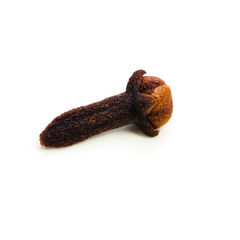
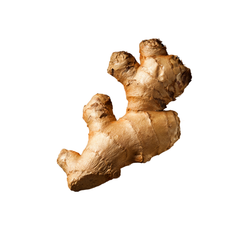
Black pepper fragrance uses often pair it with citrus notes like bergamot for brightness, woody notes such as cedarwood and sandalwood for depth, and sweet accords like vanilla and tonka bean to soften its sharpness. Floral and aromatic spices like clove and ginger also complement black pepper well.

Yes, black pepper perfumes can be suitable for summer, especially when formulated with fresh citrus or aquatic notes to balance its warmth. However, due to increased volatility in heat, lighter concentrations or careful layering are recommended to avoid overpowering sharpness.

Black pepper fragrances typically last between 4 to 8 hours on skin, depending on concentration and supporting notes. Parfum and Eau de Parfum formats offer longer longevity by balancing volatile top notes with fixatives.

Yes, layering black pepper perfume with complementary notes such as vanilla, cedarwood, or bergamot enhances its complexity and can tailor the scent to your preference. Understanding how to layer black pepper involves considering molecular compatibility and olfactory synergy.

For beginners, fragrances like Bon Parfumeur Eau de Parfum 602 and Lorenzo Villoresi Piper Nigrum offer approachable introductions to black pepper’s spicy warmth balanced with woody and citrus notes. These provide a well-rounded experience without overwhelming sharpness.

Choosing the right black pepper fragrance at CA Perfume involves considering your preference for spice intensity, supporting notes, and occasion. Our curated collection offers a range from fresh and bright to warm and woody, allowing you to explore black pepper’s versatility with confidence.

Black pepper primarily smells spicy with a dry, woody warmth. While it can have subtle sweet undertones due to minor compounds, its dominant character is a sharp, invigorating spice that adds energy and complexity to fragrances.

Spicy Woody Collection

Explore Our Top Black Pepper Fragrances

Discover a curated selection of black pepper perfumes showcasing its spicy warmth and woody depth across diverse compositions.

Shop all black pepper fragrances at CA Perfume →

Where Black Pepper Comes From — Origin & Extraction

Black pepper essential oil is extracted from the dried, nearly ripe berries of the Piper nigrum plant, a flowering vine native to the Malabar Coast of Kerala, India. India remains a primary producer, with Kerala accounting for a significant share of global black pepper exports, alongside Vietnam, Indonesia, and Brazil. The berries are harvested when unripe, sun-dried, and then subjected to steam distillation at controlled temperatures between 105°C and 150°C to vaporize volatile aromatic compounds. This process yields approximately 1.5–5% essential oil by weight depending on extraction conditions and raw material quality. The essential oil is a complex mixture dominated by sesquiterpenes such as β-caryophyllene (18-28%), and monoterpenes including limonene, sabinene, and pinene, which contribute to its signature spicy, woody, and fresh aroma. The oil appears as a pale yellow to greenish liquid with medium to strong odor strength. Natural black pepper oil commands prices ranging from $150 to $600 per kilogram depending on purity and origin. Synthetic black pepper aroma chemicals, such as rotundone-containing extracts and Poivrol®, offer cost-effective alternatives priced around $50 to $200 per kilogram. Sustainability concerns include deforestation and pesticide use in some regions, prompting interest in organic cultivation and fair trade practices.

Famous Fragrances That Define Black Pepper in Perfumery

Black pepper has been a valued ingredient in perfumery for decades, featuring prominently in both classic and contemporary fragrances. Serge Lutens' Poivre Noir (2020) is a landmark unisex fragrance that blends Madagascar black pepper with nutmeg and cedarwood, using black pepper as a dominant note to create a woody-spicy signature. Bon Parfumeur's Eau de Parfum 602 (2021) combines black pepper with cedar and patchouli, where black pepper acts as a vibrant accent, adding warmth and complexity. Eau de Parfum 601 from the same brand pairs black pepper with bergamot, cinnamon, and vanilla, using it as a spicy bridge note. Other notable examples include Lorenzo Villoresi's Piper Nigrum (2006), which showcases black pepper as a fresh, spicy top note, and Diptyque's Ofresia (2018), where black pepper adds a sharp, invigorating contrast to floral accords. These fragrances demonstrate black pepper's versatility across gender lines and fragrance families, from spicy oriental to woody aromatic. CA Perfume's collection reflects this lineage by incorporating black pepper in accords that balance spice with floral and woody elements, honoring its historical and modern significance.

Natural vs Synthetic Black Pepper in Perfumery

Natural black pepper essential oil (CAS 8006-82-4) remains unrestricted in IFRA standards at 100% usage across all fragrance categories, confirmed by recent RIFM safety assessments. Its complex olfactory profile includes woody, spicy, green, and powdery facets, primarily driven by β-caryophyllene, α-pinene, β-pinene, and δ-3-carene. Natural oil offers a nuanced, authentic pepper character without the pungency of piperine, which is non-volatile and absent in the distilled oil. Synthetic black pepper alternatives focus on molecules like rotundone, responsible for the authentic pepper sensation, and commercial products such as Poivrol® (Symrise). These synthetics provide greater consistency, stability, and cost efficiency, typically priced between $50 and $200 per kilogram compared to natural oil's $150–600 per kilogram range. Famous fragrances like Calvin Klein Contradiction (0.2% natural black pepper) and Ralph Lauren Extreme Polo Sport (6%) utilize natural oil, while synthetic versions enable broader industrial use. Sustainability considerations favor synthetic production for reduced environmental impact, though natural oil remains prized for luxury applications. The HumanSafe™ platform ensures transparency and safety for both natural and synthetic black pepper ingredients.