Ingredient Guide · White Floral
White Floral Family · Perfumery Note

Egyptian Jasmine

A creamy, honeyed floral heart revered in perfumery.

Egyptian Jasmine is a heart note in perfumery, celebrated for its opulent, creamy, and honeyed floral character. Its scent is defined by indole, benzyl acetate, and methyl jasmonate, with typical usage at 0.2–2% of a fragrance formula.

Egyptian Jasmine
Ingredient Profile

Egyptian Jasmine

White Floral Family
Family White Floral
Note Position Heart Note
Usage Level 0.2–2% in formula
Key Origins Egypt, France, India
Iconic In A La Nuit, Ikat Jasmine
The Ingredient

What does Egyptian Jasmine smell like and why is it prized in perfumery?

Egyptian Jasmine (Jasminum grandiflorum L.) is renowned for its opulent, creamy, and honeyed scent profile, which is both intensely floral and subtly animalic. The primary molecular contributors to its aroma are indole, benzyl acetate, and methyl jasmonate. Indole imparts a narcotic, slightly animalic undertone, while benzyl acetate lends a sweet, fruity-floral nuance. Methyl jasmonate, discovered in Egyptian jasmine concrete in 1957, adds a radiant, airy floralcy and is present at about 0.8% in jasmine absolute. This complex molecular blend creates a scent that is simultaneously rich, velvety, and luminous, with undertones of tea, honey, and a faint muskiness. The Egyptian jasmine scent profile is less green and more creamy compared to Indian jasmine, with less pronounced eugenol and a warmer, more indolic base. In perfumery, Egyptian Jasmine is classified as a heart (middle) note, typically used at concentrations of 0.2–2% in fine fragrance compositions. Its molecular weight and volatility allow it to bridge top citrus notes and deeper base notes, providing both diffusion and persistence. Egyptian Jasmine in perfumery interacts with skin chemistry—particularly pH and moisture—to reveal more indolic or honeyed facets depending on the wearer. Its high content of indole and methyl jasmonate means it can shift from a fresh, dewy floral on cool, dry skin to a more animalic, sensual aroma on warmer, more acidic skin. This adaptability makes it highly valued for both feminine and unisex fragrances. Notable fragrances that exemplify Egyptian Jasmine’s role include Serge Lutens A La Nuit (2000, perfumer Christopher Sheldrake), which uses Egyptian, Moroccan, and Indian jasmine to evoke the scent of night-blooming jasmine, and Aerin Ikat Jasmine (2013, perfumer Firmenich), which pairs Egyptian jasmine with sambac and tuberose for a creamy, radiant bouquet. Maison Francis Kurkdjian Baccarat Rouge 540 Extrait de Parfum (2017, Francis Kurkdjian) also features Egyptian Jasmine as a key heart note, blending it with saffron and ambergris for a modern, opulent signature.

8 million flowers
Approximately 8 million jasmine blossoms are required to produce 1 kg of absolute, reflecting the labor-intensive nature of its extraction and its high cost.
0.2–2% in formula
Egyptian Jasmine absolute is typically used at 0.2–2% of a fragrance formula, balancing diffusion and complexity without overpowering other notes.
5–8 hours
A well-constructed Egyptian Jasmine fragrance lasts 5–8 hours on skin, with the creamy, musky base persisting due to indole and methyl jasmonate.
Origin & Extraction

Where Egyptian Jasmine Comes From — Origin & Extraction

Egypt’s Nile Delta is the world’s premier region for jasmine cultivation, where alluvial soils and a hot, dry climate yield intensely aromatic blooms. The terroir imparts a creamy, honeyed nuance unique to Egyptian jasmine.

Egyptian Jasmine is derived from Jasminum grandiflorum L., a species native to the Indian subcontinent but now extensively cultivated in Egypt, particularly in the Nile Delta and Gharbia regions. Egypt is one of the world’s leading producers of jasmine absolute, accounting for approximately 70–80% of global supply, with annual production estimated at 5–6 metric tons of absolute. The flowers are hand-picked at dawn to preserve their volatile aroma compounds, with roughly 8 million blossoms (about 1,000 kg) required to yield 2.3 kg of concrete, which is then processed to obtain 1 kg of absolute. Extraction is performed via solvent extraction, typically using hexane to produce jasmine concrete, followed by ethanol washing to yield the absolute. The process is conducted at low temperatures to prevent degradation of thermolabile compounds such as methyl jasmonate and indole. The yield from fresh flowers to absolute is extremely low (0.1–0.15%), contributing to its high cost—natural Egyptian jasmine absolute commands prices of $10,000–$15,000 per kg. In contrast, synthetic jasmine aroma chemicals such as hedione (CAS 24851-98-7), benzyl acetate (CAS 140-11-4), and methyl jasmonate (CAS 399-00-8) are available at $50–$300 per kg. Sustainability is a growing concern, as jasmine cultivation is labor-intensive and sensitive to climate change. Ethical sourcing initiatives in Egypt focus on fair wages, reduced pesticide use, and water conservation. Synthetic alternatives are increasingly used in commercial perfumery to reduce pressure on natural resources and ensure supply chain stability.

EG

Egypt

Nile Delta, especially Gharbia and Menoufia. Alluvial soils, high summer temperatures, and manual dawn harvesting yield jasmine with a creamy, honeyed, and indolic profile. Egypt produces 70–80% of global jasmine absolute (5–6 tons/year).

FR

France

Grasse region. Calcareous soils and Mediterranean climate produce jasmine with a greener, fresher, and more petal-like scent. Grasse jasmine is prized for its clarity and is used in high-end French perfumery.

IN

India

Tamil Nadu and Uttar Pradesh. Indian jasmine is fruitier and more eugenolic, with a pronounced clove-like note. India is a major producer, but its absolute is less creamy than Egyptian jasmine.

MA

Morocco

El Kelaa des Sraghna. Moroccan jasmine is lighter, with a fresh, slightly green profile. Production is smaller but highly valued for blending in Mediterranean-style compositions.

Chemistry

Natural vs Synthetic Egyptian Jasmine in Perfumery

Natural Egyptian Jasmine absolute contains over 100 volatile compounds, with indole, benzyl acetate, methyl jasmonate, and cis-jasmone as key contributors to its complex, evolving scent. Synthetic jasmine accords rely on molecules such as hedione (CAS 24851-98-7), which imparts a transparent, jasmine-tea-like freshness; methyl jasmonate (CAS 399-00-8), which enhances radiance; and benzyl acetate (CAS 140-11-4), which provides a sweet, fruity-floral note. Synthetic versions offer greater stability, batch-to-batch consistency, and reduced allergenic potential, but lack the nuanced evolution and depth of natural absolute. Natural jasmine is prized for its complexity and three-dimensionality, but it is expensive and subject to supply fluctuations. Synthetic jasmine accords are used in most mainstream fragrances for cost and sustainability reasons. For example, Dior Eau Sauvage (1966, Edmond Roudnitska) was the first to use hedione as a major component, revolutionizing jasmine’s role in modern perfumery. In contrast, niche and luxury fragrances such as Serge Lutens A La Nuit and Aerin Ikat Jasmine use higher proportions of natural absolute for authenticity. From a sustainability perspective, synthetic jasmine reduces the environmental impact of large-scale flower harvesting and supports the conservation of agricultural land. The HumanSafe™ platform at CA Perfume transparently discloses the proportion of natural versus synthetic jasmine in each formula, ensuring both safety and ethical sourcing.

Natural
Egyptian Jasmine Absolute
Cost $3,000–6,000/kg
Method Solvent / CO₂
Character Complex, variable
vs
Synthetic
Safranal & Analogues
Cost $50–200/kg
Method Lab synthesis
Character Consistent, stable
Hall of Fame

Famous Fragrances That Define Egyptian Jasmine in Perfumery

2000
dominant note

A La Nuit

Serge Lutens
by Christopher Sheldrake
Moroccan JasmineIndian JasmineHoneyMusk
2013
dominant note

Ikat Jasmine

Aerin
by Firmenich
Jasmine SambacTuberoseHoneysuckle
2017
bridge note

Baccarat Rouge 540 Extrait de Parfum

Maison Francis Kurkdjian
by Francis Kurkdjian
SaffronAmbergrisCedarwood
2011
dominant note

Jasmin Rouge

Tom Ford
by Rodrigo Flores-Roux
Clary SageYlang-YlangSpices
1988
accent

Olene Eau de Toilette

Diptyque
by Serge Kalouguine
HoneysuckleNarcissusWisteria

Egyptian Jasmine has shaped the character of numerous landmark fragrances, serving as a heart note, bridge, or dominant floral signature. In Serge Lutens A La Nuit (2000, Christopher Sheldrake), Egyptian Jasmine is blended with Moroccan and Indian jasmine to evoke the lush, nocturnal bloom of the flower, supported by honey and musk. Aerin Ikat Jasmine (2013, Firmenich) features Egyptian Jasmine as a dominant note, paired with sambac and tuberose for a creamy, radiant bouquet. Maison Francis Kurkdjian Baccarat Rouge 540 Extrait de Parfum (2017, Francis Kurkdjian) uses Egyptian Jasmine to add floral depth to its saffron and ambergris structure. Tom Ford Jasmin Rouge (2011, Rodrigo Flores-Roux) highlights Egyptian Jasmine in a spicy, opulent composition with clary sage and ylang-ylang. Diptyque Olene (1988, Serge Kalouguine) is a classic white floral where Egyptian Jasmine is paired with honeysuckle and narcissus, creating a luminous, garden-like effect. These fragrances demonstrate the versatility of Egyptian Jasmine in both modern and classic perfumery, and CA Perfume’s collection draws inspiration from this lineage, offering both traditional and contemporary interpretations.

The Accord

How is a captivating Egyptian Jasmine accord crafted?

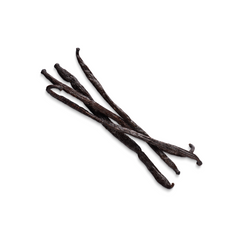
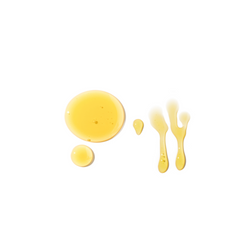
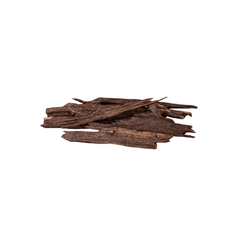
A classic Egyptian Jasmine accord balances creamy florals with sweet and resinous undertones. Jasmine absolute (30–35%) provides the core creamy, indolic floralcy. Vanilla absolute (20–25%) softens indolic edges with vanillin, creating a sweet, enveloping warmth. Agarwood (Oud, 20–25%) adds earthy, animalic depth via sesquiterpenes and agarol, grounding the floralcy. White honey (20–25%) introduces a syrupy, nectar-like richness, amplifying the honeyed nuance of natural jasmine. This blend creates a multidimensional, lasting floral signature.

35%

Egyptian Jasmine Absolute

30–35% of blend

Provides the creamy, indolic, and honeyed floral core. Rich in indole, benzyl acetate, and methyl jasmonate for depth and radiance.

25%

Vanilla Absolute

20–25% of blend

Vanillin softens jasmine’s sharpness through olfactory masking, enhancing sweetness and rounding the accord’s edges.

25%

Agarwood (Oud)

20–25% of blend

Sesquiterpenes and agarol add earthy, animalic depth, grounding the floralcy and extending longevity.

25%

White Honey

20–25% of blend

Honey lactones and phenylacetic acid amplify jasmine’s natural honeyed nuance, creating a syrupy, nectar-like finish.

The Olfactory Layers

How Egyptian Jasmine Evolves on Skin

Egyptian Jasmine’s olfactory evolution begins with a luminous, dewy floralcy, transitions to a creamy, honeyed heart, and settles into a musky, slightly animalic base. Volatile esters and indole drive the top, while heavier lactones and methyl jasmonate anchor the base.

I
Top notes
0–15 min
Dewy Floral Radiance

A burst of fresh, dewy floralcy dominated by benzyl acetate and linalool. These high-volatility esters evaporate quickly, creating an initial impression of brightness and lightness, with subtle green and fruity undertones.

DewyBrightGreen
II
Heart notes
20–60 min
Creamy Honeyed Bloom

The creamy, opulent core emerges as indole, methyl jasmonate, and cis-jasmone become prominent. This stage is intensely floral, honeyed, and slightly animalic, with a velvety texture that envelops the senses.

CreamyHoneyedOpulent
III
Base notes
Several hours
Musky Lingering Warmth

As the lighter molecules dissipate, heavier lactones and musky indole persist, mingling with subtle woody and amber nuances. The drydown is warm, slightly animalic, and lingering, with a faint tea-like sweetness.

MuskyWarmLingering
TOP NOTES Dewy Floral Radiance 0–15 minutes HEART NOTES Creamy Honeyed Bloom 20–60 minutes BASE NOTES Musky Lingering Warmth Several hours
Through the Ages

The Story of Egyptian Jasmine in Perfumery

Egyptian Jasmine has been a cornerstone of perfumery from ancient Egypt to modern niche fragrances, evolving in extraction and cultural significance.

Antiquity

Jasmine in Ancient Egyptian Perfume

Ancient Egyptians used enfleurage—infusing jasmine flowers in animal fat—to create scented oils for rituals and personal adornment, associating jasmine with love and divinity.

1880s

Industrial Cultivation in Egypt

Commercial jasmine cultivation expands in the Nile Delta, positioning Egypt as a global leader in jasmine absolute production for the French and global perfume industry.

1957

Discovery of Methyl Jasmonate

Edouard Demole’s team isolates methyl jasmonate from Egyptian jasmine concrete, revolutionizing the understanding of jasmine’s aroma chemistry and inspiring synthetic analogues.

1966

Hedione Debuts in Dior Eau Sauvage

Edmond Roudnitska uses hedione, a synthetic jasmine molecule, as a major component in Dior Eau Sauvage, introducing a new, transparent jasmine freshness to perfumery.

2000–Present

Modern Jasmine Renaissance

Niche and luxury brands, including Serge Lutens and Maison Francis Kurkdjian, elevate Egyptian Jasmine as a central note, blending tradition with contemporary accords.

The Art of Layering

How to Layer Egyptian Jasmine

Understanding how to layer Egyptian Jasmine involves pairing it with notes that share molecular affinities or provide olfactory contrast. The key is to balance indolic richness with complementary or contrasting accords for a multidimensional effect.

01

Enhance Sweetness

Layering Egyptian Jasmine with vanilla or white honey amplifies the honeyed, creamy facets through shared lactones and vanillin. This combination is exemplified in Tom Ford Jasmin Rouge, where vanilla smooths indolic edges, creating a sweet, enveloping warmth.

02

Add Depth

Pairing with agarwood (oud) or patchouli introduces earthy, woody molecules (sesquiterpenes, patchoulol) that ground jasmine’s floralcy. This synergy is seen in Maison Francis Kurkdjian Baccarat Rouge 540 Extrait, where jasmine bridges saffron and woody ambergris.

03

Lighten the Glow

Combining with citrus notes (bergamot, neroli) leverages shared terpenes, enhancing jasmine’s fresh, green top notes and reducing perceived heaviness. Diptyque Olene demonstrates this effect, pairing jasmine with green, petal-like nuances for a luminous signature.

Wear It Right

How to Wear Egyptian Jasmine Like a Pro

Seasonal Guide

Fall & Winter

In cooler months, Egyptian Jasmine’s creamy, honeyed facets are more subdued, and projection is reduced as low temperatures slow molecular diffusion. Apply to pulse points and layer with warm, resinous notes (amber, vanilla) to enhance longevity and sillage.

Spring

Spring’s moderate temperatures and rising humidity allow jasmine’s fresh, dewy top notes to shine. Pair with green or citrus notes for a luminous, uplifting effect. Apply lightly to avoid overwhelming delicate spring air.

Summer

Heat increases volatility, amplifying jasmine’s projection and revealing its brighter, fruitier facets. Layer with citrus or aquatic notes for a refreshing, radiant signature. Limit application to avoid olfactory fatigue in high temperatures.

Year-Round Tip

For consistent performance, apply Egyptian Jasmine to well-moisturized skin and consider layering with complementary notes. Adjust application amount based on climate and personal skin chemistry for optimal diffusion.

Application Points

Strategic application enhances jasmine’s evolution—pulse points boost radiance, while hair and clothing prolong sillage.

1

Neck

Pulse points on the neck generate heat, accelerating the release of volatile esters and enhancing the initial dewy floralcy. Ideal for maximizing the opening brightness.

2

Behind the Ears

This area retains warmth and moisture, allowing the creamy, indolic heart of jasmine to linger and evolve gradually. Subtle projection for close encounters.

3

Inner Wrists

Frequent movement and warmth at the wrists help diffuse lighter top notes, while skin contact reveals the musky, honeyed base over time.

4

Hair

Hair fibers trap fragrance molecules, providing a slow, sustained release of jasmine’s floral and musky facets throughout the day.

Pro Tip

Apply a small amount to clothing or scarf for extended sillage. Fabric holds heavier molecules like indole and methyl jasmonate, prolonging the creamy, honeyed drydown.

Mood Architecture™

Top Egyptian Jasmine Fragrances by Mood Score

These Egyptian Jasmine-based fragrances scored highest on the MEI™ Mood Architecture Framework — measuring how a scent may influence your emotional state.

Highest MEI Score
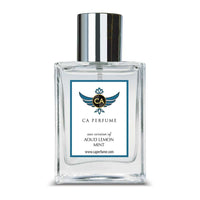
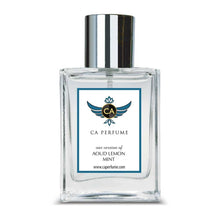
Aoud Lemon Mint — Mancera Aoud Lemon Mint Alternative Perfume
7.09
MEI™
Primary Fresh
Secondary Romantic
Confidence
6.56
Presence
6.93
Mood Lift
7.89
Identity
6.87
Warmth
7.62
Social Ease
7.07
Energy
4.4
" I am radiant.
View full mood profile →
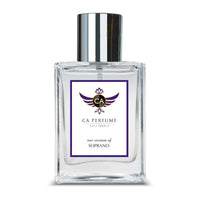
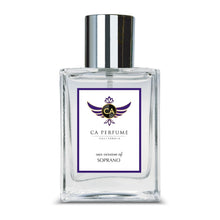
Soprano Perfume Spray — Soprano Alternative Perfume
7.03
MEI™
Primary Romantic
Secondary Confident
Confidence
7.36
Presence
8.04
Mood Lift
7.03
Identity
8.11
Warmth
7.54
Social Ease
6.05
Energy
2.5
" I am beautiful.
View full mood profile →
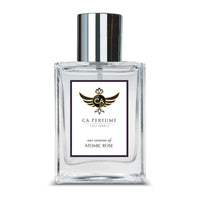
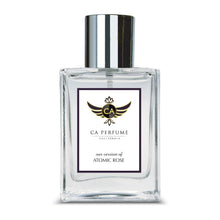
Atomic Rose — Initio Parfums Prives Atomic Rose Alternative Perfume
7.01
MEI™
Primary Romantic
Secondary Confident
Confidence
6.31
Presence
6.53
Mood Lift
7.93
Identity
6.68
Warmth
7.7
Social Ease
7.39
Energy
2.9
" I am beautiful.
View full mood profile →
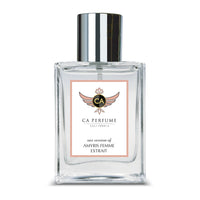
Amyris Femme Extrait — Amyris Extrait Alternative Perfume
7.01
MEI™
Primary Fresh
Secondary Romantic
Confidence
6.31
Presence
6.74
Mood Lift
8.36
Identity
6.29
Warmth
6.25
Social Ease
7.73
Energy
4.4
" I am radiant.
View full mood profile →
HumanSafe™

Top Egyptian Jasmine Fragrances by HumanSafe™ Score

These Egyptian Jasmine-based fragrances have the highest product-level HumanSafe™ scores in this ingredient collection.

Highest HumanSafe™ Score
Soprano Perfume Spray — Soprano Alternative Perfume
A-
HumanSafe™ Score Generally Safe
Safest Evaluated Ingredients EDP
AQUA Solvent / Carrier ISS 10.0
BENZYL SALICYLATE Evaluated ingredient ISS 9.0
3-CYCLOPENTENE-1-ACETALDEHYDE, 2,2,3-TRIMETHYL-, Evaluated ingredient ISS 9.0
CITRONELLOL Evaluated ingredient ISS 7.0
View full safety profile →
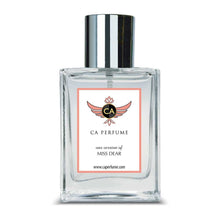
Miss Dear — Miss Dior Alternative Perfume
A-
HumanSafe™ Score Generally Safe
Safest Evaluated Ingredients EDP
AQUA Solvent / Carrier ISS 10.0
ACETIC ACID, PHENYLMETHYL ESTER Evaluated ingredient ISS 10.0
1H-3A,7-METHANOAZULEN-6-OL, OCTAHYDRO-3,6,8,8- Evaluated ingredient ISS 9.0
10-UNDECENAL Evaluated ingredient ISS 9.0
3-BUTEN-2-ONE, 3-METHYL-4-(2,6,6-TRIMETHYL-2- Evaluated ingredient ISS 8.0
2H-1-BENZOPYRAN-2-ONE Evaluated ingredient ISS 8.0
View full safety profile →
Atomic Rose — Initio Parfums Prives Atomic Rose Alternative Perfume
A-
HumanSafe™ Score Generally Safe
Safest Evaluated Ingredients EDP
AQUA Solvent / Carrier ISS 10.0
1,4-DIOXACYCLOHEPTADECANE-5,17-DIONE Evaluated ingredient ISS 10.0
4H-INDEN-4-ONE, 1,2,3,5,6,7-HEXAHYDRO-1,1,2,3,3- Evaluated ingredient ISS 9.0
REACTION MASS OF: (E)-OXACYCLOHEXADEC-12-EN-2-ONE, (E)- Evaluated ingredient ISS 7.0
LINALYL ACETATE Evaluated ingredient ISS 7.0
CITRONELLOL Evaluated ingredient ISS 7.0
View full safety profile →
Aoud Lemon Mint — Mancera Aoud Lemon Mint Alternative Perfume
A-
HumanSafe™ Score Generally Safe
Safest Evaluated Ingredients EDP
AQUA Solvent / Carrier ISS 10.0
AMBROXID Evaluated ingredient ISS 10.0
1,4-DIOXACYCLOHEPTADECANE-5,17-DIONE Evaluated ingredient ISS 10.0
7-OCTEN-2-OL, 2,6-DIMETHYL- Evaluated ingredient ISS 9.0
2H-1-BENZOPYRAN-2-ONE Evaluated ingredient ISS 8.0
LINALOOL Evaluated ingredient ISS 7.0
View full safety profile →
Expert Voices

What Masters Say About Egyptian Jasmine

Egyptian absolute is more indolic: it is warmer, richer, and more potent, also more creamy. Grandiflorum absolute from the southernmost regions of Egypt contains less benzyl acetate, making it seem less fruity.
Fragrantica Editorial
Egyptian Jasmine’s scent profile is intensely floral, sweet, tenacious, with a somewhat musky and tea/honey undertone; it is slightly lighter than Jasmine Absolute from India, yet still very concentrated.
CA Perfume Editorial
Common Questions

Frequently Asked Questions

Answers to common questions about Egyptian Jasmine’s scent, use, and performance in perfumery.

Egyptian Jasmine in perfume is characterized by a creamy, honeyed, and opulent floral scent, with subtle animalic and musky undertones due to indole and methyl jasmonate. The opening is fresh and dewy, evolving into a rich, velvety heart and a lingering, slightly musky base. This complexity makes it a prized heart note in both classic and modern fragrances, such as Serge Lutens A La Nuit and Maison Francis Kurkdjian Baccarat Rouge 540 Extrait.

Egyptian Jasmine is typically used as a heart (middle) note in perfumery. Its molecular weight and volatility allow it to bridge the transition from bright top notes to deeper base notes, providing both diffusion and persistence. In some compositions, it can also appear in the top or base, but its primary function is as a heart note.

Niche perfumers value Egyptian Jasmine for its complexity, depth, and ability to evolve on skin. Its creamy, indolic, and honeyed facets provide a multidimensional floral signature that is difficult to replicate synthetically. The high cost and labor-intensive extraction also lend exclusivity, making it a hallmark of luxury and artisanal fragrances.

Egyptian Jasmine fragrance uses include pairing with vanilla, white honey, agarwood (oud), patchouli, and rose. These notes share molecular bridges (lactones, phenylacetic acid, sesquiterpenes) or provide contrast, enhancing jasmine’s creamy, honeyed, or woody facets. Citrus and green notes can lighten and brighten the floralcy.

Yes, Egyptian Jasmine can be worn in summer, especially in lighter compositions. Heat increases volatility, amplifying its projection and revealing brighter, fruitier facets. Pairing with citrus or aquatic notes creates a refreshing, radiant signature ideal for warm weather.

A well-constructed Egyptian Jasmine fragrance lasts 5–8 hours on skin. The creamy, musky base notes, anchored by indole and methyl jasmonate, persist longest, while the fresher top notes dissipate within the first hour.

Yes, Egyptian Jasmine is highly versatile for layering. It harmonizes with vanilla, honey, oud, patchouli, and citrus notes, allowing for personalized scent signatures. Layering enhances or contrasts its floralcy, as seen in Tom Ford Jasmin Rouge and Maison Francis Kurkdjian Baccarat Rouge 540 Extrait.

For beginners, Aerin Ikat Jasmine and Diptyque Olene offer approachable, luminous interpretations of Egyptian Jasmine. These fragrances highlight the creamy, honeyed floralcy without overwhelming indolic or animalic notes, making them suitable entry points.

Consider your preferred scent profile—whether you enjoy creamy, honeyed florals or lighter, green interpretations. CA Perfume’s HumanSafe™ platform provides transparency on natural versus synthetic content, allowing you to select based on authenticity, sustainability, and personal preference.

Egyptian Jasmine is used in both feminine and unisex fragrances. Its creamy, honeyed floralcy is versatile, pairing well with woody, spicy, or gourmand notes to create compositions suitable for all genders. Its role in niche and designer fragrances demonstrates its broad appeal.

White Floral Collection

Explore Our Top Egyptian Jasmine Fragrances

Discover CA Perfume’s curated selection of Egyptian Jasmine fragrances, each highlighting the ingredient’s creamy, honeyed, and opulent signature.

Shop all egyptian jasmine fragrances at CA Perfume →

Where Egyptian Jasmine Comes From — Origin & Extraction

Egyptian Jasmine is derived from Jasminum grandiflorum L., a species native to the Indian subcontinent but now extensively cultivated in Egypt, particularly in the Nile Delta and Gharbia regions. Egypt is one of the world’s leading producers of jasmine absolute, accounting for approximately 70–80% of global supply, with annual production estimated at 5–6 metric tons of absolute. The flowers are hand-picked at dawn to preserve their volatile aroma compounds, with roughly 8 million blossoms (about 1,000 kg) required to yield 2.3 kg of concrete, which is then processed to obtain 1 kg of absolute. Extraction is performed via solvent extraction, typically using hexane to produce jasmine concrete, followed by ethanol washing to yield the absolute. The process is conducted at low temperatures to prevent degradation of thermolabile compounds such as methyl jasmonate and indole. The yield from fresh flowers to absolute is extremely low (0.1–0.15%), contributing to its high cost—natural Egyptian jasmine absolute commands prices of $10,000–$15,000 per kg. In contrast, synthetic jasmine aroma chemicals such as hedione (CAS 24851-98-7), benzyl acetate (CAS 140-11-4), and methyl jasmonate (CAS 399-00-8) are available at $50–$300 per kg. Sustainability is a growing concern, as jasmine cultivation is labor-intensive and sensitive to climate change. Ethical sourcing initiatives in Egypt focus on fair wages, reduced pesticide use, and water conservation. Synthetic alternatives are increasingly used in commercial perfumery to reduce pressure on natural resources and ensure supply chain stability.

Famous Fragrances That Define Egyptian Jasmine in Perfumery

Egyptian Jasmine has shaped the character of numerous landmark fragrances, serving as a heart note, bridge, or dominant floral signature. In Serge Lutens A La Nuit (2000, Christopher Sheldrake), Egyptian Jasmine is blended with Moroccan and Indian jasmine to evoke the lush, nocturnal bloom of the flower, supported by honey and musk. Aerin Ikat Jasmine (2013, Firmenich) features Egyptian Jasmine as a dominant note, paired with sambac and tuberose for a creamy, radiant bouquet. Maison Francis Kurkdjian Baccarat Rouge 540 Extrait de Parfum (2017, Francis Kurkdjian) uses Egyptian Jasmine to add floral depth to its saffron and ambergris structure. Tom Ford Jasmin Rouge (2011, Rodrigo Flores-Roux) highlights Egyptian Jasmine in a spicy, opulent composition with clary sage and ylang-ylang. Diptyque Olene (1988, Serge Kalouguine) is a classic white floral where Egyptian Jasmine is paired with honeysuckle and narcissus, creating a luminous, garden-like effect. These fragrances demonstrate the versatility of Egyptian Jasmine in both modern and classic perfumery, and CA Perfume’s collection draws inspiration from this lineage, offering both traditional and contemporary interpretations.

Natural vs Synthetic Egyptian Jasmine in Perfumery

Natural Egyptian Jasmine absolute contains over 100 volatile compounds, with indole, benzyl acetate, methyl jasmonate, and cis-jasmone as key contributors to its complex, evolving scent. Synthetic jasmine accords rely on molecules such as hedione (CAS 24851-98-7), which imparts a transparent, jasmine-tea-like freshness; methyl jasmonate (CAS 399-00-8), which enhances radiance; and benzyl acetate (CAS 140-11-4), which provides a sweet, fruity-floral note. Synthetic versions offer greater stability, batch-to-batch consistency, and reduced allergenic potential, but lack the nuanced evolution and depth of natural absolute. Natural jasmine is prized for its complexity and three-dimensionality, but it is expensive and subject to supply fluctuations. Synthetic jasmine accords are used in most mainstream fragrances for cost and sustainability reasons. For example, Dior Eau Sauvage (1966, Edmond Roudnitska) was the first to use hedione as a major component, revolutionizing jasmine’s role in modern perfumery. In contrast, niche and luxury fragrances such as Serge Lutens A La Nuit and Aerin Ikat Jasmine use higher proportions of natural absolute for authenticity. From a sustainability perspective, synthetic jasmine reduces the environmental impact of large-scale flower harvesting and supports the conservation of agricultural land. The HumanSafe™ platform at CA Perfume transparently discloses the proportion of natural versus synthetic jasmine in each formula, ensuring both safety and ethical sourcing.