Ingredient Guide · Floral
Floral Family · Perfumery Note

Dyer's Greenweed

Explore the refreshing charm of Dyer's Greenweed.

Dyer's Greenweed is a heart note known for its fresh and herbaceous aroma, ideal for spring and summer fragrances. Its key components include floral and green notes that uplift and invigorate.

Dyer's Greenweed
Ingredient Profile

Dyer's Greenweed

Floral Family
Family Floral
Note Position Heart Note
Usage Level <5%
Key Origins United Kingdom, France, Italy
Iconic In Champaca Absolute, The Library Collection Opus III
The Ingredient

What does Dyer's Greenweed smell like and why is it so prized?

Dyer's Greenweed, scientifically known as *Genista tinctoria*, is a flowering plant celebrated for its fresh, herbaceous scent profile. This note is characterized by its unique combination of floral and green elements, creating a refreshing aroma that embodies nature's vibrancy. The primary compounds contributing to its scent include isoflavones and flavonoids, which lend a subtle sweetness and a cool, bracken-like quality. In perfumery, Dyer's Greenweed is classified as a heart note, typically used at concentrations below 5%. It interacts well with skin chemistry, often enhancing the overall fragrance experience by providing a lively character. Notable fragrances that exemplify its use include Tom Ford's *Champaca Absolute* (2009) and Amouage's *The Library Collection Opus III* (2010). Dyer's Greenweed in perfumery is particularly valued for its ability to uplift and invigorate, making it a popular choice for spring and summer compositions.

2–3 Sprays
This amount is ideal to achieve a lively yet not overpowering fragrance experience, ensuring its natural essence shines through.
4–6 Hours
Typically, fragrances featuring Dyer's Greenweed last several hours, providing a refreshing presence throughout the day.
<5%
Only a small concentration of Dyer's Greenweed is needed to impart its signature bright and floral qualities.
Origin & Extraction

Where Dyer's Greenweed Comes From — Origin & Extraction

Dyer's Greenweed thrives in regions with temperate climates, particularly in Europe and western Asia. The unique soil and climate conditions contribute to its aromatic profile, enhancing its fresh and herbaceous qualities.

Dyer's Greenweed, or *Genista tinctoria*, is primarily found in Europe and western Asia, thriving in dry uplands. Historically, it was cultivated for its vibrant yellow dye, produced from the flowers and young shoots when combined with alum. The plant also yields a green dye when combined with woad. The flowers emit a subtle, broom-like fragrance, characterized by a faint sweetness and a green-herbaceous quality. The extraction of Dyer's Greenweed typically involves solvent extraction or CO₂ extraction methods, yielding a complex mixture of aromatic compounds. The cost of natural Dyer's Greenweed extract ranges from $3,000 to $6,000 per kilogram, while synthetic alternatives, such as safranal, can be produced at a significantly lower cost of $50 to $200 per kilogram. Sustainability considerations are important, as the harvesting of natural ingredients can impact local ecosystems.

GB

United Kingdom

In the UK, Dyer's Greenweed flourishes in meadows, contributing to the rich biodiversity and showcasing classic aromas associated with native flora.

FR

France

France's diverse climates support the growth of Dyer's Greenweed, blending harmoniously with other local botanicals to create unique scent profiles.

IT

Italy

In Italy, Dyer's Greenweed adds a lively and refreshing element to the local flora, celebrated for its beauty and contribution to fragrant compositions.

Chemistry

Natural vs Synthetic Dyer's Greenweed in Perfumery

Natural Dyer's Greenweed extract is prized for its complex, variable character, derived from the plant's unique growing conditions and extraction methods. It contains key compounds like genistein (C₁₅H₁₀O₅) and luteolin, contributing to its herbaceous and floral profile. However, the cost of natural extracts can be prohibitive, ranging from $3,000 to $6,000 per kilogram. In contrast, synthetic alternatives, such as safranal and its analogs, offer a more consistent and stable scent profile at a fraction of the cost ($50 to $200 per kilogram). While synthetic versions can mimic the fresh and herbaceous notes of Dyer's Greenweed, they lack the nuanced complexity of the natural extract. The choice between natural and synthetic often depends on the desired fragrance profile, sustainability considerations, and budget constraints.

Natural
Dyer's Greenweed Absolute
Cost $3,000–6,000/kg
Method Solvent / CO₂
Character Complex, variable
vs
Synthetic
Safranal & Analogues
Cost $50–200/kg
Method Lab synthesis
Character Consistent, stable
Hall of Fame

Famous Fragrances That Define Dyer's Greenweed in Perfumery

2009
top note

Champaca Absolute

Tom Ford
by Rodrigo Flores-Roux
CognacBergamotChampaca
2010
significant role

The Library Collection Opus III

Amouage
Floral notesWoody notes
2004
herbal touch

Trouble

Boucheron
Floral notes
2016
fresh and vibrant

Ael-Mat

Lostmarch
Floral notes
2010
enhances complexity

La Collection Couturier Parfumeur Granville

Dior
Floral notes

Dyer's Greenweed is featured in several notable fragrances that showcase its unique character. Here are some key examples: 1. **Champaca Absolute** by Tom Ford (2009) - This fragrance features Dyer's Greenweed as a top note, blending it with cognac and bergamot, creating a warm, floral experience. 2. **The Library Collection Opus III** by Amouage (2010) - Dyer's Greenweed plays a significant role in this composition, enhancing its floral and woody aspects. 3. **Trouble** by Boucheron (2004) - In this fragrance, Dyer's Greenweed adds a unique herbal touch, complementing the floral notes. 4. **Ael-Mat** by Lostmarch (2016) - This fragrance utilizes Dyer's Greenweed to create a fresh and vibrant scent profile. 5. **La Collection Couturier Parfumeur Granville** by Dior (2010) - Dyer's Greenweed contributes to the overall floral character of this fragrance, enhancing its complexity.

The Accord

How is a captivating Dyer's Greenweed accord crafted?

The Dyer's Greenweed accord is crafted by blending fresh, herbaceous qualities with complementary floral notes to create a lively, uplifting scent profile. This fragrant symphony is elevated by the addition of other botanical ingredients that balance and enhance its unique character.

20%

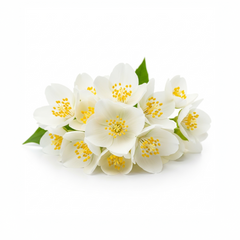
Jasmine

20% of blend

Jasmine complements the fresh notes of Dyer's Greenweed, introducing an intoxicating floral depth.

15-20%

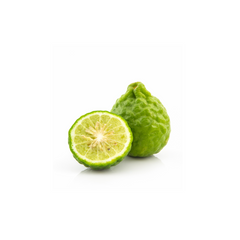
Bergamot

15-20% of blend

Bergamot adds a zesty brightness that enhances the overall freshness of the accord.

15-20%

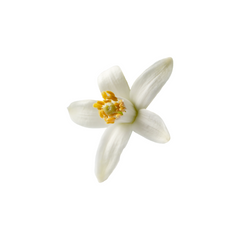
Neroli

15-20% of blend

Neroli's sweet, floral notes create a harmonious balance with Dyer's Greenweed.

20-25%

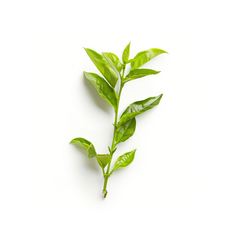
Green Tea

20-25% of blend

Green tea adds a refreshing, slightly bitter note that complements the herbaceous qualities.

The Olfactory Layers

How Dyer's Greenweed Evolves on Skin

The olfactory evolution of Dyer's Greenweed unfolds over time, revealing its complex character through distinct stages.

I
Top notes
0–15 min
Fresh and Invigorating

Initially, Dyer's Greenweed presents a bright, herbaceous aroma, characterized by high-volatility compounds that evaporate quickly, creating an invigorating first impression.

FreshHerbaceousInvigorating
II
Heart notes
20–60 min
Floral Complexity

As the top notes fade, the heart reveals a floral complexity, with the green and floral notes harmonizing to create a lush, vibrant character.

FloralLivelyComplex
III
Base notes
Several hours
Lingering Freshness

In the base, Dyer's Greenweed leaves a subtle, lingering freshness, supported by soft, woody undertones that ground the fragrance.

SoftWoodyLingering
TOP NOTES Fresh and Invigorating 0–15 minutes HEART NOTES Floral Complexity 20–60 minutes BASE NOTES Lingering Freshness Several hours
Through the Ages

The Story of Dyer's Greenweed in Perfumery

Dyer's Greenweed has a rich history in both dyeing and perfumery, reflecting its cultural significance.

Antiquity

Historical Use

Dyer's Greenweed was historically used for dyeing textiles, producing vibrant yellow hues favored in ancient cultures.

Middle Ages

Textile Trade

The plant became a staple in the textile industry, particularly in Europe, where its dyeing properties were highly sought after.

19th Century

Introduction to Perfumery

Dyer's Greenweed began to be recognized for its aromatic qualities, finding a place in early perfumery.

2009

Tom Ford's *Champaca Absolute*

This fragrance marked a significant moment for Dyer's Greenweed in modern perfumery, showcasing its unique character.

2010

Amouage's *The Library Collection Opus III*

Further established Dyer's Greenweed as a notable ingredient in contemporary fragrance compositions.

The Art of Layering

How to Layer Dyer's Greenweed

Layering Dyer's Greenweed can enhance its fresh and herbaceous qualities, creating a unique fragrance experience.

01

Enhance Freshness

Pair with citrus notes like bergamot or lemon to amplify the refreshing qualities of Dyer's Greenweed. This combination creates a vibrant, uplifting scent perfect for summer.

02

Add Floral Depth

Layer with soft florals such as jasmine or neroli to create a harmonious blend that highlights the floral aspects of Dyer's Greenweed while maintaining its fresh character.

03

Create a Green Accord

Combine with green notes like green tea or crushed leaves for an earthy, natural scent that evokes the essence of a lush garden.

Wear It Right

How to Wear Dyer's Greenweed Like a Pro

Seasonal Guide

Fall & Winter

Dyer's Greenweed may feel too light for colder months, where heavier scents dominate.

Spring

Perfect for spring, Dyer's Greenweed enhances floral compositions and evokes the freshness of blooming gardens.

Summer

Ideal for summer fragrances, its refreshing notes uplift and invigorate during warm weather.

Year-Round Tip

Dyer's Greenweed can be layered with heavier scents to add a refreshing twist, making it versatile throughout the year.

Application Points

Strategic application of Dyer's Greenweed enhances its aromatic experience.

1

Neck

Applying to the neck allows body heat to enhance the fragrance's projection, making it more vibrant.

2

Behind the Ears

This pulse point helps to diffuse the scent subtly throughout the day, creating an intimate experience.

3

Inner Wrists

A great area for application, as the fragrance can be easily layered or reapplied as needed.

4

Hair

Spraying on hair provides a long-lasting scent trail, as hair retains fragrance well.

★

Pro Tip

Layer Dyer's Greenweed with complementary notes for a personalized scent experience.

Mood Architecture™

Top Dyer's Greenweed Fragrances by Mood Score

These Dyer's Greenweed-based fragrances scored highest on the MEI™ Mood Architecture Framework — measuring how a scent may influence your emotional state.

Highest MEI Score
Champaca Absolute — Tom Ford Champaca Absolute Alternative Perfume
7.4
MEI™
Primary Romantic
Secondary Confident
Confidence
6.79
Presence
7.0
Mood Lift
7.82
Identity
6.75
Warmth
9.5
Social Ease
7.21
Energy
2.95
" I am beautiful.
View full mood profile →
HumanSafe™

Top Dyer's Greenweed Fragrances by HumanSafe™ Score

These Dyer's Greenweed-based fragrances have the highest product-level HumanSafe™ scores in this ingredient collection.

Highest HumanSafe™ Score
Champaca Absolute — Tom Ford Champaca Absolute Alternative Perfume
A-
HumanSafe™ Score Generally Safe
Safest Evaluated Ingredients EDP
AQUA Solvent / Carrier ISS 10.0
BENZENEPROPANAL, 4-METHOXY-.ALPHA.-METHYL- Evaluated ingredient ISS 9.0
3-HEXEN-1-OL, BENZOATE, (Z)- Evaluated ingredient ISS 9.0
LINALOOL Evaluated ingredient ISS 7.0
CITRONELLOL Evaluated ingredient ISS 7.0
ALCOHOL DENAT. Solvent / Carrier ISS 7.0
View full safety profile →
Expert Voices

What Masters Say About Dyer's Greenweed

“
Dyer's Greenweed adds an unusual, countryside herbal dimension to compositions.
CA Perfume Editorial
“
This note evokes a wild, undomesticated feel; it smells of open fields and pollen-dusted air.
CA Perfume Editorial
Common Questions

Frequently Asked Questions

Common questions about Dyer's Greenweed in perfumery.

Dyer's Greenweed in perfume offers a fresh and herbaceous scent profile that vibrantly uplifts. Its unique combination of floral and green notes creates a refreshing aroma, making it perfect for spring and summer fragrances.

Dyer's Greenweed is classified as a heart note in fragrance compositions, typically appearing in the middle stages of the scent evolution.

Dyer's Greenweed is prized for its unique, fresh, and herbaceous qualities, making it a sought-after ingredient for creating vibrant and uplifting fragrances, especially in niche perfumery.

Dyer's Greenweed blends harmoniously with notes such as jasmine, bergamot, and neroli, enhancing its lively profile and contributing to a well-rounded fragrance experience.

Yes, Dyer's Greenweed is particularly suited for summer fragrances due to its refreshing and uplifting notes, making it ideal for warm weather.

Fragrances featuring Dyer's Greenweed typically last around 4-6 hours, providing a refreshing presence throughout the day.

Yes, Dyer's Greenweed can be layered with other fragrances, particularly softer florals or citrus notes, to enhance its vibrant qualities.

For beginners, it's recommended to start with lighter fragrances that showcase Dyer's Greenweed's fresh and herbaceous qualities, allowing for a pleasant introduction to this unique note.

At CA Perfume, explore options that beautifully incorporate Dyer's Greenweed, focusing on vibrant compositions that bring out its uplifting essence.

Dyer's Greenweed has a fresh and herbaceous scent profile with subtle floral undertones, rather than being distinctly sweet or spicy.

Floral Collection

Explore Our Top Dyer's Greenweed Fragrances

Discover the best fragrances featuring Dyer's Greenweed, showcasing its unique aromatic qualities.

Shop all Dyer's Greenweed fragrances at CA Perfume →

Where Dyer's Greenweed Comes From — Origin & Extraction

Dyer's Greenweed, or *Genista tinctoria*, is primarily found in Europe and western Asia, thriving in dry uplands. Historically, it was cultivated for its vibrant yellow dye, produced from the flowers and young shoots when combined with alum. The plant also yields a green dye when combined with woad. The flowers emit a subtle, broom-like fragrance, characterized by a faint sweetness and a green-herbaceous quality. The extraction of Dyer's Greenweed typically involves solvent extraction or CO₂ extraction methods, yielding a complex mixture of aromatic compounds. The cost of natural Dyer's Greenweed extract ranges from $3,000 to $6,000 per kilogram, while synthetic alternatives, such as safranal, can be produced at a significantly lower cost of $50 to $200 per kilogram. Sustainability considerations are important, as the harvesting of natural ingredients can impact local ecosystems.

Famous Fragrances That Define Dyer's Greenweed in Perfumery

Dyer's Greenweed is featured in several notable fragrances that showcase its unique character. Here are some key examples: 1. **Champaca Absolute** by Tom Ford (2009) - This fragrance features Dyer's Greenweed as a top note, blending it with cognac and bergamot, creating a warm, floral experience. 2. **The Library Collection Opus III** by Amouage (2010) - Dyer's Greenweed plays a significant role in this composition, enhancing its floral and woody aspects. 3. **Trouble** by Boucheron (2004) - In this fragrance, Dyer's Greenweed adds a unique herbal touch, complementing the floral notes. 4. **Ael-Mat** by Lostmarch (2016) - This fragrance utilizes Dyer's Greenweed to create a fresh and vibrant scent profile. 5. **La Collection Couturier Parfumeur Granville** by Dior (2010) - Dyer's Greenweed contributes to the overall floral character of this fragrance, enhancing its complexity.

Natural vs Synthetic Dyer's Greenweed in Perfumery

Natural Dyer's Greenweed extract is prized for its complex, variable character, derived from the plant's unique growing conditions and extraction methods. It contains key compounds like genistein (C₁₅H₁₀O₅) and luteolin, contributing to its herbaceous and floral profile. However, the cost of natural extracts can be prohibitive, ranging from $3,000 to $6,000 per kilogram. In contrast, synthetic alternatives, such as safranal and its analogs, offer a more consistent and stable scent profile at a fraction of the cost ($50 to $200 per kilogram). While synthetic versions can mimic the fresh and herbaceous notes of Dyer's Greenweed, they lack the nuanced complexity of the natural extract. The choice between natural and synthetic often depends on the desired fragrance profile, sustainability considerations, and budget constraints.