Where Driftwood Comes From — Origin & Extraction
Driftwood as a perfumery note is inspired by naturally weathered wood found along coastal regions, but in practice, it is a constructed accord rather than an extract from actual driftwood. The raw material for the driftwood note is typically a blend of synthetic aroma chemicals and, in some cases, essential oils from woods such as cedar (Juniperus virginiana) or amyris (Amyris balsamifera). These woods are sourced from regions like the southeastern United States, Haiti, and Australia. Amyris oil, for example, is steam-distilled at temperatures of 100–120°C, yielding a light, dry woody aroma that forms part of the driftwood effect.
The primary producing countries for the woody components are the United States (notably for cedarwood, with an annual production of over 2,000 metric tons), Haiti (amyris), and Australia (buddha wood, Eremophila mitchellii). However, the true driftwood scent is achieved through the use of synthetic molecules such as calone, iso e super, and ambroxan, which are manufactured at industrial scale by fragrance houses in Europe and North America. Calone, discovered by Pfizer chemists in 1966, is produced via organic synthesis and is a key contributor to the marine aspect of driftwood accords.
Natural driftwood cannot be directly extracted for perfumery due to its low oil content and inconsistent composition. Instead, perfumers replicate its scent using a combination of natural and synthetic materials. The cost of natural woody oils used in driftwood accords ranges from $40–$120/kg for cedarwood and amyris, while synthetic molecules like calone and iso e super are priced at $20–$80/kg, making the synthetic driftwood note significantly more economical and sustainable. Sustainability is further enhanced by the use of renewable feedstocks for synthetic production and by avoiding the harvesting of living coastal woodlands. The HumanSafe™ platform ensures transparency in sourcing and safety for all driftwood-related ingredients.
Famous Fragrances That Define Driftwood in Perfumery
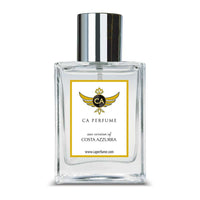
Driftwood has become a defining note in modern perfumery, especially in compositions that evoke coastal landscapes and marine freshness. One of the earliest and most influential uses is Tom Ford Costa Azzurra (2014, perfumer Yann Vasnier), where driftwood forms the core of a Mediterranean accord, blending with seaweed, lemon, and oakmoss to create a sunlit, salty impression. Guerlain Aqua Allegoria Forte Bosca Vanilla (2023) pairs driftwood with vanilla and sea salt, demonstrating how the note can bridge gourmand and marine elements.
Marc Jacobs Daisy Love (2018, perfumer Alberto Morillas) uses driftwood as a soft, grounding base, supporting sweet cloudberry and musky notes for a youthful, beach-inspired scent. Mugler Alien Hypersense (2024) incorporates driftwood to add a dry, woody counterpoint to the fragrance’s floral and amber heart. Rasasi Hawas for Him (2015) and Rasasi Hawas Ice (2023) both utilize driftwood to anchor fresh aquatic and citrus top notes, creating a long-lasting, masculine signature.
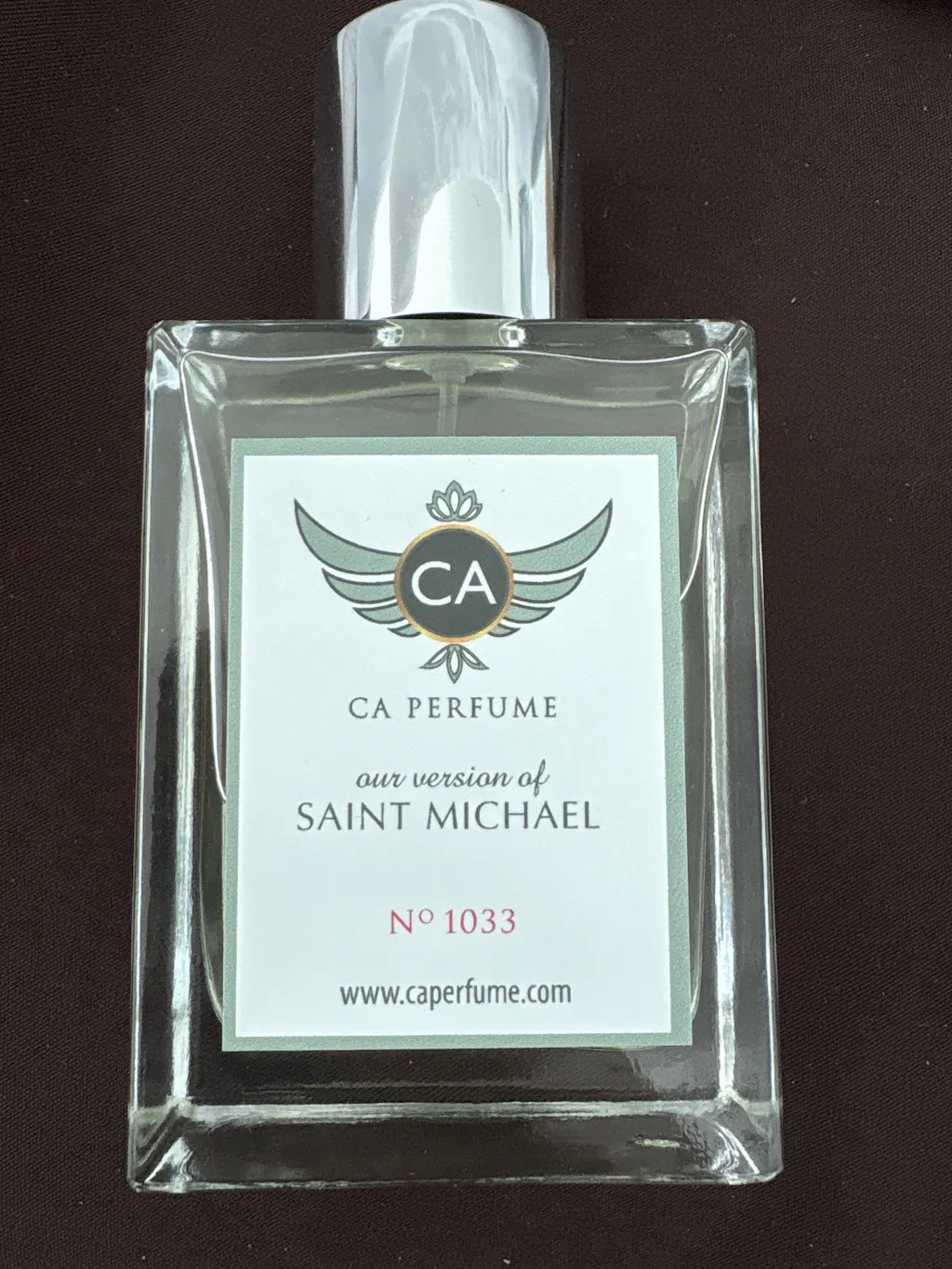
Other notable examples include Ellis Brooklyn Miami Nectar (2022), which combines driftwood with tropical florals, and Clive Christian Crab Apple Blossom (2021), where driftwood adds a subtle, salty undertone. CA Perfume’s driftwood collection draws inspiration from these landmark fragrances, offering interpretations that highlight both the airy and woody facets of this versatile note.
Natural vs Synthetic Driftwood in Perfumery
The driftwood note in perfumery is almost exclusively constructed from synthetic aroma chemicals, as true driftwood cannot be extracted for olfactory use. Key synthetic molecules include calone (CAS 28940-11-6), which imparts a marine, ozonic freshness; iso e super (CAS 54464-57-2), providing a soft, cedar-like woodiness; and ambroxan (CAS 6790-58-5), which adds a mineral, musky depth. These compounds are favored for their stability, consistency, and ability to evoke the nuanced scent of sun-bleached, salty wood.
Performance-wise, synthetic driftwood accords offer superior longevity (6–10 hours) and diffusion compared to natural woody oils, which tend to be less persistent and more variable due to batch differences. The cost differential is significant: synthetic driftwood molecules are produced at $20–$80/kg, while natural woody oils used as supporting notes (e.g., cedarwood, amyris) range from $40–$120/kg. Most modern fragrances, including Tom Ford Costa Azzurra and Mugler Alien Hypersense, use synthetic driftwood accords for both performance and sustainability.
From a sustainability perspective, synthetics reduce pressure on natural wood resources and enable full traceability via the HumanSafe™ platform. CA Perfume prioritizes HumanSafe™ verified molecules, ensuring both environmental responsibility and consumer safety. The use of synthetic driftwood also avoids IFRA restrictions associated with natural mosses and certain wood extracts, making it a preferred choice for contemporary perfumery.