Ingredient Guide · Amber Gourmand
Amber Gourmand Family · Perfumery Note

Dried Fruits

A nuanced journey through syrupy, sun-warmed fruit accords.

Dried Fruits is a constructed note in perfumery, evoking the rich, sticky, and syrupy aroma of preserved fruits. Its character is defined by lactones, damascones, and sweet aldehydes, typically used at 1–5% of a composition to impart complexity and warmth.

Dried Fruits
Ingredient Profile

Dried Fruits

Amber Gourmand Family
Family Amber Gourmand
Note Position Heart Note
Usage Level 1–5% in formula
Key Origins Turkey, Iran, United States
Iconic In Talisman, Arabie
The Ingredient

What does Dried Fruits smell like and why is it significant in perfumery?

Dried Fruits in perfumery is not a direct extract from preserved fruit, but a carefully constructed accord designed to replicate the scent of sun-dried or dehydrated fruits such as apricots, figs, raisins, and dates. The dried fruits scent profile is defined by sweet, syrupy, and slightly boozy facets, with undertones of molasses, honey, and wine. This olfactory character is achieved through the use of synthetic molecules such as gamma-undecalactone (C14 aldehyde, CAS 104-67-6), beta-damascone (CAS 23726-93-4), and ethyl maltol (CAS 4940-11-8), as well as natural isolates like davana oil and osmanthus absolute. These compounds impart notes reminiscent of candied apricot, prune, and raisin, with a subtle tang and a plush, sticky sweetness that lingers on the skin. In perfumery, dried fruits is typically classified as a heart note, though it can appear in both the top and base depending on the composition. Its concentration in a formula ranges from 1–5%, sufficient to impart a distinct character without overwhelming the blend. Dried fruits interacts with skin chemistry by amplifying sweetness and warmth, especially on skin with higher moisture or slightly acidic pH, which can accentuate lactonic and caramelic facets. The note is prized for its ability to bridge gourmand, amber, and woody families, lending plushness and longevity to a fragrance. Notable examples of dried fruits in perfumery include Tom Ford Tobacco Vanille (2007, Olivier Gillotin), where dried fruits provide a sticky, raisin-like counterpoint to tobacco and vanilla, and Serge Lutens Arabie (2000, Christopher Sheldrake), which features a dense, spiced dried fruit accord layered with resins and woods. These fragrances showcase how dried fruits in perfumery can define the emotional and sensory core of a scent, offering both comfort and complexity.

1–5% in formula
Dried fruits accords are typically used at 1–5% of a fragrance formula, sufficient to impart a distinct character without overwhelming the composition.
5–8 hours longevity
Fragrances with prominent dried fruits notes generally last 5–8 hours on skin, depending on concentration and supporting materials.
<2% IFRA limit
Key molecules such as gamma-undecalactone and ethyl maltol have recommended usage limits of less than 2% in finished products to minimize sensitization risk.
Origin & Extraction

Where Dried Fruits Comes From — Origin & Extraction

The dried fruits note is inspired by sun-dried fruits from regions with hot, dry summers and mineral-rich soils, which intensify natural sugars and aromatic compounds. These environmental factors inform the molecular construction of the perfumery accord.

The dried fruits note in perfumery is a synthetic or semi-synthetic construct, as natural dried fruits yield negligible essential oil or aromatic extract after dehydration. The botanical sources inspiring this accord include Prunus armeniaca (apricot), Ficus carica (fig), Vitis vinifera (raisin/grape), and Phoenix dactylifera (date), but the actual olfactory material is produced in laboratories. The primary producing countries for the fruits themselves are Turkey (apricots, figs), Iran (dates), and the United States (raisins), with Turkey exporting over 400,000 metric tons of dried apricots annually. However, the perfumery note is created through synthesis, not direct extraction. Extraction attempts from dried fruits using solvent extraction (hexane or ethanol) yield low-aroma, low-yield concretes, so perfumers rely on aroma molecules such as gamma-undecalactone (C14 aldehyde), beta-damascone, and ethyl maltol to reconstruct the dried fruit effect. These molecules are produced via chemical synthesis, often from petrochemical feedstocks or biotechnological fermentation. The Prunol De Laire base, developed in the early 20th century, is a classic example, blending lactones and damascones to evoke candied plum and apricot. The cost of these synthetic aroma chemicals ranges from $40–$300 per kg, compared to the impractical cost of attempting to extract from actual dried fruit (which can exceed $10,000/kg for trace absolutes). Sustainability considerations favor synthetics: the production of dried fruit aroma molecules has a lower environmental impact than large-scale agricultural extraction, and avoids the food chain disruption associated with using edible crops for fragrance. Most major aroma chemical manufacturers (Givaudan, Firmenich, IFF) produce these molecules in Europe, North America, and China. There are no IFRA restrictions specific to dried fruits accords, but individual molecules such as gamma-undecalactone have recommended usage limits for skin safety.

TR

Turkey

Malatya region is renowned for its dried apricots, grown in volcanic soils at 900–1,200 meters altitude. The high diurnal temperature variation concentrates sugars and aroma precursors, producing apricots with a honeyed, floral scent. Turkey supplies over 70% of global dried apricot exports.

IR

Iran

Kerman province produces premium dates and figs, sun-dried using traditional open-air methods. The arid climate and saline soils yield dates with a syrupy, caramelized aroma. Iran is the world’s second-largest date exporter, with over 1 million tons annually.

US

United States

California’s Central Valley is a major source of raisins and prunes. The region’s alluvial soils and Mediterranean climate result in dried grapes with a tangy, wine-like aroma. The U.S. accounts for about 35% of global raisin production, with strict USDA quality standards.

CN

China

Xinjiang province produces dried goji berries and apricots. The high-altitude, low-humidity environment preserves color and aroma. China is a leading supplier of dried goji berries, exporting over 50,000 tons annually.

Chemistry

Natural vs Synthetic Dried Fruits in Perfumery

Dried fruits in perfumery is almost exclusively a synthetic or semi-synthetic note, as natural extraction from dried fruit is not feasible. Key synthetic molecules include gamma-undecalactone (C14 aldehyde, CAS 104-67-6), which imparts a peachy, lactonic sweetness; beta-damascone (CAS 23726-93-4), responsible for plum and prune nuances; and ethyl maltol (CAS 4940-11-8), which delivers a caramelized, candy-like effect. Other relevant molecules include furaneol (CAS 3658-77-3) for strawberry-jammy facets and ionones for violet-plum undertones. Performance-wise, synthetic dried fruit accords offer superior longevity, diffusion, and batch-to-batch consistency compared to any natural attempt. Natural alternatives, such as osmanthus absolute (which contains beta-ionone and damascone derivatives), can provide apricot-like nuances but are expensive ($5,000–$8,000/kg) and variable in quality. Synthetic bases like Prunol De Laire or Firmenich's Fructalate are used in both niche and designer fragrances, ensuring stability and reproducibility. Notable fragrances using synthetic dried fruit accords include Tom Ford Tobacco Vanille and Serge Lutens Arabie, while osmanthus absolute appears in Hermès Osmanthe Yunnan (Jean-Claude Ellena, 2005). From a sustainability perspective, synthetics reduce pressure on agricultural resources and food supply, and their production is less water- and land-intensive. The HumanSafe™ platform at CA Perfume ensures full transparency of all aroma chemicals used, with batch-level traceability and IFRA compliance. In summary, synthetic dried fruit accords are the industry standard, offering both creative flexibility and environmental responsibility.

Natural
Dried Fruits Absolute
Cost $3,000–6,000/kg
Method Solvent / CO₂
Character Complex, variable
vs
Synthetic
Safranal & Analogues
Cost $50–200/kg
Method Lab synthesis
Character Consistent, stable
Hall of Fame

Famous Fragrances That Define Dried Fruits in Perfumery

1994
bridge note

Talisman

Balenciaga
by Gérard Anthony
floralswoodsvanilla
2000
dominant note

Arabie

Serge Lutens
by Christopher Sheldrake
spicesresinswoods
2007
accent

Tobacco Vanille

Tom Ford
by Olivier Gillotin
tobacco leafvanillaspices
2007
supporting note

Chocolate Greedy

Montale
by Pierre Montale
cocoavanillatonka bean
2007
bridge note

Straight to Heaven

By Kilian
by Sidonie Lancesseur
rumpatchoulicedarwood
2022
accent

Blonde Amber

Clive Christian
amberwoodsvanilla
2020
supporting note

Tonkade

Laboratorio Olfattivo
by Marie Duchêne
tonka beanvanillacardamom

Dried fruits has become a signature note in both niche and mainstream perfumery, often defining the character of gourmand, amber, and oriental compositions. One of the earliest and most influential uses was in Balenciaga Talisman (1994, Gérard Anthony), where a dried fruit accord bridges floral and woody notes, evoking an Egyptian-inspired opulence. Serge Lutens Arabie (2000, Christopher Sheldrake) is a benchmark for the genre, featuring a dense, spiced dried fruit heart layered with resins and woods, reminiscent of Middle Eastern souks. Tom Ford Tobacco Vanille (2007, Olivier Gillotin) uses a sticky, raisin-like dried fruit accord to counterbalance tobacco leaf and vanilla, creating a plush, enveloping effect. Montale Chocolate Greedy (2007, Pierre Montale) pairs dried fruits with cocoa and vanilla for a decadent, dessert-like impression. By Kilian Straight to Heaven (2007, Sidonie Lancesseur) utilizes dried fruits as a bridge note, connecting rum, patchouli, and cedarwood for a boozy, woody effect. More recently, Clive Christian Blonde Amber (2022) and Laboratorio Olfattivo Tonkade (2020, Marie Duchêne) have showcased dried fruits in modern amber and gourmand contexts, each pairing the note with tonka, vanilla, and spices. CA Perfume’s collection draws inspiration from this lineage, offering dried fruit-forward fragrances that balance complexity and wearability, with transparency on all aroma materials used.

The Accord

How is a captivating Dried Fruits accord crafted?

A dried fruits accord is built on a foundation of lactones and damascones, supported by sweet aldehydes and resinous notes. Typical proportions: Gamma-undecalactone (C14 aldehyde) 25–30%, Beta-damascone 20–25%, Ethyl maltol 20–25%, Osmanthus absolute 25–30%. Each component is selected for its ability to evoke the sticky, syrupy, and slightly boozy facets of sun-dried fruits.

30%

Gamma-undecalactone (C14 aldehyde)

25–30% of blend

Provides the creamy, peach-apricot lactonic sweetness essential for the dried fruit effect. Its high volatility also gives a realistic opening.

25%

Beta-damascone

20–25% of blend

Imparts prune, plum, and wine-like facets, adding depth and complexity to the accord through its powerful fruity-floral aroma.

25%

Ethyl Maltol

20–25% of blend

Contributes caramelized, candy-like sweetness, enhancing the sticky, gourmand aspect of dried fruits.

30%

Osmanthus Absolute

25–30% of blend

Adds apricot and leathery undertones via its natural damascone and ionone content, rounding out the accord with a floral-fruity nuance.

The Olfactory Layers

How Dried Fruits Evolves on Skin

Dried fruits notes evolve from a bright, syrupy opening to a dense, resinous base. High-volatility lactones and aldehydes dominate the top, while damascones and sweet resins persist in the heart and base, extending the note’s longevity and complexity.

I
Top notes
0–15 min
Syrupy Brightness

The initial impression features volatile lactones (gamma-undecalactone, C14 aldehyde) and sweet aldehydes, delivering a burst of candied apricot and peach. These molecules evaporate quickly, imparting a juicy, syrupy brightness before giving way to deeper, wine-like tones.

candiedapricotsyrupy
II
Heart notes
20–60 min
Plush Prune

As the top fades, beta-damascone and ionones emerge, providing prune, plum, and honeyed nuances. The heart is plush and layered, with a subtle boozy undertone reminiscent of dried figs and raisins. These molecules have moderate volatility, ensuring the note’s persistence.

plumhoneyedboozy
III
Base notes
Several hours
Caramelized Depth

The base is anchored by ethyl maltol, coumarin, and resinous materials (labdanum, benzoin), creating a caramelized, sticky sweetness. These high molecular weight compounds have low volatility, ensuring a lingering, gourmand finish with hints of molasses and amber.

caramelizedstickyamber
TOP NOTES Syrupy Brightness 0–15 minutes HEART NOTES Plush Prune 20–60 minutes BASE NOTES Caramelized Depth Several hours
Through the Ages

The Story of Dried Fruits in Perfumery

Dried fruits have inspired perfumery for centuries, from ancient ritual oils to modern gourmand fragrances. The timeline below highlights key moments in the evolution of the dried fruits note.

Ancient Egypt

Dried Fruits in Ritual Oils

Perfumed oils infused with dates and apricots were used in religious ceremonies and offerings to the gods. These early preparations combined nourishment with aroma, symbolizing longevity and abundance.

19th Century

Development of Synthetic Fruity Molecules

The advent of organic synthesis enabled the creation of lactones and damascones, allowing perfumers to replicate the aroma of dried fruits for the first time. The De Laire bases, including Prunol, became foundational in fruity-floral and chypre compositions.

1994

Balenciaga Talisman Launch

Talisman by Balenciaga, composed by Gérard Anthony, was among the first mainstream fragrances to feature a pronounced dried fruit accord, blending it with florals and woods for a chypre effect.

2000

Serge Lutens Arabie Sets a Benchmark

Christopher Sheldrake’s Arabie for Serge Lutens established the dried fruits note as a dominant theme in niche perfumery, pairing it with resins and spices for a dense, oriental effect.

2007

Tobacco Vanille by Tom Ford

Olivier Gillotin’s Tobacco Vanille popularized dried fruits in the gourmand-amber genre, using a sticky, raisin-like accord to balance tobacco and vanilla, influencing countless subsequent fragrances.

2020s

Modern Gourmand and Amber Trends

Dried fruits notes continue to evolve, appearing in contemporary ambers and gourmands such as Clive Christian Blonde Amber and Laboratorio Olfattivo Tonkade, often paired with tonka, vanilla, and spices for a plush, layered effect.

The Art of Layering

How to Layer Dried Fruits

Understanding how to layer dried fruits is key to maximizing its olfactory impact. Molecular compatibility with spices, woods, and resins allows for creative, harmonious blends.

01

Enhance Sweetness

Layer dried fruits with vanilla or tonka bean fragrances. Vanillin and coumarin molecules mask sharp lactones, amplifying the gourmand effect. Example: Montale Chocolate Greedy demonstrates the synergy of dried fruits and vanilla for a dessert-like finish.

02

Add Depth

Combine dried fruits with woody or amber notes. Shared damascone and ionone compounds create a molecular bridge, deepening the base and extending longevity. Serge Lutens Arabie pairs dried fruits with resins and woods for a dense, opulent effect.

03

Brighten the Accord

Layer with citrus or herbal notes to lift the syrupy sweetness. Aldehydes and terpenes in citrus oils interact with lactones, providing contrast and freshness. Tom Ford Tobacco Vanille uses dried fruits alongside spicy and citrus notes for a balanced, multidimensional scent.

Wear It Right

How to Wear Dried Fruits Like a Pro

Seasonal Guide

Fall & Winter

Cooler temperatures suppress volatility, allowing the dense, caramelized facets of dried fruits to linger and project more subtly. Apply to pulse points under clothing for a slow, enveloping diffusion. The note’s syrupy warmth is especially comforting in cold weather.

Spring

Moderate temperatures highlight the fruity, floral aspects of dried fruits. Apply to exposed skin for a balanced projection. The note pairs well with green or floral fragrances, echoing the transition from winter preserves to fresh spring produce.

Summer

Heat increases the volatility of lactones and aldehydes, causing the top notes to project strongly but fade quickly. Use sparingly, focusing on cooler body areas (inner elbows, behind knees) to avoid overwhelming sweetness. Layer with citrus or herbal notes for freshness.

Year-Round Tip

Adjust application based on humidity: in dry climates, the note may feel more concentrated and sticky; in humid conditions, it can become cloying. Use lighter concentrations or layer with woody or spicy notes for balance.

Application Points

Strategic application maximizes the evolution and projection of dried fruits notes. Placement influences the balance between syrupy top and caramelized base.

1

Neck

The warmth of the neck accelerates the evaporation of lactones, amplifying the syrupy, candied opening. Ideal for immediate projection and first impressions.

2

Behind the Ears

A cooler, less exposed area that slows evaporation, allowing the heart and base notes of dried fruits to persist and evolve gradually.

3

Inner Wrists

Frequent movement and moderate warmth enhance diffusion, showcasing the transition from bright top to plush heart. Avoid rubbing to preserve molecular integrity.

4

Hair

Hair fibers retain aroma molecules, extending the longevity of dried fruits notes and emphasizing their caramelized, gourmand facets over time.

★

Pro Tip

Layer dried fruits fragrances with a neutral body lotion to slow evaporation and create a more seamless, long-lasting scent experience.

Mood Architecture™

Top Dried Fruits Fragrances by Mood Score

These Dried Fruits-based fragrances scored highest on the MEI™ Mood Architecture Framework — measuring how a scent may influence your emotional state.

Highest MEI Score
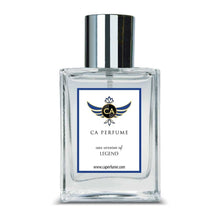
Straight To Heaven — By Kilian Straight To Heaven Alternative Cologne
7.0
MEI™
Primary Romantic
Secondary Confident
Confidence
6.49
Presence
6.67
Mood Lift
7.52
Identity
6.57
Warmth
7.95
Social Ease
7.06
Energy
3.55
" I am beautiful.
View full mood profile →
Legend — Mont Blanc Legend Alternative Cologne
6.8
MEI™
Primary Romantic
Secondary Confident
Confidence
6.27
Presence
6.42
Mood Lift
7.35
Identity
6.43
Warmth
7.72
Social Ease
6.92
Energy
4.25
" I am beautiful.
View full mood profile →
Amber Elixir — Vertus Amber Elixir Alternative Perfume
6.7
MEI™
Primary Romantic
Secondary Confident
Confidence
6.6
Presence
6.88
Mood Lift
7.1
Identity
6.47
Warmth
7.65
Social Ease
6.3
Energy
3.67
" I am beautiful.
View full mood profile →
Ursa — Tiziana Terenzi Ursa Alternative Perfume
6.5
MEI™
Primary Magnetic
Secondary Confident
Confidence
6.81
Presence
8.57
Mood Lift
5.95
Identity
7.33
Warmth
7.38
Social Ease
5.43
Energy
3.0
" I am bold.
View full mood profile →
HumanSafe™

Top Dried Fruits Fragrances by HumanSafe™ Score

These Dried Fruits-based fragrances have the highest product-level HumanSafe™ scores in this ingredient collection.

Highest HumanSafe™ Score
Ursa — Tiziana Terenzi Ursa Alternative Perfume
A-
HumanSafe™ Score Generally Safe
Safest Evaluated Ingredients EDP
AQUA Solvent / Carrier ISS 10.0
1,4-DIOXACYCLOHEPTADECANE-5,17-DIONE Evaluated ingredient ISS 10.0
3-BUTEN-2-ONE, 3-METHYL-4-(2,6,6-TRIMETHYL-2- Evaluated ingredient ISS 8.0
CYCLOHEXANEPROPANOL, 2,2,6-TRIMETHYL-.ALPHA.-PROPYL- Evaluated ingredient ISS 7.0
CEDROL Evaluated ingredient ISS 7.0
ALPHA-CEDRENE Evaluated ingredient ISS 7.0
View full safety profile →
Straight To Heaven — By Kilian Straight To Heaven Alternative Cologne
A-
HumanSafe™ Score Generally Safe
Safest Evaluated Ingredients EDP
AQUA Solvent / Carrier ISS 10.0
1,4-DIOXACYCLOHEPTADECANE-5,17-DIONE Evaluated ingredient ISS 10.0
CYCLOHEXANEPROPANOL, 2,2,6-TRIMETHYL-.ALPHA.-PROPYL- Evaluated ingredient ISS 7.0
ALCOHOL DENAT. Solvent / Carrier ISS 7.0
2,6-DI-TERT-BUTYL-P-CRESOL Evaluated ingredient ISS 7.0
1,6-METHANONAPHTHALEN-1(2H)-OL, OCTAHYDRO- Evaluated ingredient ISS 7.0
View full safety profile →
Legend — Mont Blanc Legend Alternative Cologne
A-
HumanSafe™ Score Generally Safe
Safest Evaluated Ingredients EDP
AQUA Solvent / Carrier ISS 10.0
7-OCTEN-2-OL, 2,6-DIMETHYL- Evaluated ingredient ISS 9.0
4H-INDEN-4-ONE, 1,2,3,5,6,7-HEXAHYDRO-1,1,2,3,3- Evaluated ingredient ISS 9.0
4,7-METHANO-1H-INDENE-2-CARBOXALDEHYDE, Evaluated ingredient ISS 9.0
2-BUTEN-1-ONE, 1-(2,6,6-TRIMETHYL-2-CYCLOHEXEN-1- Evaluated ingredient ISS 9.0
2H-1-BENZOPYRAN-2-ONE Evaluated ingredient ISS 8.0
View full safety profile →
Chocolate Greedy — Montale Chocolate Greedy Alternative Perfume
A-
HumanSafe™ Score Generally Safe
Safest Evaluated Ingredients EDP
AQUA Solvent / Carrier ISS 10.0
ALCOHOL DENAT. Solvent / Carrier ISS 7.0
2,6-DI-TERT-BUTYL-P-CRESOL Evaluated ingredient ISS 7.0
D-LIMONENE Evaluated ingredient ISS 6.8
ETHYL VANILLIN Evaluated ingredient ISS 6.0
BENZYL BENZOATE Evaluated ingredient ISS 6.0
View full safety profile →
Expert Voices

What Masters Say About Dried Fruits

“
Dried fruits notes are constructed accords, not direct extracts, relying on lactones and damascones to evoke the sticky, syrupy aroma of preserved fruit.
CA Perfume Editorial
“
The Prunol De Laire base remains a benchmark for dried fruit effects, blending apricot and candied plum nuances with remarkable realism.
CA Perfume Editorial
Common Questions

Frequently Asked Questions

Answers to common questions about dried fruits in perfumery.

Dried fruits in perfume smells sweet, syrupy, and complex, with notes reminiscent of candied apricot, prune, raisin, and honeyed fig. The scent profile is constructed using lactones, damascones, and sweet aldehydes, resulting in a plush, sticky sweetness with subtle boozy and caramelized undertones. Notable examples include Tom Ford Tobacco Vanille and Serge Lutens Arabie, both of which showcase the depth and warmth of dried fruits accords.

Dried fruits is typically classified as a heart note, though it can appear in both the top and base depending on the composition. Its molecular components, such as lactones and damascones, have moderate volatility, allowing the note to persist from the opening through the drydown. In fragrances like Montale Chocolate Greedy, dried fruits bridges the transition from bright top to dense, gourmand base.

Dried fruits accords provide a plush, complex sweetness that enhances gourmand, amber, and oriental fragrances. Their versatility allows perfumers to create layered, long-lasting scents with both comfort and sophistication. The note’s ability to bridge florals, spices, and woods makes it a favorite in niche perfumery, as seen in Serge Lutens Arabie and By Kilian Straight to Heaven.

Dried fruits fragrance uses include pairing with vanilla, tonka bean, amber, sandalwood, and spices such as cinnamon and cardamom. These combinations create harmonious, gourmand effects by leveraging molecular affinities—vanillin and coumarin amplify lactonic sweetness, while resins and woods provide depth and longevity.

Dried fruits notes can be worn in summer, but their syrupy sweetness and high diffusion may become overwhelming in heat. To adapt, use lighter concentrations or layer with citrus and herbal notes to add freshness. Application to cooler body areas can help moderate projection and prevent cloying effects.

Fragrances with prominent dried fruits notes generally last 5–8 hours on skin, depending on concentration and supporting materials. The longevity is due to the presence of high molecular weight compounds like ethyl maltol and coumarin, which persist in the base.

Yes, dried fruits can be layered with vanilla, amber, woods, or citrus fragrances. Molecular compatibility—such as shared lactones or damascones—ensures a seamless blend. For example, layering with vanilla amplifies sweetness, while pairing with woods adds depth and structure.

Beginner-friendly dried fruits perfumes include Tom Ford Tobacco Vanille, Montale Chocolate Greedy, and Laboratorio Olfattivo Tonkade. These fragrances balance the dried fruits note with familiar gourmand or woody elements, making them approachable and versatile.

Consider the balance of sweetness, spice, and woody notes that best suits your preferences. CA Perfume’s collection offers full ingredient transparency via the HumanSafe™ platform, allowing you to select fragrances with your preferred concentration and supporting notes.

While dried fruits notes are inherently sweet, their complexity and layering potential allow for versatile wear. In lighter concentrations or when paired with woods and spices, dried fruits can be suitable for daily use, offering comfort without overwhelming the senses.

Amber Gourmand Collection

Explore Our Top Dried Fruits Fragrances

Discover CA Perfume’s most popular dried fruits fragrances, each crafted for complexity and comfort. Transparent ingredient sourcing, verified by the HumanSafe™ platform.

Shop all dried fruits fragrances at CA Perfume →

Where Dried Fruits Comes From — Origin & Extraction

The dried fruits note in perfumery is a synthetic or semi-synthetic construct, as natural dried fruits yield negligible essential oil or aromatic extract after dehydration. The botanical sources inspiring this accord include Prunus armeniaca (apricot), Ficus carica (fig), Vitis vinifera (raisin/grape), and Phoenix dactylifera (date), but the actual olfactory material is produced in laboratories. The primary producing countries for the fruits themselves are Turkey (apricots, figs), Iran (dates), and the United States (raisins), with Turkey exporting over 400,000 metric tons of dried apricots annually. However, the perfumery note is created through synthesis, not direct extraction. Extraction attempts from dried fruits using solvent extraction (hexane or ethanol) yield low-aroma, low-yield concretes, so perfumers rely on aroma molecules such as gamma-undecalactone (C14 aldehyde), beta-damascone, and ethyl maltol to reconstruct the dried fruit effect. These molecules are produced via chemical synthesis, often from petrochemical feedstocks or biotechnological fermentation. The Prunol De Laire base, developed in the early 20th century, is a classic example, blending lactones and damascones to evoke candied plum and apricot. The cost of these synthetic aroma chemicals ranges from $40–$300 per kg, compared to the impractical cost of attempting to extract from actual dried fruit (which can exceed $10,000/kg for trace absolutes). Sustainability considerations favor synthetics: the production of dried fruit aroma molecules has a lower environmental impact than large-scale agricultural extraction, and avoids the food chain disruption associated with using edible crops for fragrance. Most major aroma chemical manufacturers (Givaudan, Firmenich, IFF) produce these molecules in Europe, North America, and China. There are no IFRA restrictions specific to dried fruits accords, but individual molecules such as gamma-undecalactone have recommended usage limits for skin safety.

Famous Fragrances That Define Dried Fruits in Perfumery

Dried fruits has become a signature note in both niche and mainstream perfumery, often defining the character of gourmand, amber, and oriental compositions. One of the earliest and most influential uses was in Balenciaga Talisman (1994, Gérard Anthony), where a dried fruit accord bridges floral and woody notes, evoking an Egyptian-inspired opulence. Serge Lutens Arabie (2000, Christopher Sheldrake) is a benchmark for the genre, featuring a dense, spiced dried fruit heart layered with resins and woods, reminiscent of Middle Eastern souks. Tom Ford Tobacco Vanille (2007, Olivier Gillotin) uses a sticky, raisin-like dried fruit accord to counterbalance tobacco leaf and vanilla, creating a plush, enveloping effect. Montale Chocolate Greedy (2007, Pierre Montale) pairs dried fruits with cocoa and vanilla for a decadent, dessert-like impression. By Kilian Straight to Heaven (2007, Sidonie Lancesseur) utilizes dried fruits as a bridge note, connecting rum, patchouli, and cedarwood for a boozy, woody effect. More recently, Clive Christian Blonde Amber (2022) and Laboratorio Olfattivo Tonkade (2020, Marie Duchêne) have showcased dried fruits in modern amber and gourmand contexts, each pairing the note with tonka, vanilla, and spices. CA Perfume’s collection draws inspiration from this lineage, offering dried fruit-forward fragrances that balance complexity and wearability, with transparency on all aroma materials used.

Natural vs Synthetic Dried Fruits in Perfumery

Dried fruits in perfumery is almost exclusively a synthetic or semi-synthetic note, as natural extraction from dried fruit is not feasible. Key synthetic molecules include gamma-undecalactone (C14 aldehyde, CAS 104-67-6), which imparts a peachy, lactonic sweetness; beta-damascone (CAS 23726-93-4), responsible for plum and prune nuances; and ethyl maltol (CAS 4940-11-8), which delivers a caramelized, candy-like effect. Other relevant molecules include furaneol (CAS 3658-77-3) for strawberry-jammy facets and ionones for violet-plum undertones. Performance-wise, synthetic dried fruit accords offer superior longevity, diffusion, and batch-to-batch consistency compared to any natural attempt. Natural alternatives, such as osmanthus absolute (which contains beta-ionone and damascone derivatives), can provide apricot-like nuances but are expensive ($5,000–$8,000/kg) and variable in quality. Synthetic bases like Prunol De Laire or Firmenich's Fructalate are used in both niche and designer fragrances, ensuring stability and reproducibility. Notable fragrances using synthetic dried fruit accords include Tom Ford Tobacco Vanille and Serge Lutens Arabie, while osmanthus absolute appears in Hermès Osmanthe Yunnan (Jean-Claude Ellena, 2005). From a sustainability perspective, synthetics reduce pressure on agricultural resources and food supply, and their production is less water- and land-intensive. The HumanSafe™ platform at CA Perfume ensures full transparency of all aroma chemicals used, with batch-level traceability and IFRA compliance. In summary, synthetic dried fruit accords are the industry standard, offering both creative flexibility and environmental responsibility.