Ingredient Guide · Greens, Herbs and Fougeres
Greens, Herbs and Fougeres Family · Perfumery Note

Davana

A fruity, boozy, and herbal note that adapts to your skin.

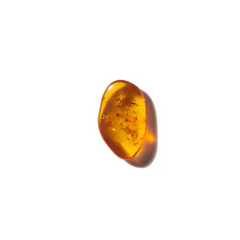
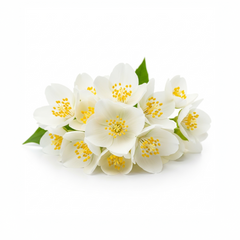
Davana is a heart note in perfumery, prized for its fruity, boozy, and herbal complexity. Its defining quality comes from davanone, a sesquiterpene ketone, which imparts a sweet, wine-like aroma that evolves uniquely on each wearer.

Davana
Ingredient Profile

Davana

Greens, Herbs and Fougeres Family
Family Greens, Herbs and Fougeres
Note Position Heart Note
Usage Level 0.05–0.5%
Key Origins India, France, United States
Iconic In Honeysuckle & Davana, Mumbai Noise
The Ingredient

What does Davana smell like and why is it prized in perfumery?

Davana (Artemisia pallens) is botanically a member of the Asteraceae family, native to southern India. Its essential oil is chemically dominated by davanone, a furanoid sesquiterpene ketone, with significant contributions from linalool, geraniol, and bicyclogermacrene. The result is a scent profile that is remarkably complex: sweet and fruity with pronounced boozy, wine-like facets, layered over a balsamic, herbal-green backbone. Trace notes of dried apricot, plum, and blackcurrant are often detected, alongside subtle vanilla and tea nuances. This multifaceted aroma is why 'what does davana smell like' is a frequent query among fragrance enthusiasts. In perfumery, davana is classified as a heart note, typically used at 0.05–0.5% in the fragrance compound. Its tenacity is notable, with a medium-to-strong odor strength and a persistence that bridges the transition from top to base notes. Davana in perfumery is renowned for its 'chameleon' quality: the scent adapts to individual skin chemistry, sometimes amplifying fruity sweetness, other times emphasizing herbal or balsamic tones. This adaptability is attributed to the interaction of its oxygenated sesquiterpenes with skin pH and moisture, making each wear experience unique. Davana’s versatility is exemplified in fragrances such as Jo Malone London Honeysuckle & Davana (2018, Anne Flipo), where it provides a boozy, fruity lift to floral and mossy accords, and Byredo Mumbai Noise (2021, Jérôme Epinette), where its herbal sweetness balances smoky and resinous notes. These compositions showcase how davana’s scent profile can anchor both modern niche and classic ambrée or chypre structures, making it a sought-after note for perfumers seeking complexity and individuality.

0.05–0.5%
Typical concentration of davana oil in fine fragrance compounds. Higher levels can overwhelm a blend due to its tenacity and complexity.
4,000 kg/year
Estimated annual global production of davana essential oil, nearly all sourced from southern India. Limited supply contributes to its high cost.
128+ hours
Davana oil’s longevity on a smelling strip, reflecting its high content of oxygenated sesquiterpenes and fixative properties.
Origin & Extraction

Where Davana Comes From — Origin & Extraction

Davana’s scent is deeply influenced by its Indian terroir, where the warm, semi-arid climate and iron-rich soils of Karnataka and Tamil Nadu yield oil with pronounced fruity and balsamic notes. Regional variations in rainfall and altitude subtly affect the balance of davanone and linalool, shaping the final olfactory profile.

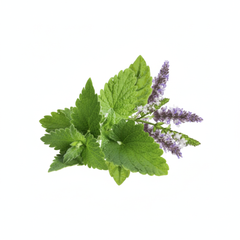
Davana essential oil is derived from Artemisia pallens Wall. ex DC., an annual herb indigenous to southern India, particularly the states of Tamil Nadu and Karnataka. The plant, which resembles a small fern, is cultivated primarily for its aromatic flowering tops. India accounts for nearly all global production, with an estimated annual output of approximately 4,000 kg of essential oil. Cultivation is concentrated in the Bangalore region, where well-drained soils and a warm, semi-arid climate optimize oil yield and quality. Extraction is performed via steam distillation of the aerial parts—flowers and leaves—harvested just before full bloom to maximize davanone content. The process involves passing steam at 100°C through the plant material for 3–4 hours, yielding a dark orange to brownish-green oil. Typical yield is around 0.2–0.4% by weight of fresh biomass. The resulting oil is rich in oxygenated sesquiterpenes: davanone (up to 55%), davana ether, linalool, and davana furan, with minor components such as methyl cinnamate and bicyclogermacrene. Natural davana oil (CAS 8016-03-3) commands a high price, often exceeding $2,000–3,000 per kg due to limited supply and labor-intensive harvesting. Synthetic substitutes are rare; most commercial davana is natural, though some fruity esters may be used to mimic its sweetness in lower-cost blends. Sustainability concerns focus on monoculture risks and water use, but the crop is not currently endangered. Major exporters are India-based firms, with Europe, the USA, and Japan as primary importers. No large-scale synthetic production exists, and the essential oil remains a niche but highly valued material in perfumery.

IN

India

The Bangalore region of Karnataka and adjacent Tamil Nadu produce nearly 100% of global davana oil. The iron-rich, well-drained soils and warm climate favor high davanone content, yielding oil with intense fruity and boozy notes. Annual production is around 4,000 kg, with strict harvesting protocols to maximize aromatic yield.

FR

France

France is a major importer and user of Indian davana oil in fine fragrance, particularly in Grasse. French perfumers value the Indian origin for its complexity and use it as a specialty note in niche and luxury compositions, though no significant cultivation occurs locally.

US

United States

The U.S. fragrance industry sources davana oil exclusively from India, using it in both niche and mainstream perfumery. American brands favor Indian davana for its unique adaptability and tenacity, with no domestic cultivation reported.

JP

Japan

Japan imports davana oil for use in both perfumery and flavor applications. Japanese perfumers appreciate the delicate, fruity-green nuances of Indian davana, often blending it with local citrus and floral notes.

Chemistry

Natural vs Synthetic Davana in Perfumery

Davana oil used in perfumery is almost exclusively natural, extracted from Artemisia pallens. The principal aroma molecule is davanone (CAS 8024-08-6), a furanoid sesquiterpene ketone responsible for the characteristic fruity, boozy scent. Other key constituents include linalool (CAS 78-70-6), contributing floral freshness, and bicyclogermacrene (CAS 17699-14-8), which adds woody undertones. Synthetic analogues are rarely used due to the complexity of the natural oil’s composition and its unique skin-adaptive properties. Performance-wise, natural davana oil offers medium to high tenacity and a complex evolution on skin, which is difficult to replicate with single synthetic molecules. While synthetic fruity esters (such as ethyl butyrate or methyl anthranilate) can mimic certain facets, they lack the chameleon-like adaptability and depth of the natural extract. Cost is a significant differentiator: natural davana oil can cost $2,000–3,000/kg, while synthetic fruity notes are available for under $100/kg. However, the latter are seldom used as direct substitutes in fine fragrance. Sustainability is a consideration, as all commercial davana is sourced from smallholder farms in India. The HumanSafe™ platform supports full traceability and allergen transparency for natural davana, ensuring compliance with IFRA and REACH regulations. Notably, IFRA restrictions for davana are relatively mild, with standard allergen labeling required for linalool and related compounds. Most landmark fragrances—such as Jo Malone London Honeysuckle & Davana and Byredo Mumbai Noise—use natural davana oil, underscoring its irreplaceable role in high-end perfumery.

Natural
Davana Absolute
Cost $3,000–6,000/kg
Method Solvent / CO₂
Character Complex, variable
vs
Synthetic
Safranal & Analogues
Cost $50–200/kg
Method Lab synthesis
Character Consistent, stable
Hall of Fame

Famous Fragrances That Define Davana in Perfumery

2018
dominant note

Honeysuckle & Davana

Jo Malone London
by Anne Flipo
honeysucklerosemoss
2021
bridge note

Mumbai Noise

Byredo
by Jérôme Epinette
coffeetonka beanoudlabdanum
2021
supporting note

Ambre Chromatique

Maison Crivelli
amberincensepink pepper
2022
accent

106 Damascena Rose, Davana, Vanilla

Bon Parfumeur
rosevanillapink pepper
2018
supporting note

Delina Exclusif

Parfums de Marly
by Quentin Bisch
Turkish roseoudincenselychee

Davana’s distinctive, adaptive sweetness has made it a signature note in several landmark fragrances across diverse genres. One of the most influential is Jo Malone London Honeysuckle & Davana (2018, Anne Flipo), where davana’s boozy, fruity character forms the top note, evolving into a floral heart and mossy base. Byredo Mumbai Noise (2021, Jérôme Epinette) uses davana to bridge smoky, resinous, and gourmand elements, highlighting its versatility as a bridge note. Maison Crivelli Ambre Chromatique (2021) features davana as a supporting note, adding fruity warmth to an amber base, while Bon Parfumeur 106 Damascena Rose, Davana, Vanilla (2022) showcases davana’s ability to amplify the jammy, syrupy facets of rose and vanilla. In Parfums de Marly’s Delina Exclusif (2018, Quentin Bisch), davana is paired with Turkish rose and oud, providing a sweet, herbal lift that balances the composition’s richness. Amouage Interlude Woman (2012, Karine Vinchon Spehner) uses davana to accentuate incense and honey notes, demonstrating its role as both a dominant and accent note. CA Perfume’s collection draws inspiration from these benchmark fragrances, offering interpretations that highlight davana’s chameleon-like evolution and compatibility with floral, woody, and gourmand accords.

The Accord

How is a captivating Davana accord crafted?

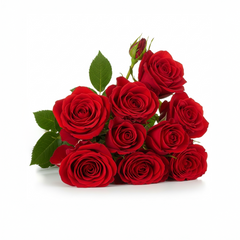
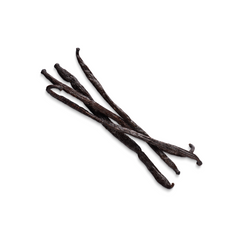
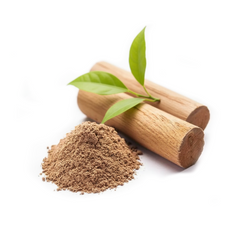
A classic davana accord balances 20–25% davana oil for its fruity-boozy core, 20–25% rose absolute to amplify jammy facets via shared damascenone, 25–30% sandalwood for creamy, lactonic depth, and 25–30% vanilla for sweetness and olfactory masking. Each component is chosen for molecular synergy, enhancing davana’s complexity and longevity.

25%

Davana

20–25% of blend

Davana oil provides the core fruity, boozy, and herbal character, dominated by davanone and linalool. Its adaptive scent profile forms the heart of the accord.

25%

Rose

20–25% of blend

Rose absolute, rich in damascenone, amplifies davana’s jammy and syrupy facets, creating a molecular bridge for seamless blending.

30%

Sandalwood

25–30% of blend

Sandalwood’s santalol content provides creamy, lactonic depth, softening davana’s sharpness and extending its longevity in the accord.

30%

Vanilla

25–30% of blend

Vanillin in vanilla acts as an olfactory mask, rounding out davana’s herbal and boozy edges while enhancing perceived sweetness.

The Olfactory Layers

How Davana Evolves on Skin

Davana’s olfactory evolution is marked by a rapid transition from volatile fruity esters and linalool in the top notes (0–15 min), through a heart dominated by davanone and geraniol (20–60 min), to a base where balsamic and woody sesquiterpenes persist for hours. Its volatility and molecular weight drive this transformation.

I
Top notes
0–15 min
Fruity Herbaceous Burst

The initial impression is shaped by high-volatility compounds such as linalool and methyl cinnamate, producing a burst of sweet, fruity, and slightly green notes reminiscent of apricot and fresh herbs. These molecules evaporate quickly, giving way to the richer heart.

fruityherbalboozy
II
Heart notes
20–60 min
Boozy Jammy Warmth

Davanone and geraniol dominate the heart, imparting a jammy, wine-like sweetness with subtle balsamic and tea-like nuances. This stage is where davana’s adaptive, chameleon quality is most pronounced, influenced by skin chemistry and environmental factors.

jammybalsamicadaptive
III
Base notes
Several hours
Woody Balsamic Drydown

As the more volatile components dissipate, heavier sesquiterpenes and lactones (such as bicyclogermacrene and farnesol) linger, providing a soft, woody, and slightly vanilla-tinged drydown. The base is persistent, with a warm, comforting finish.

woodyvanillicpersistent
TOP NOTES Fruity Herbaceous Burst 0–15 minutes HEART NOTES Boozy Jammy Warmth 20–60 minutes BASE NOTES Woody Balsamic Drydown Several hours
Through the Ages

The Story of Davana in Perfumery

Davana’s journey in perfumery spans from ancient Indian rituals to its adoption in modern niche fragrances, marked by key milestones in extraction, export, and creative use.

Antiquity

Traditional Use in Ayurveda

Davana (Artemisia pallens) is used in southern Indian rituals and Ayurvedic medicine for its aromatic and therapeutic properties. Its flowers are offered in temples and used in traditional healing for centuries.

Early 20th Century

First Steam Distillation in India

The first documented steam distillation of davana oil occurs in Tamil Nadu and Karnataka, producing small quantities for local use. The oil’s unique scent attracts attention from regional perfumers.

1970s

Export to Western Perfumery

Commercial production and export of davana oil from India to Europe and the USA begin, enabling its use in fine fragrance. French and American perfumers experiment with davana in chypre and ambrée compositions.

2012

Niche Perfumery Embraces Davana

Amouage Interlude Woman (Karine Vinchon Spehner) features davana as a key accent, inspiring a wave of niche fragrances that explore its adaptive, fruity-herbal profile.

2018–2022

Mainstream and Artistic Recognition

Jo Malone London Honeysuckle & Davana (2018, Anne Flipo) and Bon Parfumeur 106 (2022) bring davana to a wider audience, highlighting its versatility and chameleon-like evolution in both floral and gourmand contexts.

The Art of Layering

How to Layer Davana

Understanding how to layer davana is key to unlocking its full olfactory potential. Molecular compatibility with florals, woods, and resins allows for creative combinations that highlight different facets of the davana scent profile.

01

Enhance Sweetness

Layering davana with rose or peony leverages shared damascenone and geraniol content, amplifying jammy and syrupy notes. Bon Parfumeur 106 (rose, davana, vanilla) demonstrates this synergy, resulting in a lush, gourmand floral effect.

02

Add Depth

Pairing davana with sandalwood or oud introduces santalol and agarwood sesquiterpenes, which reinforce davana’s balsamic and woody undertones. Byredo Mumbai Noise and Maison Crivelli Ambre Chromatique use this approach for a rich, layered drydown.

03

Brighten the Profile

Combining davana with citrus notes (bergamot, grapefruit) utilizes the volatility of limonene and citral to lift the fruity top notes, creating a sparkling, effervescent opening. Jo Malone London Honeysuckle & Davana pairs davana with honeysuckle and citrus for a fresh, modern effect.

Wear It Right

How to Wear Davana Like a Pro

Seasonal Guide

Fall & Winter

Cooler temperatures slow the evaporation of davana’s lighter esters, emphasizing its balsamic, jammy, and woody base. Apply to pulse points under clothing to maximize warmth and sillage. The scent’s richness and persistence make it ideal for layering with amber, oud, or vanilla in colder months.

Spring

Moderate warmth brings out davana’s fruity and herbal top notes, creating a lively, uplifting effect. Apply to exposed skin for enhanced projection, and consider pairing with florals or citrus to accentuate its brightness.

Summer

High temperatures increase volatility, causing davana’s top notes to dissipate quickly and revealing its herbal-green heart. Use sparingly and focus on lighter application to avoid overwhelming sillage. Pair with fresh, citrus, or aquatic notes for balance.

Year-Round Tip

Davana’s adaptive scent profile allows for creative layering in any season. Adjust application quantity and pairing notes based on temperature and humidity to control projection and longevity.

Application Points

Strategic application of davana fragrances can enhance their chameleon-like evolution and projection.

1

Neck

Applying davana to the neck leverages body heat to accelerate the transition from fruity top notes to jammy heart, maximizing sillage and complexity.

2

Behind the Ears

This area’s warmth and proximity to hair enhance davana’s projection and allow the scent to evolve gradually, highlighting its herbal and woody facets.

3

Inner Wrists

Pulse points on the wrists intensify davana’s top notes through increased blood flow, making the fruity and boozy opening more pronounced.

4

Hair

Spraying on hair provides a slow, sustained release of davana’s aroma, emphasizing its balsamic and vanillic drydown over time.

Pro Tip

Layer davana-based fragrances over unscented moisturizer to prolong longevity and modulate the scent’s evolution, especially in dry or cold climates.

Mood Architecture™

Top Davana Fragrances by Mood Score

These Davana-based fragrances scored highest on the MEI™ Mood Architecture Framework — measuring how a scent may influence your emotional state.

Highest MEI Score
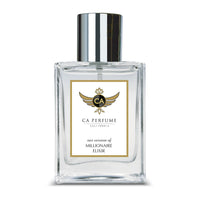
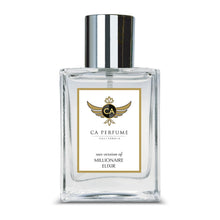
Millionaire Elixir — ONE MILLION ELIXIR Alternative Cologne
7.09
MEI™
Primary Romantic
Secondary Confident
Confidence
6.4
Presence
6.45
Mood Lift
7.92
Identity
6.96
Warmth
8.19
Social Ease
7.3
Energy
3.0
" I am beautiful.
View full mood profile →
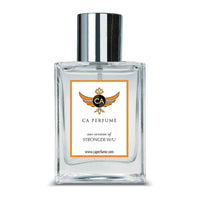
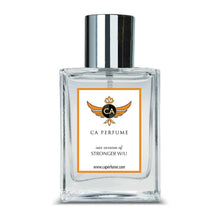
Stronger W / U — Stronger With You Alternative Cologne
6.96
MEI™
Primary Romantic
Secondary Grounding
Confidence
5.83
Presence
5.99
Mood Lift
7.63
Identity
6.02
Warmth
8.69
Social Ease
7.65
Energy
4.5
" I am beautiful.
View full mood profile →
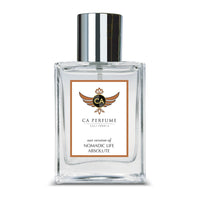
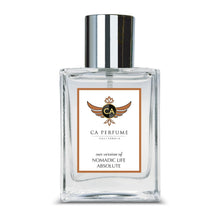
Nomadic Life Absolute — Nomade Absolu De Parfum Alternative Perfume
6.69
MEI™
Primary Romantic
Secondary Confident
Confidence
6.59
Presence
7.09
Mood Lift
6.86
Identity
7.04
Warmth
7.43
Social Ease
6.42
Energy
2.8
" I am beautiful.
View full mood profile →
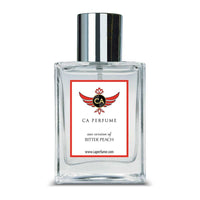
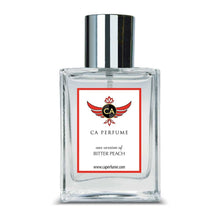
Bitter Peach — Tom Ford Bitter Peach Alternative Perfume
6.34
MEI™
Primary Serene
Secondary Romantic
Confidence
5.73
Presence
6.44
Mood Lift
6.5
Identity
6.33
Warmth
7.96
Social Ease
6.33
Energy
2.9
" I am enough.
View full mood profile →
HumanSafe™

Top Davana Fragrances by HumanSafe™ Score

These Davana-based fragrances have the highest product-level HumanSafe™ scores in this ingredient collection.

Highest HumanSafe™ Score
Stronger W / U — Stronger With You Alternative Cologne
A-
HumanSafe™ Score Generally Safe
Safest Evaluated Ingredients EDP
AQUA Solvent / Carrier ISS 10.0
1,4-DIOXACYCLOHEPTADECANE-5,17-DIONE Evaluated ingredient ISS 10.0
HEXYL SALICYLATE Evaluated ingredient ISS 9.0
AMBROXIDE Evaluated ingredient ISS 9.0
View full safety profile →
Nomadic Life Absolute — Nomade Absolu De Parfum Alternative Perfume
A-
HumanSafe™ Score Generally Safe
Safest Evaluated Ingredients EDP
AQUA Solvent / Carrier ISS 10.0
1,4-DIOXACYCLOHEPTADECANE-5,17-DIONE Evaluated ingredient ISS 10.0
BENZYL SALICYLATE Evaluated ingredient ISS 9.0
3-CYCLOPENTENE-1-ACETALDEHYDE, 2,2,3-TRIMETHYL-, Evaluated ingredient ISS 9.0
3-BUTEN-2-ONE, 3-METHYL-4-(2,6,6-TRIMETHYL-2- Evaluated ingredient ISS 8.0
View full safety profile →
Millionaire Elixir — ONE MILLION ELIXIR Alternative Cologne
A-
HumanSafe™ Score Generally Safe
Safest Evaluated Ingredients EDP
AQUA Solvent / Carrier ISS 10.0
7-OCTEN-2-OL, 2,6-DIMETHYL- Evaluated ingredient ISS 9.0
LINALOOL Evaluated ingredient ISS 7.0
AMBREIN Evaluated ingredient ISS 7.0
View full safety profile →
Bitter Peach — Tom Ford Bitter Peach Alternative Perfume
A-
HumanSafe™ Score Generally Safe
Safest Evaluated Ingredients EDP
AQUA Solvent / Carrier ISS 10.0
2(3H)-FURANONE, 5-HEPTYLDIHYDRO- Evaluated ingredient ISS 10.0
BENZENEPROPANAL, 4-METHOXY-.ALPHA.-METHYL- Evaluated ingredient ISS 9.0
3-CYCLOPENTENE-1-ACETALDEHYDE, 2,2,3-TRIMETHYL-, Evaluated ingredient ISS 9.0
2H-1-BENZOPYRAN-2-ONE Evaluated ingredient ISS 8.0
LINALOOL Evaluated ingredient ISS 7.0
View full safety profile →
Expert Voices

What Masters Say About Davana

Davana is a ‘chameleon’ note: even more than most notes, it is said to smell differently on each of us – which is why it’s prized by some perfumers.
The Perfume Society
Davana’s scent profile is uniquely complex, featuring fruity, boozy, and herbal facets that adapt to skin chemistry, making it a favorite for modern niche compositions.
CA Perfume Editorial
Common Questions

Frequently Asked Questions

Answers to common questions about davana’s scent, use, and performance in perfumery.

Davana in perfume presents a fruity, boozy, and herbal scent profile, often described as jammy, wine-like, and slightly balsamic. The dominant molecule, davanone, imparts a sweet, syrupy character, while linalool and geraniol add floral and green nuances. The scent can shift based on skin chemistry, sometimes amplifying fruity notes, other times highlighting herbal or woody undertones. This chameleon-like quality makes davana a prized note in both niche and mainstream fragrances.

Davana is typically classified as a heart (middle) note in perfumery. Its molecular weight and volatility allow it to bridge the transition from the initial top notes to the deeper base notes, providing complexity and persistence. In some compositions, davana’s tenacity allows traces to linger into the base, but its primary impact is in the heart of the fragrance.

Niche perfumers value davana for its adaptive, multifaceted scent profile and its ability to create a personalized olfactory experience. Its molecular complexity—dominated by davanone and supported by linalool and bicyclogermacrene—enables unique combinations with florals, woods, and resins. Davana’s chameleon-like evolution on skin makes it ideal for artistic, modern compositions that emphasize individuality.

Davana fragrance uses often include pairing with rose, vanilla, sandalwood, and amber. These notes share molecular bridges—such as damascenone in rose and vanillin in vanilla—that amplify davana’s jammy and balsamic facets. Woody notes like sandalwood and oud add depth, while citrus and green notes can brighten the fruity top.

Davana can be worn in summer, but its high volatility in heat means the fruity top notes dissipate quickly, revealing more herbal and green facets. For hot weather, use sparingly and layer with fresh or citrus notes to maintain balance. Its adaptability allows for creative seasonal styling, but projection and longevity may be reduced in high temperatures.

Davana oil is known for its tenacity, with a persistence of 8–12 hours on skin and over 128 hours on a smelling strip. Longevity depends on concentration and composition: in Eau de Parfum formats, davana’s heart and base notes can last most of the day, while lighter EDTs may fade after 4–6 hours.

Yes, davana’s molecular compatibility with florals, woods, and resins makes it an excellent layering note. Layering with rose or vanilla amplifies sweetness, while sandalwood or oud adds depth. For a brighter effect, pair with citrus or green notes. Always test combinations to ensure harmonious evolution on your skin.

Recommended entry points include Jo Malone London Honeysuckle & Davana for a fresh, floral interpretation, and Bon Parfumeur 106 for a gourmand floral experience. Both showcase davana’s versatility and adaptive qualities without overwhelming complexity.

Consider your preferred scent profile—fruity, floral, woody, or gourmand—and look for blends where davana is paired with complementary notes like rose, vanilla, or sandalwood. CA Perfume’s collection offers a range of interpretations inspired by benchmark fragrances, allowing you to explore davana’s chameleon character.

Davana’s sweetness is balanced by herbal, balsamic, and woody facets, making it suitable for both everyday and special occasions. Its adaptive nature means the scent can shift from jammy and syrupy to green and woody depending on composition and skin chemistry. For a lighter effect, choose blends with citrus or green notes.

Greens, Herbs and Fougeres Collection

Explore Our Top Davana Fragrances

Discover CA Perfume’s curated selection of fragrances featuring davana, inspired by benchmark niche and luxury compositions.

Shop all davana fragrances at CA Perfume →

Where Davana Comes From — Origin & Extraction

Davana essential oil is derived from Artemisia pallens Wall. ex DC., an annual herb indigenous to southern India, particularly the states of Tamil Nadu and Karnataka. The plant, which resembles a small fern, is cultivated primarily for its aromatic flowering tops. India accounts for nearly all global production, with an estimated annual output of approximately 4,000 kg of essential oil. Cultivation is concentrated in the Bangalore region, where well-drained soils and a warm, semi-arid climate optimize oil yield and quality. Extraction is performed via steam distillation of the aerial parts—flowers and leaves—harvested just before full bloom to maximize davanone content. The process involves passing steam at 100°C through the plant material for 3–4 hours, yielding a dark orange to brownish-green oil. Typical yield is around 0.2–0.4% by weight of fresh biomass. The resulting oil is rich in oxygenated sesquiterpenes: davanone (up to 55%), davana ether, linalool, and davana furan, with minor components such as methyl cinnamate and bicyclogermacrene. Natural davana oil (CAS 8016-03-3) commands a high price, often exceeding $2,000–3,000 per kg due to limited supply and labor-intensive harvesting. Synthetic substitutes are rare; most commercial davana is natural, though some fruity esters may be used to mimic its sweetness in lower-cost blends. Sustainability concerns focus on monoculture risks and water use, but the crop is not currently endangered. Major exporters are India-based firms, with Europe, the USA, and Japan as primary importers. No large-scale synthetic production exists, and the essential oil remains a niche but highly valued material in perfumery.

Famous Fragrances That Define Davana in Perfumery

Davana’s distinctive, adaptive sweetness has made it a signature note in several landmark fragrances across diverse genres. One of the most influential is Jo Malone London Honeysuckle & Davana (2018, Anne Flipo), where davana’s boozy, fruity character forms the top note, evolving into a floral heart and mossy base. Byredo Mumbai Noise (2021, Jérôme Epinette) uses davana to bridge smoky, resinous, and gourmand elements, highlighting its versatility as a bridge note. Maison Crivelli Ambre Chromatique (2021) features davana as a supporting note, adding fruity warmth to an amber base, while Bon Parfumeur 106 Damascena Rose, Davana, Vanilla (2022) showcases davana’s ability to amplify the jammy, syrupy facets of rose and vanilla. In Parfums de Marly’s Delina Exclusif (2018, Quentin Bisch), davana is paired with Turkish rose and oud, providing a sweet, herbal lift that balances the composition’s richness. Amouage Interlude Woman (2012, Karine Vinchon Spehner) uses davana to accentuate incense and honey notes, demonstrating its role as both a dominant and accent note. CA Perfume’s collection draws inspiration from these benchmark fragrances, offering interpretations that highlight davana’s chameleon-like evolution and compatibility with floral, woody, and gourmand accords.

Natural vs Synthetic Davana in Perfumery

Davana oil used in perfumery is almost exclusively natural, extracted from Artemisia pallens. The principal aroma molecule is davanone (CAS 8024-08-6), a furanoid sesquiterpene ketone responsible for the characteristic fruity, boozy scent. Other key constituents include linalool (CAS 78-70-6), contributing floral freshness, and bicyclogermacrene (CAS 17699-14-8), which adds woody undertones. Synthetic analogues are rarely used due to the complexity of the natural oil’s composition and its unique skin-adaptive properties. Performance-wise, natural davana oil offers medium to high tenacity and a complex evolution on skin, which is difficult to replicate with single synthetic molecules. While synthetic fruity esters (such as ethyl butyrate or methyl anthranilate) can mimic certain facets, they lack the chameleon-like adaptability and depth of the natural extract. Cost is a significant differentiator: natural davana oil can cost $2,000–3,000/kg, while synthetic fruity notes are available for under $100/kg. However, the latter are seldom used as direct substitutes in fine fragrance. Sustainability is a consideration, as all commercial davana is sourced from smallholder farms in India. The HumanSafe™ platform supports full traceability and allergen transparency for natural davana, ensuring compliance with IFRA and REACH regulations. Notably, IFRA restrictions for davana are relatively mild, with standard allergen labeling required for linalool and related compounds. Most landmark fragrances—such as Jo Malone London Honeysuckle & Davana and Byredo Mumbai Noise—use natural davana oil, underscoring its irreplaceable role in high-end perfumery.