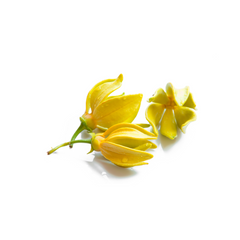
Ingredient Guide · White Flowers
White Flowers Family · Perfumery Note

Datura

Sweet, narcotic, and intoxicating floral mystery

Datura is a synthetic floral heart note in perfumery, characterized by sweet, narcotic, and creamy lactonic facets with green, herbaceous undertones. It is used at heart to base concentrations to evoke nocturnal white flowers.

Datura
Ingredient Profile

Datura

White Flowers Family
Family White Flowers
Note Position Base Note
Usage Level 1–5%
Key Origins Mexico, United States, India
Iconic In Mon Paris, Ginza Datura
The Ingredient

What does Datura smell like and why is it so intriguing?

Datura, often referred to as 'angel's trumpet,' is a genus of night-blooming flowers from the Solanaceae family, known for their intoxicating and complex scent. The fragrance profile of datura in perfumery is characterized by a sweet, narcotic floral aroma layered over green, herbaceous undertones. Key aroma chemicals used in synthetic reconstructions include methyl benzoate, methyl salicylate, creamy lactones, and indolic elements that mimic the flower's nocturnal emission. In perfumery, datura functions primarily as a heart to base note, typically used at concentrations ranging from 1% to 5% in compositions. Its scent is dense and narcotic, often described as heavier than jasmine but more vegetal than tuberose, with a creamy, buttery lactonic quality that evolves into a damp, green, slightly medicinal undertone. This complexity interacts uniquely with skin chemistry, where body heat and pH can influence the balance between its creamy and green facets. Datura is featured in avant-garde and niche perfumery, often paired with other white florals like jasmine and tuberose, as well as woody and resinous bases. Notable fragrances incorporating datura include Yves Saint Laurent's Mon Paris (2016), where datura adds a floral heart alongside jasmine and peony, and Shiseido's Ginza Datura (2025), which highlights datura with ylang-ylang and sandalwood. These examples demonstrate datura's role as a bold, statement floral note in modern perfumery.

1–5%
Typical concentration range of datura synthetic accord in fragrance formulas, balancing potency and blendability.
4–6 hours
Average longevity of datura accords on skin in parfum and eau de parfum concentrations, supported by fixatives.
0
Commercial essential oil or absolute production of natural datura is zero due to toxicity and extraction challenges.
Origin & Extraction

Where Datura Comes From — Origin & Extraction

Datura grows primarily in warm climates across Mexico, southern United States, India, and parts of South America. Soil composition, altitude, and climate influence the subtle aromatic nuances of the flowers, though natural extraction is not commercially viable. Synthetic accords are produced mainly in Europe and North America, reflecting the global demand for this enigmatic floral note.

Datura belongs to the genus *Datura spp.* within the Solanaceae family, which includes species like Datura stramonium and Brugmansia (angel's trumpet). These plants are native to warm climates across the Americas, India, and parts of South America, thriving in regions such as Mexico, southern United States, and India. The flowers bloom at night, releasing a potent, heady scent. Due to the extreme toxicity of all parts of the plant—containing tropane alkaloids such as scopolamine, atropine, and hyoscyamine—no commercial essential oil or absolute of datura exists. The flower's scent molecules are too volatile and dilute for steam distillation, solvent extraction, or supercritical CO2 extraction. Some artisan perfumers produce tinctures by macerating fresh flowers in alcohol, but these are not commercially viable at scale. Consequently, datura in perfumery is always a synthetic accord, reconstructed from molecules such as methyl benzoate, methyl salicylate, creamy lactones, and indolic compounds to approximate the flower's nocturnal emission. The synthetic accords are produced in fragrance houses primarily in Europe and the United States, with costs varying depending on complexity and exclusivity. Sustainability considerations favor synthetic production given the plant's toxicity and the impracticality of natural extraction. Synthetic accords provide consistent quality and safety, avoiding the environmental and health risks associated with harvesting toxic plants.

MX

Mexico

Mexico is a key region where Datura species thrive in warm, semi-arid climates. The plant is culturally significant and linked to traditional rituals. Production is primarily wild-harvested, with no commercial extraction due to toxicity.

US

United States

In southern US states, Datura grows wild and in gardens. The diverse climates contribute to subtle scent variations. No commercial essential oil production exists; synthetic accords are favored.

IN

India

India cultivates Datura in warm regions, where it holds sacred and medicinal roles. The flower's scent is valued culturally, but extraction is limited to artisanal tinctures, not commercial scale.

BR

Brazil

Brazil's tropical climate supports Datura growth in wild and cultivated forms. The plant's aromatic qualities vary with local soil and humidity. Synthetic production is preferred for perfumery use.

Chemistry

Natural vs Synthetic Datura in Perfumery

No commercial natural extract of datura exists due to the plant's toxicity and the volatility of its scent molecules. The natural flower contains tropane alkaloids such as scopolamine and atropine, making it pharmacologically potent and dangerous. Attempts to extract natural essential oils or absolutes are not commercially feasible. Synthetic datura accords are composed of aroma chemicals including methyl benzoate (CAS 93-58-3), methyl salicylate (CAS 119-36-8), various lactones, and indolic compounds that replicate the creamy, narcotic floral and green notes of the flower. These synthetics offer improved longevity, stability, and diffusion compared to any natural approximation. Cost-wise, synthetic datura accords are significantly more affordable and accessible than any hypothetical natural extract would be, with prices ranging from hundreds to thousands of dollars per kilogram depending on purity and complexity. Famous fragrances like Serge Lutens' Datura Noir and Fraterworks' Black Datura use synthetic accords to evoke the flower's narcotic and mysterious qualities. The HumanSafe™ platform ensures transparency and safety in synthetic ingredient use, aligning with sustainability and ethical sourcing goals. Overall, synthetic datura accords provide perfumers with a safe, reliable, and expressive tool to recreate the flower's unique scent profile without the risks associated with natural extraction.

Natural
Datura Absolute
Cost $3,000–6,000/kg
Method Solvent / CO₂
Character Complex, variable
vs
Synthetic
Safranal & Analogues
Cost $50–200/kg
Method Lab synthesis
Character Consistent, stable
Hall of Fame

Famous Fragrances That Define Datura in Perfumery

2016
heart note

Mon Paris

Yves Saint Laurent
by Olivier Cresp, Harry Fremont, Dora Baghriche
Jasmine SambacPeonyOrange BlossomPatchouli
2025
heart note

Ginza Datura

Shiseido
Ylang-YlangSandalwoodPalo Santo
dominant note (synthetic accord)

Datura Noir

Serge Lutens
TuberoseHeliotropeCoconut
base accord

Black Datura

Fraterworks
by Bertrand Duchaufour
TuberoseCuminDark Ambers
accent note

Datura Blanche

Keiko Mecheri
White FloralsSoft Musk

Datura has been used as a key floral note in several notable fragrances, primarily within niche and artistic perfumery. These fragrances showcase datura's narcotic, sweet, and complex floral character, often paired with other white florals, woods, and resins to create evocative compositions. Yves Saint Laurent's Mon Paris (2016), crafted by Olivier Cresp, Harry Fremont, and Dora Baghriche, features datura as a prominent heart note alongside jasmine sambac and peony, contributing to its intoxicating floral bouquet. Shiseido's Ginza Datura (2025) highlights datura with ylang-ylang and sandalwood, presenting a modern floral interpretation with a creamy and slightly green undertone. Serge Lutens' Datura Noir, although not containing natural datura, uses synthetic accords to evoke a narcotic white floral experience with creamy tuberose and heliotrope facets. Fraterworks' Black Datura, developed by Bertrand Duchaufour, is a complex synthetic base that explores the flower's hypnotic and forbidden qualities, blending creamy florals with soft spices and dark amber undertones. Keiko Mecheri's Datura Blanche offers a softer, elegant take on the datura accord, emphasizing its floral sweetness. These fragrances demonstrate datura's role as a bold, mysterious floral note that adds depth and intrigue to modern perfumery. CA Perfume's collection respects this lineage by offering nuanced interpretations that balance narcotic floralcy with sophisticated compositional structure.

The Accord

How is a captivating Datura accord crafted?

A typical Datura accord blends 25-30% Datura synthetic accord, 20-25% Rose for lush romantic sweetness sharing damascenone compounds, 20-25% Benzoin for balsamic warmth that rounds sharp edges, and 25-30% Jasmine to enhance floral complexity with indolic richness. Each ingredient is chosen for molecular compatibility: rose and datura share aromatic aldehydes creating a seamless floral bridge; benzoin's benzoic acid esters soften the narcotic facets; jasmine's indoles deepen the accord's sensuality.

30%

Datura Accord

25–30% of blend

Provides the narcotic, creamy floral heart with green, herbaceous undertones, using synthetic molecules like methyl benzoate and lactones.

25%

Rose

20–25% of blend

Adds lush sweetness and shares damascenone compounds with datura, creating a smooth olfactory transition.

25%

Benzoin

20–25% of blend

Introduces rich, balsamic warmth that rounds out sharper narcotic edges, enhancing depth and longevity.

30%

Jasmine

25–30% of blend

Contributes intoxicating floral indoles that deepen complexity and sensuality, complementing datura's narcotic facets.

The Olfactory Layers

How Datura Evolves on Skin

Datura's olfactory pyramid unfolds over several hours, beginning with a creamy, narcotic floral burst dominated by synthetic lactones and methyl benzoate. Within 20-60 minutes, green, herbaceous, and slightly medicinal undertones emerge from indolic and methyl salicylate compounds. The base notes develop over hours into a warm, balsamic, and softly woody trail, sustained by benzoin and patchouli derivatives.

I
Top notes
0–15 min
Creamy Floral Burst

The initial impression is a creamy, sweet floral burst with lactonic and methyl benzoate molecules evaporating rapidly, creating a rich, intoxicating opening reminiscent of a night-blooming flower.

CreamySweet FloralNarcotic
II
Heart notes
20–60 min
Green and Indolic Depth

Green, herbaceous, and slightly medicinal facets emerge, driven by methyl salicylate and indolic compounds. This stage reveals the complex, nocturnal character of datura, with a damp, vegetal undertone.

GreenHerbaceousIndolic
III
Base notes
Several hours
Warm Balsamic Trail

The fragrance settles into a warm, balsamic, and softly woody base, supported by benzoin and patchouli derivatives, providing depth, longevity, and a subtle narcotic trail.

BalsamicWoodyWarm
TOP NOTES Creamy Floral Burst 0–15 minutes HEART NOTES Green and Indolic Depth 20–60 minutes BASE NOTES Warm Balsamic Trail Several hours
Through the Ages

The Story of Datura in Perfumery

Datura's journey in perfumery spans from ancient cultural uses to modern synthetic reconstructions, reflecting its complex botanical and aromatic profile.

Antiquity

Traditional Medicinal and Ritual Use

Datura species were used by Aztecs and other indigenous cultures for medicinal purposes and spiritual rituals, leveraging its psychoactive properties.

19th Century

Scientific Identification of Alkaloids

Isolation of tropane alkaloids such as atropine and scopolamine from datura plants established its pharmacological potency and toxicity.

Late 20th Century

Synthetic Aroma Molecules Emergence

Perfumers began creating synthetic accords to replicate datura's scent, as natural extraction proved impractical and unsafe.

2016

Mon Paris Launch by Yves Saint Laurent

Datura was prominently featured as a heart note in this modern chypre fruity fragrance, showcasing its narcotic floral character.

2025

Ginza Datura Release by Shiseido

A new floral fragrance highlighting datura with ylang-ylang and sandalwood, emphasizing synthetic accord sophistication.

The Art of Layering

How to Layer Datura

Understanding how to layer datura involves molecular compatibility, olfactory masking, and synergistic effects to enhance its narcotic floral character.

01

Enhance Sweetness

Layering datura with rose exploits shared damascenone compounds, creating a seamless floral bridge that softens datura’s green edges. This is exemplified in Yves Saint Laurent’s Mon Paris.

02

Add Depth

Combining datura with benzoin introduces benzoic acid esters that round off sharp narcotic facets, adding warmth and longevity. This technique is used in accords like Fraterworks’ Black Datura.

03

Lighten the Glow

Pairing datura with fresh citrus or green notes masks its heaviness through olfactory masking, enhancing freshness and vibrancy. Layering with bergamot or grapefruit is recommended for summer wear.

Wear It Right

How to Wear Datura Like a Pro

Seasonal Guide

Fall & Winter

Cooler temperatures slow molecular evaporation, enhancing datura's creamy, balsamic base notes and extending longevity. Apply moderately to avoid overpowering indoor spaces.

Spring

Mild temperatures allow balanced diffusion of floral and green facets. Layer with fresh florals or light woods for a vibrant, sophisticated spring scent.

Summer

Heat increases volatility, emphasizing lighter green and lactonic notes. Use lighter formulations or layer with fresh citrus to maintain freshness without overwhelming.

Year-Round Tip

Adjust application based on temperature and humidity; layering with complementary notes can modulate datura’s narcotic intensity.

Application Points

Strategic application enhances datura’s evolving scent and projection.

1

Neck

Pulse points here provide warmth that activates datura’s creamy and narcotic floral facets, enhancing projection.

2

Behind the Ears

This discreet area allows subtle diffusion, ideal for intimate scent release of datura’s green undertones.

3

Inner Wrists

Applying here facilitates scent evolution with body heat, revealing datura’s layered complexity over time.

4

Hair

Hair holds scent molecules longer, releasing datura’s narcotic floral notes gradually with movement.

Pro Tip

Layer datura with complementary florals or resins on clothing or skin to balance its narcotic intensity and enhance longevity.

Mood Architecture™

Top Datura Fragrances by Mood Score

These Datura-based fragrances scored highest on the MEI™ Mood Architecture Framework — measuring how a scent may influence your emotional state.

Highest MEI Score
Mon Parisian — Mon Paris Alternative Perfume
6.03
MEI™
Primary Fresh
Secondary Romantic
Confidence
5.46
Presence
5.97
Mood Lift
6.82
Identity
5.77
Warmth
6.44
Social Ease
6.26
Energy
2.6
" I am radiant.
View full mood profile →
Wanted Girl — Azzaro Wanted Girl Alternative Perfume
5.52
MEI™
Primary Serene
Secondary Romantic
Confidence
4.73
Presence
4.89
Mood Lift
6.38
Identity
5.16
Warmth
6.66
Social Ease
5.65
Energy
2.5
" I am at peace.
View full mood profile →
HumanSafe™

Top Datura Fragrances by HumanSafe™ Score

These Datura-based fragrances have the highest product-level HumanSafe™ scores in this ingredient collection.

Highest HumanSafe™ Score
Wanted Girl — Azzaro Wanted Girl Alternative Perfume
A-
HumanSafe™ Score Generally Safe
Safest Evaluated Ingredients EDP
OXACYCLOHEPTADEC-10-EN-2-ONE Evaluated ingredient ISS 10.0
AQUA Solvent / Carrier ISS 10.0
1,4-DIOXACYCLOHEPTADECANE-5,17-DIONE Evaluated ingredient ISS 10.0
BENZYL SALICYLATE Evaluated ingredient ISS 9.0
BENZENEPROPANAL, 4-METHOXY-.ALPHA.-METHYL- Evaluated ingredient ISS 9.0
View full safety profile →
Mon Parisian — Mon Paris Alternative Perfume
A-
HumanSafe™ Score Generally Safe
Safest Evaluated Ingredients EDP
AQUA Solvent / Carrier ISS 10.0
1,4-DIOXACYCLOHEPTADECANE-5,17-DIONE Evaluated ingredient ISS 10.0
BENZYL SALICYLATE Evaluated ingredient ISS 9.0
7-OCTEN-2-OL, 2,6-DIMETHYL- Evaluated ingredient ISS 9.0
LINALYL ACETATE Evaluated ingredient ISS 7.0
View full safety profile →
Expert Voices

What Masters Say About Datura

“Black Datura offers a bold character and long-lasting diffusion, ideal for adding richness and mystery to florals, orientals, and modern chypres.”
Bertrand Duchaufour, Master Perfumer
Datura's scent is a complex narcotic floral accord with creamy lactones and green undertones, making it a unique and enigmatic note in modern perfumery.
CA Perfume Editorial
Common Questions

Frequently Asked Questions

Answers to common questions about datura’s scent, usage, and characteristics in perfumery.

Datura in perfume smells like a sweet, narcotic white floral with creamy lactonic facets and green, herbaceous undertones. It is a synthetic accord that evokes the intoxicating scent of night-blooming datura flowers, blending floral sweetness with a faint medicinal edge. Notable fragrances featuring datura include Yves Saint Laurent's Mon Paris and Shiseido's Ginza Datura.

Datura functions primarily as a heart to base note in perfumery. It typically appears in the heart phase, providing a rich, narcotic floral character that evolves into a warm, balsamic base over time.

Datura is favored in niche perfumery for its complex, narcotic floral profile and its cultural associations with mystery and danger. Its synthetic accords allow perfumers to explore avant-garde and artistic compositions that evoke nocturnal white flowers with depth and intrigue.

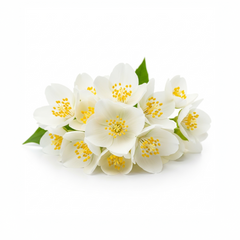
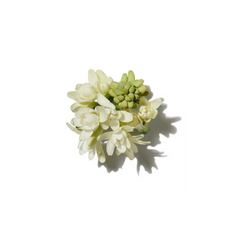
Datura fragrance uses include pairing with white florals like jasmine and tuberose, balsamic resins such as benzoin, woody notes like sandalwood and patchouli, and spices like cumin. These combinations enhance datura’s narcotic floral character and add complexity.

Datura can be refreshing in summer when used in lighter formulations or layered with fresh citrus and green notes. Heat increases volatility, emphasizing fresher facets while maintaining its floral complexity.

Datura accords typically last 4 to 6 hours on skin in parfum and eau de parfum concentrations, supported by fixatives that enhance longevity and diffusion.

Yes, layering datura with complementary notes such as rose, benzoin, or fresh citrus can modulate its narcotic intensity and create unique scent profiles. Understanding molecular compatibility helps achieve harmonious blends.

For beginners, fragrances like Keiko Mecheri's Datura Blanche and Yves Saint Laurent's Mon Paris offer accessible introductions to datura’s floral character with balanced compositions.

Choosing the right datura fragrance involves considering concentration, complementary notes, and personal preference for narcotic floral intensity. CA Perfume offers detailed descriptions and layering advice to guide selection.

Datura primarily smells sweet and narcotic with creamy floral and green undertones. While it may have subtle spicy nuances in some accords, its dominant character is a rich, intoxicating floral rather than overtly spicy.

White Flowers Collection

Explore Our Top Datura Fragrances

Discover curated selections featuring datura’s narcotic floral allure in diverse compositions.

Shop all datura fragrances at CA Perfume →

Where Datura Comes From — Origin & Extraction

Datura belongs to the genus *Datura spp.* within the Solanaceae family, which includes species like Datura stramonium and Brugmansia (angel's trumpet). These plants are native to warm climates across the Americas, India, and parts of South America, thriving in regions such as Mexico, southern United States, and India. The flowers bloom at night, releasing a potent, heady scent. Due to the extreme toxicity of all parts of the plant—containing tropane alkaloids such as scopolamine, atropine, and hyoscyamine—no commercial essential oil or absolute of datura exists. The flower's scent molecules are too volatile and dilute for steam distillation, solvent extraction, or supercritical CO2 extraction. Some artisan perfumers produce tinctures by macerating fresh flowers in alcohol, but these are not commercially viable at scale. Consequently, datura in perfumery is always a synthetic accord, reconstructed from molecules such as methyl benzoate, methyl salicylate, creamy lactones, and indolic compounds to approximate the flower's nocturnal emission. The synthetic accords are produced in fragrance houses primarily in Europe and the United States, with costs varying depending on complexity and exclusivity. Sustainability considerations favor synthetic production given the plant's toxicity and the impracticality of natural extraction. Synthetic accords provide consistent quality and safety, avoiding the environmental and health risks associated with harvesting toxic plants.

Famous Fragrances That Define Datura in Perfumery

Datura has been used as a key floral note in several notable fragrances, primarily within niche and artistic perfumery. These fragrances showcase datura's narcotic, sweet, and complex floral character, often paired with other white florals, woods, and resins to create evocative compositions. Yves Saint Laurent's Mon Paris (2016), crafted by Olivier Cresp, Harry Fremont, and Dora Baghriche, features datura as a prominent heart note alongside jasmine sambac and peony, contributing to its intoxicating floral bouquet. Shiseido's Ginza Datura (2025) highlights datura with ylang-ylang and sandalwood, presenting a modern floral interpretation with a creamy and slightly green undertone. Serge Lutens' Datura Noir, although not containing natural datura, uses synthetic accords to evoke a narcotic white floral experience with creamy tuberose and heliotrope facets. Fraterworks' Black Datura, developed by Bertrand Duchaufour, is a complex synthetic base that explores the flower's hypnotic and forbidden qualities, blending creamy florals with soft spices and dark amber undertones. Keiko Mecheri's Datura Blanche offers a softer, elegant take on the datura accord, emphasizing its floral sweetness. These fragrances demonstrate datura's role as a bold, mysterious floral note that adds depth and intrigue to modern perfumery. CA Perfume's collection respects this lineage by offering nuanced interpretations that balance narcotic floralcy with sophisticated compositional structure.

Natural vs Synthetic Datura in Perfumery

No commercial natural extract of datura exists due to the plant's toxicity and the volatility of its scent molecules. The natural flower contains tropane alkaloids such as scopolamine and atropine, making it pharmacologically potent and dangerous. Attempts to extract natural essential oils or absolutes are not commercially feasible. Synthetic datura accords are composed of aroma chemicals including methyl benzoate (CAS 93-58-3), methyl salicylate (CAS 119-36-8), various lactones, and indolic compounds that replicate the creamy, narcotic floral and green notes of the flower. These synthetics offer improved longevity, stability, and diffusion compared to any natural approximation. Cost-wise, synthetic datura accords are significantly more affordable and accessible than any hypothetical natural extract would be, with prices ranging from hundreds to thousands of dollars per kilogram depending on purity and complexity. Famous fragrances like Serge Lutens' Datura Noir and Fraterworks' Black Datura use synthetic accords to evoke the flower's narcotic and mysterious qualities. The HumanSafe™ platform ensures transparency and safety in synthetic ingredient use, aligning with sustainability and ethical sourcing goals. Overall, synthetic datura accords provide perfumers with a safe, reliable, and expressive tool to recreate the flower's unique scent profile without the risks associated with natural extraction.