Where Coumarin Comes From — Origin & Extraction
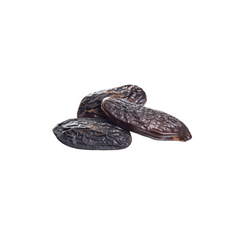
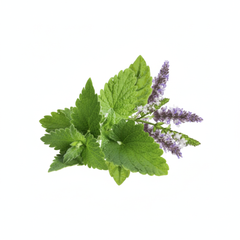
Coumarin is a naturally occurring aromatic compound found in several plants, most notably the tonka bean (Dipteryx odorata), sweet clover (Melilotus alba), sweet woodruff (Galium odoratum), and cassia cinnamon (Cinnamomum aromaticum). The highest natural concentrations are in tonka beans, where coumarin can comprise up to 10% of the dry seed weight. Historically, Venezuela and Brazil have been the primary sources of tonka beans, but today, nearly all coumarin used in perfumery is produced synthetically.
Natural extraction of coumarin from tonka beans involved solvent extraction (typically ethanol or hexane), followed by crystallization as the beans dried. This process was labor-intensive and yielded limited quantities, making natural coumarin expensive and variable in purity. Modern perfumery relies on synthetic coumarin, first synthesized in 1868 by William Henry Perkin via the Perkin condensation reaction, using salicylaldehyde and acetic anhydride. Industrial production now delivers over 2,000 metric tons annually, with leading manufacturers in France (Rhodia/Solvay), China, and Germany. Synthetic coumarin is favored for its purity (typically >99.5%), consistency, and cost-effectiveness—priced at $7–$20 per kilogram compared to $1,000+/kg for natural tonka absolute.
Sustainability considerations favor synthetic coumarin, as large-scale extraction from tonka beans would threaten biodiversity in South American forests. Synthetic production is less resource-intensive and avoids overharvesting. Regulatory agencies (e.g., IFRA, EU) restrict coumarin concentrations due to potential allergenicity, with a maximum of 1.6% in fine fragrance and 0.1% in cosmetics. The CAS number for synthetic coumarin is 91-64-5.
Famous Fragrances That Define Coumarin in Perfumery
Coumarin’s introduction into perfumery marked a turning point in fragrance history. The first major use was in Houbigant Fougère Royale (1882, Paul Parquet), which combined coumarin with lavender, oakmoss, and bergamot, establishing the fougère family. Guerlain Jicky (1889, Aimé Guerlain) followed, pairing coumarin with vanilla, lavender, and citrus for a fresh yet sensual base. In the modern era, coumarin remains essential in both masculine and unisex fragrances.
Prada Luna Rossa Black (2018, Daniela Andrier) uses coumarin as a structural base, blending it with amber and patchouli for a creamy, powdery finish. Montblanc Legend (2011, Olivier Pescheux) features coumarin as a bridge note between fruity top notes and a mossy, woody base. Givenchy Gentleman Eau de Toilette Intense (2021, Nathalie Lorson, Olivier Cresp) employs coumarin to soften iris and woods, creating a rounded, modern fougère. Guerlain Tonka Sarrapia Extrait (2023, Delphine Jelk) highlights coumarin’s natural tonka bean facet, while Narciso Rodriguez Narciso Poudree (2016, Aurelien Guichard) uses coumarin to impart a powdery, musky warmth.
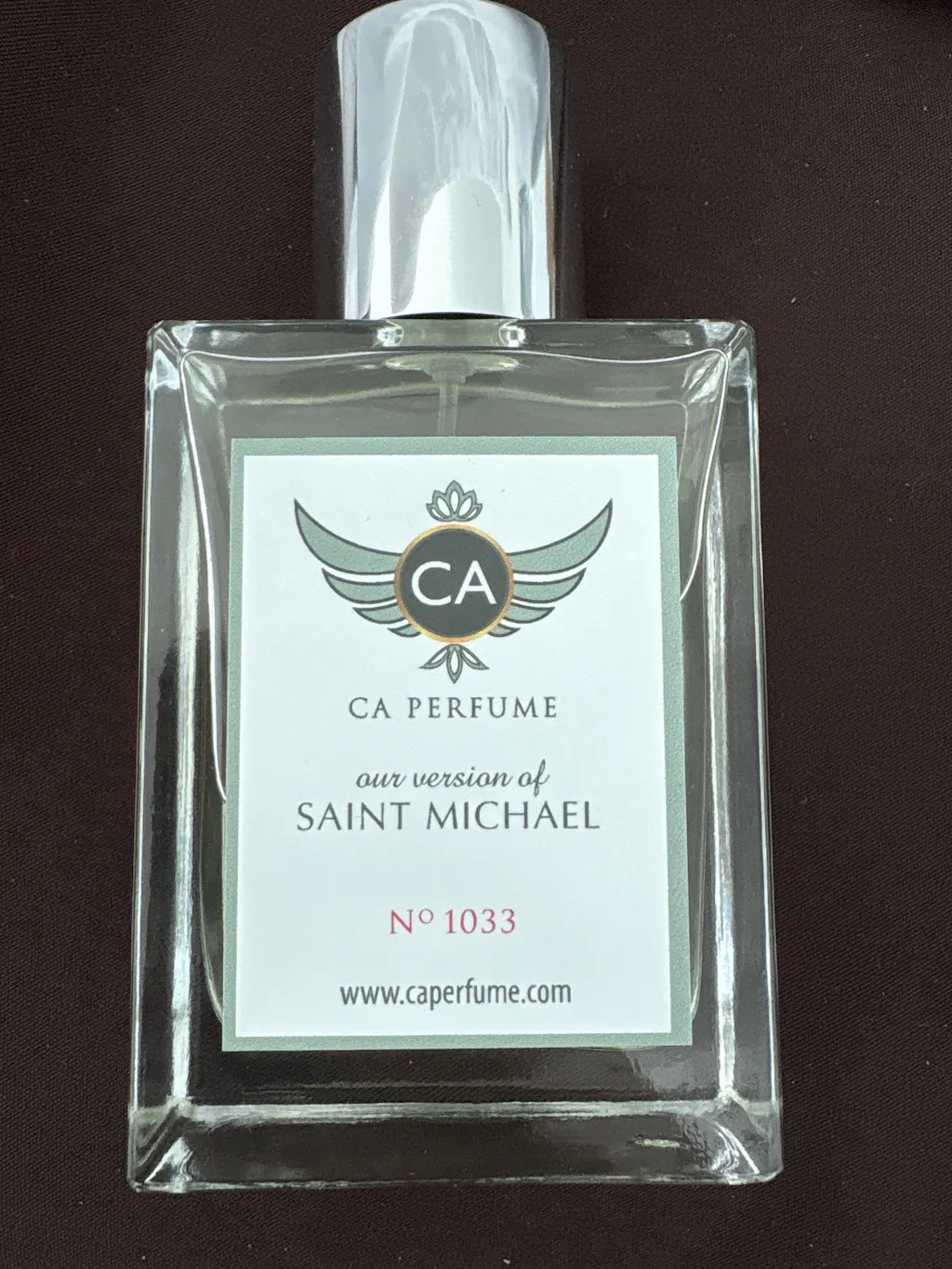
CA Perfume’s collection draws inspiration from this lineage, offering coumarin-rich compositions that honor both classic and contemporary uses.
Natural vs Synthetic Coumarin in Perfumery
Natural coumarin is found in tonka beans, sweet clover, and sweet woodruff, but its use in perfumery is now almost entirely replaced by synthetic coumarin for reasons of purity, cost, and regulatory compliance. Synthetic coumarin (2H-1-benzopyran-2-one, CAS 91-64-5) is produced via the Perkin or Reformatsky reactions, yielding a crystalline solid with a consistent sweet hay-almond aroma. Other related synthetic aroma chemicals include ethyl coumarin (CAS 93-35-6), dihydrocoumarin (CAS 119-84-6), and 7-methoxycoumarin (CAS 531-59-9), each offering subtle variations in scent and volatility.
Performance-wise, synthetic coumarin offers greater stability, longevity, and batch-to-batch consistency compared to natural extracts, which can vary due to plant genetics and harvest conditions. Synthetic coumarin is a robust fixative, extending the life of volatile top notes and enhancing the creamy, powdery base of fragrances. Cost is a major differentiator: synthetic coumarin is available at $7–$20/kg, while natural tonka absolute can exceed $1,000/kg. Most iconic fragrances—such as Houbigant Fougère Royale and Guerlain Jicky—use synthetic coumarin. Sustainability is improved with synthetic production, reducing pressure on wild plant populations.
CA Perfume sources coumarin through the HumanSafe™ platform, ensuring full traceability, allergen compliance, and IFRA adherence. All coumarin-containing formulas are transparently labeled and comply with the latest safety standards.