Ingredient Guide · Fougère
Fougère Family · Perfumery Note

Coumarin

The molecule that shaped modern perfumery’s heart and base.

Coumarin is a synthetic aromatic lactone, foundational as a heart-to-base note in perfumery, imparting a sweet, hay-like, almondy character. Its defining quality comes from 2H-1-benzopyran-2-one (CAS 91-64-5), typically used at 0.1–1.6% in fine fragrance formulas.

Coumarin
Ingredient Profile

Coumarin

Fougère Family
Family Fougère
Note Position Base Note
Usage Level 90%
Key Origins Venezuela, Brazil, France
Iconic In Fougère Royale, Jicky
The Ingredient

What does Coumarin smell like and why is it so significant in perfumery?

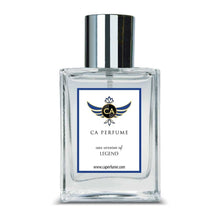
Coumarin is an aromatic lactone (2H-1-benzopyran-2-one) with a scent profile that bridges sweet hay, almond, and creamy vanilla nuances. At low concentrations, it evokes the aroma of freshly cut grass or mown hay, while higher concentrations reveal a richer, caramelized almond and vanilla warmth. This multifaceted olfactory character is due to its molecular structure, which allows it to mimic both natural and gourmand notes. The coumarin scent profile is further shaped by its interaction with other lactones and aldehydes, contributing subtle tobacco, tonka bean, and even faint anise nuances in dilution. In perfumery, coumarin is classified as a heart-to-base note, prized for its fixative properties and its ability to impart powdery, creamy, and sweet undertones. It is typically used at concentrations ranging from 0.1% to 1.6% in fine fragrance compositions, with IFRA regulations capping its use at 1.6% in finished products. Coumarin’s volatility is moderate, allowing it to bridge top and base notes, and its interaction with skin chemistry can accentuate its creamy or grassy facets depending on pH and moisture. Coumarin in perfumery is foundational to the fougère family, first appearing in Houbigant Fougère Royale (1882, Paul Parquet) and later in Guerlain Jicky (1889, Aimé Guerlain), where it is paired with lavender, oakmoss, and vanilla. More recently, it features in Prada Luna Rossa Black (2018, Daniela Andrier) and Montblanc Legend (2011, Olivier Pescheux), where it provides both structure and a signature sweet warmth.

90%
Coumarin appears in approximately 90% of modern perfumes, reflecting its foundational role in both classic and contemporary fragrance structures.
<1.6%
IFRA restricts coumarin to a maximum of 1.6% in finished perfume products, ensuring safety while maintaining olfactory impact.
5–8 hours
Coumarin’s moderate molecular weight and fixative properties provide a typical longevity of 5–8 hours on skin, especially when used in base-heavy compositions.
Origin & Extraction

Where Coumarin Comes From — Origin & Extraction

Coumarin’s scent character is shaped by its botanical origin and the terroir of tonka bean cultivation. Soil composition, rainfall, and altitude in Venezuela and Brazil yield beans with higher coumarin content, while synthetic coumarin’s quality depends on chemical purity and manufacturing standards.

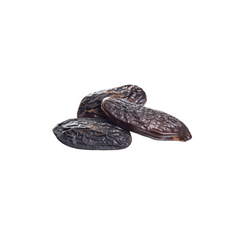
Coumarin is a naturally occurring aromatic compound found in several plants, most notably the tonka bean (Dipteryx odorata), sweet clover (Melilotus alba), sweet woodruff (Galium odoratum), and cassia cinnamon (Cinnamomum aromaticum). The highest natural concentrations are in tonka beans, where coumarin can comprise up to 10% of the dry seed weight. Historically, Venezuela and Brazil have been the primary sources of tonka beans, but today, nearly all coumarin used in perfumery is produced synthetically. Natural extraction of coumarin from tonka beans involved solvent extraction (typically ethanol or hexane), followed by crystallization as the beans dried. This process was labor-intensive and yielded limited quantities, making natural coumarin expensive and variable in purity. Modern perfumery relies on synthetic coumarin, first synthesized in 1868 by William Henry Perkin via the Perkin condensation reaction, using salicylaldehyde and acetic anhydride. Industrial production now delivers over 2,000 metric tons annually, with leading manufacturers in France (Rhodia/Solvay), China, and Germany. Synthetic coumarin is favored for its purity (typically >99.5%), consistency, and cost-effectiveness—priced at $7–$20 per kilogram compared to $1,000+/kg for natural tonka absolute. Sustainability considerations favor synthetic coumarin, as large-scale extraction from tonka beans would threaten biodiversity in South American forests. Synthetic production is less resource-intensive and avoids overharvesting. Regulatory agencies (e.g., IFRA, EU) restrict coumarin concentrations due to potential allergenicity, with a maximum of 1.6% in fine fragrance and 0.1% in cosmetics. The CAS number for synthetic coumarin is 91-64-5.

VE

Venezuela

The Orinoco basin in Venezuela produces tonka beans with exceptionally high coumarin content (up to 10% by dry weight). The region’s clay-rich soils and humid climate favor the accumulation of coumarin precursors. Venezuela historically supplied over 60% of the world’s tonka beans, though current volumes are much lower due to synthetic substitution.

BR

Brazil

Amazonas and Pará states in Brazil are major sources of tonka beans, with wild harvesting in rainforest understories. Beans from Brazil are known for their balanced almond and hay aroma, attributed to both coumarin and minor lactones. Brazil’s share of natural tonka production is now under 20% globally.

FR

France

France is a leading producer of synthetic coumarin, with companies like Rhodia (now Solvay) manufacturing high-purity material for global perfumery. French-made coumarin is prized for its consistency and absence of chlorinated impurities, a result of advanced chemical synthesis protocols.

CN

China

China is a major supplier of synthetic coumarin, primarily for industrial and fragrance use. Quality varies depending on the synthetic route—phenol-based salicylaldehyde yields higher purity than orthocresol-based methods, which may introduce chlorinated byproducts.

Chemistry

Natural vs Synthetic Coumarin in Perfumery

Natural coumarin is found in tonka beans, sweet clover, and sweet woodruff, but its use in perfumery is now almost entirely replaced by synthetic coumarin for reasons of purity, cost, and regulatory compliance. Synthetic coumarin (2H-1-benzopyran-2-one, CAS 91-64-5) is produced via the Perkin or Reformatsky reactions, yielding a crystalline solid with a consistent sweet hay-almond aroma. Other related synthetic aroma chemicals include ethyl coumarin (CAS 93-35-6), dihydrocoumarin (CAS 119-84-6), and 7-methoxycoumarin (CAS 531-59-9), each offering subtle variations in scent and volatility. Performance-wise, synthetic coumarin offers greater stability, longevity, and batch-to-batch consistency compared to natural extracts, which can vary due to plant genetics and harvest conditions. Synthetic coumarin is a robust fixative, extending the life of volatile top notes and enhancing the creamy, powdery base of fragrances. Cost is a major differentiator: synthetic coumarin is available at $7–$20/kg, while natural tonka absolute can exceed $1,000/kg. Most iconic fragrances—such as Houbigant Fougère Royale and Guerlain Jicky—use synthetic coumarin. Sustainability is improved with synthetic production, reducing pressure on wild plant populations. CA Perfume sources coumarin through the HumanSafe™ platform, ensuring full traceability, allergen compliance, and IFRA adherence. All coumarin-containing formulas are transparently labeled and comply with the latest safety standards.

Natural
Coumarin Absolute
Cost $3,000–6,000/kg
Method Solvent / CO₂
Character Complex, variable
vs
Synthetic
Safranal & Analogues
Cost $50–200/kg
Method Lab synthesis
Character Consistent, stable
Hall of Fame

Famous Fragrances That Define Coumarin in Perfumery

1882
dominant note

Fougère Royale

Houbigant
by Paul Parquet
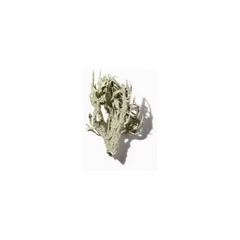
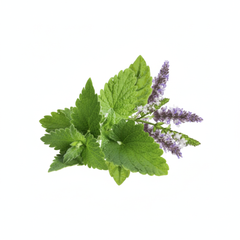
lavenderoakmossbergamot
1889
base note

Jicky

Guerlain
by Aimé Guerlain
vanillalavendercitrusrose
2018
structural base note

Luna Rossa Black

Prada
by Daniela Andrier
amberpatchouliangelica
2011
bridge note

Legend

Montblanc
by Olivier Pescheux
pineapplebergamotoakmoss
2021
supporting note

Gentleman Eau de Toilette Intense

Givenchy
by Nathalie Lorson, Olivier Cresp
iriscedarwoodbasil
2023
dominant note

Tonka Sarrapia Extrait 75

Guerlain
by Delphine Jelk
tonka beanvanillaalmond
2016
powdery base note

Narciso Poudree

Narciso Rodriguez
by Aurelien Guichard
muskrosejasmine

Coumarin’s introduction into perfumery marked a turning point in fragrance history. The first major use was in Houbigant Fougère Royale (1882, Paul Parquet), which combined coumarin with lavender, oakmoss, and bergamot, establishing the fougère family. Guerlain Jicky (1889, Aimé Guerlain) followed, pairing coumarin with vanilla, lavender, and citrus for a fresh yet sensual base. In the modern era, coumarin remains essential in both masculine and unisex fragrances. Prada Luna Rossa Black (2018, Daniela Andrier) uses coumarin as a structural base, blending it with amber and patchouli for a creamy, powdery finish. Montblanc Legend (2011, Olivier Pescheux) features coumarin as a bridge note between fruity top notes and a mossy, woody base. Givenchy Gentleman Eau de Toilette Intense (2021, Nathalie Lorson, Olivier Cresp) employs coumarin to soften iris and woods, creating a rounded, modern fougère. Guerlain Tonka Sarrapia Extrait (2023, Delphine Jelk) highlights coumarin’s natural tonka bean facet, while Narciso Rodriguez Narciso Poudree (2016, Aurelien Guichard) uses coumarin to impart a powdery, musky warmth. CA Perfume’s collection draws inspiration from this lineage, offering coumarin-rich compositions that honor both classic and contemporary uses.

The Accord

How is a captivating Coumarin accord crafted?

A classic coumarin accord balances sweet hay, almond, and creamy vanilla facets. Typical proportions: Coumarin 20–25%, Lavender 20–25%, Oakmoss 25–30%, Vanilla 20–25%. Lavender’s linalool and oakmoss’s evernyl create a green, mossy bridge, while vanilla’s vanillin amplifies coumarin’s creamy warmth and rounds off any bitterness.

25%

Coumarin

20–25% of blend

Provides the sweet hay, almond, and creamy powdery backbone. Its benzopyran structure is responsible for the signature fougère warmth.

25%

Lavender

20–25% of blend

Linalool and linalyl acetate in lavender enhance coumarin’s herbal and floral facets, creating the archetypal fougère harmony.

30%

Oakmoss

25–30% of blend

Evernyl and other mossy molecules add earthy, green depth, balancing coumarin’s sweetness and extending the drydown.

25%

Vanilla

20–25% of blend

Vanillin softens coumarin’s hay and almond edges, amplifying the creamy, gourmand effect through olfactory masking and synergy.

The Olfactory Layers

How Coumarin Evolves on Skin

Coumarin’s olfactory evolution is defined by its moderate volatility and fixative properties. In the first 15 minutes, lighter hay and almond notes evaporate quickly, giving way to creamy, powdery heart notes (20–60 minutes) as the molecule’s lactone ring stabilizes. In the base (several hours), coumarin’s sweet, vanillic warmth persists, anchored by its low vapor pressure and molecular weight.

I
Top notes
0–15 min
Fresh Hay Accord

The initial impression is sweet, herbal, and slightly green—reminiscent of freshly cut hay and faint almond. This is due to coumarin’s higher volatility components and possible synergy with C6-aldehydes and minor lactones. The effect is light and uplifting, with a subtle grassy sharpness.

Hay-likeAlmondyGreen
II
Heart notes
20–60 min
Creamy Almond Warmth

As the top notes dissipate, coumarin’s creamy, powdery, and vanilla-like facets emerge. The lactone structure stabilizes, interacting with skin moisture to reveal a soft, enveloping warmth. This stage is often described as marzipan or tonka bean, with a subtle floral undertone.

CreamyPowderyVanillic
III
Base notes
Several hours
Tobacco-Vanilla Drydown

In the drydown, coumarin anchors the fragrance with a persistent, sweet, and slightly tobacco-like warmth. Its low volatility ensures longevity, and it synergizes with other fixatives (e.g., musk, amber, vanilla) to create a lasting, addictive base.

WarmTobaccoSweet
TOP NOTES Fresh Hay Accord 0–15 minutes HEART NOTES Creamy Almond Warmth 20–60 minutes BASE NOTES Tobacco-Vanilla Drydown Several hours
Through the Ages

The Story of Coumarin in Perfumery

Coumarin’s history in perfumery spans from its isolation in tonka beans to its pivotal role as the first synthetic aroma chemical, shaping the fougère family and modern fragrance design.

1820

Isolation from Tonka Bean

A. Vogel isolates coumarin from Dipteryx odorata (tonka bean), identifying the compound responsible for the bean’s sweet, hay-like aroma. This marks the first recognition of coumarin as a distinct aromatic molecule.

1868

First Synthetic Production

William Henry Perkin synthesizes coumarin via the Perkin reaction, enabling large-scale, consistent production. This breakthrough paves the way for synthetic perfumery.

1882

Fougère Royale Launch

Paul Parquet uses synthetic coumarin in Houbigant Fougère Royale, creating the fougère family and establishing coumarin as a core perfumery note.

1889

Guerlain Jicky Debuts

Aimé Guerlain incorporates coumarin and vanilla in Jicky, blending natural and synthetic notes for a groundbreaking modern fragrance structure.

20th Century

Industrial Scale and Regulation

Synthetic coumarin production exceeds 2,000 tons/year globally. Regulatory agencies introduce usage limits due to allergenicity concerns, shaping modern formulation practices.

2010s–2020s

Contemporary Resurgence

Coumarin features in modern fougère, gourmand, and oriental fragrances, with perfumers leveraging its fixative and sweetening properties in both niche and designer compositions.

The Art of Layering

How to Layer Coumarin

Understanding how to layer coumarin is key to maximizing its olfactory impact. Its molecular compatibility with lavender, vanilla, and oakmoss enables seamless integration, while olfactory masking and synergy allow for creative layering with both fresh and gourmand notes.

01

Enhance Freshness

Layering coumarin with citrus notes (e.g., bergamot, lemon) brightens its hay and almond facets. The shared aldehydic molecules create a sparkling top, as seen in Houbigant Fougère Royale and Prada Luna Rossa Black.

02

Amplify Creaminess

Pairing coumarin with vanilla or tonka bean (rich in vanillin and coumarin) intensifies the creamy, gourmand base through olfactory masking. Guerlain Jicky and Guerlain Tonka Sarrapia Extrait exemplify this synergy.

03

Add Green Depth

Combining coumarin with oakmoss or vetiver introduces earthy, mossy undertones. The molecular bridge between coumarin’s lactone and oakmoss’s evernyl stabilizes the drydown, as in Givenchy Gentleman Eau de Toilette Intense.

Wear It Right

How to Wear Coumarin Like a Pro

Seasonal Guide

Fall & Winter

Cooler temperatures suppress coumarin’s volatility, allowing its creamy, sweet warmth to linger close to the skin. Apply to pulse points and layer with amber or vanilla for a cozy, enveloping effect. Ideal for evening wear and colder climates.

Spring

Mild temperatures enhance coumarin’s fresh hay and almond notes, making it suitable for daytime use. Pair with floral or green accords to highlight its uplifting, powdery facets. Apply lightly to avoid overwhelming projection.

Summer

Heat increases coumarin’s volatility, intensifying its sweetness and projection. Use sparingly, focusing on lighter EDT concentrations or layering with citrus and herbal notes for balance. Avoid over-application to prevent cloying effects.

Year-Round Tip

Adjust application based on climate and personal skin chemistry. In humid environments, coumarin’s creamy base can become more pronounced, while dry air may emphasize its green, hay-like top notes. Experiment with layering to tailor the scent profile.

Application Points

Strategic application of coumarin-rich fragrances enhances both projection and longevity, leveraging its fixative properties.

1

Neck

Applying to the neck maximizes coumarin’s projection, as body heat accelerates the release of sweet hay and almond notes. This area is ideal for showcasing the fragrance’s evolution from fresh to creamy.

2

Behind the Ears

This pulse point retains warmth and moisture, prolonging coumarin’s creamy, powdery drydown. It also minimizes direct sun exposure, reducing the risk of photoreactivity.

3

Inner Wrists

The thin skin and warmth of the wrists enhance coumarin’s volatility, allowing for a dynamic scent evolution. Reapply as needed, as frequent hand washing may diminish longevity.

4

Hair

Spraying coumarin-rich fragrance on hair provides a subtle, long-lasting sillage. The hair’s porous structure traps the molecule, releasing sweet, powdery notes with movement.

Pro Tip

Layer coumarin fragrances with complementary notes (e.g., lavender, vanilla, oakmoss) on different pulse points to create a multidimensional scent profile that evolves throughout the day.

Mood Architecture™

Top Coumarin Fragrances by Mood Score

These Coumarin-based fragrances scored highest on the MEI™ Mood Architecture Framework — measuring how a scent may influence your emotional state.

Highest MEI Score
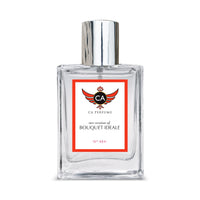
Bouquet Ideale — Casamorati 1888 Bouquet Ideale Alternative Perfume
8.03
MEI™
Primary Romantic
Secondary Confident
Confidence
7.59
Presence
7.72
Mood Lift
8.38
Identity
7.52
Warmth
9.5
Social Ease
8.05
Energy
4.1
" I am beautiful.
View full mood profile →
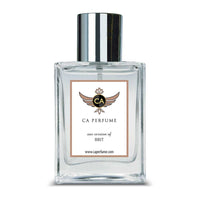
Brit — Burberry Brit Alternative Perfume
7.94
MEI™
Primary Romantic
Secondary Energizing
Confidence
6.37
Presence
6.58
Mood Lift
9.5
Identity
6.75
Warmth
9.5
Social Ease
8.72
Energy
4.7
" I am beautiful.
View full mood profile →
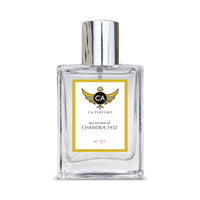
Chanova 1932 — 1932 Alternative Perfume
7.03
MEI™
Primary Fresh
Secondary Romantic
Confidence
6.42
Presence
6.82
Mood Lift
8.03
Identity
6.8
Warmth
7.46
Social Ease
7.13
Energy
3.3
" I am radiant.
View full mood profile →
Lavander Extreme — Lavender Extreme Alternative Perfume
6.85
MEI™
Primary Romantic
Secondary Grounding
Confidence
5.72
Presence
5.07
Mood Lift
7.92
Identity
5.26
Warmth
8.43
Social Ease
7.69
Energy
4.7
" I am beautiful.
View full mood profile →
HumanSafe™

Top Coumarin Fragrances by HumanSafe™ Score

These Coumarin-based fragrances have the highest product-level HumanSafe™ scores in this ingredient collection.

Highest HumanSafe™ Score
Narciso Poudree — Poudree Alternative Perfume
A-
HumanSafe™ Score Generally Safe
Safest Evaluated Ingredients EDP
AQUA Solvent / Carrier ISS 10.0
ACETIC ACID, PHENYLMETHYL ESTER Evaluated ingredient ISS 10.0
BENZYL SALICYLATE Evaluated ingredient ISS 9.0
4H-INDEN-4-ONE, 1,2,3,5,6,7-HEXAHYDRO-1,1,2,3,3- Evaluated ingredient ISS 9.0
3-BUTEN-2-ONE, 3-METHYL-4-(2,6,6-TRIMETHYL-2- Evaluated ingredient ISS 8.0
View full safety profile →
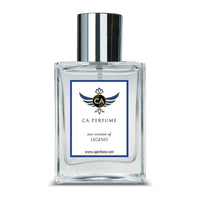
Legend — Mont Blanc Legend Alternative Cologne
A-
HumanSafe™ Score Generally Safe
Safest Evaluated Ingredients EDP
AQUA Solvent / Carrier ISS 10.0
7-OCTEN-2-OL, 2,6-DIMETHYL- Evaluated ingredient ISS 9.0
4H-INDEN-4-ONE, 1,2,3,5,6,7-HEXAHYDRO-1,1,2,3,3- Evaluated ingredient ISS 9.0
4,7-METHANO-1H-INDENE-2-CARBOXALDEHYDE, Evaluated ingredient ISS 9.0
2-BUTEN-1-ONE, 1-(2,6,6-TRIMETHYL-2-CYCLOHEXEN-1- Evaluated ingredient ISS 9.0
2H-1-BENZOPYRAN-2-ONE Evaluated ingredient ISS 8.0
View full safety profile →
Lavander Extreme — Lavender Extreme Alternative Perfume
A-
HumanSafe™ Score Generally Safe
Safest Evaluated Ingredients EDP
AQUA Solvent / Carrier ISS 10.0
1,4-DIOXACYCLOHEPTADECANE-5,17-DIONE Evaluated ingredient ISS 10.0
2-OXABICYCLO[2.2.2]OCTANE, 1,3,3-TRIMETHYL- EYE IRRITATION - CAT. 2B [H320] Evaluated ingredient ISS 9.0
2H-1-BENZOPYRAN-2-ONE Evaluated ingredient ISS 8.0
REACTION MASS OF: (E)-OXACYCLOHEXADEC-12-EN-2-ONE, (E)- Evaluated ingredient ISS 7.0
LINALYL ACETATE Evaluated ingredient ISS 7.0
View full safety profile →
Chanova 1932 — 1932 Alternative Perfume
A-
HumanSafe™ Score Generally Safe
Safest Evaluated Ingredients EDP
AQUA Solvent / Carrier ISS 10.0
1,4-DIOXACYCLOHEPTADECANE-5,17-DIONE Evaluated ingredient ISS 10.0
3-HEXEN-1-OL, BENZOATE, (Z)- Evaluated ingredient ISS 9.0
3-BUTEN-2-ONE, 3-METHYL-4-(2,6,6-TRIMETHYL-2- Evaluated ingredient ISS 8.0
LINALYL ACETATE Evaluated ingredient ISS 7.0
LINALOOL Evaluated ingredient ISS 7.0
View full safety profile →
Expert Voices

What Masters Say About Coumarin

Coumarin’s introduction in Fougère Royale (1882) marked the birth of the modern fougère family, forever changing the landscape of masculine perfumery.
CA Perfume Editorial
The distinct smell of newly mown hay is the trademark scent of coumarin; sweet, herbaceous, with a spicy fresh top note and a cool, vanillic facet.
Elena Vosnaki, Fragrantica
Common Questions

Frequently Asked Questions

Frequently asked questions address coumarin’s scent, usage, performance, and safety in perfumery.

Coumarin in perfume smells sweet, hay-like, and almondy, with creamy, powdery, and subtle vanilla undertones. At low concentrations, it evokes freshly cut grass and green almond, while higher concentrations reveal a richer, caramelized warmth. Its scent profile is versatile, appearing in both classic fougère and modern gourmand fragrances such as Guerlain Jicky and Prada Luna Rossa Black.

Coumarin is primarily a heart-to-base note in perfumery. Its moderate volatility allows it to bridge the transition from fresh top notes to long-lasting base notes. In classic fougère and oriental compositions, coumarin anchors the base, providing sweet, creamy warmth that persists for hours.

Coumarin is valued in niche perfumery for its ability to impart both structure and complexity. Its sweet, hay-like aroma acts as a fixative, enhancing longevity and depth. Niche perfumers use coumarin to create vintage-inspired fougères, modern gourmands, and innovative blends, leveraging its compatibility with a wide range of notes.

Coumarin fragrance uses include pairing with lavender, oakmoss, vanilla, patchouli, and citrus notes. Lavender and oakmoss form the classic fougère accord, while vanilla and tonka bean amplify coumarin’s creamy, gourmand facets. Citrus notes like bergamot add brightness and lift.

Coumarin can be worn in summer, but its sweet, creamy warmth is best balanced with lighter, fresher notes such as citrus or green herbs. In hot weather, use sparingly or opt for EDT concentrations to prevent the scent from becoming overpowering.

Coumarin’s fixative properties provide moderate to long-lasting performance, typically 5–8 hours on skin. Longevity is enhanced in higher concentrations (EDP, Parfum) and when paired with other base notes like musk, amber, or sandalwood.

Yes, coumarin is highly layerable due to its molecular compatibility with lavender, vanilla, oakmoss, and citrus notes. Layering with these ingredients can enhance freshness, amplify creaminess, or add green depth, as demonstrated in classic and modern fougère compositions.

Beginner-friendly coumarin perfumes include Montblanc Legend, Prada Luna Rossa Black, and Givenchy Gentleman Eau de Toilette Intense. These fragrances showcase coumarin’s sweet, creamy warmth in accessible, balanced compositions suitable for daily wear.

To choose the right coumarin fragrance at CA Perfume, consider your preferred scent profile—whether you favor fresh fougère, creamy gourmand, or powdery floral. Review ingredient transparency, concentration, and layering recommendations to find a formula that suits your skin chemistry and style.

Coumarin primarily smells sweet, with hay, almond, and vanilla nuances. At higher concentrations, it can develop subtle spicy or tobacco-like undertones, but its dominant impression is creamy, powdery sweetness rather than overt spiciness.

Fougère Collection

Explore Our Top Coumarin Fragrances

Discover CA Perfume’s curated selection of coumarin-rich fragrances, spanning classic fougère, modern gourmand, and powdery floral compositions.

Shop all coumarin fragrances at CA Perfume →

Where Coumarin Comes From — Origin & Extraction

Coumarin is a naturally occurring aromatic compound found in several plants, most notably the tonka bean (Dipteryx odorata), sweet clover (Melilotus alba), sweet woodruff (Galium odoratum), and cassia cinnamon (Cinnamomum aromaticum). The highest natural concentrations are in tonka beans, where coumarin can comprise up to 10% of the dry seed weight. Historically, Venezuela and Brazil have been the primary sources of tonka beans, but today, nearly all coumarin used in perfumery is produced synthetically. Natural extraction of coumarin from tonka beans involved solvent extraction (typically ethanol or hexane), followed by crystallization as the beans dried. This process was labor-intensive and yielded limited quantities, making natural coumarin expensive and variable in purity. Modern perfumery relies on synthetic coumarin, first synthesized in 1868 by William Henry Perkin via the Perkin condensation reaction, using salicylaldehyde and acetic anhydride. Industrial production now delivers over 2,000 metric tons annually, with leading manufacturers in France (Rhodia/Solvay), China, and Germany. Synthetic coumarin is favored for its purity (typically >99.5%), consistency, and cost-effectiveness—priced at $7–$20 per kilogram compared to $1,000+/kg for natural tonka absolute. Sustainability considerations favor synthetic coumarin, as large-scale extraction from tonka beans would threaten biodiversity in South American forests. Synthetic production is less resource-intensive and avoids overharvesting. Regulatory agencies (e.g., IFRA, EU) restrict coumarin concentrations due to potential allergenicity, with a maximum of 1.6% in fine fragrance and 0.1% in cosmetics. The CAS number for synthetic coumarin is 91-64-5.

Famous Fragrances That Define Coumarin in Perfumery

Coumarin’s introduction into perfumery marked a turning point in fragrance history. The first major use was in Houbigant Fougère Royale (1882, Paul Parquet), which combined coumarin with lavender, oakmoss, and bergamot, establishing the fougère family. Guerlain Jicky (1889, Aimé Guerlain) followed, pairing coumarin with vanilla, lavender, and citrus for a fresh yet sensual base. In the modern era, coumarin remains essential in both masculine and unisex fragrances. Prada Luna Rossa Black (2018, Daniela Andrier) uses coumarin as a structural base, blending it with amber and patchouli for a creamy, powdery finish. Montblanc Legend (2011, Olivier Pescheux) features coumarin as a bridge note between fruity top notes and a mossy, woody base. Givenchy Gentleman Eau de Toilette Intense (2021, Nathalie Lorson, Olivier Cresp) employs coumarin to soften iris and woods, creating a rounded, modern fougère. Guerlain Tonka Sarrapia Extrait (2023, Delphine Jelk) highlights coumarin’s natural tonka bean facet, while Narciso Rodriguez Narciso Poudree (2016, Aurelien Guichard) uses coumarin to impart a powdery, musky warmth. CA Perfume’s collection draws inspiration from this lineage, offering coumarin-rich compositions that honor both classic and contemporary uses.

Natural vs Synthetic Coumarin in Perfumery

Natural coumarin is found in tonka beans, sweet clover, and sweet woodruff, but its use in perfumery is now almost entirely replaced by synthetic coumarin for reasons of purity, cost, and regulatory compliance. Synthetic coumarin (2H-1-benzopyran-2-one, CAS 91-64-5) is produced via the Perkin or Reformatsky reactions, yielding a crystalline solid with a consistent sweet hay-almond aroma. Other related synthetic aroma chemicals include ethyl coumarin (CAS 93-35-6), dihydrocoumarin (CAS 119-84-6), and 7-methoxycoumarin (CAS 531-59-9), each offering subtle variations in scent and volatility. Performance-wise, synthetic coumarin offers greater stability, longevity, and batch-to-batch consistency compared to natural extracts, which can vary due to plant genetics and harvest conditions. Synthetic coumarin is a robust fixative, extending the life of volatile top notes and enhancing the creamy, powdery base of fragrances. Cost is a major differentiator: synthetic coumarin is available at $7–$20/kg, while natural tonka absolute can exceed $1,000/kg. Most iconic fragrances—such as Houbigant Fougère Royale and Guerlain Jicky—use synthetic coumarin. Sustainability is improved with synthetic production, reducing pressure on wild plant populations. CA Perfume sources coumarin through the HumanSafe™ platform, ensuring full traceability, allergen compliance, and IFRA adherence. All coumarin-containing formulas are transparently labeled and comply with the latest safety standards.