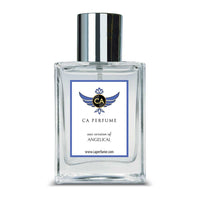
Excellent product
Lasts all day. Great packaging as well.
LOVE THIS PERFUME 💖💖 Smells nearly identical to Kayali Vanilla 28 and this one is WAAY more affordable amd actually lasts much longer too!
Definitely will be purchasing this again soon!
A nostalgic, spun-sugar note with modern gourmand impact.
Cotton Candy is a synthetic gourmand note, typically used as a heart note in perfumery for its airy, sugary character. Its defining quality comes from ethyl maltol, which imparts a sweet, powdery aroma at concentrations below 5%.
Cotton Candy in perfumery is defined by a sweet, airy, and powdery scent profile, dominated by the synthetic molecule ethyl maltol (CAS 4940-11-8). This compound delivers the unmistakable aroma of caramelized sugar, with nuances of red fruits and a subtle creamy undertone. The scent is often described as fluffy, reminiscent of spun sugar at fairs, and is further nuanced by supporting molecules like furaneol (strawberry furanone) and vanillin, which add fruity and vanilla facets. What does cotton candy smell like? It is a blend of sticky sweetness, powder, and a faint hint of fruit, making it instantly recognizable and evocative of childhood nostalgia. Cotton Candy in perfumery is typically classified as a heart note, providing a central, playful sweetness that bridges top fruity notes and deeper base accords. It is used at concentrations below 5% in most compositions, as its intensity can quickly dominate a blend. The note interacts with skin chemistry by amplifying sweetness on warmer, more humid skin, while cooler, drier skin may render it more powdery and less pronounced. Its volatility is moderate, allowing the scent to persist through the heart of the fragrance’s evolution without overwhelming other notes. Notable fragrances that exemplify the cotton candy scent profile include Thierry Mugler Angel (1992, perfumer Olivier Cresp), which pioneered the gourmand category by overdosing ethyl maltol, and Aquolina Pink Sugar (2004, perfumer Shyamala Maisondieu), where cotton candy is paired with caramel, vanilla, and fruity notes to create a playful, long-lasting sweetness. Other examples include Byredo Sundazed (2019) and Ariana Grande Pink Woods (2024), both of which use cotton candy as a bridge between citrus, floral, and musky accords.
Cotton Candy’s scent is shaped by cultural associations and the quality of synthetic aroma chemicals. Soil and climate are less relevant than the purity of feedstocks for ethyl maltol and related compounds.
Cotton Candy as a perfumery note is a synthetic construct, not a direct botanical extract. Its olfactory signature is built around ethyl maltol, first identified in the late 19th century and industrially synthesized since the 1940s. Ethyl maltol is produced via chemical synthesis from furfural, a renewable resource derived from agricultural byproducts like bran, corncobs, and sugarcane residue. The process involves acid-catalyzed dehydration followed by further chemical modification, yielding a crystalline powder with an intense caramel-sugar aroma. The primary producing countries for ethyl maltol and related aroma chemicals are China, India, and Germany, which together account for over 80% of global supply. Industrial-scale synthesis allows for consistent quality and high purity, with yields exceeding 90% in optimized processes. The cost of synthetic ethyl maltol is approximately $50–200/kg, making it highly accessible for large-scale fragrance production. In contrast, attempts to create a 'natural' cotton candy absolute via solvent or CO₂ extraction from spun sugar are rare, costly ($3,000–6,000/kg), and yield a less stable, variable product with limited perfumery use. Sustainability considerations favor the synthetic route, as furfural is derived from renewable agricultural waste and the synthesis process is energy-efficient. There are no major environmental or ethical concerns associated with ethyl maltol production, and its use is generally considered safe at typical fragrance concentrations. The note’s cultural origins trace back to the invention of cotton candy (candy floss) in 1897 by William Morrison and John C. Wharton, with its debut at the 1904 St. Louis World's Fair.
Major producer of ethyl maltol and maltol, with large-scale chemical plants in Jiangsu and Shandong provinces. Chinese ethyl maltol is valued for high purity and cost efficiency, supplying over 50% of global demand.
India’s fragrance industry sources furfural from sugarcane and agricultural waste in Uttar Pradesh and Maharashtra. Indian manufacturers focus on sustainable, renewable feedstocks for synthetic aroma chemicals.
German firms such as Symrise and BASF produce high-grade ethyl maltol and related compounds, emphasizing purity and environmental compliance. German supply is often used in premium/niche perfumery.
The U.S. pioneered cotton candy as a confection and remains a cultural reference point for the note. American perfumers often blend cotton candy with fruity and creamy notes for a nostalgic effect.
Cotton Candy in perfumery is almost exclusively synthetic, as no essential oil or absolute can be distilled from spun sugar. The core synthetic molecule is ethyl maltol (CAS 4940-11-8), which imparts the characteristic sweet, caramelized aroma. Other key aroma chemicals include maltol (CAS 118-71-8), furaneol (CAS 3658-77-3, also known as strawberry furanone), and sotolon (CAS 28664-35-9), each contributing facets of caramel, fruit, and maple syrup. Levistamel, a Givaudan captive, is sometimes used for its nuanced caramel-anise profile. Synthetic cotton candy notes offer superior performance in terms of longevity, diffusion, and batch-to-batch consistency compared to rare natural extracts. Ethyl maltol is stable under most formulation conditions and retains its intensity for years. Cost is a major differentiator: synthetic ethyl maltol costs $50–200/kg, while a hypothetical natural cotton candy absolute would exceed $3,000–6,000/kg and is not commercially viable. Iconic fragrances such as Thierry Mugler Angel (1992) and Aquolina Pink Sugar (2004) rely on synthetic ethyl maltol for their signature sweetness, while niche brands may experiment with natural vanilla or tonka bean to approximate a more complex, less linear sweetness. From a sustainability and supply chain perspective, synthetic cotton candy accords are favored for their low environmental impact and renewable feedstocks. The HumanSafe™ platform at CA Perfume ensures full transparency regarding the source and safety of all aroma chemicals, including ethyl maltol and related compounds.
Cotton Candy’s impact on perfumery began with the launch of Thierry Mugler Angel in 1992, where perfumer Olivier Cresp used an unprecedented dose of ethyl maltol (approximately 0.5%) to evoke the scent of funfairs and spun sugar. This fragrance is widely credited with launching the gourmand category, inspiring a wave of sweet, edible-themed perfumes. In 2004, Aquolina Pink Sugar (perfumer Shyamala Maisondieu) brought cotton candy to the mainstream, blending it with caramel, vanilla, and fruity notes for a playful, long-lasting effect. Carolina Herrera’s 212 Sexy (2004) uses cotton candy as an accent to soften musk and floral notes, while Byredo Sundazed (2019, perfumer Jérôme Epinette) integrates cotton candy with citrus and neroli for a modern, unisex twist. Ariana Grande’s Pink Woods (2024) demonstrates the note’s versatility, pairing it with marshmallow, rose, and creamy musks for a contemporary, gender-fluid gourmand. Other notable fragrances include Juliette Has A Gun Powder Love (2025), which explores the powdery, musky side of cotton candy, and Gulf Orchid Cotton Candy (2025), which combines the note with rose, caramel, and milk for a dreamy, fairyland effect. CA Perfume’s collection draws inspiration from this lineage, offering cotton candy-centered compositions that balance sweetness with complexity, always using HumanSafe™-verified aroma chemicals.
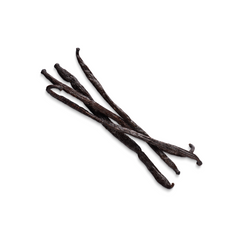
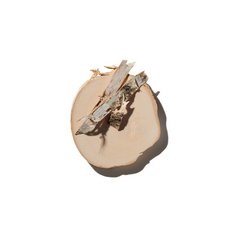
A cotton candy accord balances ethyl maltol’s intense sweetness with creamy, fruity, and woody notes. Typical proportions: Cotton Candy (ethyl maltol) 20–25%, Vanilla 20–25%, Strawberry 20–25%, Cashmere Wood 25–30%. Each ingredient is selected for molecular synergy: vanilla provides creamy depth, strawberry adds fruity brightness, and cashmere wood grounds the sweetness with a soft, musky base.
Ethyl maltol imparts the signature spun-sugar aroma, with high volatility and intense sweetness. Used at low percentages to avoid overpowering the blend.
Vanillin and related compounds soften ethyl maltol’s sharpness, providing creamy, lactonic undertones and enhancing longevity through olfactory masking.
Furaneol (strawberry furanone) adds a jammy, fruity nuance that complements the caramelized sugar note, increasing the accord’s realism and complexity.
Cashmeran and musky molecules provide a soft, powdery base, anchoring the sweetness and extending the accord’s sillage and wear time.
Cotton Candy’s olfactory evolution is shaped by the volatility of ethyl maltol and supporting molecules. The top is intensely sweet and airy, quickly transitioning to a creamy, fruity heart, then settling into a powdery, musky base as heavier fixatives emerge.
The opening is dominated by ethyl maltol’s high volatility, releasing an immediate burst of caramelized sugar and red fruit. Strawberry furanone and traces of citrus aldehydes may be present, creating a bright, almost effervescent effect. This stage is intensely sweet, with a fleeting, airy quality.
As top volatiles dissipate, the accord becomes creamier and more rounded. Vanilla, musk, and lactonic notes emerge, softening the sugar rush and adding a powdery, nostalgic dimension. The sweetness remains prominent but is now balanced by creamy and floral undertones.
The drydown is anchored by musks, cashmeran, and woody molecules. Ethyl maltol’s residual sweetness lingers, but the overall impression is softer and more skin-like, with a subtle warmth and powdery finish. Fixatives extend the wear, allowing the gourmand character to persist for hours.
Cotton Candy’s journey in perfumery spans from its invention as a confection in the late 19th century to its modern role as a defining gourmand note.
Dentist William Morrison and confectioner John C. Wharton invent cotton candy (candy floss) in Nashville, Tennessee, patenting the first electric spinning machine.
Cotton candy is introduced to the public at the St. Louis World’s Fair, selling over 68,000 boxes and becoming a staple of fairs and carnivals worldwide.
Maltol and ethyl maltol are produced on an industrial scale, initially for the flavor industry, paving the way for their use in perfumery.
Olivier Cresp uses an unprecedented dose of ethyl maltol in Angel, creating the first major cotton candy accord and launching the gourmand fragrance trend.
Cotton candy notes proliferate in mainstream (Aquolina Pink Sugar, 2004) and niche (Byredo Sundazed, 2019) perfumery, with ongoing innovation in layering and accord construction.
Understanding how to layer cotton candy involves molecular compatibility—shared aroma compounds and olfactory masking create harmonious blends.
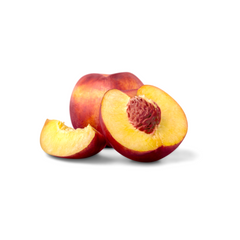
Layer cotton candy with strawberry, raspberry, or peach notes. Furaneol and similar fruity molecules share structural similarities with ethyl maltol, creating a seamless, jammy sweetness. Fragrances like Pink Sugar (Aquolina) and Byredo Sundazed demonstrate this synergy.
Combine cotton candy with vanilla, tonka bean, or marshmallow accords. Vanillin and coumarin molecules mask sharp edges, resulting in a smoother, more gourmand profile. Ariana Grande Pink Woods and Mugler Angel use this technique to balance intensity.
Pair with cashmere wood, sandalwood, or musks. Cashmeran and musky molecules anchor the sweetness, extending longevity and adding sophistication. Juliette Has A Gun Powder Love and Carolina Herrera 212 Sexy utilize this approach for a grown-up gourmand effect.
Cooler temperatures suppress volatility, allowing cotton candy’s sweetness to linger and project more softly. Apply to pulse points and layer with creamy or woody notes to enhance warmth and longevity.
Mild weather brings out the playful, airy facets of cotton candy. Pair with floral or fruity notes for a fresh, uplifting effect. Apply lightly to avoid overwhelming the senses in fluctuating temperatures.
Heat increases volatility, intensifying the initial sweetness but shortening its duration. Use sparingly and consider layering with citrus or aquatic notes for a lighter, more refreshing impression.
Adjust application based on climate and occasion. For maximum longevity, apply to well-moisturized skin and consider layering with complementary notes to balance sweetness and projection.
Strategic application maximizes cotton candy’s projection and longevity while balancing its sweetness.
The neck’s warmth enhances the diffusion of ethyl maltol, amplifying the initial burst of sweetness. Ideal for creating an inviting sillage.
Pulse points behind the ears provide subtle warmth, allowing the scent to evolve gradually and interact with natural skin oils.
Wrist application exposes the fragrance to body heat and movement, boosting projection but potentially shortening wear time due to frequent hand washing.
Spraying on hair or a hairbrush allows for a soft, lingering trail, as hair fibers retain aroma molecules longer than skin.
Layer with unscented moisturizer or a matching body lotion to create a base that anchors the cotton candy note, extending its longevity and enhancing projection.
These Cotton Candy-based fragrances scored highest on the MEI™ Mood Architecture Framework — measuring how a scent may influence your emotional state.
These Cotton Candy-based fragrances have the highest product-level HumanSafe™ scores in this ingredient collection.
The original formulation of Angel contained approximately 0.5% of ethyl maltol and it was a really big amount. Ethyl maltol has an extremely intense smell, and perfumers had to add an enormous amount of patchouli in order to balance it.
Cotton candy’s scent profile is uniquely characterized by a fluffy sweetness with hints of spun sugar, reminiscent of warm summer days. It adds a joyful dimension that delights the senses.
Answers to common questions about cotton candy in perfumery.
Cotton candy in perfume is defined by a sweet, airy, and powdery aroma, primarily created by the synthetic molecule ethyl maltol. The scent is reminiscent of spun sugar, with subtle notes of caramel, red fruits, and a creamy undertone. It evokes the nostalgic atmosphere of fairs and carnivals, and is often balanced with vanilla, musk, or fruity notes for added complexity. Iconic examples include Thierry Mugler Angel and Aquolina Pink Sugar.
Cotton candy is typically used as a heart note in perfumery. Its volatility is moderate, allowing it to persist through the middle phase of a fragrance’s evolution. While it can appear in the top notes for an initial burst of sweetness, its main function is to bridge lighter top notes and deeper base accords, providing a central, playful sweetness.
Cotton candy is favored in niche perfumery for its ability to evoke nostalgia and create a distinctive, playful character. Its synthetic nature allows for precise control over intensity and longevity, and it pairs well with a wide range of notes, from fruits to woods. Niche brands use cotton candy to push the boundaries of gourmand compositions and to craft unique, memorable scent profiles.
Cotton candy fragrance uses include pairing with vanilla, strawberry, marshmallow, rose, and cashmere wood. These notes share molecular affinities—vanillin and furaneol, for example, complement ethyl maltol’s sweetness—resulting in harmonious, layered accords. Woody and musky notes can also ground the sweetness, adding sophistication and depth.
Cotton candy perfumes can be worn in summer, but their high volatility means the sweetness may become more intense and dissipate faster in heat. For hot weather, opt for lighter applications or layer with citrus and aquatic notes to create a fresher, more balanced impression. Eau de Toilette formats are often preferred for summer use.
Cotton candy-centered fragrances usually last 4–6 hours on skin, depending on concentration and supporting notes. The initial sweetness is most intense in the first hour, while musks and fixatives extend the drydown. Oil-based formats and layering with moisturizers can help prolong wear.
Yes, cotton candy is highly versatile for layering. It blends well with fruity, creamy, and woody notes, allowing you to create custom accords. Layering with strawberry, vanilla, or cashmere wood enhances different facets of the scent. Always test combinations on skin to ensure balance and avoid cloying effects.
For beginners, Aquolina Pink Sugar and Ariana Grande Pink Woods are accessible options that showcase cotton candy’s playful sweetness. Byredo Sundazed offers a modern, unisex take, while Gulf Orchid Cotton Candy provides a floral-gourmand twist. These fragrances highlight the note’s versatility and appeal.
Consider your scent preferences—do you prefer pure sweetness, or a more complex blend with fruity, floral, or woody notes? CA Perfume’s collection features a range of cotton candy-centered fragrances, all formulated with HumanSafe™-verified aroma chemicals for safety and transparency. Explore sample sets to find your ideal match.
Cotton candy can be very sweet, but when balanced with creamy, woody, or musky notes, it becomes more wearable and sophisticated. Light application and thoughtful layering allow for daily use without overwhelming the senses. Many modern compositions use cotton candy as an accent rather than the dominant note, making it suitable for a variety of occasions.
Discover CA Perfume’s best-selling cotton candy fragrances, each crafted to highlight the note’s playful sweetness and modern versatility.
Shop all cotton candy fragrances at CA Perfume →Cotton Candy as a perfumery note is a synthetic construct, not a direct botanical extract. Its olfactory signature is built around ethyl maltol, first identified in the late 19th century and industrially synthesized since the 1940s. Ethyl maltol is produced via chemical synthesis from furfural, a renewable resource derived from agricultural byproducts like bran, corncobs, and sugarcane residue. The process involves acid-catalyzed dehydration followed by further chemical modification, yielding a crystalline powder with an intense caramel-sugar aroma. The primary producing countries for ethyl maltol and related aroma chemicals are China, India, and Germany, which together account for over 80% of global supply. Industrial-scale synthesis allows for consistent quality and high purity, with yields exceeding 90% in optimized processes. The cost of synthetic ethyl maltol is approximately $50–200/kg, making it highly accessible for large-scale fragrance production. In contrast, attempts to create a 'natural' cotton candy absolute via solvent or CO₂ extraction from spun sugar are rare, costly ($3,000–6,000/kg), and yield a less stable, variable product with limited perfumery use. Sustainability considerations favor the synthetic route, as furfural is derived from renewable agricultural waste and the synthesis process is energy-efficient. There are no major environmental or ethical concerns associated with ethyl maltol production, and its use is generally considered safe at typical fragrance concentrations. The note’s cultural origins trace back to the invention of cotton candy (candy floss) in 1897 by William Morrison and John C. Wharton, with its debut at the 1904 St. Louis World's Fair.
Cotton Candy’s impact on perfumery began with the launch of Thierry Mugler Angel in 1992, where perfumer Olivier Cresp used an unprecedented dose of ethyl maltol (approximately 0.5%) to evoke the scent of funfairs and spun sugar. This fragrance is widely credited with launching the gourmand category, inspiring a wave of sweet, edible-themed perfumes. In 2004, Aquolina Pink Sugar (perfumer Shyamala Maisondieu) brought cotton candy to the mainstream, blending it with caramel, vanilla, and fruity notes for a playful, long-lasting effect. Carolina Herrera’s 212 Sexy (2004) uses cotton candy as an accent to soften musk and floral notes, while Byredo Sundazed (2019, perfumer Jérôme Epinette) integrates cotton candy with citrus and neroli for a modern, unisex twist. Ariana Grande’s Pink Woods (2024) demonstrates the note’s versatility, pairing it with marshmallow, rose, and creamy musks for a contemporary, gender-fluid gourmand. Other notable fragrances include Juliette Has A Gun Powder Love (2025), which explores the powdery, musky side of cotton candy, and Gulf Orchid Cotton Candy (2025), which combines the note with rose, caramel, and milk for a dreamy, fairyland effect. CA Perfume’s collection draws inspiration from this lineage, offering cotton candy-centered compositions that balance sweetness with complexity, always using HumanSafe™-verified aroma chemicals.
Cotton Candy in perfumery is almost exclusively synthetic, as no essential oil or absolute can be distilled from spun sugar. The core synthetic molecule is ethyl maltol (CAS 4940-11-8), which imparts the characteristic sweet, caramelized aroma. Other key aroma chemicals include maltol (CAS 118-71-8), furaneol (CAS 3658-77-3, also known as strawberry furanone), and sotolon (CAS 28664-35-9), each contributing facets of caramel, fruit, and maple syrup. Levistamel, a Givaudan captive, is sometimes used for its nuanced caramel-anise profile. Synthetic cotton candy notes offer superior performance in terms of longevity, diffusion, and batch-to-batch consistency compared to rare natural extracts. Ethyl maltol is stable under most formulation conditions and retains its intensity for years. Cost is a major differentiator: synthetic ethyl maltol costs $50–200/kg, while a hypothetical natural cotton candy absolute would exceed $3,000–6,000/kg and is not commercially viable. Iconic fragrances such as Thierry Mugler Angel (1992) and Aquolina Pink Sugar (2004) rely on synthetic ethyl maltol for their signature sweetness, while niche brands may experiment with natural vanilla or tonka bean to approximate a more complex, less linear sweetness. From a sustainability and supply chain perspective, synthetic cotton candy accords are favored for their low environmental impact and renewable feedstocks. The HumanSafe™ platform at CA Perfume ensures full transparency regarding the source and safety of all aroma chemicals, including ethyl maltol and related compounds.