
Ingredient Guide · Woody Oriental
Woody Oriental Family · Perfumery Note

Copahu Balm

A deep dive into Copahu Balm's unique scent profile and uses in perfumery.

Copahu Balm, derived from the Copaifera tree, offers a woody, spicy, and balsamic aroma. Its primary component, beta-caryophyllene, imparts a peppery edge, making it a valuable base note in various fragrance compositions.

Copahu Balm
Ingredient Profile

Copahu Balm

Woody Oriental Family
Family Woody Oriental
Note Position Base Note
Usage Level 5–10%
Key Origins Brazil
The Ingredient

What does Copahu Balm smell like and why is it significant in perfumery?

Copahu Balm, also known as copaiba balsam, is a natural oleoresin tapped from the trunks of Copaifera trees in the Amazon basin. Its scent profile is characterized by a dry, peppery-woody transparency, almost camphorous, which evolves into a quiet, balsamic warmth with a faint honey undertone. This transformation is primarily due to its high beta-caryophyllene content, a bicyclic sesquiterpene that imparts the peppery edge. In perfumery, Copahu Balm serves as a base note, anchoring compositions and extending the longevity of more volatile materials. It is typically used at concentrations of 5–10% in fragrance blends. The resin's interaction with skin chemistry enhances its tenacity, making it a preferred choice for oriental and woody compositions. Notable fragrances that exemplify its use include Amouage's Fate Man (2013), where it anchors the composition with its resinous depth, and By Kilian's Pure Oud (2009), where it complements the oud with its balsamic warmth.

5–10%
Typical concentration range of Copahu Balm in fragrance blends, serving as a base note.
100+ hours
Longevity of Copahu Balm's scent at a 20% concentration, making it an effective fixative.
45–65 cm
Diameter at breast height of mid-size Copaifera trees that produce the highest resin yields.
Origin & Extraction

Where Copahu Balm Comes From — Origin & Extraction

Copahu Balm is primarily sourced from Brazil, where the Copaifera trees are native. The resin is harvested by tapping the trunks of these trees, a process that yields a pale yellow to amber liquid. This raw resin is often used directly in perfumery without further processing, making it one of the few natural materials employed in its unaltered state. The primary chemical component, beta-caryophyllene, imparts a peppery-woody facet to the resin's aroma, contributing to its unique scent profile.

Copahu Balm is obtained from the Copaifera tree species, notably Copaifera langsdorffii, C. reticulata, and C. officinalis, native to the Amazon basin in Brazil. The resin is harvested by tapping the trunks of these trees, a process similar to that of rubber or maple syrup tapping. The oleoresin flows naturally from the incision, yielding a pale yellow to amber liquid. This raw resin is often used directly in perfumery without further processing, making it one of the few natural materials employed in its unaltered state. For essential oil production, the crude oleoresin undergoes steam distillation to separate the volatile sesquiterpene fraction from the heavier diterpene acids. The yield per tree varies between 0.1 to 0.8 liters per harvest, with mid-size trees (45–65 cm diameter at breast height) producing the highest volumes. Reharvested trees yield approximately 35% of the initial volume. The resin is tapped year-round in the Brazilian states of Pará, Amazonas, and Rondônia, where it remains an important non-timber forest product. The primary chemical component, beta-caryophyllene (CAS 87-44-5), varies in concentration depending on the species: Copaifera officinalis can reach up to 87%, C. reticulata up to 68%, and C. langsdorffii typically contains between 5–33%. This variability means that two bottles labeled 'copaiba balsam' may smell noticeably different. Alongside beta-caryophyllene, the oleoresin contains alpha-humulene, alpha-copaene, delta-cadinene, beta-bisabolene, and a non-volatile diterpene acid fraction that contributes to its fixative weight.

BR

Brazil

Brazil is the primary producer of Copahu Balm, with the resin harvested from Copaifera trees native to the Amazon basin. The resin is tapped year-round in the Brazilian states of Pará, Amazonas, and Rondônia, where it remains an important non-timber forest product. The primary chemical component, beta-caryophyllene, varies in concentration depending on the species: Copaifera officinalis can reach up to 87%, C. reticulata up to 68%, and C. langsdorffii typically contains between 5–33%. This variability means that two bottles labeled 'copaiba balsam' may smell noticeably different.

Chemistry

Natural vs Synthetic Copahu Balm in Perfumery

The primary synthetic substitute for Copahu Balm is beta-caryophyllene (CAS 87-44-5), which reproduces the peppery-woody facet. Other synthetic aroma chemicals used to mimic its scent profile include alpha-humulene (CAS 6753-98-6) and alpha-copaene (CAS 480-12-6). These compounds are synthesized through various chemical processes and are typically more cost-effective than natural Copahu Balm, which can be expensive due to its limited availability and labor-intensive harvesting process. Synthetic versions offer consistency in scent and are often used in mass-market fragrances. However, natural Copahu Balm provides a depth and complexity that is challenging to replicate synthetically. Sustainability considerations are also important, as the overharvesting of Copaifera trees can lead to ecological imbalances. The HumanSafe™ platform ensures that all natural ingredients, including Copahu Balm, are sourced responsibly and used within safe concentration limits to protect both consumers and the environment.

Natural
Copahu Balm Absolute
Cost $3,000–6,000/kg
Method Solvent / CO₂
Character Complex, variable
vs
Synthetic
Safranal & Analogues
Cost $50–200/kg
Method Lab synthesis
Character Consistent, stable
Hall of Fame

Famous Fragrances That Define Copahu Balm in Perfumery

Copahu Balm has been a key ingredient in several notable fragrances, contributing depth and a resinous warmth to their compositions. Here are some examples: 1. **Amouage Fate Man (2013)** - *Perfumer*: Not specified - *Role*: Base note - *Paired with*: Oud, spices - *Description*: Copahu Balm anchors the composition with its resinous depth, complementing the oud and spices. 2. **By Kilian Pure Oud (2009)** - *Perfumer*: Calice Becker - *Role*: Base note - *Paired with*: Oud - *Description*: Copahu Balm complements the oud with its balsamic warmth, enhancing the fragrance's longevity. 3. **Natura Essencial Oud (2017)** - *Perfumer*: Not specified - *Role*: Base note - *Paired with*: Oud - *Description*: Copahu Balm adds a resinous depth to the oud, creating a warm and enduring base. 4. **Guerlain Bois d'Armenie (2006)** - *Perfumer*: Jean-Paul Guerlain - *Role*: Base note - *Paired with*: Amber, wood - *Description*: Copahu Balm contributes to the fragrance's woody and balsamic character. 5. **Lancôme Oud Bouquet (2016)** - *Perfumer*: Not specified - *Role*: Base note - *Paired with*: Oud, rose - *Description*: Copahu Balm enhances the fragrance's depth and longevity with its resinous warmth. In CA Perfume's collection, Copahu Balm is utilized to create fragrances that offer a warm, resinous base, enhancing the depth and longevity of the compositions.

The Accord

How is a captivating Copahu Balm accord crafted?

A Copahu Balm accord can be crafted by blending the following ingredients: - **Copahu Balm**: 20–25% of blend - *Description*: Provides the resinous, woody, and balsamic base. - **Sandalwood**: 25–30% of blend - *Description*: Adds a creamy, woody note that complements the resinous character. - **Labdanum**: 25–30% of blend - *Description*: Contributes a warm, amber-like sweetness that enhances depth. - **Cedarwood**: 20–25% of blend - *Description*: Offers a dry, woody note that balances the sweetness. This blend creates a harmonious accord that showcases Copahu Balm's unique characteristics while adding complexity and depth to the composition.

The Olfactory Layers

How Copahu Balm Evolves on Skin

In a fragrance composition, Copahu Balm primarily functions as a base note, anchoring the scent and providing depth. Its volatility is low, allowing it to persist over time and support the longevity of more volatile top and heart notes. The scent profile evolves from a dry, peppery-woody transparency to a balsamic warmth, with a faint honey undertone, making it a versatile component in various fragrance families, including oriental and woody compositions.

I
Top notes
0–15 min
Peppery Opening

Upon initial application, Copahu Balm imparts a dry, peppery-woody transparency, almost camphorous. This immediate impression is due to the high beta-caryophyllene content, which is the dominant volatile constituent in the resin. The peppery facet is prominent, providing a sharp opening that quickly settles into a more balanced profile.

PepperyWoodyTransparent
II
Heart notes
20–60 min
Balsamic Warmth

As the fragrance develops, the peppery edge recedes, and a quiet, balsamic warmth emerges. The resinous character becomes more pronounced, with a faint honey undertone adding complexity. This evolution is attributed to the diterpene acids present in the resin, which contribute to its fixative properties and depth.

BalsamicWarmResinous
III
Base notes
Several hours
Resinous Base

In the dry-down phase, Copahu Balm's scent profile stabilizes into a warm, resinous base with a subtle sweetness. The longevity of this base note is significant, often persisting for over 100 hours at a 20% concentration, making it an effective fixative in fragrance compositions. The clean, non-animalic nature of the resin allows it to blend seamlessly with other base notes, enhancing the overall depth and complexity of the fragrance.

ResinousWarmPersistent
TOP NOTES Peppery Opening 0–15 minutes HEART NOTES Balsamic Warmth 20–60 minutes BASE NOTES Resinous Base Several hours
Through the Ages

The Story of Copahu Balm in Perfumery

Copahu Balm has been utilized in perfumery for centuries, with its use documented by various cultures in South America. Its unique resinous and balsamic properties have made it a valuable ingredient in both traditional and modern fragrance compositions. The evolution of its use reflects a growing appreciation for natural materials and their complex scent profiles in the perfume industry.

Pre-16th Century

Indigenous Use

Indigenous peoples of the Amazon basin have utilized Copahu Balm for various purposes, including medicinal and ritualistic uses, long before European contact.

16th Century

European Introduction

European explorers and traders introduced Copahu Balm to the Old World, where it was incorporated into various products, including perfumes and medicinal remedies.

19th Century

Commercial Harvesting

The commercial harvesting of Copahu Balm began, with the resin being exported for use in perfumery and other industries.

20th Century

Sustainable Practices

Efforts to promote sustainable harvesting practices for Copahu Balm were initiated to ensure the conservation of Copaifera trees and the surrounding ecosystem.

21st Century

Modern Perfumery

Copahu Balm continues to be a valued ingredient in modern perfumery, appreciated for its unique scent profile and fixative properties.

The Art of Layering

How to Layer Copahu Balm

Layering Copahu Balm with complementary notes can enhance its depth and complexity.

01

Enhance Warmth

Pairing Copahu Balm with vanilla can soften its peppery edge, creating a warm, inviting fragrance. This combination is exemplified in Amouage's Fate Man (2013), where Copahu Balm and vanilla create a resinous depth.

02

Add Freshness

Combining Copahu Balm with citrus notes like bergamot can add a fresh opening to the fragrance, balancing its resinous nature. This layering is seen in By Kilian's Pure Oud (2009), where Copahu Balm and bergamot create a harmonious blend.

03

Introduce Floral Notes

Layering Copahu Balm with floral notes such as rose can add complexity and a touch of elegance to the fragrance. This combination is found in Lancôme's Oud Bouquet (2016), where Copahu Balm and rose create a balanced composition.

Wear It Right

How to Wear Copahu Balm Like a Pro

Seasonal Guide

Fall & Winter

In cooler temperatures, Copahu Balm's resinous warmth provides a comforting and grounding scent experience. Its longevity ensures the fragrance endures throughout the day, making it ideal for layering with other warm notes.

Spring

As temperatures rise, Copahu Balm's depth can be balanced with lighter floral or citrus notes to create a harmonious fragrance suitable for transitional weather.

Summer

In warmer weather, Copahu Balm's heavy resinous nature may be overwhelming. It's best used sparingly or layered with fresh notes to maintain balance.

Year-Round Tip

Copahu Balm's versatility allows it to be used year-round when balanced appropriately with other notes. Its longevity makes it suitable for all-day wear, providing a consistent scent experience.

Application Points

Strategic application of Copahu Balm can enhance its scent profile and longevity.

1

Neck

Applying Copahu Balm to the neck allows the fragrance to diffuse with body heat, creating a warm, enveloping scent aura.

2

Behind the Ears

The area behind the ears is a pulse point where Copahu Balm can be applied to enhance projection and longevity.

3

Inner Wrists

Applying Copahu Balm to the inner wrists allows for easy reapplication and enhances the fragrance's presence.

4

Hair

Applying Copahu Balm to the hair can create a subtle, lingering scent trail, as hair retains fragrance well.

★

Pro Tip

For a more intense scent experience, apply Copahu Balm to pulse points and allow it to warm up, releasing its full aroma.

Mood Architecture™

Top Copahu Balm Fragrances by Mood Score

These Copahu Balm-based fragrances scored highest on the MEI™ Mood Architecture Framework — measuring how a scent may influence your emotional state.

Highest MEI Score
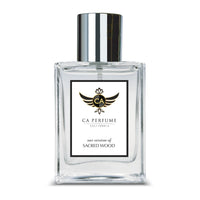
Sacred Wood — By Kilian Sacred Wood Alternative Perfume
5.6
MEI™
Primary Serene
Secondary Romantic
Confidence
5.25
Presence
5.5
Mood Lift
5.62
Identity
5.38
Warmth
6.7
Social Ease
5.65
Energy
2.75
" I am enough.
View full mood profile →
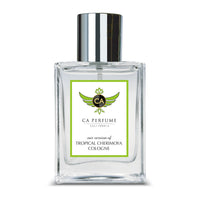
Tropical Cherimoya Cologne — Jo Malone Tropical Cherimoya Cologne Alternative Cologne
4.8
MEI™
Primary Fresh
Secondary Romantic
Confidence
4.05
Presence
3.95
Mood Lift
5.62
Identity
4.05
Warmth
5.42
Social Ease
5.23
Energy
2.32
" I am free.
View full mood profile →
HumanSafe™

Top Copahu Balm Fragrances by HumanSafe™ Score

These Copahu Balm-based fragrances have the highest product-level HumanSafe™ scores in this ingredient collection.

Highest HumanSafe™ Score
Tropical Cherimoya Cologne — Jo Malone Tropical Cherimoya Cologne Alternative Cologne
A-
HumanSafe™ Score Generally Safe
Safest Evaluated Ingredients EDP
AQUA Solvent / Carrier ISS 10.0
1,4-DIOXACYCLOHEPTADECANE-5,17-DIONE Evaluated ingredient ISS 10.0
BENZYL SALICYLATE EYE IRRITATION - CAT. 2B [H320] Evaluated ingredient ISS 9.0
LINALYL ACETATE Evaluated ingredient ISS 7.0
ALPHA-CEDRENE Evaluated ingredient ISS 7.0
ALCOHOL DENAT. Solvent / Carrier ISS 7.0
View full safety profile →
Sacred Wood — By Kilian Sacred Wood Alternative Perfume
A-
HumanSafe™ Score Generally Safe
Safest Evaluated Ingredients EDP
AQUA Solvent / Carrier ISS 10.0
3-CYCLOPENTENE-1-ACETALDEHYDE, 2,2,3-TRIMETHYL-, Evaluated ingredient ISS 9.0
SANTALOL Evaluated ingredient ISS 8.0
3-BUTEN-2-ONE, 3-METHYL-4-(2,6,6-TRIMETHYL-2- Evaluated ingredient ISS 8.0
AMBREIN Evaluated ingredient ISS 7.0
ALCOHOL DENAT. Solvent / Carrier ISS 7.0
View full safety profile →
Expert Voices

What Masters Say About Copahu Balm

“
"Copahu Balm's resinous depth and longevity make it a valuable base note in oriental and woody compositions."
CA Perfume Editorial
“
"The high beta-caryophyllene content in Copahu Balm imparts a peppery edge, enhancing its role as a fixative in fragrances."
CA Perfume Editorial
Common Questions

Frequently Asked Questions

Frequently asked questions about Copahu Balm in perfumery:

Copahu Balm imparts a dry, peppery-woody transparency that evolves into a quiet, balsamic warmth with a faint honey undertone. This transformation is primarily due to its high beta-caryophyllene content, a bicyclic sesquiterpene that imparts the peppery edge.

Copahu Balm functions as a base note in fragrance compositions, anchoring the scent and providing depth. Its low volatility allows it to persist over time, supporting the longevity of more volatile top and heart notes.

Copahu Balm is valued in niche perfumery for its unique resinous depth and longevity. Its ability to enhance the tenacity of more volatile materials makes it a preferred choice for creating complex and enduring compositions.

Copahu Balm pairs well with woody notes like sandalwood and cedarwood, enhancing their depth. It also complements floral notes such as rose and jasmine, adding a resinous warmth to the composition. Additionally, pairing it with spices like cinnamon or cardamom can highlight its peppery facets.

In warmer weather, Copahu Balm's heavy resinous nature may be overwhelming. It's best used sparingly or layered with fresh notes to maintain balance. For instance, combining it with citrus notes like bergamot can add a fresh opening to the fragrance, balancing its resinous nature.

Copahu Balm's longevity is significant, often persisting for over 100 hours at a 20% concentration, making it an effective fixative in fragrance compositions. Its clean, non-animalic nature allows it to blend seamlessly with other base notes, enhancing the overall depth and complexity of the fragrance.

Yes, layering Copahu Balm with other fragrances can enhance its depth and complexity. For example, pairing it with vanilla can soften its peppery edge, creating a warm, inviting fragrance. This combination is exemplified in Amouage's Fate Man (2013), where Copahu Balm and vanilla create a resinous depth.

For those new to Copahu Balm, fragrances like Amouage's Fate Man (2013) and By Kilian's Pure Oud (2009) offer a balanced introduction to its resinous depth and longevity. These compositions showcase Copahu Balm's ability to anchor a fragrance while adding complexity.

When selecting a Copahu Balm fragrance, consider how its resinous depth and longevity align with your scent preferences. Fragrances that highlight Copahu Balm's warm, balsamic character can provide a comforting and enduring scent experience.

Copahu Balm imparts a peppery-woody transparency with a faint honey undertone, providing a subtle sweetness. Its primary characteristic is its resinous depth and balsamic warmth, with the peppery facet being more prominent.

Woody Oriental Collection

Explore Our Top Copahu Balm Fragrances

Discover fragrances that highlight Copahu Balm's resinous depth and longevity, offering a warm and enduring scent experience.

Shop all Copahu Balm fragrances at CA Perfume →

Where Copahu Balm Comes From — Origin & Extraction

Copahu Balm is obtained from the Copaifera tree species, notably Copaifera langsdorffii, C. reticulata, and C. officinalis, native to the Amazon basin in Brazil. The resin is harvested by tapping the trunks of these trees, a process similar to that of rubber or maple syrup tapping. The oleoresin flows naturally from the incision, yielding a pale yellow to amber liquid. This raw resin is often used directly in perfumery without further processing, making it one of the few natural materials employed in its unaltered state. For essential oil production, the crude oleoresin undergoes steam distillation to separate the volatile sesquiterpene fraction from the heavier diterpene acids. The yield per tree varies between 0.1 to 0.8 liters per harvest, with mid-size trees (45–65 cm diameter at breast height) producing the highest volumes. Reharvested trees yield approximately 35% of the initial volume. The resin is tapped year-round in the Brazilian states of Pará, Amazonas, and Rondônia, where it remains an important non-timber forest product. The primary chemical component, beta-caryophyllene (CAS 87-44-5), varies in concentration depending on the species: Copaifera officinalis can reach up to 87%, C. reticulata up to 68%, and C. langsdorffii typically contains between 5–33%. This variability means that two bottles labeled 'copaiba balsam' may smell noticeably different. Alongside beta-caryophyllene, the oleoresin contains alpha-humulene, alpha-copaene, delta-cadinene, beta-bisabolene, and a non-volatile diterpene acid fraction that contributes to its fixative weight.

Famous Fragrances That Define Copahu Balm in Perfumery

Copahu Balm has been a key ingredient in several notable fragrances, contributing depth and a resinous warmth to their compositions. Here are some examples: 1. **Amouage Fate Man (2013)** - *Perfumer*: Not specified - *Role*: Base note - *Paired with*: Oud, spices - *Description*: Copahu Balm anchors the composition with its resinous depth, complementing the oud and spices. 2. **By Kilian Pure Oud (2009)** - *Perfumer*: Calice Becker - *Role*: Base note - *Paired with*: Oud - *Description*: Copahu Balm complements the oud with its balsamic warmth, enhancing the fragrance's longevity. 3. **Natura Essencial Oud (2017)** - *Perfumer*: Not specified - *Role*: Base note - *Paired with*: Oud - *Description*: Copahu Balm adds a resinous depth to the oud, creating a warm and enduring base. 4. **Guerlain Bois d'Armenie (2006)** - *Perfumer*: Jean-Paul Guerlain - *Role*: Base note - *Paired with*: Amber, wood - *Description*: Copahu Balm contributes to the fragrance's woody and balsamic character. 5. **Lancôme Oud Bouquet (2016)** - *Perfumer*: Not specified - *Role*: Base note - *Paired with*: Oud, rose - *Description*: Copahu Balm enhances the fragrance's depth and longevity with its resinous warmth. In CA Perfume's collection, Copahu Balm is utilized to create fragrances that offer a warm, resinous base, enhancing the depth and longevity of the compositions.

Natural vs Synthetic Copahu Balm in Perfumery

The primary synthetic substitute for Copahu Balm is beta-caryophyllene (CAS 87-44-5), which reproduces the peppery-woody facet. Other synthetic aroma chemicals used to mimic its scent profile include alpha-humulene (CAS 6753-98-6) and alpha-copaene (CAS 480-12-6). These compounds are synthesized through various chemical processes and are typically more cost-effective than natural Copahu Balm, which can be expensive due to its limited availability and labor-intensive harvesting process. Synthetic versions offer consistency in scent and are often used in mass-market fragrances. However, natural Copahu Balm provides a depth and complexity that is challenging to replicate synthetically. Sustainability considerations are also important, as the overharvesting of Copaifera trees can lead to ecological imbalances. The HumanSafe™ platform ensures that all natural ingredients, including Copahu Balm, are sourced responsibly and used within safe concentration limits to protect both consumers and the environment.