Where Citruses with Sugar Comes From — Origin & Extraction
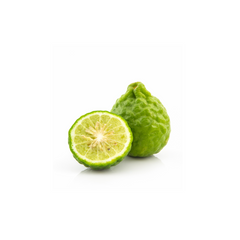
The citruses with sugar accord is a modern construct, blending natural citrus essential oils with synthetic or natural sweeteners. Citrus oils are extracted primarily from the peels of fruits in the genus Citrus (Rutaceae), including Citrus limon (lemon), Citrus sinensis (sweet orange), and Citrus paradisi (grapefruit). The dominant producing regions for citrus oils are Calabria, Italy (bergamot, ~90% of world supply), Brazil (orange, ~30% of global orange oil), and the United States (Florida, significant for grapefruit and orange oils). Extraction is performed via cold expression (mechanical pressing at ambient temperature, typically <30°C), which preserves the integrity of volatile monoterpenes like limonene and citral. Yields for cold-pressed citrus oils range from 0.2–0.5% by weight of fresh peel.
The sugar facet is most often achieved with synthetic aroma chemicals such as ethyl maltol (CAS 4940-11-8), maltol (CAS 118-71-8), and caramel lactone (gamma-nonalactone, CAS 104-61-0). These are produced via chemical synthesis, with ethyl maltol costing approximately $60–120/kg compared to $20–40/kg for natural cane sugar absolute (rarely used due to low volatility and poor solubility). The cost of natural citrus oils varies: cold-pressed bergamot oil is ~$120–180/kg, while orange oil is ~$15–25/kg. Synthetic citrus aroma chemicals (e.g., citral, CAS 5392-40-5) are used for consistency and cost control, especially in large-scale production.
Sustainability considerations include the high volume of citrus peel waste generated by the juice industry, which is repurposed for essential oil extraction. Synthetic sweeteners reduce pressure on agricultural sugarcane and beet resources. The citruses with sugar accord is not subject to IFRA restrictions beyond the individual citrus components, which may be limited due to phototoxicity (bergapten in bergamot, <0.4% in finished product).
Famous Fragrances That Define Citruses with Sugar in Perfumery
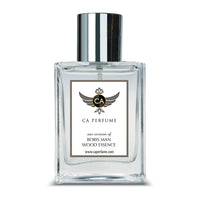
The citruses with sugar accord has become increasingly prominent in modern perfumery, particularly in the citrus-gourmand and fresh categories. Notable examples include Fresh Sugar Lemon Eau de Parfum (2004), which features a blend of lemon, yuzu, and mandarin over a base of caramel and sugar, creating a sparkling, lemonade-like effect. Bvlgari Man Wood Essence (2018, Alberto Morillas) utilizes a sugared citrus opening to bridge woody and aromatic notes, demonstrating the accord’s versatility as both a dominant and supporting note. Phlur Mood Ring (2024, Jérôme Epinette) is a contemporary example, with sweet orange and fruit gummy facets layered over glazed musk, producing a juicy, candied citrus effect.
Other significant fragrances include Clean Sparkling Sugar (2023), which pairs synthetic lemon and sugar for a crystalline, effervescent top note, and Disney Pixie Dust (2013), which uses a candied citrus accord to evoke a playful, youthful character. In niche perfumery, Moriki Doriki Lana La-La and Le Falconé Perfumes Shouq employ sugared citrus notes as a foundation for woody, powdery, and sweet compositions. CA Perfume’s collection draws inspiration from this lineage, offering HumanSafe™-verified fragrances that explore the interplay of citrus brightness and gourmand sweetness.
Natural vs Synthetic Citruses with Sugar in Perfumery
Natural citruses with sugar accords rely on cold-pressed citrus essential oils and natural sweeteners such as cane sugar absolute or honey absolute, but these are rarely used due to low volatility and instability. Synthetic versions utilize aroma molecules like limonene (CAS 138-86-3), citral (CAS 5392-40-5), and ethyl maltol (CAS 4940-11-8) to recreate the bright, juicy, and sweet facets with greater stability and consistency. Synthetic citruses with sugar accords are favored for their longevity, diffusion, and batch-to-batch uniformity, as natural citrus oils oxidize rapidly and can cause skin sensitization.
Performance-wise, synthetic accords typically last 2–4 hours as a top note, with the sugar component (ethyl maltol, caramel lactone) providing a soft, lingering sweetness that extends the citrus impression. Cost is a major differentiator: natural cold-pressed citrus oils can cost $15–180/kg, while synthetic citral and ethyl maltol are $10–120/kg, allowing for more affordable and reproducible fragrance profiles. Notable fragrances using synthetic sugared citrus accords include Phlur Mood Ring (2024, Jérôme Epinette), which employs a fruit gummy and sweet orange accord, and Clean Sparkling Sugar (2023), where synthetic lemon and sugar notes are layered for a crystalline effect.
Sustainability and supply chain transparency are enhanced by the use of synthetic aroma chemicals, which reduce agricultural land use and allow for HumanSafe™ platform verification. CA Perfume prioritizes HumanSafe™-verified ingredients, ensuring traceability and compliance with IFRA and EU allergen regulations. Key aroma chemicals in synthetic citruses with sugar accords include limonene, citral, ethyl maltol, and maltol.