Ingredient Guide · Citrus Aromatic
Citrus Aromatic Family · Perfumery Note

Citron

Dry, resinous, and sharply aromatic — the citrus architect.

Citron is a citrus top note in perfumery, known for its dry, rind-like, slightly resinous scent and structural sharpness. Its primary aroma compounds include limonene and citral, used at 1–3% in compositions for a crisp, lasting opening.

Citron
Ingredient Profile

Citron

Citrus Aromatic Family
Family Citrus Aromatic
Note Position Top Note
Usage Level 1–3% in formula
Key Origins Italy, France, China
Iconic In Chance Eau Fraîche, Eau de Citron Noir
The Ingredient

What does Citron smell like and why is it prized in perfumery?

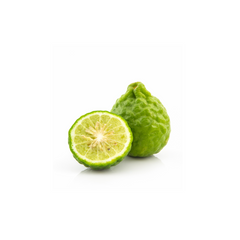
Citron (Citrus medica) is a citrus fruit whose essential oil is extracted primarily from the thick, aromatic rind. What does citron smell like? Its scent profile is dry, rind-like, and slightly resinous, with a sharp, almost woody freshness distinct from the juicier, sweeter character of lemon or orange. The primary aroma molecules responsible are limonene (C10H16), which imparts a zesty, terpene-driven brightness, and citral (C10H16O), which adds a lemony, aldehydic sharpness. Trace compounds such as γ-terpinene and β-pinene contribute to its subtle green and woody nuances. Unlike other citrus oils, citron’s low juice content means the rind dominates the olfactory signature, resulting in a scent that is more structural and less overtly fruity. In perfumery, citron is classified as a top note, owing to its high volatility and rapid evaporation rate. It is typically used at concentrations of 1–3% in the overall formula, providing an immediate, crisp opening that quickly diffuses but leaves a clean, aromatic impression. Citron in perfumery is valued for its ability to add clarity and lift to complex compositions, especially in the hesperidic (citrus) and aromatic families. Its molecular volatility means it interacts strongly with skin chemistry: on warmer, more acidic skin, citron’s aldehydic facets become more pronounced, while on cooler, drier skin, the resinous and woody undertones are more apparent. Notable fragrances that exemplify the citron scent profile include Chanel Chance Eau Fraîche (2007, Jacques Polge), where citron is paired with cedar and jasmine for a sparkling, woody-citrus effect, and Hermès Eau de Citron Noir (2018, Christine Nagel), which uses citron as a dry, smoky citrus top note over black lime and woods. In Louis Vuitton Imagination (2021, Jacques Cavallier-Belletrud), citron is layered with orange, ginger, and black tea for a modern, radiant freshness. These examples illustrate citron’s versatility as both a dominant and supporting note in contemporary perfumery.

1–3% in formula
Citron oil is typically used at 1–3% of the total fragrance formula, balancing brightness with stability and minimizing sensitization risk.
15–30 minutes
The top note effect of citron lasts 15–30 minutes on skin, after which supporting notes and fixatives become dominant.
<2% IFRA limit
Current IFRA guidelines restrict citron oil to less than 2% in leave-on products due to potential skin sensitization from limonene and citral.
Origin & Extraction

Where Citron Comes From — Origin & Extraction

Citron’s aromatic profile is shaped by the terroir of Mediterranean regions, where volcanic soils, high sunlight, and coastal humidity yield rinds rich in limonene and citral. These factors contribute to the dry, resinous, and complex scent that distinguishes Mediterranean citron from Asian varieties.

Citron (Citrus medica) is one of the oldest cultivated citrus species, native to the Himalayan foothills of India and now grown throughout the Mediterranean basin, including southern Italy (notably Calabria and Sicily), Corsica, and parts of China. The fruit is characterized by its thick, bumpy rind and minimal juice content. Annual global production is relatively small compared to other citrus fruits, with Italy and Corsica together accounting for approximately 60–70% of citron used in perfumery. The primary extraction method for citron essential oil is cold expression (mechanical pressing) of the fresh rind at temperatures below 30°C, which preserves the volatile terpenes and aldehydes responsible for its aromatic sharpness. Yields are low: approximately 0.5–1.5% oil by weight of fresh rind. Solvent extraction is rarely used due to the low oil content and the risk of altering the delicate top notes. The resulting oil is pale yellow, with a density of 0.85–0.87 g/cm³ and a refractive index of 1.470–1.480. Natural citron oil is significantly more expensive than common citrus oils, with prices ranging from $350–600/kg, compared to $25–50/kg for lemon oil. Synthetic substitutes (see below) are used to reduce cost and improve batch consistency. Sustainability concerns are moderate: citron is not endangered, but its limited cultivation and manual harvesting (to avoid rind damage) restrict large-scale expansion. Organic and PDO-certified citron is produced in Calabria (Diamante citron) and Corsica (Corsican citron), both prized for their aromatic intensity and purity.

IT

Italy

Calabria’s Diamante region produces PDO-certified citron with thick, aromatic rinds and high limonene content. Annual production is under 1,000 metric tons, with manual harvesting ensuring minimal rind damage and maximum oil yield.

FR

France

Corsica’s Cap Corse region is renowned for its Corsican citron, noted for its intense, resinous aroma and slightly floral undertones. Production is limited, with a focus on organic and artisanal methods.

CN

China

Yunnan and Sichuan provinces cultivate citron for both culinary and aromatic uses. Chinese citron tends to be less resinous and more floral, with a lighter limonene profile. Production is primarily for domestic markets.

IN

India

Northeast India (Assam, Meghalaya) is the ancestral home of Citrus medica, where wild and cultivated varieties are grown. Indian citron is used locally for ritual and culinary purposes, with minimal export for perfumery.

Chemistry

Natural vs Synthetic Citron in Perfumery

Natural citron oil consists primarily of limonene (CAS 138-86-3), citral (CAS 5392-40-5), and minor terpenes such as γ-terpinene and β-pinene. Synthetic versions typically use a blend of nature-identical limonene, citral, and aldehyde C-8 (octanal, CAS 124-13-0) to replicate the dry, rind-like sharpness of natural citron. Synthetic citron offers greater stability, batch consistency, and lower allergenicity, with costs around $40–80/kg versus $350–600/kg for natural oil. Performance-wise, synthetic citron maintains top note brightness for longer due to reduced photodegradation and oxidation, but may lack the subtle resinous and woody undertones of the natural extract. Notable fragrances using synthetic or hybrid citron include Tom Ford Eau de Soleil Blanc (2025), where synthetic citron is paired with musks and coconut, and Clean Reserve Citron Fig (2016), which uses a blend of natural and synthetic citrus molecules for longevity. From a sustainability perspective, synthetics reduce pressure on limited citron orchards and minimize the risk of overharvesting. The HumanSafe™ platform at CA Perfume ensures full transparency on the origin and safety profile of both natural and synthetic citron, allowing for informed, responsible formulation. Three key aroma chemicals for synthetic citron construction are limonene, citral, and octanal.

Natural
Citron Absolute
Cost $3,000–6,000/kg
Method Solvent / CO₂
Character Complex, variable
vs
Synthetic
Safranal & Analogues
Cost $50–200/kg
Method Lab synthesis
Character Consistent, stable
Hall of Fame

Famous Fragrances That Define Citron in Perfumery

2007
dominant note

Chance Eau Fraîche

Chanel
by Jacques Polge
cedarjasmineamberteak wood
2018
dominant note

Eau de Citron Noir

Hermès
by Christine Nagel
black limesmokewoods
2021
dominant note

Imagination

Louis Vuitton
by Jacques Cavallier-Belletrud
orangegingerblack teaambroxan
2006
accent

Blu Mediterraneo Fico di Amalfi

Acqua di Parma
figjasminecedarwood
2019
bridge note

Safran Colognise

Nishane
saffrongrapefruitmusk

Citron has played a defining role in both classic and contemporary perfumery, particularly in the construction of sparkling, modern citrus compositions. One of the most iconic uses is in Chanel Chance Eau Fraîche (2007, Jacques Polge), where citron provides a crisp, luminous top note that bridges green florals and woody musks. Hermès Eau de Citron Noir (2018, Christine Nagel) explores the smoky, resinous facets of citron, pairing it with black lime and woods for a dry, mineral effect. Louis Vuitton Imagination (2021, Jacques Cavallier-Belletrud) features citron as a radiant, zesty opener, layered with orange, ginger, and black tea for a nuanced, contemporary freshness. Other notable fragrances include Acqua di Parma Blu Mediterraneo Fico di Amalfi (2006), where citron is blended with fig and jasmine for a Mediterranean freshness, and Nishane Safran Colognise (2019), which uses citron in a modern cologne structure alongside saffron and musk. In each of these, citron functions as either a dominant note (top note), a bridge between citrus and floral or woody elements, or an accent that sharpens and clarifies the composition. CA Perfume’s collection draws inspiration from this lineage, offering both pure-citron and layered citrus-woody interpretations.

The Accord

How is a captivating Citron accord crafted?

A classic citron accord balances dry, resinous sharpness with aromatic and woody undertones. Typical proportions: Citron 25–30%, Bergamot 20–25%, Cedarwood 20–25%, Jasmine 25–30%. Citron provides the structural, rind-like freshness, while bergamot adds green-floral lift via linalyl acetate. Cedarwood anchors the accord with sesquiterpene-driven dryness, and jasmine introduces indole and linalool, smoothing the citrus edge and enhancing diffusion.

30%

Citron

25–30% of blend

Citron delivers a dry, resinous, and sharp citrus profile, dominated by limonene and citral, forming the structural backbone of the accord.

25%

Bergamot

20–25% of blend

Bergamot introduces green and floral facets through linalyl acetate and linalool, enhancing the complexity and longevity of the citrus opening.

25%

Cedarwood

20–25% of blend

Cedarwood provides a dry, woody base with sesquiterpenes that stabilize volatile citrus molecules, extending the accord’s presence.

30%

Jasmine

25–30% of blend

Jasmine’s indole and linalool smooth citron’s sharpness and add a subtle floral diffusion, creating a seamless transition from citrus to heart notes.

The Olfactory Layers

How Citron Evolves on Skin

Citron’s olfactory evolution is rapid and linear: high-volatility terpenes like limonene and citral dominate the first 10–20 minutes, delivering a sharp, dry freshness. As these evaporate, subtle woody and resinous undertones persist, supported by fixatives in the base.

I
Top notes
0–15 min
Dry Citrus Burst

The opening is dominated by limonene and citral, producing a dry, sharp, and slightly resinous citrus burst. These molecules evaporate quickly, creating an immediate sense of freshness and clarity that defines the first impression.

dry citrussharpresinous
II
Heart notes
20–60 min
Green Woody Transition

As the top notes dissipate, minor terpenes (γ-terpinene, β-pinene) and floral traces emerge, lending a green, slightly woody character. The transition is seamless, with citron’s sharpness mellowed by supporting florals or herbs.

greenwoodyaromatic
III
Base notes
Several hours
Resinous Clean Finish

Citron’s base is subtle, often relying on fixatives like cedarwood, musk, or amber to prolong its presence. The drydown is clean, with faint resinous and woody nuances lingering after the citrus has faded.

cleanwoodysubtle
TOP NOTES Dry Citrus Burst 0–15 minutes HEART NOTES Green Woody Transition 20–60 minutes BASE NOTES Resinous Clean Finish Several hours
Through the Ages

The Story of Citron in Perfumery

Citron’s journey in perfumery spans from ancient ritual use to modern niche fragrances, reflecting shifts in extraction technology and olfactory fashion.

Antiquity

Citron in Ancient Rituals

Citron (Citrus medica) is cultivated in India and Persia for ceremonial and medicinal purposes, prized for its aromatic rind and symbolic value.

10th Century

Citron Arrives in the Mediterranean

Arab traders introduce citron to southern Italy and the Mediterranean, where it becomes integral to culinary and aromatic traditions.

18th Century

Citron in Classic Eau de Cologne

Citron is used in early eau de cologne formulas alongside lemon, bergamot, and orange, providing structural sharpness and freshness.

2007

Chanel Chance Eau Fraîche Launches

Jacques Polge’s composition brings citron to the forefront of modern perfumery, pairing it with woods and florals for a luminous, contemporary effect.

2018–2021

Citron in Modern Niche Perfumes

Hermès Eau de Citron Noir and Louis Vuitton Imagination showcase citron’s versatility, from smoky-dry to radiant-fresh interpretations.

The Art of Layering

How to Layer Citron

Understanding how to layer citron is key to maximizing its impact. At the molecular level, citron’s limonene and citral interact synergistically with woods, musks, and florals, creating a balanced, long-lasting effect.

01

Enhance Longevity

Layer citron with woody notes like cedarwood or sandalwood. The sesquiterpenes in woods slow the evaporation of citron’s volatile terpenes, extending the citrus freshness. Chanel Chance Eau Fraîche demonstrates this pairing with citron and cedar.

02

Add Floral Softness

Pair citron with jasmine or neroli. Shared molecules like linalool and indole create a seamless transition from sharp citrus to soft floral, as seen in Acqua di Parma Fico di Amalfi, where citron and jasmine blend for a Mediterranean effect.

03

Boost Cleanliness

Combine citron with musk or aquatic notes. Synthetic musks (e.g., galaxolide) mask the sharp threshold of citron, resulting in a clean, airy finish. Louis Vuitton Imagination layers citron with musks and tea for a modern, transparent sillage.

Wear It Right

How to Wear Citron Like a Pro

Seasonal Guide

Fall & Winter

In cooler temperatures, citron’s projection is reduced as evaporation slows. Pair with woody or amber bases to anchor the citrus and add warmth. Apply to pulse points under clothing for subtle diffusion.

Spring

Spring’s moderate humidity enhances citron’s freshness without overwhelming volatility. Layer with green or floral notes for a balanced, uplifting effect. Apply to wrists and neck for a crisp, energizing sillage.

Summer

High heat and humidity amplify citron’s brightness but also accelerate its evaporation. Use in lighter concentrations (EDT, cologne), reapply as needed, and consider layering with aquatic or musky notes for longevity.

Year-Round Tip

To extend citron’s presence in any season, layer with matching lotions or use as a top note over a fixative-rich base. Avoid direct sun exposure after application, as citrus oils can increase photosensitivity.

Application Points

Strategic application maximizes citron’s fleeting freshness and ensures balanced diffusion.

1

Neck

Applying citron to the neck leverages body heat for rapid diffusion, intensifying the initial citrus burst. Best for immediate freshness but expect a shorter lifespan.

2

Behind the Ears

This area is slightly cooler, slowing evaporation and allowing citron’s top notes to linger a bit longer. Ideal for subtle, close-range projection.

3

Inner Wrists

Pulse points on the wrists provide warmth and movement, enhancing citron’s opening but also leading to faster fade. Reapply throughout the day for sustained freshness.

4

Hair

Spraying citron-based fragrance on hair or clothing extends its presence, as fibers retain volatile molecules longer than skin. Avoid direct application of pure oil to prevent dryness.

Pro Tip

Layer citron with a base of unscented lotion or a fixative-rich fragrance to anchor its volatility and prolong the citrus effect.

Mood Architecture™

Top Citron Fragrances by Mood Score

These Citron-based fragrances scored highest on the MEI™ Mood Architecture Framework — measuring how a scent may influence your emotional state.

Highest MEI Score
Britannian — Britannia Alternative Perfume
8.87
MEI™
Primary Romantic
Secondary Confident
Confidence
8.33
Presence
8.68
Mood Lift
9.5
Identity
9.09
Warmth
9.5
Social Ease
9.24
Energy
4.3
" I am beautiful.
View full mood profile →
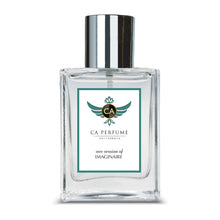
Imaginaire — Louis Vuitton Imagination Alternative Cologne
7.1
MEI™
Primary Fresh
Secondary Energizing
Confidence
6.68
Presence
6.6
Mood Lift
8.12
Identity
6.4
Warmth
6.51
Social Ease
7.62
Energy
5.6
" I am radiant.
View full mood profile →
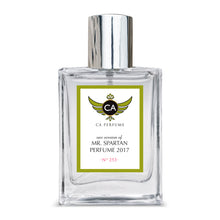
Mr. Spartan Perfume 2017 — Eau Sauvage Parfum 2017 Alternative Cologne
6.48
MEI™
Primary Fresh
Secondary Confident
Confidence
6.25
Presence
6.5
Mood Lift
7.33
Identity
5.96
Warmth
6.16
Social Ease
6.58
Energy
3.8
" I am radiant.
View full mood profile →
Blu Mediterraneo Bergamotto — Acqua Di Parma Blu Mediterraneo Bergamotto Alternative Perfume
5.46
MEI™
Primary Fresh
Secondary Energizing
Confidence
5.2
Presence
5.13
Mood Lift
6.43
Identity
4.63
Warmth
5.18
Social Ease
5.51
Energy
3.9
" I am free.
View full mood profile →
HumanSafe™

Top Citron Fragrances by HumanSafe™ Score

These Citron-based fragrances have the highest product-level HumanSafe™ scores in this ingredient collection.

Highest HumanSafe™ Score
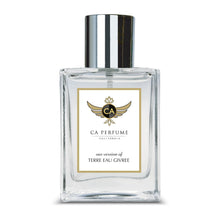
Terre Eau Givree — Terre D' Hermes Eau Givree Alternative Cologne
A-
HumanSafe™ Score Generally Safe
Safest Evaluated Ingredients EDP
AQUA Solvent / Carrier ISS 10.0
CITRAL Evaluated ingredient ISS 8.0
2-HEXENE, 6,6-DIMETHOXY-2,5,5-TRIMETHYL- Evaluated ingredient ISS 8.0
LINALYL ACETATE Evaluated ingredient ISS 7.0
CITRONELLOL Evaluated ingredient ISS 7.0
View full safety profile →
Mr. Spartan Perfume 2017 — Eau Sauvage Parfum 2017 Alternative Cologne
A-
HumanSafe™ Score Generally Safe
Safest Evaluated Ingredients EDP
AQUA Solvent / Carrier ISS 10.0
7-OCTEN-2-OL, 2,6-DIMETHYL- Evaluated ingredient ISS 9.0
2H-1-BENZOPYRAN-2-ONE Evaluated ingredient ISS 8.0
2-HEXENE, 6,6-DIMETHOXY-2,5,5-TRIMETHYL- Evaluated ingredient ISS 8.0
LINALYL ACETATE Evaluated ingredient ISS 7.0
LINALOOL Evaluated ingredient ISS 7.0
View full safety profile →
Imaginaire — Louis Vuitton Imagination Alternative Cologne
A-
HumanSafe™ Score Generally Safe
Safest Evaluated Ingredients EDP
AQUA Solvent / Carrier ISS 10.0
1,4-DIOXACYCLOHEPTADECANE-5,17-DIONE Evaluated ingredient ISS 10.0
2,6-OCTADIEN-1-OL, 3,7-DIMETHYL-, ACETATE, (Z)- Evaluated ingredient ISS 9.0
AMBERKETAL Evaluated ingredient ISS 8.0
2H-1-BENZOPYRAN-6-OL, 3,4-DIHYDRO-2,5,7,8- Evaluated ingredient ISS 8.0
2H-1-BENZOPYRAN-2-ONE Evaluated ingredient ISS 8.0
View full safety profile →
Britannian — Britannia Alternative Perfume
A-
HumanSafe™ Score Generally Safe
Safest Evaluated Ingredients EDP
AQUA Solvent / Carrier ISS 10.0
AMBROXIDE Evaluated ingredient ISS 9.0
3-BUTEN-2-ONE, 3-METHYL-4-(2,6,6-TRIMETHYL-2- Evaluated ingredient ISS 8.0
LINALYL ACETATE Evaluated ingredient ISS 7.0
View full safety profile →
Expert Voices

What Masters Say About Citron

"Citron is the citrus architect — its dry, resinous sharpness gives structure and clarity to a composition, unlike the juicier, sweeter citrus notes."
CA Perfume Editorial
"In Chance Eau Fraîche, citron is the luminous thread that ties together woods and florals, creating a sparkling, modern freshness."
CA Perfume Editorial
Common Questions

Frequently Asked Questions

Detailed answers to common questions about citron in perfumery.

Citron in perfume smells dry, rind-like, and slightly resinous, with a sharp, clean citrus freshness. Unlike lemon or orange, citron’s scent is less juicy and more structural, dominated by limonene and citral. It is often described as having a woody, aromatic edge that provides clarity and lift to the top notes of a fragrance. Notable examples include Chanel Chance Eau Fraîche and Hermès Eau de Citron Noir, where citron delivers a crisp, luminous opening.

Citron is classified as a top note due to its high volatility and rapid evaporation. Its primary aroma molecules, limonene and citral, evaporate quickly, making citron most noticeable in the first 15–30 minutes after application. It is rarely used as a base note, as its scent does not persist long enough to anchor a composition.

Citron is favored in niche perfumery for its ability to impart a dry, sophisticated citrus freshness that differs from the sweeter, more common citrus notes. Its structural sharpness and resinous undertones make it ideal for modern, minimalist, or unisex compositions. Niche brands use citron to create a distinctive, clean opening that stands out from mainstream citrus blends.

Citron fragrance uses often involve pairing with woods (cedarwood, sandalwood), florals (jasmine, neroli), and musks. These combinations balance citron’s sharpness and extend its presence. For example, pairing with cedarwood stabilizes the volatile citrus molecules, while jasmine or neroli smooth the transition to heart notes.

Citron is especially well-suited for summer and hot weather due to its bright, refreshing character and rapid evaporation. Its volatility means it projects well in heat but may require reapplication. In cooler weather, layering with woods or musks can help retain its freshness.

The top note effect of citron lasts 15–30 minutes on skin, after which supporting notes and fixatives become dominant. Longevity can be extended by layering with matching lotions or using fixative-rich bases, but citron’s natural volatility limits its persistence.

Yes, citron is highly layerable. It pairs well with woody, floral, and musky fragrances. Layering citron with woods slows evaporation, while florals add softness and musks enhance cleanliness. This technique is used in fragrances like Chanel Chance Eau Fraîche and Acqua di Parma Fico di Amalfi.

Recommended entry points include Chanel Chance Eau Fraîche, Hermès Eau de Citron Noir, and Acqua di Parma Blu Mediterraneo Fico di Amalfi. These fragrances showcase citron’s dry, fresh character in accessible, well-balanced compositions.

Consider your preferred style: for pure citrus freshness, select a citron-dominant fragrance; for more complexity, choose blends with woods, florals, or musks. CA Perfume’s collection offers both single-note and layered options, all HumanSafe™ verified for ingredient transparency.

Citron is primarily sharp and dry, with little sweetness compared to orange or mandarin. Its scent is defined by rind-like, resinous, and woody facets, making it ideal for those seeking a clean, sophisticated citrus note rather than a sweet, juicy effect.

Citrus Aromatic Collection

Explore Our Top Citron Fragrances

Discover CA Perfume’s curated selection of citron-based fragrances, from pure citrus to complex aromatic blends, all HumanSafe™ verified for quality and safety.

Shop all citron fragrances at CA Perfume →

Where Citron Comes From — Origin & Extraction

Citron (Citrus medica) is one of the oldest cultivated citrus species, native to the Himalayan foothills of India and now grown throughout the Mediterranean basin, including southern Italy (notably Calabria and Sicily), Corsica, and parts of China. The fruit is characterized by its thick, bumpy rind and minimal juice content. Annual global production is relatively small compared to other citrus fruits, with Italy and Corsica together accounting for approximately 60–70% of citron used in perfumery. The primary extraction method for citron essential oil is cold expression (mechanical pressing) of the fresh rind at temperatures below 30°C, which preserves the volatile terpenes and aldehydes responsible for its aromatic sharpness. Yields are low: approximately 0.5–1.5% oil by weight of fresh rind. Solvent extraction is rarely used due to the low oil content and the risk of altering the delicate top notes. The resulting oil is pale yellow, with a density of 0.85–0.87 g/cm³ and a refractive index of 1.470–1.480. Natural citron oil is significantly more expensive than common citrus oils, with prices ranging from $350–600/kg, compared to $25–50/kg for lemon oil. Synthetic substitutes (see below) are used to reduce cost and improve batch consistency. Sustainability concerns are moderate: citron is not endangered, but its limited cultivation and manual harvesting (to avoid rind damage) restrict large-scale expansion. Organic and PDO-certified citron is produced in Calabria (Diamante citron) and Corsica (Corsican citron), both prized for their aromatic intensity and purity.

Famous Fragrances That Define Citron in Perfumery

Citron has played a defining role in both classic and contemporary perfumery, particularly in the construction of sparkling, modern citrus compositions. One of the most iconic uses is in Chanel Chance Eau Fraîche (2007, Jacques Polge), where citron provides a crisp, luminous top note that bridges green florals and woody musks. Hermès Eau de Citron Noir (2018, Christine Nagel) explores the smoky, resinous facets of citron, pairing it with black lime and woods for a dry, mineral effect. Louis Vuitton Imagination (2021, Jacques Cavallier-Belletrud) features citron as a radiant, zesty opener, layered with orange, ginger, and black tea for a nuanced, contemporary freshness. Other notable fragrances include Acqua di Parma Blu Mediterraneo Fico di Amalfi (2006), where citron is blended with fig and jasmine for a Mediterranean freshness, and Nishane Safran Colognise (2019), which uses citron in a modern cologne structure alongside saffron and musk. In each of these, citron functions as either a dominant note (top note), a bridge between citrus and floral or woody elements, or an accent that sharpens and clarifies the composition. CA Perfume’s collection draws inspiration from this lineage, offering both pure-citron and layered citrus-woody interpretations.

Natural vs Synthetic Citron in Perfumery

Natural citron oil consists primarily of limonene (CAS 138-86-3), citral (CAS 5392-40-5), and minor terpenes such as γ-terpinene and β-pinene. Synthetic versions typically use a blend of nature-identical limonene, citral, and aldehyde C-8 (octanal, CAS 124-13-0) to replicate the dry, rind-like sharpness of natural citron. Synthetic citron offers greater stability, batch consistency, and lower allergenicity, with costs around $40–80/kg versus $350–600/kg for natural oil. Performance-wise, synthetic citron maintains top note brightness for longer due to reduced photodegradation and oxidation, but may lack the subtle resinous and woody undertones of the natural extract. Notable fragrances using synthetic or hybrid citron include Tom Ford Eau de Soleil Blanc (2025), where synthetic citron is paired with musks and coconut, and Clean Reserve Citron Fig (2016), which uses a blend of natural and synthetic citrus molecules for longevity. From a sustainability perspective, synthetics reduce pressure on limited citron orchards and minimize the risk of overharvesting. The HumanSafe™ platform at CA Perfume ensures full transparency on the origin and safety profile of both natural and synthetic citron, allowing for informed, responsible formulation. Three key aroma chemicals for synthetic citron construction are limonene, citral, and octanal.