Ingredient Guide · Amber
Amber Family · Perfumery Note

Cistus Incanus

An ancient resinous note with complex floral warmth

Cistus Incanus is a warm, balsamic resin derived from the Mediterranean rock rose shrub, prized as a base note in perfumery. Its scent profile combines floral, resinous, and earthy nuances, typically used at 0.1–1% concentration for depth and longevity.

Cistus Incanus
Ingredient Profile

Cistus Incanus

Amber Family
Family Amber
Note Position Base Note
Usage Level 0.1–1%
Key Origins Greece, Turkey, Italy
Iconic In Gris Charnel Extrait, Jubilation 40 Man
The Ingredient

What does Cistus Incanus smell like and why is it so revered?

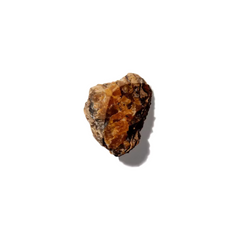
Cistus Incanus, also known as rock rose, is a flowering shrub (Cistus creticus L.) native to the Mediterranean. It yields an aromatic resin with a warm, balsamic scent profile featuring mild floral nuances, earthy undertones, and resinous depth. The key aroma compounds include labdanum-related diterpenes and sesquiterpenes that produce its characteristic warm, slightly sweet, and resinous facets. In perfumery, Cistus Incanus is classified primarily as a base note, used at typical concentrations ranging from 0.1% to 1% in fragrance compositions. It interacts with skin chemistry by providing a rich, long-lasting warmth that evolves over hours, often enhancing the longevity and sillage of oriental, amber, and woody accords. Its molecular complexity allows it to blend seamlessly with both fresh and warm notes, adding depth and a soothing yet enigmatic character. Notable fragrances featuring Cistus Incanus include BDK Parfums' Gris Charnel Extrait (2020), where it forms a resinous heart with woody and amber notes, and Amouage's Jubilation 40 Man (2011), which uses it as a rich base accent paired with frankincense and myrrh. These examples demonstrate its versatility and enduring appeal in high-end perfumery.

0.1–1%
Typical concentration range of Cistus Incanus in fragrance formulations, balancing potency and blend harmony.
3–6 hours
Average longevity of Cistus Incanus on skin, sustained by low-volatility diterpenes and sesquiterpenes.
$1,000–3,000/kg
Approximate cost range for natural Cistus Incanus essential oil, reflecting labor-intensive harvest and low yield.
Origin & Extraction

Where Cistus Incanus Comes From — Origin & Extraction

Cistus Incanus thrives in the Mediterranean basin, where the warm, dry climate and rocky, nutrient-poor soils influence the resin's aromatic profile. The sun-drenched environment enhances resin production, contributing to the warm, balsamic scent character prized in perfumery.

Cistus Incanus is derived from the rock rose shrub species Cistus creticus L., native to Mediterranean regions including Greece, Turkey, and Italy. Greece is a principal producer, where wild shrubs flourish in sun-drenched, rocky soils, producing aromatic resin prized for perfumery. Turkey and Italy also contribute significant harvests, with traditional agricultural practices emphasizing manual collection to preserve resin quality. Extraction of Cistus Incanus typically involves steam distillation of the plant's leaves, stems, and tops at controlled temperatures below 100°C to preserve delicate aromatic compounds. The yield of essential oil is relatively low, approximately 0.1–0.3% by weight of fresh plant material. Solvent extraction is less common but used to produce absolute forms with richer, more complex profiles. Natural Cistus Incanus essential oil costs approximately $1,000–$3,000 per kilogram, reflecting labor-intensive harvesting and low yields. Synthetic substitutes are available but differ in complexity. Sustainability efforts focus on wild population management and organic cultivation to ensure long-term supply and ecological balance.

GR

Greece

Wild-growing Cistus Incanus in sun-drenched regions of Crete and mainland Greece produce high-quality resin. The rocky, calcareous soils and Mediterranean climate yield a resin with pronounced balsamic and floral notes. Greece is a leading producer, supplying approximately 40% of the market.

TR

Turkey

In Turkey's Aegean region, Cistus Incanus is traditionally harvested from wild shrubs. The resin here is noted for its rich, warm scent with herbal undertones, reflecting the local soil composition and climate. Turkish harvests account for about 30% of global supply.

IT

Italy

Italy cultivates Cistus Incanus primarily in Sardinia and Sicily, where the Mediterranean climate and volcanic soils impart a slightly sweeter, softer resin aroma. Italian production focuses on artisanal extraction for luxury perfumery, representing roughly 20% of supply.

Chemistry

Natural vs Synthetic Cistus Incanus in Perfumery

Natural Cistus Incanus essential oil is steam-distilled from the Mediterranean rock rose shrub, yielding a complex aromatic profile with warm, balsamic, floral, and resinous notes. Key natural compounds include labdanum diterpenes and sesquiterpenes, which contribute to its rich, long-lasting scent. Synthetic alternatives often use aroma chemicals such as ambroxan (CAS 6790-58-5), iso e super (CAS 54464-57-2), and cashmeran (CAS 5413-60-5) to mimic the warm, woody, and ambery facets of Cistus Incanus. These synthetics offer greater consistency, enhanced longevity, and lower cost (approximately $100–$300/kg) compared to natural oils, which can cost up to $3,000/kg. Performance-wise, natural Cistus Incanus provides a nuanced, evolving scent with subtle complexity, while synthetics deliver stronger projection and stability but lack some of the natural depth. Famous fragrances like BDK Parfums' Gris Charnel use natural Cistus, whereas some designer fragrances may rely on synthetics for cost and consistency. CA Perfume values transparency through the HumanSafe™ platform, offering detailed ingredient sourcing and safety data to inform consumers about natural and synthetic ingredient use.

Natural
Cistus Incanus Absolute
Cost $3,000–6,000/kg
Method Solvent / CO₂
Character Complex, variable
vs
Synthetic
Safranal & Analogues
Cost $50–200/kg
Method Lab synthesis
Character Consistent, stable
Hall of Fame

Famous Fragrances That Define Cistus Incanus in Perfumery

2020
dominant note

Gris Charnel Extrait

BDK Parfums
woody notesamberspices
2011
supporting note

Jubilation 40 Man

Amouage
by Christopher Chong
frankincensemyrrhamber
2019
accent

De Los Santos

Byredo
neroliorange blossomjasmine
2017
bridge note

Sweetie Aoud

Roja Dove
oudroseamber
2018
base note

Hommage à l'Homme Eau de Toilette

Lalique
resinswoodsamber

Cistus Incanus has been embraced by niche and luxury perfumers for its warm, resinous character and versatility. BDK Parfums' Gris Charnel Extrait (2020) uses Cistus as a dominant note, creating a rich, ambery heart combined with woody and spicy accords. Amouage's Jubilation 40 Man (2011), crafted by perfumer Christopher Chong, features Cistus Incanus as a supporting note, blending it with frankincense and myrrh to evoke a complex oriental aura. Byredo's De Los Santos (2019) employs Cistus Incanus as an accent within a floral and citrus framework, highlighting its ability to add depth without overpowering. Roja Dove's Sweetie Aoud (2017) uses it as a bridge note, balancing oud and floral elements. Lalique's Hommage à l'Homme Eau de Toilette (2018) incorporates Cistus for its warm, resinous base, enhancing longevity and richness. These fragrances illustrate Cistus Incanus's role in contemporary perfumery, bridging tradition and modernity. CA Perfume's collection honors this lineage by offering fragrances that showcase Cistus's complex warmth and resinous elegance.

The Accord

How is a captivating Cistus Incanus accord crafted?

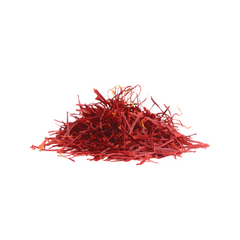
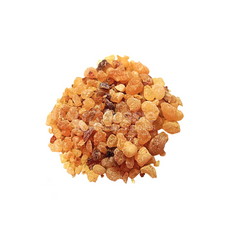
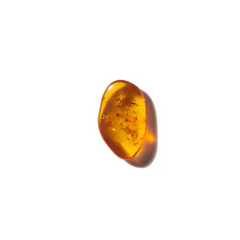
A well-balanced Cistus Incanus accord blends 30-35% Cistus Incanus absolute for its warm, balsamic resinous core. 20-25% saffron introduces a warm, slightly metallic nuance that complements the resinous facets. 20-25% benzoin adds a sweet, creamy balsamic layer, enhancing smoothness and depth. 20-25% myrrh contributes smoky, resinous complexity, enriching the accord's oriental character. Each component is selected for molecular synergy: saffron's safranal bridges with Cistus's diterpenes, benzoin's benzoic acid esters soften resin sharpness, and myrrh's furanosesquiterpenes add smoky warmth.

35%

Cistus Incanus

30–35% of blend

Provides the warm, balsamic resinous heart with complex floral and earthy undertones, rich in labdanum diterpenes.

25%

Saffron

20–25% of blend

Adds warm, metallic nuances via safranal, complementing the resinous facets of Cistus Incanus.

25%

Benzoin

20–25% of blend

Contributes sweet, creamy balsamic notes through benzoic acid esters, smoothing the accord.

25%

Myrrh

20–25% of blend

Introduces smoky, resinous complexity via furanosesquiterpenes, enriching the oriental character.

The Olfactory Layers

How Cistus Incanus Evolves on Skin

The olfactory evolution of Cistus Incanus unfolds over several hours, beginning with warm, slightly floral top facets that transition into a rich, balsamic heart. The base reveals deep resinous warmth sustained by low-volatility diterpenes and sesquiterpenes, providing lasting depth and complexity.

I
Top notes
0–15 min
Herbal Floral Warmth

Initial impressions feature mild floral and herbal nuances derived from volatile monoterpenes and sesquiterpenes. These lighter molecules evaporate quickly, imparting a fresh yet warm introduction with subtle sweetness and green hints.

Warm FloralHerbalFresh
II
Heart notes
20–60 min
Balsamic Resinous Core

The heart reveals the core balsamic and resinous character, dominated by labdanum diterpenes and sesquiterpenes. This stage balances floral warmth with earthy and slightly sweet undertones, creating a soothing, enveloping aura.

BalsamicResinousEarthy
III
Base notes
Several hours
Deep Resinous Warmth

The base is rich and long-lasting, sustained by low-volatility compounds that provide deep resinous warmth, subtle smokiness, and a creamy balsamic finish. This stage anchors the fragrance with enduring complexity and sillage.

WarmSmokyCreamy
TOP NOTES Herbal Floral Warmth 0–15 minutes HEART NOTES Balsamic Resinous Core 20–60 minutes BASE NOTES Deep Resinous Warmth Several hours
Through the Ages

The Story of Cistus Incanus in Perfumery

Cistus Incanus has a storied history in perfumery, tracing back to ancient Mediterranean civilizations where its resin was prized for fragrance and medicinal uses. Over centuries, it evolved from traditional incense to a refined perfumery ingredient, gaining prominence in modern niche and luxury compositions.

Antiquity

Ancient Use of Rock Rose Resin

Ancient Egyptians and Greeks valued the resin from rock rose shrubs (Cistus species) for incense and medicinal purposes, laying the foundation for its aromatic legacy.

Middle Ages

Medieval Perfume and Medicine

In medieval Europe, rock rose resin was incorporated into apothecary preparations and early perfumes, valued for its warm, balsamic scent and preservative properties.

19th Century

Scientific Classification and Extraction

Botanical studies classified Cistus creticus and related species, and steam distillation techniques were refined to extract essential oils from leaves and stems.

Late 20th Century

Rise in Niche Perfumery

Niche perfumers began emphasizing natural, complex ingredients like Cistus Incanus, integrating it into oriental and amber accords for depth and authenticity.

2020s

Modern Signature Fragrances

Fragrances such as BDK Parfums' Gris Charnel Extrait (2020) showcase Cistus Incanus as a dominant note, highlighting its resinous and floral complexity in contemporary luxury perfumery.

The Art of Layering

How to Layer Cistus Incanus

Understanding how to layer Cistus Incanus involves molecular compatibility with complementary notes that enhance or modulate its resinous warmth. Layering can create complex, personalized scent experiences.

01

Enhance Sweetness

Pairing Cistus Incanus with vanilla (vanillin) softens its resinous edge through olfactory masking, where vanilla's sweet threshold overrides harsher notes, creating a creamy warmth. This combination is evident in fragrances like Amouage Jubilation 40 Man.

02

Add Depth

Combining Cistus Incanus with myrrh introduces smoky, resinous furanosesquiterpenes that synergize with labdanum diterpenes, deepening the accord's oriental character. This layering is used in BDK Parfums Gris Charnel Extrait.

03

Lighten the Glow

Layering with citrus notes such as bergamot introduces high-volatility monoterpenes that brighten Cistus's warm balsamic facets, balancing heaviness and enhancing freshness. This approach is common in modern niche perfumery.

Wear It Right

How to Wear Cistus Incanus Like a Pro

Seasonal Guide

Fall & Winter

The warm, balsamic resinous facets of Cistus Incanus thrive in cooler temperatures, where lower heat reduces volatility and enhances longevity. Apply moderately for rich sillage that complements cozy seasonal attire.

Spring

Spring's moderate temperatures allow Cistus Incanus to reveal both its floral and resinous facets. Layer with fresh florals or citrus to maintain vibrancy and prevent heaviness during transitional weather.

Summer

In hot weather, Cistus Incanus's resinous warmth can become intense. Layering with lighter citrus or green notes helps maintain freshness and balance volatility, making it suitable for evening wear.

Year-Round Tip

Adjust application based on temperature and humidity: lighter sprays in heat, fuller in cold. Combining with complementary notes like bergamot or jasmine enhances versatility across seasons.

Application Points

Strategic application of Cistus Incanus on pulse points and hair maximizes its warm, resinous projection and longevity.

1

Neck

Pulse points on the neck provide warmth that enhances evaporation of Cistus Incanus's complex molecules, projecting its balsamic richness effectively.

2

Behind the Ears

Applying behind the ears allows subtle diffusion of the resinous warmth, creating an intimate aura that lingers close to the skin.

3

Inner Wrists

Wrists offer heat to activate the floral and herbal top notes, while allowing the resinous base to develop naturally over time.

4

Hair

Hair holds fragrance molecules longer, releasing Cistus Incanus's warm, balsamic scent gradually with movement, enhancing sillage.

Pro Tip

Layer Cistus Incanus with complementary lighter notes like bergamot or jasmine on clothing or skin to balance warmth and freshness.

Mood Architecture™

Top Cistus Incanus Fragrances by Mood Score

These Cistus Incanus-based fragrances scored highest on the MEI™ Mood Architecture Framework — measuring how a scent may influence your emotional state.

Highest MEI Score
Gris Chane Extrait — Gris Chanel Extrait Alternative Perfume
8.68
MEI™
Primary Romantic
Secondary Confident
Confidence
8.17
Presence
8.82
Mood Lift
9.15
Identity
8.66
Warmth
9.5
Social Ease
8.83
Energy
4.7
" I am beautiful.
View full mood profile →
De Los Santos — Byredo De Los Santos Alternative Perfume
5.86
MEI™
Primary Magnetic
Secondary Confident
Confidence
6.02
Presence
6.31
Mood Lift
6.03
Identity
6.3
Warmth
5.75
Social Ease
5.58
Energy
3.2
" I am bold.
View full mood profile →
HumanSafe™

Top Cistus Incanus Fragrances by HumanSafe™ Score

These Cistus Incanus-based fragrances have the highest product-level HumanSafe™ scores in this ingredient collection.

Highest HumanSafe™ Score
Gris Chane Extrait — Gris Chanel Extrait Alternative Perfume
A-
HumanSafe™ Score Generally Safe
Safest Evaluated Ingredients EDP
AQUA Solvent / Carrier ISS 10.0
4H-INDEN-4-ONE, 1,2,3,5,6,7-HEXAHYDRO-1,1,2,3,3- Evaluated ingredient ISS 9.0
3-BUTEN-2-ONE, 3-METHYL-4-(2,6,6-TRIMETHYL-2- Evaluated ingredient ISS 8.0
2H-1-BENZOPYRAN-2-ONE Evaluated ingredient ISS 8.0
ALPHA-CEDRENE Evaluated ingredient ISS 7.0
ALCOHOL DENAT. Solvent / Carrier ISS 7.0
View full safety profile →
De Los Santos — Byredo De Los Santos Alternative Perfume
A-
HumanSafe™ Score Generally Safe
Safest Evaluated Ingredients EDP
AQUA Solvent / Carrier ISS 10.0
4H-INDEN-4-ONE, 1,2,3,5,6,7-HEXAHYDRO-1,1,2,3,3- Evaluated ingredient ISS 9.0
2-OXABICYCLO[2.2.2]OCTANE, 1,3,3-TRIMETHYL- Evaluated ingredient ISS 9.0
5-CYCLOTETRADECEN-1-ONE, 3-METHYL-, (5E)- (9CI, ACI) Evaluated ingredient ISS 8.0
LINALYL ACETATE Evaluated ingredient ISS 7.0
LINALOOL Evaluated ingredient ISS 7.0
View full safety profile →
Expert Voices

What Masters Say About Cistus Incanus

Cistus Incanus provides a warm, balsamic resinous depth that is both soothing and complex, making it a prized ingredient in oriental and amber compositions.
CA Perfume Editorial
The distinction between cistus and labdanum lies in extraction: cistus is steam-distilled from leaves and stems, offering a lighter, sweeter profile, while labdanum is solvent-extracted resin with a darker, more animalic character.
CA Perfume Editorial
Common Questions

Frequently Asked Questions

Frequently asked questions about Cistus Incanus in perfumery.

Cistus Incanus smells warm, balsamic, and resinous with mild floral and earthy undertones. Its scent is complex and evolves from fresh herbal top notes to a deep, resinous base, often described as soothing and rich. It is used in perfumes like BDK Parfums Gris Charnel and Amouage Jubilation 40 Man to add depth and longevity.

Cistus Incanus is primarily used as a base note in perfumery. Its low-volatility compounds provide long-lasting, warm, and resinous depth that anchors a fragrance, although its lighter floral and herbal facets may be perceptible in the early heart stages.

Niche perfumers favor Cistus Incanus for its complex, natural resinous character that adds authenticity and depth to compositions. Its versatility allows it to blend with a wide range of notes, creating rich, layered fragrances that stand out from mass-market scents.

Cistus Incanus fragrance uses often include pairing with saffron, benzoin, myrrh, oud, rose, and bergamot. These combinations enhance its warm, balsamic qualities while balancing freshness and complexity, as seen in fragrances like Amouage Jubilation 40 Man and BDK Parfums Gris Charnel.

Cistus Incanus can be worn in summer, especially when layered with lighter citrus or floral notes to maintain freshness. Its warm resinous facets provide a unique twist in hot weather, but heavier applications may feel intense in high heat.

Cistus Incanus-based fragrances typically last 3 to 6 hours on the skin, with longevity supported by its low-volatility diterpenes and sesquiterpenes. Longevity can be extended when combined with fixative base notes like benzoin or myrrh.

Yes, Cistus Incanus works well for layering. It blends harmoniously with florals, spices, and woods, allowing creation of complex, personalized scent profiles. Layering with citrus or green notes can lighten its warmth for versatile wear.

For beginners, fragrances like Byredo De Los Santos and Lalique Hommage à l'Homme offer approachable introductions to Cistus Incanus, balancing its resinous warmth with fresh and floral notes for a well-rounded experience.

Selecting a Cistus Incanus fragrance at CA Perfume involves considering scent profile preferences, concentration levels, and complementary notes. The HumanSafe™ platform provides transparency on ingredient sourcing and safety to guide informed choices.

Cistus Incanus smells predominantly warm and balsamic with subtle sweetness from its resinous compounds, but it is not spicy. Its complexity arises from floral and earthy undertones rather than overt spice notes.

Amber Collection

Explore Our Top Cistus Incanus Fragrances

Discover a curated selection of fragrances featuring the warm, balsamic depth of Cistus Incanus, perfect for those seeking rich and complex scent experiences.

Shop all cistus incanus fragrances at CA Perfume →

Where Cistus Incanus Comes From — Origin & Extraction

Cistus Incanus is derived from the rock rose shrub species Cistus creticus L., native to Mediterranean regions including Greece, Turkey, and Italy. Greece is a principal producer, where wild shrubs flourish in sun-drenched, rocky soils, producing aromatic resin prized for perfumery. Turkey and Italy also contribute significant harvests, with traditional agricultural practices emphasizing manual collection to preserve resin quality. Extraction of Cistus Incanus typically involves steam distillation of the plant's leaves, stems, and tops at controlled temperatures below 100°C to preserve delicate aromatic compounds. The yield of essential oil is relatively low, approximately 0.1–0.3% by weight of fresh plant material. Solvent extraction is less common but used to produce absolute forms with richer, more complex profiles. Natural Cistus Incanus essential oil costs approximately $1,000–$3,000 per kilogram, reflecting labor-intensive harvesting and low yields. Synthetic substitutes are available but differ in complexity. Sustainability efforts focus on wild population management and organic cultivation to ensure long-term supply and ecological balance.

Famous Fragrances That Define Cistus Incanus in Perfumery

Cistus Incanus has been embraced by niche and luxury perfumers for its warm, resinous character and versatility. BDK Parfums' Gris Charnel Extrait (2020) uses Cistus as a dominant note, creating a rich, ambery heart combined with woody and spicy accords. Amouage's Jubilation 40 Man (2011), crafted by perfumer Christopher Chong, features Cistus Incanus as a supporting note, blending it with frankincense and myrrh to evoke a complex oriental aura. Byredo's De Los Santos (2019) employs Cistus Incanus as an accent within a floral and citrus framework, highlighting its ability to add depth without overpowering. Roja Dove's Sweetie Aoud (2017) uses it as a bridge note, balancing oud and floral elements. Lalique's Hommage à l'Homme Eau de Toilette (2018) incorporates Cistus for its warm, resinous base, enhancing longevity and richness. These fragrances illustrate Cistus Incanus's role in contemporary perfumery, bridging tradition and modernity. CA Perfume's collection honors this lineage by offering fragrances that showcase Cistus's complex warmth and resinous elegance.

Natural vs Synthetic Cistus Incanus in Perfumery

Natural Cistus Incanus essential oil is steam-distilled from the Mediterranean rock rose shrub, yielding a complex aromatic profile with warm, balsamic, floral, and resinous notes. Key natural compounds include labdanum diterpenes and sesquiterpenes, which contribute to its rich, long-lasting scent. Synthetic alternatives often use aroma chemicals such as ambroxan (CAS 6790-58-5), iso e super (CAS 54464-57-2), and cashmeran (CAS 5413-60-5) to mimic the warm, woody, and ambery facets of Cistus Incanus. These synthetics offer greater consistency, enhanced longevity, and lower cost (approximately $100–$300/kg) compared to natural oils, which can cost up to $3,000/kg. Performance-wise, natural Cistus Incanus provides a nuanced, evolving scent with subtle complexity, while synthetics deliver stronger projection and stability but lack some of the natural depth. Famous fragrances like BDK Parfums' Gris Charnel use natural Cistus, whereas some designer fragrances may rely on synthetics for cost and consistency. CA Perfume values transparency through the HumanSafe™ platform, offering detailed ingredient sourcing and safety data to inform consumers about natural and synthetic ingredient use.