Ingredient Guide · Spicy
Spicy Family · Perfumery Note

Cinnamon

A heart note with sweet, woody, and spicy complexity.

Cinnamon is a classic heart note in perfumery, prized for its warm, spicy, and sweet aromatic profile. Its defining quality comes from cinnamaldehyde, which can constitute up to 90% of cinnamon bark oil and is used at concentrations below 3% in fine fragrance.

Cinnamon
Ingredient Profile

Cinnamon

Spicy Family
Family Spicy
Note Position Heart Note
Usage Level <3%
Key Origins Sri Lanka, Indonesia, China
Iconic In Opium, Cinnabar
The Ingredient

What does Cinnamon smell like and why is it so significant in perfumery?

Cinnamon in perfumery is defined by its warm, spicy, and sweet scent profile, driven primarily by the molecule cinnamaldehyde (C9H8O, CAS 104-55-2), which can make up 50–90% of cinnamon bark oil. This compound imparts the familiar aroma reminiscent of baked goods, festive spices, and a comforting, nostalgic warmth. The cinnamon scent profile is further nuanced by eugenol (clove-like), coumarin (hay-like), and minor terpenes, giving it both sweet and woody undertones. In perfumery, cinnamon is typically classified as a heart note, though its volatility allows it to be perceived in the top notes of some compositions. It is used at concentrations below 3% due to its high potency and potential sensitization. Cinnamon in perfumery interacts with skin chemistry in complex ways: on acidic skin, it can become sharper and more pronounced, while on alkaline skin, its sweetness is amplified. Its tenacity and ability to bridge gourmand, woody, and spicy accords make it a versatile ingredient across fragrance families. Notable fragrances that exemplify cinnamon’s use include By Kilian Angels’ Share (2020, perfumer Benoist Lapouza), where cinnamon is paired with cognac, oak, and tonka bean to create a boozy, spicy warmth, and Paco Rabanne 1 Million (2008, perfumers Christophe Raynaud, Olivier Pescheux, Michel Girard), which uses cinnamon as a dominant note alongside blood mandarin and leather for a sweet, spicy, and sensual signature.

1–2 Sprays
Due to its high impact and potential for sensitization, 1–2 sprays are sufficient for a noticeable cinnamon presence without overwhelming the senses.
4–5 Hours
Cinnamon-based fragrances typically last 4–5 hours on skin, with longevity influenced by concentration, skin chemistry, and environmental factors.
<3%
Cinnamon is used at concentrations below 3% in fine fragrance, balancing olfactory impact with IFRA safety guidelines.
Origin & Extraction

Where Cinnamon Comes From — Origin & Extraction

Cinnamon’s scent is shaped by its geographic origin, with soil composition, rainfall, and altitude influencing aromatic intensity and sweetness. Sri Lanka’s Ceylon cinnamon is prized for its delicate, nuanced aroma, while Indonesian and Chinese varieties offer bolder, spicier profiles.

Cinnamon is derived from the inner bark of several species in the genus Cinnamomum, with Cinnamomum verum (Ceylon or 'true' cinnamon) and Cinnamomum cassia (Chinese cinnamon) being the most significant in perfumery. The primary producing countries are Sri Lanka (accounting for approximately 80% of global Ceylon cinnamon production), Indonesia, China, Vietnam, and India. Sri Lanka’s Ceylon cinnamon is considered the highest quality, with annual production exceeding 80,000 metric tons, while Indonesia and China dominate cassia cinnamon output. Harvesting involves peeling the outer bark to reveal the inner bark, which is then dried and rolled into quills. The essential oil is extracted from the dried bark using steam distillation (yielding 0.5–1% oil by weight) or solvent extraction for cinnamon absolute. Steam distillation is conducted at temperatures below 100°C to preserve cinnamaldehyde content, which can reach up to 90% in bark oil. Soxhlet extraction is also used for crude oil, followed by purification via rotary evaporation. Cinnamon absolute, preferred for fine perfumery, is often obtained using ethanol or supercritical CO2 extraction to maximize aromatic complexity and minimize thermal degradation. Natural cinnamon absolute commands a price of $3,000–6,000/kg, reflecting labor intensity and low yield. Synthetic substitutes, such as synthetic cinnamaldehyde (CAS 104-55-2), cost $50–200/kg. Sustainability concerns include overharvesting, soil depletion, and the need for fair labor practices. Cinnamomum verum is subject to geographic indication (GI) protection in Sri Lanka, and sustainable cultivation initiatives are increasingly important for both environmental and ethical reasons.

LK

Sri Lanka

The southwestern region, especially around Matara and Kandy, produces Ceylon cinnamon with a delicate, sweet, and complex aroma. Sri Lanka supplies about 80% of the world’s Ceylon cinnamon, with strict GI protections ensuring quality and authenticity.

ID

Indonesia

Sumatra and Java yield cassia cinnamon with a robust, sweet-spicy profile. Indonesian cinnamon is softer and richer, favored in perfumery for its warmth. Indonesia is the world’s second-largest producer, contributing over 40,000 metric tons annually.

CN

China

Guangxi and Yunnan provinces produce Chinese cassia, known for its intense, spicy, and slightly bitter aroma. China’s cinnamon is often used for its strength in both culinary and perfumery applications, with a market share of over 30%.

VN

Vietnam

The Quang Nam and Yen Bai regions produce Saigon cinnamon, notable for its high oil content and bold, sweet-spicy scent. Vietnam’s cinnamon is valued for its potency and is increasingly used in modern perfumery.

Chemistry

Natural vs Synthetic Cinnamon in Perfumery

Natural cinnamon oil is primarily composed of cinnamaldehyde (CAS 104-55-2), with minor constituents such as eugenol (CAS 97-53-0), cinnamyl acetate (CAS 103-54-8), and coumarin (CAS 91-64-5). Synthetic cinnamon notes are typically constructed from laboratory-produced cinnamaldehyde, as well as related molecules like cinnamyl alcohol (CAS 104-54-1) and dihydrocinnamyl alcohol (CAS 104-54-1). These synthetics offer greater consistency, stability, and safety control, with reduced allergenic variability compared to natural extracts. Natural cinnamon oil, while prized for its complexity, can vary significantly between harvests and is more prone to oxidation and batch-to-batch variability. Synthetic cinnamaldehyde provides a stable, reproducible spicy-sweet note and is widely used in mainstream perfumery for cost and performance reasons. Longevity and diffusion are generally superior in synthetic blends, with wear times of 6–12 hours compared to 2–4 hours for natural-only formulas. Notable fragrances using natural cinnamon include Guerlain Shalimar and Gres Cabochard, while Paco Rabanne 1 Million and By Kilian Angels’ Share utilize both natural and synthetic cinnamon materials. From a sustainability perspective, synthetics reduce pressure on wild and cultivated cinnamon resources, but their production requires careful supply chain oversight. CA Perfume’s HumanSafe™ platform ensures full transparency regarding the sourcing, allergen profile, and IFRA compliance of both natural and synthetic cinnamon ingredients. Three key aroma chemicals for cinnamon effects are cinnamaldehyde, eugenol, and cinnamyl alcohol.

Natural
Cinnamon Absolute
Cost $3,000–6,000/kg
Method Solvent / CO₂
Character Complex, variable
vs
Synthetic
Safranal & Analogues
Cost $50–200/kg
Method Lab synthesis
Character Consistent, stable
Hall of Fame

Famous Fragrances That Define Cinnamon in Perfumery

1977
dominant note

Opium

Yves Saint Laurent
by Jean-Louis Sieuzac
clovemyrrhpatchoulicitrus
1978
bridge note

Cinnabar

Estée Lauder
by Bernard Chant, Josephine Catapano
citruscloveambersandalwood
2008
dominant note

1 Million

Paco Rabanne
by Christophe Raynaud, Olivier Pescheux, Michel Girard
blood mandarinleatherambermint
2020
dominant note

Angels’ Share

By Kilian
by Benoist Lapouza
cognacoaktonka beanpraline
2022
dominant note

Khamrah

Lattafa Perfumes
pralinedatesvanillaamber

Cinnamon has been a cornerstone of spicy and gourmand perfumery, appearing as a dominant or accent note in many landmark fragrances. In the 1970s, Yves Saint Laurent Opium (1977, Jean-Louis Sieuzac) used cinnamon to amplify its oriental, resinous character, paired with clove, myrrh, and patchouli. Estee Lauder Cinnabar (1978, Bernard Chant, Josephine Catapano) showcased cinnamon’s ability to bridge citrus top notes and an ambery, spicy base, creating a signature warmth. Paco Rabanne 1 Million (2008, Christophe Raynaud, Olivier Pescheux, Michel Girard) brought cinnamon to a new generation, blending it with blood mandarin, leather, and amber for a sweet, spicy, and sensual effect. By Kilian Angels’ Share (2020, Benoist Lapouza) uses cinnamon as a dominant note, combined with cognac, oak, and tonka bean, resulting in a boozy, gourmand warmth. Lattafa Khamrah (2022) is a modern niche release where cinnamon is paired with praline, dates, and vanilla, demonstrating its versatility in contemporary perfumery. CA Perfume’s collection draws inspiration from this lineage, offering cinnamon-forward compositions that highlight both classic and modern uses of this note.

The Accord

How is a captivating Cinnamon accord crafted?

A cinnamon accord balances spicy, sweet, and woody notes to create a multidimensional effect. Typical proportions: Cinnamon 20–25%, Clove 10–15%, Cashmere Wood 15–20%, Amber 25–30%. Clove amplifies spice via eugenol, cashmere wood provides creamy softness through lactonic molecules, and amber deepens warmth with labdanum and vanillin derivatives. This synergy enhances cinnamon’s complexity and longevity.

25%

Cinnamon

20–25% of blend

Cinnamon supplies the core spicy-sweet character, driven by cinnamaldehyde, and forms the backbone of the accord.

15%

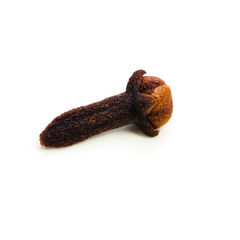
Clove

10–15% of blend

Clove introduces eugenol, which intensifies cinnamon’s spice and adds a slightly medicinal, warm nuance.

20%

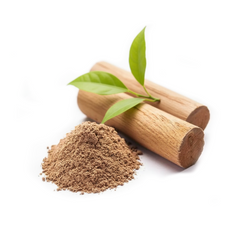
Cashmere Wood

15–20% of blend

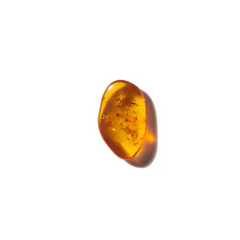
Cashmere wood’s lactonic and musky facets soften the sharpness of cinnamon, creating a creamy, enveloping base.

30%

Amber

25–30% of blend

Amber, often built from labdanum and vanillin, adds depth and fixative power, anchoring the cinnamon accord with warmth and longevity.

The Olfactory Layers

How Cinnamon Evolves on Skin

Cinnamon’s olfactory evolution unfolds over several hours. High-volatility terpenes create a fleeting spicy brightness in the top notes (0–15 minutes), while cinnamaldehyde and eugenol dominate the heart (20–60 minutes), providing warmth and sweetness. The base reveals woody, balsamic undertones as heavier molecules persist.

I
Top notes
0–15 min
Spicy Spark

Initial impressions are marked by the rapid evaporation of lighter terpenes and aldehydes, producing a sharp, spicy brightness. Subtle citrus and herbal nuances may be perceptible, but these fade quickly as more tenacious molecules emerge.

spicy-brightvolatilefleeting
II
Heart notes
20–60 min
Warm Embrace

Cinnamaldehyde and eugenol become dominant, imparting a warm, sweet, and slightly woody character. This stage is the most recognizable cinnamon scent, with a comforting, gourmand quality and moderate projection.

warm-sweetspicygourmand
III
Base notes
Several hours
Woody Softness

As the fragrance dries down, heavier molecules like coumarin and balsamic resins linger, creating a soft, woody, and subtly sweet finish. The lasting impression is cozy and enveloping, with reduced projection but notable persistence.

woody-softbalsamicpersistent
TOP NOTES Spicy Spark 0–15 minutes HEART NOTES Warm Embrace 20–60 minutes BASE NOTES Woody Softness Several hours
Through the Ages

The Story of Cinnamon in Perfumery

Cinnamon’s history in perfumery spans millennia, from ancient ceremonial uses to its modern role in spicy and gourmand fragrances.

Ancient Times

Early Use in Incense and Medicine

Cinnamon is referenced in ancient Chinese, Greek, and Middle Eastern texts as a prized aromatic and medicinal substance. It was used in incense blends and ceremonial offerings, valued for its warming, uplifting scent.

14th Century

Medieval Trade and Value

Cinnamon became a luxury commodity in medieval Europe, traded via Venetian and Arab merchants. It was considered more valuable than gold, reserved for royalty and religious rituals.

1977

Opium by Yves Saint Laurent Launches

Opium’s release marked a turning point for spicy oriental fragrances, with cinnamon as a key note, inspiring a wave of bold, resinous compositions.

2008

1 Million by Paco Rabanne Popularizes Cinnamon

This fragrance brought cinnamon to mainstream audiences, blending it with citrus, leather, and amber for a modern, sweet-spicy signature.

2020s

Niche and Gourmand Renaissance

Cinnamon is embraced in niche perfumery, featured in compositions like By Kilian Angels’ Share and Lattafa Khamrah, where it anchors boozy, gourmand, and spicy blends.

The Art of Layering

How to Layer Cinnamon

Understanding how to layer cinnamon is key to creating harmonious, multidimensional fragrances. Molecular compatibility—such as shared aldehydes or masking effects—ensures balanced blends.

01

Enhance Sweetness

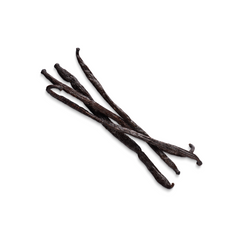
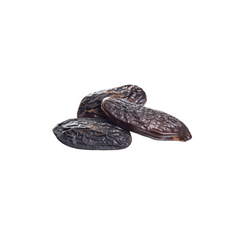
Layer cinnamon with vanilla or tonka bean. Vanillin and coumarin in these notes mask cinnamon’s sharpness, amplifying its gourmand warmth. This synergy is evident in Paco Rabanne 1 Million and Lattafa Khamrah.

02

Add Depth

Pair cinnamon with woody notes like sandalwood or cashmere wood. Lignin-derived molecules in woods create a molecular bridge, deepening cinnamon’s complexity. By Kilian Angels’ Share demonstrates this effect.

03

Brighten the Spice

Combine cinnamon with citrus (bergamot, orange) or florals (rose, jasmine). Shared aldehydes and terpenes create a lively, uplifting blend, as seen in Estée Lauder Cinnabar and YSL Opium.

Wear It Right

How to Wear Cinnamon Like a Pro

Seasonal Guide

Fall & Winter

Cooler temperatures slow the evaporation of cinnamaldehyde, allowing cinnamon’s warmth to linger and project. Apply to pulse points and under clothing for a cozy, enveloping effect. Layer with vanilla or amber for added richness.

Spring

Moderate warmth enhances cinnamon’s spicy brightness without overwhelming. Pair with citrus or floral notes for a fresh, uplifting effect. Apply lightly to avoid overpowering lighter seasonal scents.

Summer

High heat increases volatility, making cinnamon more pronounced but shorter-lived. Use sparingly, focusing on cooler areas like the inner elbows. Combine with aquatic or green notes for balance.

Year-Round Tip

Adjust application based on climate and activity. In humid conditions, cinnamon’s diffusion is amplified; in dry air, it may become softer and more intimate. Layer with complementary notes to tailor projection and longevity.

Application Points

Strategic application maximizes cinnamon’s warmth and longevity while minimizing potential irritation.

1

Neck

Pulse points on the neck generate heat, accelerating the release of cinnamon’s spicy top notes and enhancing projection.

2

Behind the Ears

This area stays warm and is less exposed to sunlight, allowing cinnamon’s heart notes to develop gradually and persistently.

3

Inner Wrists

Frequent movement and warmth from the wrists help diffuse cinnamon’s aroma, but avoid rubbing to prevent irritation and preserve scent structure.

4

Hair

Spraying on hair or a hairbrush provides a subtle, long-lasting cinnamon trail, as hair fibers retain volatile molecules effectively.

Pro Tip

Apply to fabric (scarves, cuffs) for extended diffusion, but patch test first, as cinnamon oil can stain or sensitize delicate materials.

Mood Architecture™

Top Cinnamon Fragrances by Mood Score

These Cinnamon-based fragrances scored highest on the MEI™ Mood Architecture Framework — measuring how a scent may influence your emotional state.

Highest MEI Score
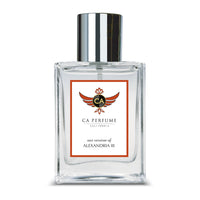
Alexandria III — Xerjoff Alexandria Iii Alternative Perfume
8.8
MEI™
Primary Confident
Secondary Magnetic
Confidence
9.14
Presence
9.27
Mood Lift
8.65
Identity
9.5
Warmth
9.5
Social Ease
8.1
Energy
5.1
" I am unstoppable.
View full mood profile →
Britannian — Britannia Alternative Perfume
8.87
MEI™
Primary Romantic
Secondary Confident
Confidence
8.33
Presence
8.68
Mood Lift
9.5
Identity
9.09
Warmth
9.5
Social Ease
9.24
Energy
4.3
" I am beautiful.
View full mood profile →
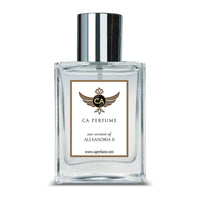
Alexandria II — Xerjoff Alexandria II Alternative Perfume
8.87
MEI™
Primary Confident
Secondary Romantic
Confidence
8.92
Presence
9.25
Mood Lift
8.91
Identity
9.23
Warmth
9.5
Social Ease
8.67
Energy
4.5
" I am unstoppable.
View full mood profile →
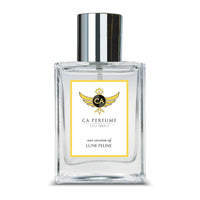
Lune Feline — Atelier Cologne Lune Feline Alternative Perfume
8.71
MEI™
Primary Romantic
Secondary Confident
Confidence
8.16
Presence
8.08
Mood Lift
9.45
Identity
8.27
Warmth
9.5
Social Ease
9.04
Energy
5.2
" I am beautiful.
View full mood profile →
HumanSafe™

Top Cinnamon Fragrances by HumanSafe™ Score

These Cinnamon-based fragrances have the highest product-level HumanSafe™ scores in this ingredient collection.

Highest HumanSafe™ Score
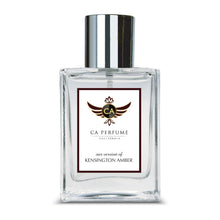
Kensington Amber — Penhaligon's Kensington Amber Alternative Perfume
A
HumanSafe™ Score Very Safe
Safest Evaluated Ingredients EDP
AQUA Solvent / Carrier ISS 10.0
1,4-DIOXACYCLOHEPTADECANE-5,17-DIONE Evaluated ingredient ISS 10.0
2H-1-BENZOPYRAN-2-ONE Evaluated ingredient ISS 8.0
LINALYL ACETATE Evaluated ingredient ISS 7.0
LINALOOL Evaluated ingredient ISS 7.0
ALPHA-CEDRENE Evaluated ingredient ISS 7.0
View full safety profile →
Young Dew — Youth Dew Alternative Perfume
A-
HumanSafe™ Score Generally Safe
Safest Evaluated Ingredients EDP
AQUA Solvent / Carrier ISS 10.0
ACETIC ACID, PHENYLMETHYL ESTER Evaluated ingredient ISS 10.0
HEPTANAL, 2-(PHENYLMETHYLENE)- Evaluated ingredient ISS 9.0
BENZYL SALICYLATE EYE IRRITATION - CAT.2B [H320] Evaluated ingredient ISS 9.0
2H-1-BENZOPYRAN-2-ONE Evaluated ingredient ISS 8.0
LINALYL ACETATE Evaluated ingredient ISS 7.0
View full safety profile →
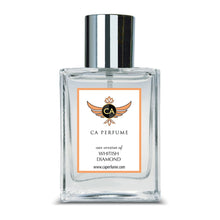
Whitish Diamond — White Diamonds Alternative Perfume
A-
HumanSafe™ Score Generally Safe
Safest Evaluated Ingredients EDP
AQUA Solvent / Carrier ISS 10.0
ACETIC ACID, PHENYLMETHYL ESTER Evaluated ingredient ISS 10.0
BENZYL SALICYLATE EYE IRRITATION - CAT.2B [H320] Evaluated ingredient ISS 9.0
OCTANAL, 2-(PHENYLMETHYLENE)- Evaluated ingredient ISS 8.0
2H-1-BENZOPYRAN-2-ONE Evaluated ingredient ISS 8.0
LINALYL ACETATE Evaluated ingredient ISS 7.0
View full safety profile →
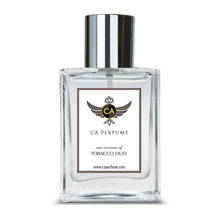
Tobacco Oud — Tom Ford Tobacco Oud Alternative Perfume
A-
HumanSafe™ Score Generally Safe
Safest Evaluated Ingredients EDP
AQUA Solvent / Carrier ISS 10.0
AMBROXID Evaluated ingredient ISS 10.0
1H-BENZOCYCLOHEPTENE, 2,4A,5,6,7,8-HEXAHYDRO- Evaluated ingredient ISS 9.0
1H-3A,7-METHANOAZULEN-6-OL, OCTAHYDRO-3,6,8,8- Evaluated ingredient ISS 9.0
1,6,10-DODECATRIEN-3-OL, 3,7,11-TRIMETHYL- Evaluated ingredient ISS 8.0
LINALOOL Evaluated ingredient ISS 7.0
View full safety profile →
Expert Voices

What Masters Say About Cinnamon

Cinnamon’s enduring allure lies in its rich history, cultural significance, and unique scent profile. Whether used in ancient rituals, medieval banquets, or modern perfumes, this spice continues to captivate and inspire, bridging the past and present through its timeless aroma.
Darren Alan, Perfumer and Contributor, Cafleurebon
Cinnamon in perfumery is characterized by a warm, spicy scent that has both sweet and earthy facets, making it an essential fragrant note. Its scent profile is emotionally resonant, invoking warmth and joy, while offering intriguing nuances that can enhance a wide range of fragrance families.
CA Perfume Editorial
Common Questions

Frequently Asked Questions

Answers to common questions about cinnamon’s role and performance in perfumery.

Cinnamon in perfume delivers a warm, spicy, and sweet aroma, primarily due to cinnamaldehyde. It evokes notes of baked goods, festive spices, and a cozy, nostalgic warmth. The scent can be sharp and spicy in the opening, evolving into a sweet, woody, and persistent heart and base. Notable fragrances like By Kilian Angels’ Share and Paco Rabanne 1 Million showcase cinnamon’s versatility and emotional resonance.

Cinnamon is typically classified as a heart note in perfumery, though its volatility allows it to be perceptible in the top notes of some compositions. Its main molecular component, cinnamaldehyde, has moderate volatility, ensuring cinnamon’s presence is most prominent in the heart phase but can also contribute to the opening of spicy or gourmand fragrances.

Cinnamon is favored in niche perfumery for its ability to add complexity, warmth, and emotional depth without overwhelming sweetness. Its multifaceted scent profile bridges gourmand, woody, and spicy accords, making it an ideal tool for perfumers seeking to create memorable, layered compositions. Its historical and cultural resonance also appeals to niche audiences.

Cinnamon fragrance uses often involve pairing with vanilla, tonka bean, clove, amber, sandalwood, and patchouli. These notes share molecular affinities—such as vanillin and coumarin—that enhance cinnamon’s warmth and longevity. Citrus and floral notes can also brighten and balance cinnamon’s spice, as seen in Estée Lauder Cinnabar and YSL Opium.

Cinnamon can be worn year-round, but its projection and longevity are amplified in warm weather due to increased volatility. In summer, apply sparingly and consider layering with citrus or green notes to prevent the scent from becoming overpowering. Oil-based or lower-concentration formats offer a softer, more intimate cinnamon effect in hot climates.

Cinnamon-based fragrances generally last 4–5 hours on skin, depending on concentration, skin chemistry, and environmental conditions. Synthetic cinnamon notes can extend longevity to 6–12 hours, especially in Eau de Parfum or Parfum formats. Application to pulse points and layering with fixative notes can further enhance wear time.

Yes, cinnamon is highly compatible for layering. How to layer cinnamon: pair with vanilla or tonka bean for sweetness, woods for depth, or citrus and florals for brightness. Molecular interactions—such as vanillin masking or shared aldehydes—ensure harmonious blends. Experiment with proportions to achieve your desired effect.

Beginner-friendly cinnamon perfumes include Paco Rabanne 1 Million (sweet-spicy), By Kilian Angels’ Share (boozy-gourmand), and Estée Lauder Cinnabar (classic spicy-amber). These fragrances balance cinnamon’s warmth with complementary notes, making them approachable and versatile for various occasions.

Explore CA Perfume’s cinnamon-forward collection by sampling discovery sets or seeking compositions that pair cinnamon with vanilla, woods, or amber. Consider your preferred intensity and seasonality—EDP formats offer balanced projection and longevity, while oil-based options provide a softer effect. The HumanSafe™ platform provides detailed ingredient transparency.

Cinnamon’s scent in fragrance is both sweet and spicy, with the balance determined by concentration, pairing notes, and skin chemistry. Cinnamaldehyde imparts a spicy warmth, while coumarin and vanillin in blends can enhance sweetness. The result is a multidimensional aroma that evolves from sharp spice to comforting sweetness over time.

Spicy Collection

Explore Our Top Cinnamon Fragrances

Discover cinnamon’s spicy-sweet warmth in our curated collection. Each fragrance highlights cinnamon’s versatility, from gourmand blends to spicy orientals.

Shop all cinnamon fragrances at CA Perfume →

Where Cinnamon Comes From — Origin & Extraction

Cinnamon is derived from the inner bark of several species in the genus Cinnamomum, with Cinnamomum verum (Ceylon or 'true' cinnamon) and Cinnamomum cassia (Chinese cinnamon) being the most significant in perfumery. The primary producing countries are Sri Lanka (accounting for approximately 80% of global Ceylon cinnamon production), Indonesia, China, Vietnam, and India. Sri Lanka’s Ceylon cinnamon is considered the highest quality, with annual production exceeding 80,000 metric tons, while Indonesia and China dominate cassia cinnamon output. Harvesting involves peeling the outer bark to reveal the inner bark, which is then dried and rolled into quills. The essential oil is extracted from the dried bark using steam distillation (yielding 0.5–1% oil by weight) or solvent extraction for cinnamon absolute. Steam distillation is conducted at temperatures below 100°C to preserve cinnamaldehyde content, which can reach up to 90% in bark oil. Soxhlet extraction is also used for crude oil, followed by purification via rotary evaporation. Cinnamon absolute, preferred for fine perfumery, is often obtained using ethanol or supercritical CO2 extraction to maximize aromatic complexity and minimize thermal degradation. Natural cinnamon absolute commands a price of $3,000–6,000/kg, reflecting labor intensity and low yield. Synthetic substitutes, such as synthetic cinnamaldehyde (CAS 104-55-2), cost $50–200/kg. Sustainability concerns include overharvesting, soil depletion, and the need for fair labor practices. Cinnamomum verum is subject to geographic indication (GI) protection in Sri Lanka, and sustainable cultivation initiatives are increasingly important for both environmental and ethical reasons.

Famous Fragrances That Define Cinnamon in Perfumery

Cinnamon has been a cornerstone of spicy and gourmand perfumery, appearing as a dominant or accent note in many landmark fragrances. In the 1970s, Yves Saint Laurent Opium (1977, Jean-Louis Sieuzac) used cinnamon to amplify its oriental, resinous character, paired with clove, myrrh, and patchouli. Estee Lauder Cinnabar (1978, Bernard Chant, Josephine Catapano) showcased cinnamon’s ability to bridge citrus top notes and an ambery, spicy base, creating a signature warmth. Paco Rabanne 1 Million (2008, Christophe Raynaud, Olivier Pescheux, Michel Girard) brought cinnamon to a new generation, blending it with blood mandarin, leather, and amber for a sweet, spicy, and sensual effect. By Kilian Angels’ Share (2020, Benoist Lapouza) uses cinnamon as a dominant note, combined with cognac, oak, and tonka bean, resulting in a boozy, gourmand warmth. Lattafa Khamrah (2022) is a modern niche release where cinnamon is paired with praline, dates, and vanilla, demonstrating its versatility in contemporary perfumery. CA Perfume’s collection draws inspiration from this lineage, offering cinnamon-forward compositions that highlight both classic and modern uses of this note.

Natural vs Synthetic Cinnamon in Perfumery

Natural cinnamon oil is primarily composed of cinnamaldehyde (CAS 104-55-2), with minor constituents such as eugenol (CAS 97-53-0), cinnamyl acetate (CAS 103-54-8), and coumarin (CAS 91-64-5). Synthetic cinnamon notes are typically constructed from laboratory-produced cinnamaldehyde, as well as related molecules like cinnamyl alcohol (CAS 104-54-1) and dihydrocinnamyl alcohol (CAS 104-54-1). These synthetics offer greater consistency, stability, and safety control, with reduced allergenic variability compared to natural extracts. Natural cinnamon oil, while prized for its complexity, can vary significantly between harvests and is more prone to oxidation and batch-to-batch variability. Synthetic cinnamaldehyde provides a stable, reproducible spicy-sweet note and is widely used in mainstream perfumery for cost and performance reasons. Longevity and diffusion are generally superior in synthetic blends, with wear times of 6–12 hours compared to 2–4 hours for natural-only formulas. Notable fragrances using natural cinnamon include Guerlain Shalimar and Gres Cabochard, while Paco Rabanne 1 Million and By Kilian Angels’ Share utilize both natural and synthetic cinnamon materials. From a sustainability perspective, synthetics reduce pressure on wild and cultivated cinnamon resources, but their production requires careful supply chain oversight. CA Perfume’s HumanSafe™ platform ensures full transparency regarding the sourcing, allergen profile, and IFRA compliance of both natural and synthetic cinnamon ingredients. Three key aroma chemicals for cinnamon effects are cinnamaldehyde, eugenol, and cinnamyl alcohol.