Ingredient Guide · Fruity
Fruity Family · Perfumery Note

Cherimoya

Exotic fruit note with luscious, custard-like aroma

Cherimoya is a synthetic tropical heart note in perfumery, characterized by creamy, sweet, and fruity nuances reminiscent of banana and pineapple. It is typically used below 5% concentration to add a fresh, inviting tropical twist.

Cherimoya
Ingredient Profile

Cherimoya

Fruity Family
Family Fruity
Note Position Heart Note
Usage Level <5%
Key Origins Peru, Ecuador, United States
Iconic In Tropical Cherimoya Cologne, Sunlit Cherimoya Cologne
The Ingredient

What does Cherimoya smell like and why is it a fragrance gem?

Cherimoya is a tropical fruit note recreated synthetically in perfumery due to the absence of a natural extract. Its scent profile is a complex blend of sweet, creamy, and fruity aromas, often described as a combination of banana, pineapple, and strawberry nuances. This profile is primarily achieved through branched-chain aliphatic esters such as isoamyl butyrate (3-methylbutyl butanoate, CAS 106-27-4), methyl 2-methylbutanoate, butyl butanoate, and 3-methylbutyl 3-methylbutanoate, combined with trace amounts of alpha-pinene and linalool to provide lift and floral softness. In perfumery, cherimoya functions predominantly as a heart note, used at concentrations below 5%. Its creamy, custard-like sweetness introduces a richer, more lactonic character than typical banana or pineapple accords, bridging gourmand and fruity families. This makes cherimoya a valuable modifier in tropical-fruity compositions, adding depth and freshness while maintaining clarity as a fruit note rather than a food scent. The note interacts with skin chemistry to deliver a sun-kissed, inviting aura that resonates for 4 to 6 hours. Notable fragrances featuring cherimoya include Jo Malone London's Tropical Cherimoya Cologne (2018) and Sunlit Cherimoya Cologne (2024), where it serves as a vibrant heart note paired with passion flower, pear, tonka bean, and copahu balm. These compositions showcase cherimoya's ability to evoke tropical paradise and summer warmth, making it a favored ingredient in fresh, playful, and niche perfumery.

<5%
Typical usage level of cherimoya synthetic accord in fragrance formulations to maintain balance without overpowering.
4–6 Hours
Average longevity of cherimoya-based fragrances on skin, reflecting the volatility of ester compounds and supporting base notes.
$50–200/kg
Approximate cost range for synthetic cherimoya aroma chemicals, significantly more affordable than natural extracts.
Origin & Extraction

Where Cherimoya Comes From — Origin & Extraction

Cherimoya's tropical and subtropical origins in the Andean regions influence its creamy and sweet scent profile. Soil richness, altitude, and climate in Peru and Ecuador contribute to the fruit's aromatic intensity, while cultivation in California yields fruits with pronounced sweetness due to warmer temperatures.

Cherimoya (Annona cherimola) is native to the Andean regions of South America, particularly Peru and Ecuador, where it has been cultivated and cherished for centuries. The fruit thrives in these mountainous areas due to the optimal climate and soil conditions, producing aromatic fruits with a sweet, creamy character. In Peru, cherimoya is deeply integrated into agricultural traditions, with fertile valleys yielding some of the most fragrant specimens. Ecuadorian cherimoya is noted for its rich flavor and unique exotic scent profile, enhanced by artisanal cultivation methods. More recently, cherimoya cultivation has expanded to warmer climates such as California in the United States, where the fruit develops pronounced sweetness. Despite its popularity as a fruit, cherimoya does not yield a commercially viable essential oil, absolute, or CO2 extract due to its high water content and low concentration of volatile aromatic compounds. Consequently, no natural cherimoya extract is produced for perfumery. Instead, the cherimoya fragrance note is entirely reconstructed synthetically using a blend of branched-chain esters and terpenes to mimic the fruit's creamy, tropical aroma. Synthetic cherimoya accords are created in laboratories through the combination of isoamyl butyrate, methyl 2-methylbutanoate, butyl butanoate, and related esters, with trace alpha-pinene and linalool for brightness and floral nuances. This approach ensures consistency, stability, and scalability in fragrance production. Natural cherimoya absolute, when available, is produced via solvent extraction or supercritical CO2 extraction but remains rare and costly, priced between $3,000 and $6,000 per kilogram, compared to synthetic cherimoya molecules costing $50 to $200 per kilogram. Sustainability considerations favor synthetic production due to the impracticality of natural extraction from the fruit.

PE

Peru

Peru's Andean valleys provide fertile soil and optimal altitude for cherimoya cultivation, producing fruits with a rich, creamy aroma cherished locally. The region holds cultural significance for cherimoya, with traditional harvesting methods enhancing aromatic quality. Peru remains a primary source of cherimoya fruit globally.

EC

Ecuador

Ecuador's diverse climates and artisanal cultivation practices yield cherimoya fruits noted for their exotic richness and intense fragrance. The country's tropical zones contribute to the fruit's unique scent profile, making Ecuador a key origin for cherimoya in perfumery contexts.

US

United States

In California, cherimoya is cultivated in warmer climates that promote pronounced sweetness and aromatic intensity. Though a newer cultivation area, it contributes to the global supply of cherimoya fruit with distinct tropical and creamy scent characteristics.

Chemistry

Natural vs Synthetic Cherimoya in Perfumery

Cherimoya is unique among fruit notes in perfumery because it does not exist as a natural essential oil or absolute due to the fruit's high water content and low volatile oil concentration. As a result, the cherimoya note is entirely synthetic, constructed from a blend of branched-chain aliphatic esters such as isoamyl butyrate (CAS 106-27-4), methyl 2-methylbutanoate, and butyl butanoate, combined with alpha-pinene and linalool to provide lift and floral softness. Synthetic cherimoya accords offer consistent olfactory profiles, greater stability, and cost-effectiveness, priced between $50 and $200 per kilogram, compared to the rare and expensive natural absolute costing $3,000 to $6,000 per kilogram. The synthetic version delivers a creamy, custard-like sweetness richer than standard banana or pineapple notes, bridging gourmand and fruity fragrance families. Famous fragrances such as Jo Malone London's Tropical Cherimoya Cologne (2018) and Sunlit Cherimoya Cologne (2024) utilize synthetic cherimoya accords for their reliable and vibrant tropical character. From a sustainability perspective, synthetic cherimoya reduces pressure on natural resources and ensures supply chain stability. CA Perfume embraces transparency by verifying ingredient safety and sustainability through the HumanSafe™ platform, favoring synthetic cherimoya for its consistency and environmental benefits. Key aroma chemicals include isoamyl butyrate (CAS 106-27-4), methyl 2-methylbutanoate, and alpha-pinene (CAS 80-56-8), which collectively reproduce cherimoya's signature creamy tropical scent.

Natural
Cherimoya Absolute
Cost $3,000–6,000/kg
Method Solvent / CO₂
Character Complex, variable
vs
Synthetic
Safranal & Analogues
Cost $50–200/kg
Method Lab synthesis
Character Consistent, stable
Hall of Fame

Famous Fragrances That Define Cherimoya in Perfumery

2018
dominant note

Tropical Cherimoya Cologne

Jo Malone London
by Christopher Chong
Passion FlowerPearTonka BeanCopahu Balm
2024
dominant note

Sunlit Cherimoya Cologne

Jo Malone London
BergamotPearCopaiba BalmTonka Bean
2021
supporting note

Brokilän

Pineward Perfumes
Tropical FruitsWoods
2025
heart note

Peach Milk Tea

Kira
PeachMilkTea
2025
accent

Catoblepas

Grimoire Parfums
Tropical FruitsCreamy Notes

Cherimoya has gained recognition in modern perfumery primarily through niche and luxury fragrances that emphasize tropical and fruity accords. Jo Malone London pioneered the use of cherimoya in their Tropical Cherimoya Cologne (2018), crafted by perfumers including Christopher Chong. This fragrance features cherimoya as a dominant heart note, paired with passion flower, pear, tonka bean, and copahu balm, creating a creamy, fruity, and slightly floral tropical scent. In 2024, Jo Malone expanded this theme with Sunlit Cherimoya Cologne, where cherimoya serves as a vibrant heart note alongside bergamot, pear, copaiba balm, and tonka bean, offering a fresh, bright, and creamy tropical experience. Other notable fragrances include Pineward Perfumes' Brokilän (2021), which uses cherimoya as a supporting note in a unisex composition blending tropical fruits and woods. Kira's Peach Milk Tea (2025) employs cherimoya to add creamy tropical sweetness to a fruity gourmand accord. Grimoire Parfums' Catoblepas (2025) and Malva 1979's Tropical Latte (2025) also feature cherimoya to enhance their tropical and creamy profiles. These fragrances demonstrate cherimoya's versatility as a heart note that bridges fruity and gourmand families, delivering a unique tropical sweetness that is both fresh and creamy. CA Perfume's collection reflects this lineage by offering fragrances that celebrate cherimoya's distinctive tropical charm without overwhelming sweetness.

The Accord

How is a captivating Cherimoya accord crafted?

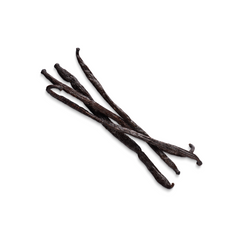
A cherimoya accord is crafted by blending 30-35% Cherimoya synthetic esters to provide the creamy tropical heart, 25-30% Vanilla or Tonka Bean to add warm, sweet lactonic depth, 20-25% Pineapple or Passion Fruit esters for bright fruity freshness, and 15-20% Jasmine or other soft florals to introduce a delicate floral lift. This balance creates a rich, creamy, and juicy accord that bridges fruity and gourmand families, maintaining clarity and tropical vibrancy.

35%

Cherimoya Synthetic Esters

30–35% of blend

Provides the core creamy, custard-like tropical fruit character through branched-chain esters such as isoamyl butyrate.

30%

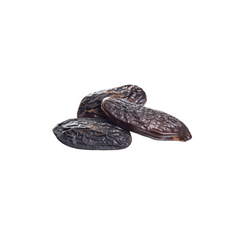
Tonka Bean

25–30% of blend

Adds warm, sweet, and slightly spicy lactonic depth that complements cherimoya's creaminess and extends longevity.

25%

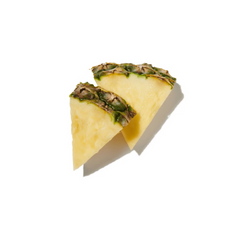
Pineapple

20–25% of blend

Contributes bright, juicy, and fresh fruity facets that enhance the tropical freshness and lift the accord.

20%

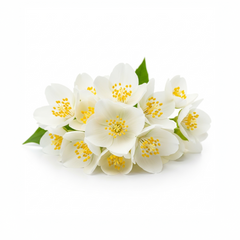
Jasmine

15–20% of blend

Introduces a soft floral nuance through linalool and related compounds, providing olfactory masking and complexity.

The Olfactory Layers

How Cherimoya Evolves on Skin

Cherimoya's olfactory evolution begins with bright, volatile fruity esters that evaporate quickly, giving an initial fresh and sweet impression. The heart phase reveals the creamy, custard-like esters and soft floral notes that linger for hours, while the base notes provide a warm, sweet, and slightly resinous foundation that anchors the scent.

I
Top notes
0–15 min
Bright Tropical Fruity

The top notes are dominated by highly volatile fruity esters such as isoamyl butyrate and methyl 2-methylbutanoate, which impart a bright, juicy, and sweet tropical fruit impression reminiscent of banana and pineapple. These molecules evaporate rapidly, creating an immediate fresh and inviting opening.

BrightJuicyFruity
II
Heart notes
20–60 min
Creamy Custard Sweetness

The heart notes reveal the creamy, custard-like character of cherimoya, driven by lactonic esters and complemented by floral nuances from linalool. This phase balances sweetness and creaminess, providing depth and tropical richness that lasts through the heart stage.

CreamySweetFloral
III
Base notes
Several hours
Warm Resinous Smoothness

The base notes consist of warm, sweet, and slightly resinous molecules such as tonka bean and copahu balm derivatives, which provide longevity and a smooth, comforting finish. These molecules have lower volatility, ensuring the fragrance's lasting presence on skin.

WarmResinousSmooth
TOP NOTES Bright Tropical Fruity 0–15 minutes HEART NOTES Creamy Custard Sweetness 20–60 minutes BASE NOTES Warm Resinous Smoothness Several hours
Through the Ages

The Story of Cherimoya in Perfumery

Cherimoya's journey in perfumery is recent, emerging in the 21st century as synthetic accords were developed to replicate its unique tropical aroma. Its cultural significance dates back to pre-Columbian times in South America, with modern perfumery embracing cherimoya in niche and luxury fragrances since the 2010s.

Pre-Columbian Era

Cherimoya Cultivation in the Andes

Cherimoya (Annona cherimola) has been cultivated in the Andean regions of Peru and Ecuador since ancient times, valued for its sweet, creamy fruit. The Quechua name means 'cold seeds,' reflecting its frost resistance.

1866

Mark Twain's Praise

Mark Twain famously called cherimoya 'the most delicious fruit known to men' in a letter from Hawaii, highlighting its esteemed reputation beyond South America.

2010s

Synthetic Cherimoya Accord Development

Perfumers began reconstructing cherimoya's scent synthetically using branched-chain esters to capture its tropical, creamy aroma due to the lack of natural extracts.

2018

Jo Malone Tropical Cherimoya Cologne Launch

Jo Malone London introduced Tropical Cherimoya Cologne, featuring synthetic cherimoya as a dominant heart note, popularizing the ingredient in niche perfumery.

2024

Jo Malone Sunlit Cherimoya Cologne Release

Jo Malone expanded the cherimoya theme with Sunlit Cherimoya Cologne, further establishing the note's presence in modern fragrance compositions.

The Art of Layering

How to Layer Cherimoya

Understanding how to layer cherimoya involves combining molecularly compatible notes that enhance its tropical and creamy facets. Layering cherimoya with vanilla or tonka bean softens its ester-driven brightness through olfactory masking, creating a smooth, warm gourmand effect. Pairing with citrus notes like bergamot or pear introduces complementary esters that amplify freshness without overpowering. Adding soft florals such as jasmine bridges cherimoya's fruity and creamy aspects via shared linalool compounds, enriching complexity. These combinations are exemplified in fragrances like Jo Malone's Tropical Cherimoya Cologne and Sunlit Cherimoya Cologne.

01

Enhance Sweetness

Layer cherimoya with vanilla or tonka bean to mask sharp ester edges and amplify creamy sweetness. Vanillin molecules interact with esters to produce a smooth, gourmand warmth, as seen in Jo Malone's Tropical Cherimoya.

02

Add Freshness

Combine cherimoya with citrus notes like bergamot or pear. Shared ester compounds create a seamless transition, boosting brightness and tropical vibrancy without harshness, exemplified in Sunlit Cherimoya Cologne.

03

Lighten the Glow

Pair cherimoya with jasmine to introduce floral softness via linalool, which masks ester sharpness and adds olfactory complexity, balancing fruity and creamy elements harmoniously.

Wear It Right

How to Wear Cherimoya Like a Pro

Seasonal Guide

Fall & Winter

In cooler temperatures, cherimoya's creamy and warm facets become more pronounced, but overall volatility decreases, resulting in softer projection. Layering with warm spices or resins can enhance sillage and longevity during colder months.

Spring

Spring's moderate warmth allows cherimoya's fresh fruity esters to shine alongside its creamy heart. It pairs well with floral and green notes for a balanced, uplifting scent suitable for transitional weather.

Summer

Heat accelerates cherimoya's ester evaporation, emphasizing bright tropical freshness. Apply lightly to avoid overwhelming sweetness, and consider pairing with citrus or aquatic notes for cooling effect and enhanced diffusion.

Year-Round Tip

Adjust application based on temperature: lighter sprays in summer for freshness, and layering with vanilla or tonka bean in winter to maintain warmth and depth.

Application Points

Strategic application enhances cherimoya's tropical freshness and creamy warmth.

1

Neck

Pulse points on the neck provide warmth that activates cherimoya's esters, enhancing projection and longevity of the tropical heart note.

2

Behind the Ears

This area offers subtle heat that diffuses cherimoya's creamy sweetness gently, ideal for intimate scent experiences.

3

Inner Wrists

Applying cherimoya here allows for easy scent diffusion with moderate warmth, balancing freshness and creaminess.

4

Hair

Hair holds fragrance oils well, releasing cherimoya's tropical aroma softly over time, creating a lingering, inviting trail.

Pro Tip

Layer cherimoya-based fragrances with complementary vanilla or floral mists on clothing for extended scent longevity and complexity.

Mood Architecture™

Top Cherimoya Fragrances by Mood Score

These Cherimoya-based fragrances scored highest on the MEI™ Mood Architecture Framework — measuring how a scent may influence your emotional state.

Highest MEI Score
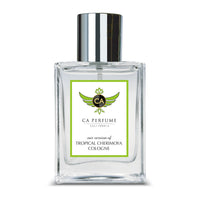
Tropical Cherimoya Cologne — Jo Malone Tropical Cherimoya Cologne Alternative Cologne
5.37
MEI™
Primary Fresh
Secondary Romantic
Confidence
4.48
Presence
4.58
Mood Lift
6.4
Identity
4.84
Warmth
6.18
Social Ease
5.77
Energy
2.9
" I am radiant.
View full mood profile →
HumanSafe™

Top Cherimoya Fragrances by HumanSafe™ Score

These Cherimoya-based fragrances have the highest product-level HumanSafe™ scores in this ingredient collection.

Highest HumanSafe™ Score
Tropical Cherimoya Cologne — Jo Malone Tropical Cherimoya Cologne Alternative Cologne
A-
HumanSafe™ Score Generally Safe
Safest Evaluated Ingredients EDP
AQUA Solvent / Carrier ISS 10.0
1,4-DIOXACYCLOHEPTADECANE-5,17-DIONE Evaluated ingredient ISS 10.0
BENZYL SALICYLATE EYE IRRITATION - CAT. 2B [H320] Evaluated ingredient ISS 9.0
1,6,10-DODECATRIEN-3-OL, 3,7,11-TRIMETHYL- EYE IRRITATION - CAT. 2B [H320] Evaluated ingredient ISS 8.0
LINALYL ACETATE Evaluated ingredient ISS 7.0
ALPHA-CEDRENE Evaluated ingredient ISS 7.0
View full safety profile →
Expert Voices

What Masters Say About Cherimoya

Cherimoya does not exist as a natural extract in perfumery; it is reconstructed synthetically using branched-chain esters to capture its creamy, tropical aroma, bridging fruity and gourmand fragrance families.
Première Peau
Cherimoya in perfume serves as a vibrant heart note, adding freshness and depth with a unique tropical twist reminiscent of banana, pineapple, and strawberry, evoking warmth and summer bliss.
CA Perfume Editorial
Common Questions

Frequently Asked Questions

Answers to common questions about cherimoya's scent, use, and characteristics in perfumery.

Cherimoya in perfume smells sweet, creamy, and tropical, combining fruity esters reminiscent of banana, pineapple, and strawberry with a custard-like smoothness. It is typically used as a heart note to add a fresh, inviting tropical character, as seen in Jo Malone's Tropical Cherimoya Cologne.

Cherimoya functions primarily as a heart note in fragrance compositions. Its creamy, fruity esters provide depth and tropical sweetness that emerge after the initial top notes and before the base notes settle.

Cherimoya's unique creamy tropical scent offers niche perfumers a distinctive heart note that bridges fruity and gourmand families. Its synthetic construction allows for consistent, complex aromas that evoke exotic, sun-kissed experiences, appealing to niche fragrance artisans.

Cherimoya fragrance uses best pair with vanilla, tonka bean, pineapple, jasmine, bergamot, passion fruit, copahu balm, and pear. These notes complement cherimoya's creamy tropical esters by enhancing sweetness, freshness, floral softness, and warmth.

Yes, cherimoya's fresh and fruity scent profile makes it an excellent choice for summer and warm weather. Its bright tropical esters evoke sunny, tropical vibes, and lighter application ensures it remains refreshing without overwhelming in heat.

Cherimoya fragrances typically last between 4 to 6 hours on the skin. The longevity is influenced by the volatility of its ester components and the supporting base notes like tonka bean and copahu balm.

Yes, layering cherimoya with complementary notes like vanilla, tonka bean, citrus, or jasmine can enhance its creamy tropical character and add complexity. This approach balances brightness and warmth, extending the fragrance's appeal.

Jo Malone London's Tropical Cherimoya Cologne (2018) and Sunlit Cherimoya Cologne (2024) are accessible introductions to cherimoya's scent, offering balanced tropical sweetness with familiar fruity and creamy notes suitable for newcomers.

Consider your preference for sweetness, freshness, or complexity when selecting cherimoya fragrances. Sampling multiple options through discovery sets helps find blends that resonate with your senses and suit your style.

Cherimoya smells predominantly sweet and creamy rather than spicy. Its ester-heavy profile provides a custard-like tropical sweetness with subtle floral lifts but lacks significant spicy facets.

Fruity Collection

Explore Our Top Cherimoya Fragrances

Discover a curated selection of fragrances featuring cherimoya's tropical, creamy sweetness, perfect for fresh and playful scent lovers.

Shop all cherimoya fragrances at CA Perfume →

Where Cherimoya Comes From — Origin & Extraction

Cherimoya (Annona cherimola) is native to the Andean regions of South America, particularly Peru and Ecuador, where it has been cultivated and cherished for centuries. The fruit thrives in these mountainous areas due to the optimal climate and soil conditions, producing aromatic fruits with a sweet, creamy character. In Peru, cherimoya is deeply integrated into agricultural traditions, with fertile valleys yielding some of the most fragrant specimens. Ecuadorian cherimoya is noted for its rich flavor and unique exotic scent profile, enhanced by artisanal cultivation methods. More recently, cherimoya cultivation has expanded to warmer climates such as California in the United States, where the fruit develops pronounced sweetness. Despite its popularity as a fruit, cherimoya does not yield a commercially viable essential oil, absolute, or CO2 extract due to its high water content and low concentration of volatile aromatic compounds. Consequently, no natural cherimoya extract is produced for perfumery. Instead, the cherimoya fragrance note is entirely reconstructed synthetically using a blend of branched-chain esters and terpenes to mimic the fruit's creamy, tropical aroma. Synthetic cherimoya accords are created in laboratories through the combination of isoamyl butyrate, methyl 2-methylbutanoate, butyl butanoate, and related esters, with trace alpha-pinene and linalool for brightness and floral nuances. This approach ensures consistency, stability, and scalability in fragrance production. Natural cherimoya absolute, when available, is produced via solvent extraction or supercritical CO2 extraction but remains rare and costly, priced between $3,000 and $6,000 per kilogram, compared to synthetic cherimoya molecules costing $50 to $200 per kilogram. Sustainability considerations favor synthetic production due to the impracticality of natural extraction from the fruit.

Famous Fragrances That Define Cherimoya in Perfumery

Cherimoya has gained recognition in modern perfumery primarily through niche and luxury fragrances that emphasize tropical and fruity accords. Jo Malone London pioneered the use of cherimoya in their Tropical Cherimoya Cologne (2018), crafted by perfumers including Christopher Chong. This fragrance features cherimoya as a dominant heart note, paired with passion flower, pear, tonka bean, and copahu balm, creating a creamy, fruity, and slightly floral tropical scent. In 2024, Jo Malone expanded this theme with Sunlit Cherimoya Cologne, where cherimoya serves as a vibrant heart note alongside bergamot, pear, copaiba balm, and tonka bean, offering a fresh, bright, and creamy tropical experience. Other notable fragrances include Pineward Perfumes' Brokilän (2021), which uses cherimoya as a supporting note in a unisex composition blending tropical fruits and woods. Kira's Peach Milk Tea (2025) employs cherimoya to add creamy tropical sweetness to a fruity gourmand accord. Grimoire Parfums' Catoblepas (2025) and Malva 1979's Tropical Latte (2025) also feature cherimoya to enhance their tropical and creamy profiles. These fragrances demonstrate cherimoya's versatility as a heart note that bridges fruity and gourmand families, delivering a unique tropical sweetness that is both fresh and creamy. CA Perfume's collection reflects this lineage by offering fragrances that celebrate cherimoya's distinctive tropical charm without overwhelming sweetness.

Natural vs Synthetic Cherimoya in Perfumery

Cherimoya is unique among fruit notes in perfumery because it does not exist as a natural essential oil or absolute due to the fruit's high water content and low volatile oil concentration. As a result, the cherimoya note is entirely synthetic, constructed from a blend of branched-chain aliphatic esters such as isoamyl butyrate (CAS 106-27-4), methyl 2-methylbutanoate, and butyl butanoate, combined with alpha-pinene and linalool to provide lift and floral softness. Synthetic cherimoya accords offer consistent olfactory profiles, greater stability, and cost-effectiveness, priced between $50 and $200 per kilogram, compared to the rare and expensive natural absolute costing $3,000 to $6,000 per kilogram. The synthetic version delivers a creamy, custard-like sweetness richer than standard banana or pineapple notes, bridging gourmand and fruity fragrance families. Famous fragrances such as Jo Malone London's Tropical Cherimoya Cologne (2018) and Sunlit Cherimoya Cologne (2024) utilize synthetic cherimoya accords for their reliable and vibrant tropical character. From a sustainability perspective, synthetic cherimoya reduces pressure on natural resources and ensures supply chain stability. CA Perfume embraces transparency by verifying ingredient safety and sustainability through the HumanSafe™ platform, favoring synthetic cherimoya for its consistency and environmental benefits. Key aroma chemicals include isoamyl butyrate (CAS 106-27-4), methyl 2-methylbutanoate, and alpha-pinene (CAS 80-56-8), which collectively reproduce cherimoya's signature creamy tropical scent.