Ingredient Guide · Floral
Floral Family · Perfumery Note

Champaca

Exotic floral with rich, grape-like nuances

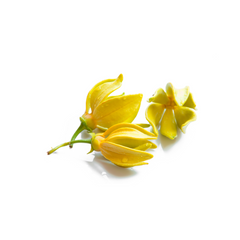
Champaca is a heart note extracted from Magnolia champaca flowers, prized for its creamy, narcotic floral character. Its key molecules include 2-phenylethanol, methyl anthranilate, and indole, used at 0.5–2% in perfumery.

Champaca
Ingredient Profile

Champaca

Floral Family
Family Floral
Note Position Heart Note
Usage Level 0.5–2%
Key Origins India, Indonesia, China
Iconic In Champaca, Champaca Edizione Millesimata
The Ingredient

What does Champaca smell like and why is it significant in perfumery?

Champaca, derived from the flowers of Magnolia champaca (syn. Michelia champaca), is a complex floral note characterized by a creamy, grape-like scent profile. The distinctive aroma arises primarily from methyl anthranilate (2–9%), which imparts a Concord grape facet, 2-phenylethanol (25–34%) contributing a rose-like floral body, and indole (3–12%) adding narcotic, animalic depth. Beta-ionone and dihydro-beta-ionone (up to 10%) provide a violet-powdery dryness, setting champaca apart from other narcotic florals. In perfumery, champaca functions predominantly as a heart note, typically used at concentrations between 0.5% and 2%. Its warm, slightly oily florality interacts uniquely with skin chemistry, often revealing a tea-like dryness and subtle waxy texture due to methyl linoleate (10–18%). This complexity allows champaca to lift white floral accords without overpowering them or to become a signature note at higher dosages. Notable fragrances featuring champaca include Ormonde Jayne's "Champaca" (2002) by Geza Schoen, where it is blended with freesia and basmati rice notes to create an elegant floral bouquet, and Trussardi's "Champaca Edizione Millesimata" (2024) by Cecile Matton, which pairs champaca with praline and hazelnut accords for a gourmand-floral effect. These examples demonstrate champaca's versatility and its valued role in contemporary perfumery.

0.5–2%
Typical concentration range of champaca absolute in fragrance formulations, balancing presence and blend harmony.
1.2%
Approximate net yield of champaca absolute from fresh flowers via solvent extraction, reflecting its rarity and cost.
17.5%
Maximum IFRA dermal use level for champaca absolute during pregnancy and breastfeeding to ensure safety.
Origin & Extraction

Where Champaca Comes From — Origin & Extraction

Champaca's scent character is influenced by its geographic origin, with soil composition and climate affecting the floral intensity and nuances. Indian champaca tends to be sweeter and more floral due to subtropical climates and fertile soils, while Indonesian champaca is greener and mossier, influenced by volcanic soils and higher rainfall.

Champaca absolute is extracted from the flowers of Magnolia champaca L. (syn. Michelia champaca), a tall evergreen tree native to the Himalayan foothills and widely cultivated across South and Southeast Asia, including India, China, and Indonesia. The flowering season occurs mainly during the monsoon (June to September) and spring (January to April), when the tree is covered with thousands of fragrant golden-yellow flowers. The flowers are highly perishable and must be harvested at dawn and transported quickly to extraction facilities to preserve their scent. Extraction is primarily performed by solvent extraction using hexane or pentane to produce a concrete, which is then washed with ethanol to yield the absolute. The concrete yield is approximately 1.5% w/w from fresh flowers, with about 80% conversion to absolute, resulting in a net absolute yield near 1.2%. Two main commercial forms exist: red champaca (M. champaca) with darker, indolic, tea-like dry notes, and white champaca (Magnolia x alba) which is lighter and cleaner. Production centers include Tamil Nadu and Karnataka in India, and Aceh and West Java in Indonesia. Indian champaca absolute tends to be sweeter and more floral, while Indonesian material is greener with mossy undertones from volcanic soils. Natural champaca absolute is costly, with prices ranging from $200 to $700 per kilogram depending on quality and origin. Synthetic substitutes are used to reduce costs but do not fully replicate the complex natural profile. Sustainability concerns include the labor-intensive harvesting process and the need for ethical sourcing to avoid overharvesting and habitat disruption.

IN

India

Regions such as Tamil Nadu and Karnataka produce champaca absolute with sweeter, intensely floral notes. Flowers are hand-picked at dawn during monsoon and spring seasons. India accounts for a significant share of global production, with traditional solvent extraction methods. Indian champaca is prized for its rich, heady aroma.

ID

Indonesia

Aceh and West Java are key production areas. Indonesian champaca absolute is noted for greener, mossy undertones due to volcanic soil influence. Extraction uses solvent methods with emphasis on freshness. Production volume is smaller but valued for unique olfactory profile.

CN

China

China cultivates Magnolia x alba (white champaca), producing a lighter, cleaner absolute closer to magnolia. Production is smaller scale, with modern extraction plants focusing on quality and consistency.

Chemistry

Natural vs Synthetic Champaca in Perfumery

Natural champaca absolute is prized for its unique combination of aroma chemicals, including methyl anthranilate (CAS 134-20-3), indole (CAS 120-72-9), and beta-ionone (CAS 14901-07-6), which together create its creamy, grape-like, and narcotic floral character. It offers rich complexity, depth, and a slightly oily texture that synthetics struggle to fully replicate. Synthetic alternatives focus on individual aroma chemicals: methyl anthranilate for the grape facet, indole for narcotic weight, and alpha-isomethyl ionone for the powdery-violet nuance. Aurantiol, a Schiff base of methyl anthranilate and hydroxycitronellal, is used commercially to reconstruct champaca-like accords at lower cost. These synthetics provide greater consistency, stability, and affordability, with prices typically $50–200/kg compared to $200–700/kg for natural absolute. Performance-wise, natural champaca offers superior longevity and diffusion due to its complex molecular matrix, while synthetics may lack some of the nuanced evolution on skin. Famous fragrances like Ormonde Jayne's "Champaca" and Trussardi's "Champaca Edizione Millesimata" use natural absolute, whereas some modern compositions incorporate synthetic blends for cost efficiency. CA Perfume prioritizes transparency and sustainability by sourcing natural champaca through the HumanSafe™ platform, ensuring ethical harvesting and quality control while also exploring synthetic molecules for creative layering and cost-effective formulations.

Natural
Champaca Absolute
Cost $3,000–6,000/kg
Method Solvent / CO₂
Character Complex, variable
vs
Synthetic
Safranal & Analogues
Cost $50–200/kg
Method Lab synthesis
Character Consistent, stable
Hall of Fame

Famous Fragrances That Define Champaca in Perfumery

2002
dominant note

Champaca

Ormonde Jayne
by Geza Schoen
FreesiaBasmati RiceGreen TeaMyrhh
2024
dominant note

Champaca Edizione Millesimata

Trussardi
by Cecile Matton
PralineToasted HazelnutVanillaHeliotrope
2009
heart note

Champaca Absolute

Tom Ford
by Rodrigo Flores-Roux
CognacBergamotOrchidVioletVanillaSandalwoodAmber
2026
heart note

Molecule 01 + Champaca

Escentric Molecules
by Geza Schoen
Iso E SuperOrange Blossom
1930
accent note

Joy

Jean Patou
JasmineRoseYlang Ylang

Champaca has been featured prominently in several landmark fragrances, showcasing its versatility and distinctive floral character. Ormonde Jayne's "Champaca" (2002), crafted by Geza Schoen, uses champaca absolute as the dominant heart note, blended with freesia and basmati rice to create an elegant, creamy floral bouquet underscored by green tea and myrrh. Trussardi's "Champaca Edizione Millesimata" (2024), by perfumer Cecile Matton, highlights red champaca absolute in a gourmand-floral composition, pairing it with praline, toasted hazelnut, vanilla, and heliotrope for a rich, warm scent with a powdery finish. Tom Ford's "Champaca Absolute" (2009), created by Rodrigo Flores-Roux, features champaca as a key heart note within an oriental floral framework, combined with cognac, bergamot, orchid, violet, vanilla, sandalwood, and amber to produce a bold, luxurious fragrance. Escentric Molecules' "Molecule 01 + Champaca" (2026), by Geza Schoen, blends champaca absolute with Iso E Super and orange blossom, emphasizing the contrast between airy woodiness and dense floral richness. Jean Patou's historic "Joy" (1930) famously included red champaca among its prized floral ingredients, contributing to its reputation as one of the costliest and most exquisite perfumes. These fragrances demonstrate champaca's role as a rich, narcotic floral note that can function as a dominant or accent heart note, often paired with woody, gourmand, or fresh accords. CA Perfume's collection respects this lineage by featuring champaca in nuanced, sophisticated blends that honor its complexity.

The Accord

How is a captivating Champaca accord crafted?

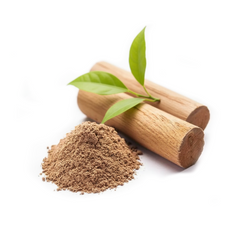
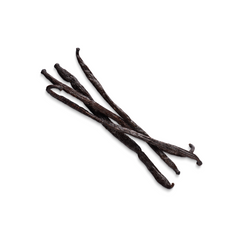
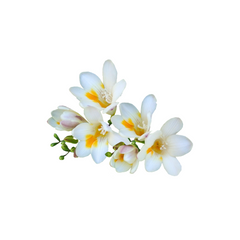
A champaca accord typically balances the rich floral and grape-like facets with complementary notes to enhance complexity and wearability. The relative proportions within the accord are approximately: Champaca Absolute 25–30%, Sandalwood 25–30%, Freesia 20–25%, Vanilla 20–25%. Champaca provides the narcotic, creamy floral heart with methyl anthranilate and indole contributing depth. Sandalwood acts as a fixative and adds a smooth woody base that supports champaca's warmth. Freesia shares floral compounds that blend seamlessly, softening champaca's intensity. Vanilla’s vanillin masks sharp edges and adds sweet warmth, creating a rounded, harmonious accord.

30%

Champaca Absolute

25–30% of blend

Provides the core creamy, narcotic floral character with unique grape-like and indolic notes from methyl anthranilate and indole.

30%

Sandalwood

25–30% of blend

Acts as a fixative and adds a smooth, woody base that enhances champaca’s warmth and longevity.

25%

Freesia

20–25% of blend

Shares floral molecules that blend with champaca’s narcotic facets, softening and enriching the floral heart.

25%

Vanilla

20–25% of blend

Vanillin provides sweet warmth and masks champaca’s sharper edges, creating a rounded, creamy accord.

The Olfactory Layers

How Champaca Evolves on Skin

Champaca's olfactory evolution begins with its creamy, grape-like floral top facets that emerge within the first 15 minutes, driven by volatile methyl anthranilate and 2-phenylethanol molecules. The heart phase (20–60 minutes) reveals deeper narcotic and powdery violet notes from indole and beta-ionone compounds. The base notes (several hours) develop a warm, slightly oily texture from methyl linoleate and subtle tea-like dryness, providing lasting depth and complexity.

I
Top notes
0–15 min
Creamy Grape Floral

Initial impression is creamy, fruity-floral with methyl anthranilate providing the distinctive Concord grape aroma. 2-phenylethanol adds a fresh rose-like nuance. These high-volatility compounds evaporate quickly, creating a bright, inviting opening.

CreamyFruityFloral
II
Heart notes
20–60 min
Narcotic Floral Depth

The heart reveals indole-driven narcotic floral depth combined with beta-ionone and dihydro-beta-ionone, imparting violet-powdery dryness. This phase is warmer and more complex, with a slightly oily texture from methyl linoleate enhancing the body.

NarcoticPowderyWarm
III
Base notes
Several hours
Tea-Like Dryness and Musk

Base notes develop a tea-like dryness and subtle waxy texture, with lingering hints of dried fruits and faint tobacco-like nuances. These low-volatility molecules provide longevity and a soft, natural musk effect.

DryOilyMusky
TOP NOTES Creamy Grape Floral 0–15 minutes HEART NOTES Narcotic Floral Depth 20–60 minutes BASE NOTES Tea-Like Dryness and Musk Several hours
Through the Ages

The Story of Champaca in Perfumery

Champaca's use in perfumery spans from ancient cultural significance in South Asia to modern niche and luxury fragrances. Key historical milestones highlight its evolving role and extraction techniques.

Antiquity

Cultural and Religious Use in South Asia

Champaca flowers were used in Hindu and Buddhist rituals, temple offerings, and as natural perfumes for hair and body in India and Southeast Asia, establishing its sacred status.

1930

Inclusion in Jean Patou's Joy

Red champaca absolute was a key ingredient in Joy, one of the costliest perfumes of its time, marking champaca's entry into high-end Western perfumery.

1960

Documentation by Steffen Arctander

Champaca absolute was described in Arctander's Perfume and Flavor Materials of Natural Origin, detailing its aroma and solvent extraction method.

2002

Launch of Ormonde Jayne Champaca

Geza Schoen created a signature perfume centered on champaca absolute, highlighting its creamy floral and rice notes.

2024

Trussardi Champaca Edizione Millesimata

Cecile Matton's fragrance showcased advanced extraction (E-Pure Jungle Essence™) and gourmand pairing, emphasizing champaca's modern niche appeal.

The Art of Layering

How to Layer Champaca

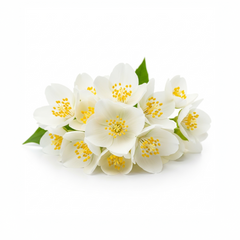
Understanding how to layer champaca involves molecular compatibility and olfactory synergy. Champaca’s methyl anthranilate shares fruity facets with orange blossom, enabling seamless blending. Its indolic depth complements jasmine and tuberose, enhancing narcotic floral complexity. Vanilla’s vanillin masks champaca’s sharper edges, softening the accord and adding warmth. Layering champaca with sandalwood stabilizes volatile compounds, extending longevity. These molecular interactions create harmonious blends that preserve champaca’s unique character while enhancing overall fragrance balance.

01

Enhance Sweetness

Layering champaca with vanilla leverages vanillin’s olfactory masking to soften champaca’s metallic edges, creating a creamy, warm floral accord. This pairing is exemplified in Trussardi’s Champaca Edizione Millesimata.

02

Add Depth

Combining champaca with jasmine absolute and tuberose intensifies narcotic floral facets via shared indole compounds, enriching the heart note complexity as seen in Ormonde Jayne’s Champaca.

03

Lighten the Glow

Pairing champaca with orange blossom exploits shared methyl anthranilate molecules, producing a bright, fresh floral bouquet. This molecular bridge creates a natural transition from champaca’s richness to lighter citrus florals.

Wear It Right

How to Wear Champaca Like a Pro

Seasonal Guide

Fall & Winter

Cooler temperatures slow molecular evaporation, enhancing champaca’s warm, narcotic floral and tea-like base notes. Apply more liberally for richer sillage and longevity.

Spring

Moderate warmth highlights champaca’s creamy floral heart and grape-like facets. Layer with fresh green or citrus notes to balance richness for daytime wear.

Summer

Heat increases volatility, emphasizing lighter top notes and reducing longevity. Use lighter concentrations or layer with aquatic or citrus accords to maintain freshness.

Year-Round Tip

Champaca blends well with sandalwood or vanilla to moderate diffusion and extend wear, suitable for all seasons with appropriate layering.

Application Points

Strategic application enhances champaca’s complex scent profile and longevity.

1

Neck

Pulse points like the neck provide warmth that activates champaca’s creamy floral molecules, enhancing projection and evolution.

2

Behind the Ears

This area’s subtle heat helps release champaca’s narcotic and grape-like facets gradually, creating an intimate aura.

3

Inner Wrists

Applying on wrists allows for easy scent diffusion with natural movement, highlighting champaca’s layered complexity.

4

Hair

Hair holds fragrance longer; champaca’s slightly oily texture clings well, offering a soft, lingering floral trail.

Pro Tip

Layer champaca with sandalwood or vanilla body lotion to extend wear and smooth transitions between notes.

Mood Architecture™

Top Champaca Fragrances by Mood Score

These Champaca-based fragrances scored highest on the MEI™ Mood Architecture Framework — measuring how a scent may influence your emotional state.

Highest MEI Score
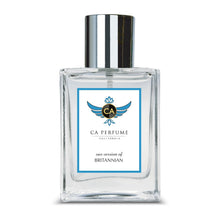
Britannian — Britannia Alternative Perfume
8.87
MEI™
Primary Romantic
Secondary Confident
Confidence
8.33
Presence
8.68
Mood Lift
9.5
Identity
9.09
Warmth
9.5
Social Ease
9.24
Energy
4.3
" I am beautiful.
View full mood profile →
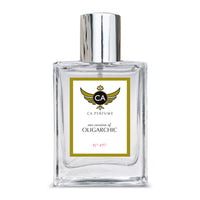
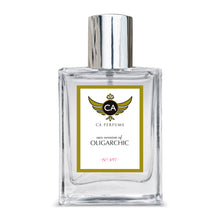
Oligarchic — Oligarch Alternative Cologne
8.2
MEI™
Primary Fresh
Secondary Energizing
Confidence
8.04
Presence
8.04
Mood Lift
9.5
Identity
7.82
Warmth
7.22
Social Ease
7.98
Energy
6.7
" I am radiant.
View full mood profile →
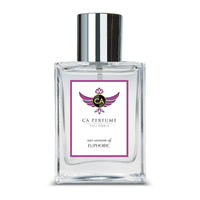
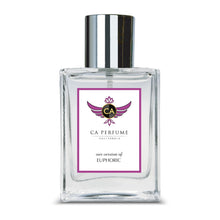
Euphoric — Euphoria Alternative Perfume
7.31
MEI™
Primary Romantic
Secondary Confident
Confidence
7.17
Presence
7.64
Mood Lift
7.53
Identity
7.81
Warmth
7.78
Social Ease
7.17
Energy
3.6
" I am beautiful.
View full mood profile →
Champaca Absolute — Tom Ford Champaca Absolute Alternative Perfume
7.08
MEI™
Primary Romantic
Secondary Confident
Confidence
6.25
Presence
6.44
Mood Lift
7.76
Identity
6.37
Warmth
9.14
Social Ease
7.15
Energy
2.6
" I am beautiful.
View full mood profile →
HumanSafe™

Top Champaca Fragrances by HumanSafe™ Score

These Champaca-based fragrances have the highest product-level HumanSafe™ scores in this ingredient collection.

Highest HumanSafe™ Score
Oligarchic — Oligarch Alternative Cologne
A-
HumanSafe™ Score Generally Safe
Safest Evaluated Ingredients EDP
AQUA Solvent / Carrier ISS 10.0
2-HEXENE, 6,6-DIMETHOXY-2,5,5-TRIMETHYL- Evaluated ingredient ISS 8.0
LINALYL ACETATE Evaluated ingredient ISS 7.0
LINALOOL Evaluated ingredient ISS 7.0
CITRONELLOL Evaluated ingredient ISS 7.0
View full safety profile →
Euphoric — Euphoria Alternative Perfume
A-
HumanSafe™ Score Generally Safe
Safest Evaluated Ingredients EDP
AQUA Solvent / Carrier ISS 10.0
1,4-DIOXACYCLOHEPTADECANE-5,17-DIONE Evaluated ingredient ISS 10.0
BENZYL SALICYLATE Evaluated ingredient ISS 9.0
LINALYL ACETATE Evaluated ingredient ISS 7.0
LINALOOL Evaluated ingredient ISS 7.0
View full safety profile →
Champaca Absolute — Tom Ford Champaca Absolute Alternative Perfume
A-
HumanSafe™ Score Generally Safe
Safest Evaluated Ingredients EDP
AQUA Solvent / Carrier ISS 10.0
BENZENEPROPANAL, 4-METHOXY-.ALPHA.-METHYL- Evaluated ingredient ISS 9.0
LINALOOL Evaluated ingredient ISS 7.0
CITRONELLOL Evaluated ingredient ISS 7.0
ALCOHOL DENAT. Solvent / Carrier ISS 7.0
View full safety profile →
Britannian — Britannia Alternative Perfume
A-
HumanSafe™ Score Generally Safe
Safest Evaluated Ingredients EDP
AQUA Solvent / Carrier ISS 10.0
AMBROXIDE Evaluated ingredient ISS 9.0
3-BUTEN-2-ONE, 3-METHYL-4-(2,6,6-TRIMETHYL-2- Evaluated ingredient ISS 8.0
LINALYL ACETATE Evaluated ingredient ISS 7.0
View full safety profile →
Expert Voices

What Masters Say About Champaca

Champaca’s unique triad of methyl anthranilate, indole, and beta-ionone creates a narcotic, grape-like, and powdery floral that no other natural material can replicate. It is a cornerstone of floral-oriental perfumery.
CA Perfume Editorial
Champaca is used in certain high-class perfumes where it may produce a unique, warm, floral-leafy note often compared to that of a fine grade of tea. Sandalwood oil is an excellent fixative for the champaca fragrance.
Steffen Arctander, Perfume and Flavor Materials of Natural Origin, 1960
Common Questions

Frequently Asked Questions

Frequently asked questions about champaca’s scent, use, and characteristics in perfumery.

Champaca in perfume smells creamy, floral, and grape-like, with a distinctive Concord grape facet from methyl anthranilate, a narcotic floral depth from indole, and a powdery violet undertone from beta-ionone. It is warm, slightly oily, and complex, often described as a blend of tropical garden florals and tea-like dryness. Notable perfumes featuring champaca include Ormonde Jayne's "Champaca" and Trussardi's "Champaca Edizione Millesimata."

Champaca is primarily used as a heart note in perfumery. Its molecular composition, including 2-phenylethanol and indole, provides a creamy, narcotic floral character that develops after the initial top notes evaporate. It typically appears in concentrations of 0.5–2%, bridging fresh florals and deeper base notes.

Champaca’s complex scent profile, combining creamy florals, grape-like freshness, and narcotic depth, makes it highly valued in niche perfumery for creating unique, sophisticated compositions. Its rarity, chemical complexity, and ability to blend well with woody and gourmand notes contribute to its frequent use in artisanal and luxury fragrances.

Champaca fragrance uses include pairing with sandalwood for fixative support and woody warmth, vanilla for sweet masking of sharp edges, jasmine and tuberose for enhanced narcotic floral depth, and freesia for soft floral blending. These combinations optimize champaca’s molecular compatibility and olfactory harmony.

Champaca can be worn in summer, but its warm, creamy molecules become more volatile in heat, emphasizing lighter top notes and reducing longevity. For hot weather, lighter concentrations or layering with fresh citrus or aquatic notes is recommended to maintain freshness and balance.

Champaca fragrances typically last 5–7 hours depending on concentration and formulation. Parfum concentrations showcase its full complexity and longevity, while lighter formulations may fade sooner. Its slightly oily molecular components contribute to moderate to long-lasting wear.

Yes, champaca blends well with woody, floral, and gourmand notes. How to layer champaca involves combining it with sandalwood for fixative effect, vanilla for sweetness, and orange blossom for brightness. These combinations create molecular synergy and olfactory balance.

Beginner-friendly champaca perfumes include Ormonde Jayne's "Champaca" for its elegant floral balance, and Trussardi's "Champaca Edizione Millesimata" for a gourmand-floral experience. These offer approachable expressions of champaca’s complexity without overwhelming narcotic intensity.

Choosing the right champaca fragrance involves considering concentration, complementary notes, and personal preference for floral intensity. CA Perfume offers detailed descriptions and layering advice to help select champaca scents that suit your style and occasion.

Champaca primarily smells sweet and creamy with a grape-like facet rather than spicy. Its aromatic profile includes warm floral, powdery violet, and narcotic elements, but it lacks significant spicy notes, making it more floral gourmand than spicy.

Floral Collection

Explore Our Top Champaca Fragrances

Discover a curated selection of champaca-centered perfumes showcasing its creamy floral richness and complex scent profile.

Shop all champaca fragrances at CA Perfume →

Where Champaca Comes From — Origin & Extraction

Champaca absolute is extracted from the flowers of Magnolia champaca L. (syn. Michelia champaca), a tall evergreen tree native to the Himalayan foothills and widely cultivated across South and Southeast Asia, including India, China, and Indonesia. The flowering season occurs mainly during the monsoon (June to September) and spring (January to April), when the tree is covered with thousands of fragrant golden-yellow flowers. The flowers are highly perishable and must be harvested at dawn and transported quickly to extraction facilities to preserve their scent. Extraction is primarily performed by solvent extraction using hexane or pentane to produce a concrete, which is then washed with ethanol to yield the absolute. The concrete yield is approximately 1.5% w/w from fresh flowers, with about 80% conversion to absolute, resulting in a net absolute yield near 1.2%. Two main commercial forms exist: red champaca (M. champaca) with darker, indolic, tea-like dry notes, and white champaca (Magnolia x alba) which is lighter and cleaner. Production centers include Tamil Nadu and Karnataka in India, and Aceh and West Java in Indonesia. Indian champaca absolute tends to be sweeter and more floral, while Indonesian material is greener with mossy undertones from volcanic soils. Natural champaca absolute is costly, with prices ranging from $200 to $700 per kilogram depending on quality and origin. Synthetic substitutes are used to reduce costs but do not fully replicate the complex natural profile. Sustainability concerns include the labor-intensive harvesting process and the need for ethical sourcing to avoid overharvesting and habitat disruption.

Famous Fragrances That Define Champaca in Perfumery

Champaca has been featured prominently in several landmark fragrances, showcasing its versatility and distinctive floral character. Ormonde Jayne's "Champaca" (2002), crafted by Geza Schoen, uses champaca absolute as the dominant heart note, blended with freesia and basmati rice to create an elegant, creamy floral bouquet underscored by green tea and myrrh. Trussardi's "Champaca Edizione Millesimata" (2024), by perfumer Cecile Matton, highlights red champaca absolute in a gourmand-floral composition, pairing it with praline, toasted hazelnut, vanilla, and heliotrope for a rich, warm scent with a powdery finish. Tom Ford's "Champaca Absolute" (2009), created by Rodrigo Flores-Roux, features champaca as a key heart note within an oriental floral framework, combined with cognac, bergamot, orchid, violet, vanilla, sandalwood, and amber to produce a bold, luxurious fragrance. Escentric Molecules' "Molecule 01 + Champaca" (2026), by Geza Schoen, blends champaca absolute with Iso E Super and orange blossom, emphasizing the contrast between airy woodiness and dense floral richness. Jean Patou's historic "Joy" (1930) famously included red champaca among its prized floral ingredients, contributing to its reputation as one of the costliest and most exquisite perfumes. These fragrances demonstrate champaca's role as a rich, narcotic floral note that can function as a dominant or accent heart note, often paired with woody, gourmand, or fresh accords. CA Perfume's collection respects this lineage by featuring champaca in nuanced, sophisticated blends that honor its complexity.

Natural vs Synthetic Champaca in Perfumery

Natural champaca absolute is prized for its unique combination of aroma chemicals, including methyl anthranilate (CAS 134-20-3), indole (CAS 120-72-9), and beta-ionone (CAS 14901-07-6), which together create its creamy, grape-like, and narcotic floral character. It offers rich complexity, depth, and a slightly oily texture that synthetics struggle to fully replicate. Synthetic alternatives focus on individual aroma chemicals: methyl anthranilate for the grape facet, indole for narcotic weight, and alpha-isomethyl ionone for the powdery-violet nuance. Aurantiol, a Schiff base of methyl anthranilate and hydroxycitronellal, is used commercially to reconstruct champaca-like accords at lower cost. These synthetics provide greater consistency, stability, and affordability, with prices typically $50–200/kg compared to $200–700/kg for natural absolute. Performance-wise, natural champaca offers superior longevity and diffusion due to its complex molecular matrix, while synthetics may lack some of the nuanced evolution on skin. Famous fragrances like Ormonde Jayne's "Champaca" and Trussardi's "Champaca Edizione Millesimata" use natural absolute, whereas some modern compositions incorporate synthetic blends for cost efficiency. CA Perfume prioritizes transparency and sustainability by sourcing natural champaca through the HumanSafe™ platform, ensuring ethical harvesting and quality control while also exploring synthetic molecules for creative layering and cost-effective formulations.