Ingredient Guide · Floral Aromatic
Floral Aromatic Family · Perfumery Note

Chamomile

Apple-like, herbal, and gently hay-like — chamomile’s aromatic signature.

Chamomile is a floral note in perfumery, prized for its apple-hay aroma and calming, herbal character. Its essential oil, rich in α-bisabolol and chamazulene, is used at 0.5–2% to impart a soft, naturalistic warmth.

Chamomile
Ingredient Profile

Chamomile

Floral Aromatic Family
Family Floral Aromatic
Note Position Heart Note
Usage Level 0.5–2%
Key Origins Egypt, France, Hungary
Iconic In Mémoire d’une Odeur, Harvest Mouse
The Ingredient

What does Chamomile smell like and why is it valued in perfumery?

Chamomile, botanically represented by Matricaria chamomilla (German chamomile) and Chamaemelum nobile (Roman chamomile), is distinguished in perfumery for its nuanced, multifaceted scent. The core of chamomile’s aroma is shaped by compounds such as α-bisabolol, chamazulene, and esters like angelates and isobutyrates. Roman chamomile leans sweet, fruity, and apple-like, while German chamomile is deeper, more herbal, and slightly smoky due to higher chamazulene content. Both types share a hay-like, herbal, and subtly floral character, with undertones of green apple, dried grass, and a faint honeyed warmth. This unique scent profile is why the question “what does chamomile smell like” is central to understanding its role in fragrance. In perfumery, chamomile is classified as a floral note but often functions as a heart or bridging note, especially in fougère, aromatic, and green compositions. Its essential oil is typically used at concentrations of 0.5–2% within a blend, as higher levels can become overpowering or medicinal. Chamomile interacts with skin chemistry in a dynamic way: its esters and terpenoids can amplify herbal or fruity facets depending on the wearer’s pH and moisture, sometimes leaning more powdery or more green. This adaptability makes chamomile in perfumery a versatile modifier, softening sharp citrus or green notes and adding a pastoral, naturalistic warmth to the composition. Notable fragrances that exemplify chamomile’s use include Gucci Mémoire d’une Odeur (2019, Alberto Morillas), where Roman chamomile is the signature note, bridging musky, mineral, and jasmine facets. Zoologist Perfumes’ Harvest Mouse (2023, Celine Barel) uses chamomile to evoke sunlit hayfields, pairing it with wheat, vetiver, and mimosa. These examples illustrate how the chamomile scent profile can be both prominent and subtle, shaping the overall mood of a fragrance.

0.5–2%
Typical concentration of chamomile essential oil in fine fragrance blends. Higher levels can become medicinal or overpowering.
5–7 Hours
Average longevity of chamomile as a heart note in EDP formulations, with projection strongest in the first 2 hours.
$2,000–$5,000/kg
Market price for Roman chamomile essential oil, reflecting low yield and labor-intensive harvesting.
Origin & Extraction

Where Chamomile Comes From — Origin & Extraction

Chamomile’s scent is shaped by terroir: soil, climate, and harvest method influence its apple, hay, and herbal facets. Cooler climates yield more esters, while sun-rich regions enhance sweetness.

Chamomile essential oil is derived primarily from two species: Roman chamomile (Chamaemelum nobile) and German chamomile (Matricaria chamomilla). Roman chamomile is native to Western Europe, while German chamomile is widespread across Europe and Western Asia. Today, major producers include Egypt (the world’s largest exporter, accounting for over 50% of global supply), Hungary, France, Germany, and Argentina. Roman chamomile is cultivated mainly in France, the UK, and Hungary, while German chamomile dominates in Egypt and Eastern Europe. Extraction is performed by steam distillation of freshly harvested flower heads. The process involves passing steam through the flowers at 100°C, capturing volatile compounds such as α-bisabolol, chamazulene (which forms during distillation), and various esters. Yields differ significantly: Roman chamomile yields about 1.7% essential oil by weight, while German chamomile yields only 0.2–0.4%. The resulting oil is pale yellow (Roman) or deep blue (German, due to chamazulene). Solvent extraction is rarely used, as it can introduce unwanted waxes and reduce olfactory purity. Natural chamomile oil is expensive, with prices ranging from $2,000–$5,000/kg for Roman chamomile and $1,000–$3,000/kg for German chamomile, reflecting low yields and labor-intensive harvesting. Synthetic substitutes, such as isobutyl angelate and synthetic α-bisabolol, cost $50–$150/kg. Sustainability concerns include land use and water consumption, but chamomile is generally considered a low-impact crop. Both species are not endangered, and organic cultivation is common, especially in Europe. No IFRA restrictions currently apply to chamomile oil in perfumery.

EG

Egypt

Nile Delta and Fayoum regions are the world’s largest chamomile producers, responsible for over 50% of global supply. Sandy, alluvial soils and intense sunlight yield oil with pronounced apple and hay notes. Egyptian chamomile is prized for its high ester content and is the industry standard for both perfumery and herbal teas.

FR

France

Anjou and Provence cultivate Roman chamomile with a delicate, sweet, and fruity profile. Limestone-rich soils and temperate climate enhance the floral and apple aspects. French chamomile is often certified organic and used in fine fragrance for its purity and nuanced aroma.

HU

Hungary

The Great Hungarian Plain (Alföld) produces both Roman and German chamomile, with a balanced, herbaceous scent. Loamy soils and moderate rainfall yield oil with strong bisabolol and chamazulene content, valued for both perfumery and pharmaceuticals.

AR

Argentina

Patagonia and Buenos Aires provinces have emerged as significant chamomile growers. The cool, windy climate yields oil with a crisp, green apple profile and subtle hay undertones. Argentine chamomile is increasingly used in natural perfumery.

Chemistry

Natural vs Synthetic Chamomile in Perfumery

Natural chamomile oil is a complex mixture of terpenoids, esters, and azulenes, with key odorants including α-bisabolol (CAS 515-69-5), chamazulene (CAS 619-54-5), and isobutyl angelate (CAS 67601-32-5). Synthetic chamomile notes are typically constructed using isobutyl angelate, α-bisabolol, and coumarin derivatives to replicate the apple-hay and herbal facets. Synthetic versions offer greater consistency, stability, and cost-effectiveness, but lack the nuanced evolution and subtlety of natural oil. Performance-wise, synthetic chamomile accords provide longer-lasting, more linear projection, while natural chamomile evolves dynamically on skin, shifting from green-apple top notes to hay and honey in the drydown. Notable fragrances using natural chamomile include Gucci Mémoire d’une Odeur and Diptyque Eau Rose Eau de Parfum, while mass-market and functional products often rely on synthetic analogs for stability and allergen control. The cost differential is significant: natural oil is 10–50 times more expensive than synthetic blends. From a sustainability perspective, synthetics reduce pressure on agricultural land and water resources, but may introduce supply chain transparency issues. CA Perfume’s HumanSafe™ platform ensures full traceability and allergen disclosure for both natural and synthetic chamomile ingredients.

Natural
Chamomile Absolute
Cost $3,000–6,000/kg
Method Solvent / CO₂
Character Complex, variable
vs
Synthetic
Safranal & Analogues
Cost $50–200/kg
Method Lab synthesis
Character Consistent, stable
Hall of Fame

Famous Fragrances That Define Chamomile in Perfumery

2019
dominant note

Mémoire d’une Odeur

Gucci
by Alberto Morillas
JasmineMuskCedarSandalwood
2023
dominant note

Harvest Mouse

Zoologist Perfumes
by Celine Barel
WheatVetiverMimosaHay
2022
bridge note

Eau Rose Eau de Parfum

Diptyque
RoseLycheeArtichokeAmbroxan
2002
accent

Series 3 Incense: Avignon

Comme des Garçons
by Bertrand Duchaufour
FrankincenseMyrrhOakmossVanilla
2024
dominant note

Camomille Satin

Dries Van Noten
IrisWhite MuskBergamotAmber
1995
accent

1881

Cerruti
by Martin Gras
LavenderRoseMuskSandalwood

Chamomile’s distinctive scent has been leveraged by perfumers to evoke tranquility, pastoral landscapes, and subtle herbal complexity. One of the most iconic uses is in Gucci Mémoire d’une Odeur (2019, Alberto Morillas), where Roman chamomile is the signature note, bridging musky, mineral, and jasmine facets. In Diptyque Eau Rose Eau de Parfum (2022), chamomile is paired with rose and lychee, imparting a green, herbal nuance to the floral heart. Zoologist Perfumes’ Harvest Mouse (2023, Celine Barel) uses chamomile to conjure sunlit hayfields, blending it with wheat, vetiver, and mimosa for a nostalgic, earthy effect. Comme des Garçons Series 3 Incense: Avignon (2002, Bertrand Duchaufour) employs German chamomile as a smoky, herbal accent in a resinous, incense-driven composition. Dries Van Noten Camomille Satin (2024) places chamomile at the center, pairing it with iris and white musk for a powdery, modern floral. Historically, Cerruti 1881 (1995, Martin Gras) introduced chamomile as a fresh, hay-like top note in a classic fougère structure. These fragrances demonstrate chamomile’s versatility as both a dominant and supporting note, often paired with rose, lavender, vetiver, and citrus. CA Perfume’s collection draws inspiration from this lineage, offering chamomile-centered blends that highlight its unique olfactory signature.

The Accord

How is a captivating Chamomile accord crafted?

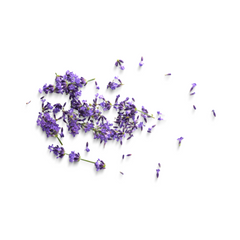
A chamomile accord balances apple-hay sweetness, herbal facets, and soft florals. Typical proportions: Chamomile 25–30%, Lavender 20–25%, Bergamot 20–25%, Rose 25–30%. Lavender provides ester synergy, bergamot lifts the green apple note, and rose bridges floral and fruity aspects for a seamless, naturalistic effect.

30%

Chamomile

25–30% of blend

Chamomile provides the apple-hay, herbal core. Its esters (isobutyl angelate) and azulenes offer both sweetness and subtle green bitterness, forming the heart of the accord.

25%

Lavender

20–25% of blend

Lavender’s linalyl acetate and coumarin content amplify chamomile’s herbal and hay facets, creating molecular resonance and enhancing projection.

25%

Bergamot

20–25% of blend

Bergapten and limonene in bergamot lift chamomile’s green apple note, brightening the accord and providing a fresh, citrusy top.

30%

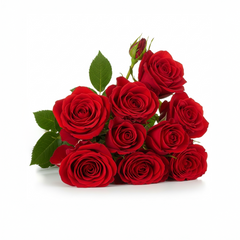
Rose

25–30% of blend

Rose’s damascenone and phenylethyl alcohol bridge the floral and fruity aspects, smoothing transitions and adding a soft, petal-like finish.

The Olfactory Layers

How Chamomile Evolves on Skin

Chamomile’s olfactory evolution begins with volatile esters and terpenes, quickly revealing apple and green notes, before settling into hay and honeyed warmth as heavier azulenes and sesquiterpenes emerge.

I
Top notes
0–15 min
Apple-Green Sparkle

Initial impression is bright, green-apple and herbal, driven by isobutyl angelate, α-pinene, and limonene. These high-volatility compounds evaporate rapidly, giving a fleeting, sparkling freshness.

Apple-likeGreenHerbal
II
Heart notes
20–60 min
Hay-Soft Warmth

The scent warms into hay, straw, and soft floral facets as esters and bisabolol dominate. The apple note persists, joined by subtle honey and powdery nuances, creating a gentle, soothing character.

HayFloralHoneyed
III
Base notes
Several hours
Earthy Tobacco Drydown

Drydown reveals earthy, tobacco, and faintly smoky undertones from chamazulene and β-caryophyllene. The scent becomes more subdued, with a lingering warmth and faint herbal sweetness.

EarthyTobaccoWarm
TOP NOTES Apple-Green Sparkle 0–15 minutes HEART NOTES Hay-Soft Warmth 20–60 minutes BASE NOTES Earthy Tobacco Drydown Several hours
Through the Ages

The Story of Chamomile in Perfumery

Chamomile’s journey in perfumery spans ancient rituals, medicinal uses, and modern niche fragrance innovation.

Antiquity

Chamomile in Ancient Egypt and Rome

Chamomile was used in ancient Egypt as an offering to the gods and in cosmetics and perfumes. The Greeks and Romans valued it for its apple-like aroma, using it in scented baths and medicinal preparations.

Middle Ages

Chamomile in European Herbalism

Chamomile was spread on floors at gatherings for its fragrance and used in herbal remedies. Its calming scent made it a staple in monastic gardens and medieval apothecaries.

1881

Chamomile in Classic Fougère

Cerruti 1881 (1995, Martin Gras) and earlier fougère compositions incorporated chamomile as a fresh, hay-like accent, bridging herbal and floral notes in the emerging aromatic family.

2019

Gucci Mémoire d’une Odeur Launch

Alberto Morillas’s Mémoire d’une Odeur brought Roman chamomile to the forefront of modern perfumery, establishing it as a signature note in a major luxury release.

2023–2024

Chamomile in Niche Perfumery

Zoologist Perfumes’ Harvest Mouse (2023) and Dries Van Noten Camomille Satin (2024) showcase chamomile as a dominant note, paired with wheat, iris, and musk in innovative blends.

The Art of Layering

How to Layer Chamomile

Understanding how to layer chamomile is key to maximizing its scent profile. Layering works best when complementary notes share molecular affinities or provide olfactory contrast, allowing chamomile’s apple-hay warmth to shine.

01

Enhance Herbal Freshness

Pair chamomile with lavender or clary sage to reinforce ester and coumarin content, creating a seamless herbal-green accord. This synergy is demonstrated in classic fougère blends such as Houbigant Fougere Royale (2010).

02

Add Floral Depth

Layer with rose or neroli to bridge chamomile’s fruity and floral facets. Damascenone in rose and linalool in neroli create molecular resonance, as seen in Diptyque Eau Rose Eau de Parfum.

03

Soften with Citrus

Combine chamomile with bergamot or lemon to lift its apple note and add brightness. Limonene and isobutyl angelate interact to enhance projection, as in Cerruti 1881.

Wear It Right

How to Wear Chamomile Like a Pro

Seasonal Guide

Fall & Winter

Cooler temperatures slow evaporation, allowing chamomile’s hay and honeyed notes to linger. Apply to pulse points and under clothing for a cozy, enveloping effect. Layer with amber or sandalwood for added warmth.

Spring

Spring’s mild climate highlights chamomile’s apple-green freshness. Increased humidity enhances projection, making it ideal for daytime wear. Pair with citrus or green florals for a bright, uplifting mood.

Summer

Heat accelerates volatility, emphasizing chamomile’s herbal and fruity top notes. Apply sparingly to avoid overwhelming projection. Layer with light citrus or aquatic notes for a refreshing, breezy effect.

Year-Round Tip

Adjust application based on climate: use lighter concentrations in summer, richer blends in winter. Chamomile’s versatility makes it suitable for both daytime and evening, adapting to skin and environment.

Application Points

Strategic application enhances chamomile’s nuanced evolution and projection.

1

Neck

Applying to the neck utilizes body heat to diffuse chamomile’s apple-green top notes, creating an immediate, uplifting impression.

2

Behind the Ears

This area is slightly cooler, allowing the hay and honeyed heart to develop gradually, extending the scent’s evolution.

3

Inner Wrists

Pulse points on the wrists amplify volatility, showcasing chamomile’s herbal and fruity facets in the first hour.

4

Hair

Spraying on hair provides a gentle, long-lasting sillage, with the scent evolving as hair moves and warms throughout the day.

Pro Tip

Layer chamomile with a light moisturizer or unscented oil to prolong its evolution and prevent rapid evaporation, especially in dry climates.

Mood Architecture™

Top Chamomile Fragrances by Mood Score

These Chamomile-based fragrances scored highest on the MEI™ Mood Architecture Framework — measuring how a scent may influence your emotional state.

Highest MEI Score
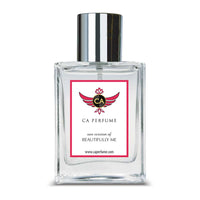
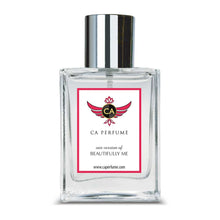
Beautifully Me — Estee Lauder Beautiful Alternative Perfume
8.56
MEI™
Primary Romantic
Secondary Confident
Confidence
7.87
Presence
8.75
Mood Lift
9.5
Identity
8.27
Warmth
9.49
Social Ease
8.35
Energy
4.5
" I am beautiful.
View full mood profile →
Fire in Height — Fahrenheit Alternative Cologne
6.25
MEI™
Primary Magnetic
Secondary Confident
Confidence
6.62
Presence
7.34
Mood Lift
6.15
Identity
7.15
Warmth
5.98
Social Ease
5.71
Energy
3.3
" I am bold.
View full mood profile →
Allegria Mandarine Basilic — Aqua Allegoria Mandarine Basilic Alternative Perfume
5.94
MEI™
Primary Fresh
Secondary Energizing
Confidence
5.21
Presence
5.25
Mood Lift
7.31
Identity
4.82
Warmth
5.38
Social Ease
6.43
Energy
5.9
" I am free.
View full mood profile →
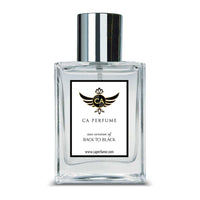
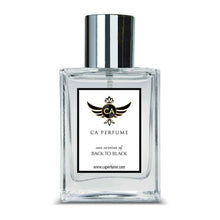
Back To Black — By Kilian Impression Back To Black Alternative Perfume
5.5
MEI™
Primary Serene
Secondary Romantic
Confidence
5.08
Presence
4.73
Mood Lift
6.12
Identity
4.79
Warmth
6.31
Social Ease
5.72
Energy
3.0
" I am at peace.
View full mood profile →
HumanSafe™

Top Chamomile Fragrances by HumanSafe™ Score

These Chamomile-based fragrances have the highest product-level HumanSafe™ scores in this ingredient collection.

Highest HumanSafe™ Score
Fire in Height — Fahrenheit Alternative Cologne
A-
HumanSafe™ Score Generally Safe
Safest Evaluated Ingredients EDP
AQUA Solvent / Carrier ISS 10.0
2H-1-BENZOPYRAN-2-ONE Evaluated ingredient ISS 8.0
LINALYL ACETATE Evaluated ingredient ISS 7.0
LINALOOL Evaluated ingredient ISS 7.0
CYCLOHEXANEPROPANOL, 2,2,6-TRIMETHYL-.ALPHA.-PROPYL- Evaluated ingredient ISS 7.0
ALCOHOL DENAT. Solvent / Carrier ISS 7.0
View full safety profile →
Beautifully Me — Estee Lauder Beautiful Alternative Perfume
A-
HumanSafe™ Score Generally Safe
Safest Evaluated Ingredients EDP
OXACYCLOHEPTADEC-10-EN-2-ONE Evaluated ingredient ISS 10.0
AQUA Solvent / Carrier ISS 10.0
ACETIC ACID, PHENYLMETHYL ESTER Evaluated ingredient ISS 10.0
1,4-DIOXACYCLOHEPTADECANE-5,17-DIONE Evaluated ingredient ISS 10.0
3-CYCLOPENTENE-1-ACETALDEHYDE, 2,2,3-TRIMETHYL-, Evaluated ingredient ISS 9.0
1H-3A,7-METHANOAZULEN-6-OL, OCTAHYDRO-3,6,8,8- Evaluated ingredient ISS 9.0
View full safety profile →
Back To Black — By Kilian Impression Back To Black Alternative Perfume
A-
HumanSafe™ Score Generally Safe
Safest Evaluated Ingredients EDP
AQUA Solvent / Carrier ISS 10.0
4H-INDEN-4-ONE, 1,2,3,5,6,7-HEXAHYDRO-1,1,2,3,3- Evaluated ingredient ISS 9.0
1H-BENZOCYCLOHEPTENE, 2,4A,5,6,7,8-HEXAHYDRO- Evaluated ingredient ISS 9.0
3-BUTEN-2-ONE, 3-METHYL-4-(2,6,6-TRIMETHYL-2- Evaluated ingredient ISS 8.0
2H-1-BENZOPYRAN-2-ONE Evaluated ingredient ISS 8.0
LINALYL ACETATE Evaluated ingredient ISS 7.0
View full safety profile →
Allegria Mandarine Basilic — Aqua Allegoria Mandarine Basilic Alternative Perfume
A-
HumanSafe™ Score Generally Safe
Safest Evaluated Ingredients EDP
AQUA Solvent / Carrier ISS 10.0
1,4-DIOXACYCLOHEPTADECANE-5,17-DIONE Evaluated ingredient ISS 10.0
BENZYL SALICYLATE Evaluated ingredient ISS 9.0
3-CYCLOPENTENE-1-ACETALDEHYDE, 2,2,3-TRIMETHYL-, Evaluated ingredient ISS 9.0
CITRAL Evaluated ingredient ISS 8.0
View full safety profile →
Expert Voices

What Masters Say About Chamomile

Chamomile indeed resembles the scent of ripe green and yellow apples, with an added twist of hay-like softness.
ParfumPlus Magazine
Chamomile’s scent profile is simultaneously floral and earthy, sweet but not sugary, and calming in a way that few other botanical notes manage to achieve.
CA Perfume Editorial
Common Questions

Frequently Asked Questions

Answers to common questions about chamomile’s scent, uses, and performance in perfumery.

Chamomile in perfume smells apple-like, herbal, and hay-like, with subtle honey and earthy undertones. Roman chamomile is sweeter and fruitier, while German chamomile is deeper and more herbal. The scent evolves from green-apple freshness to a warm, powdery, and slightly smoky drydown. Notable fragrances such as Gucci Mémoire d’une Odeur and Diptyque Eau Rose Eau de Parfum showcase chamomile’s nuanced aroma.

Chamomile is most often used as a heart (middle) note in perfumery, though it can appear in top or even base notes depending on the species and concentration. Roman chamomile’s fleeting, fruity character suits top or heart note roles, while German chamomile’s deeper, smoky facets can anchor the base of a composition. Its versatility allows it to bridge floral, herbal, and green accords.

Chamomile is favored in niche perfumery for its unique apple-hay scent profile, naturalistic warmth, and ability to evoke tranquility and nostalgia. Its complex evolution and compatibility with floral, herbal, and green notes make it ideal for innovative blends. Niche brands such as Zoologist Perfumes and Dries Van Noten have highlighted chamomile as a signature note, exploring its full olfactory range.

Chamomile fragrance uses often involve pairing with lavender, rose, bergamot, neroli, and sandalwood. These notes share molecular affinities or provide olfactory contrast, enhancing chamomile’s herbal, floral, or fruity facets. For example, lavender amplifies herbal warmth, while bergamot brightens the apple note. Rose and neroli bridge floral and fruity aspects for a seamless accord.

Chamomile is well-suited for summer due to its fresh, herbal top notes and light, non-overpowering projection. In hot weather, its volatility increases, emphasizing apple and green facets. Apply sparingly and consider layering with citrus or aquatic notes for a refreshing effect. Its versatility also makes it appropriate for spring and transitional seasons.

Chamomile fragrances typically last 5–7 hours in Eau de Parfum concentration, with the most pronounced projection in the first 2 hours. Longevity depends on concentration, skin chemistry, and environmental factors. The scent evolves from fresh and herbal to warm, powdery, and earthy as heavier compounds persist in the drydown.

Yes, chamomile layers well with floral, herbal, and citrus notes. Its apple-hay warmth complements lavender, rose, bergamot, and neroli, as well as woody and musky bases. Layering allows you to customize projection and mood, enhancing either the fresh or warm facets depending on your chosen pairings.

For beginners, Gucci Mémoire d’une Odeur is a benchmark, offering a clear Roman chamomile signature in a modern, wearable composition. Diptyque Eau Rose Eau de Parfum and Cerruti 1881 provide more subtle chamomile accents within floral or fougère structures. These fragrances showcase chamomile’s versatility and approachability.

When choosing a chamomile fragrance at CA Perfume, consider whether you prefer the note as a dominant feature or a subtle accent. Review scent descriptions for apple, hay, or herbal emphasis, and sample different concentrations (EDP, oil) to find your preferred evolution and projection. Customer reviews and layering guides can help you identify blends that match your style.

Chamomile’s scent in fragrance is both sweet and herbal. Roman chamomile leans sweeter and more apple-like, while German chamomile is more herbal, earthy, and slightly smoky. The balance depends on extraction, concentration, and pairing notes. In most compositions, the initial impression is fruity and green, evolving into hay-like warmth and gentle sweetness.

Floral Aromatic Collection

Explore Our Top Chamomile Fragrances

Discover chamomile-centered blends and subtle accents in our curated collection, highlighting the note’s apple-hay warmth and herbal complexity.

Shop all chamomile fragrances at CA Perfume →

Where Chamomile Comes From — Origin & Extraction

Chamomile essential oil is derived primarily from two species: Roman chamomile (Chamaemelum nobile) and German chamomile (Matricaria chamomilla). Roman chamomile is native to Western Europe, while German chamomile is widespread across Europe and Western Asia. Today, major producers include Egypt (the world’s largest exporter, accounting for over 50% of global supply), Hungary, France, Germany, and Argentina. Roman chamomile is cultivated mainly in France, the UK, and Hungary, while German chamomile dominates in Egypt and Eastern Europe. Extraction is performed by steam distillation of freshly harvested flower heads. The process involves passing steam through the flowers at 100°C, capturing volatile compounds such as α-bisabolol, chamazulene (which forms during distillation), and various esters. Yields differ significantly: Roman chamomile yields about 1.7% essential oil by weight, while German chamomile yields only 0.2–0.4%. The resulting oil is pale yellow (Roman) or deep blue (German, due to chamazulene). Solvent extraction is rarely used, as it can introduce unwanted waxes and reduce olfactory purity. Natural chamomile oil is expensive, with prices ranging from $2,000–$5,000/kg for Roman chamomile and $1,000–$3,000/kg for German chamomile, reflecting low yields and labor-intensive harvesting. Synthetic substitutes, such as isobutyl angelate and synthetic α-bisabolol, cost $50–$150/kg. Sustainability concerns include land use and water consumption, but chamomile is generally considered a low-impact crop. Both species are not endangered, and organic cultivation is common, especially in Europe. No IFRA restrictions currently apply to chamomile oil in perfumery.

Famous Fragrances That Define Chamomile in Perfumery

Chamomile’s distinctive scent has been leveraged by perfumers to evoke tranquility, pastoral landscapes, and subtle herbal complexity. One of the most iconic uses is in Gucci Mémoire d’une Odeur (2019, Alberto Morillas), where Roman chamomile is the signature note, bridging musky, mineral, and jasmine facets. In Diptyque Eau Rose Eau de Parfum (2022), chamomile is paired with rose and lychee, imparting a green, herbal nuance to the floral heart. Zoologist Perfumes’ Harvest Mouse (2023, Celine Barel) uses chamomile to conjure sunlit hayfields, blending it with wheat, vetiver, and mimosa for a nostalgic, earthy effect. Comme des Garçons Series 3 Incense: Avignon (2002, Bertrand Duchaufour) employs German chamomile as a smoky, herbal accent in a resinous, incense-driven composition. Dries Van Noten Camomille Satin (2024) places chamomile at the center, pairing it with iris and white musk for a powdery, modern floral. Historically, Cerruti 1881 (1995, Martin Gras) introduced chamomile as a fresh, hay-like top note in a classic fougère structure. These fragrances demonstrate chamomile’s versatility as both a dominant and supporting note, often paired with rose, lavender, vetiver, and citrus. CA Perfume’s collection draws inspiration from this lineage, offering chamomile-centered blends that highlight its unique olfactory signature.

Natural vs Synthetic Chamomile in Perfumery

Natural chamomile oil is a complex mixture of terpenoids, esters, and azulenes, with key odorants including α-bisabolol (CAS 515-69-5), chamazulene (CAS 619-54-5), and isobutyl angelate (CAS 67601-32-5). Synthetic chamomile notes are typically constructed using isobutyl angelate, α-bisabolol, and coumarin derivatives to replicate the apple-hay and herbal facets. Synthetic versions offer greater consistency, stability, and cost-effectiveness, but lack the nuanced evolution and subtlety of natural oil. Performance-wise, synthetic chamomile accords provide longer-lasting, more linear projection, while natural chamomile evolves dynamically on skin, shifting from green-apple top notes to hay and honey in the drydown. Notable fragrances using natural chamomile include Gucci Mémoire d’une Odeur and Diptyque Eau Rose Eau de Parfum, while mass-market and functional products often rely on synthetic analogs for stability and allergen control. The cost differential is significant: natural oil is 10–50 times more expensive than synthetic blends. From a sustainability perspective, synthetics reduce pressure on agricultural land and water resources, but may introduce supply chain transparency issues. CA Perfume’s HumanSafe™ platform ensures full traceability and allergen disclosure for both natural and synthetic chamomile ingredients.