Ingredient Guide · Musk, Amber, Animalic Smells
Musk, Amber, Animalic Smells Family · Perfumery Note

Cetalox

Synthetic ambergris with musky, skin-like depth and creamy warmth.

Cetalox is a synthetic ambergris note prized in perfumery for its creamy, musky warmth and skin-like radiance, typically used as a base note. Its defining quality stems from its racemic molecular structure, yielding a soft, enveloping diffusion and exceptional longevity.

Cetalox
Ingredient Profile

Cetalox

Musk, Amber, Animalic Smells Family
Family Musk, Amber, Animalic Smells
Note Position Base Note
Usage Level 0.1–1%
Key Origins France, Bulgaria, China
Iconic In Not a Perfume, Not a Perfume Superdose
The Ingredient

What does Cetalox smell like and why is it pivotal in modern perfumery?

Cetalox is a synthetic aromatic compound (CAS 3738-00-9) developed by Firmenich in 1993 as a racemic mixture of both enantiomers of ambroxide. Its scent profile is defined by a creamy, musky-amber character with subtle woody and lactonic undertones, closely mimicking the warmth and radiance of natural ambergris. The Cetalox scent profile is often described as soft, skin-like, and slightly powdery, with a musky sweetness and a lingering, enveloping warmth. Its molecular structure, a 50:50 racemate, softens projection and yields a rounder, more intimate aura compared to the crystalline sharpness of Ambroxan. This makes Cetalox a foundational material for “second skin” fragrances and minimalist compositions. In perfumery, Cetalox is almost exclusively used as a base note due to its high molecular weight and low volatility. Typical concentrations in fine fragrance range from 0.1–1% in the concentrate, but can reach up to 10% in so-called “ambrox bombs” or minimalist skin scents. Its performance is characterized by a long dry-down and a soft diffusion, providing both fixation and a musky-amber backbone that enhances other notes. On skin, Cetalox interacts with individual pH and moisture levels, sometimes amplifying its creamy facets or, for some, producing a faintly metallic or mineral nuance. Cetalox in perfumery is exemplified by its starring role in Juliette Has a Gun Not a Perfume (2010), where it is the sole note, and in Le Labo Another 13 (2010), where it forms the musky-amber core. These fragrances showcase what Cetalox smells like in isolation and in complex blends, respectively, demonstrating its versatility as both a dominant note and a subtle enhancer.

6–8 Hours
Cetalox typically lasts 6–8 hours on skin due to its high molecular weight and low volatility, providing persistent musky-amber warmth.
0.1–1%
Standard usage in fine fragrance concentrates ranges from 0.1–1%, with up to 10% in minimalist or molecular compositions for maximum impact.
$150–250/kg
Cetalox’s price per kilogram is $150–250, making it an affordable, sustainable alternative to natural ambergris, which can exceed $20,000/kg.
Origin & Extraction

Where Cetalox Comes From — Origin & Extraction

Cetalox is synthesized globally, but its precursor, sclareol, is primarily sourced from clary sage grown in France (Drôme, Provence), Bulgaria, and China. Soil mineral content and climate affect sclareol yield, impacting the quality and sustainability of Cetalox production.

Cetalox is a fully synthetic aroma chemical, first introduced to the market by Firmenich in 1993. Its molecular identity is dodecahydro-3a,6,6,9a-tetramethylnaphtho[2,1-b]furan, and it is produced as a racemic mixture (50:50 of both enantiomers). The primary precursor for Cetalox is sclareol, a diterpene alcohol extracted from clary sage (Salvia sclarea), which is then subjected to a series of chemical transformations including hydrogenation, cyclization, and oxidation to yield the final product. The process is conducted at moderate temperatures (typically below 100°C) to preserve the integrity of the intermediate compounds, and the overall yield from sclareol to Cetalox is approximately 15–20% by mass. Major production facilities are located in Switzerland (Firmenich), with additional manufacturing in France and China. The global market for Cetalox is estimated at several hundred metric tons annually, with synthetic ambergris materials as a whole representing a significant share of the modern fragrance industry. The cost of Cetalox is approximately $150–250 per kilogram, compared to natural ambergris (now illegal and ethically problematic) at $20,000–50,000 per kilogram. Sustainability is a key advantage: Cetalox production relies on renewable plant sources (clary sage) and avoids the ecological and ethical issues associated with animal-derived ambergris. The compound is registered under CAS number 3738-00-9, and there are no current IFRA restrictions on its use.

FR

France

The Drôme and Provence regions are leading producers of clary sage for sclareol extraction. Chalky soils and Mediterranean climate yield high sclareol content, supporting sustainable Cetalox production. France supplies a significant share of the global market.

BG

Bulgaria

Bulgarian clary sage, grown in the Rose Valley, is prized for its high sclareol yield due to rich, loamy soils and moderate rainfall. Bulgaria accounts for a substantial portion of global sclareol exports, supporting European Cetalox synthesis.

CN

China

China’s Sichuan and Yunnan provinces produce large volumes of clary sage for industrial sclareol extraction. Intensive cultivation and modern processing facilities contribute to the affordability and availability of Cetalox worldwide.

CH

Switzerland

Home to Firmenich, the original developer of Cetalox. Swiss facilities focus on high-purity synthesis and quality control, ensuring consistency for fine fragrance applications.

Chemistry

Natural vs Synthetic Cetalox in Perfumery

Cetalox is a purely synthetic molecule, designed to replicate and expand upon the musky-amber facets of natural ambergris. The key synthetic analogs in this olfactory family include Ambroxan (CAS 6790-58-5), Orcanox (CAS 68155-66-8), and Cachalox (Firmenich captive). Ambroxan is an enantiopure form, offering a crystalline, mineral freshness, while Cetalox (racemic) is softer, creamier, and more musky. Orcanox provides a slightly more woody, mineral nuance, and Cachalox is used in proprietary Firmenich blends for added depth. Performance-wise, Cetalox offers a softer diffusion and a longer, more linear dry-down than Ambroxan, with excellent stability and minimal allergenic potential. Cost is a major differentiator: Cetalox is priced at $150–250/kg, Ambroxan at $200–400/kg, and natural ambergris is prohibitively expensive and largely unavailable. Notable fragrances using Cetalox as the dominant note include Juliette Has a Gun Not a Perfume and Not a Perfume Superdose, while Ambroxan is featured in Escentric Molecules Molecule 02 and Dior Sauvage. Sustainability is a central benefit: Cetalox is derived from clary sage, a renewable crop, and its production is less resource-intensive than animal-derived ambergris. CA Perfume’s HumanSafe™ platform ensures full traceability and transparency in sourcing and formulation, supporting ethical and sustainable practices. The main aroma chemicals in this family—Cetalox, Ambroxan, Orcanox—are all IFRA-compliant and widely used in modern perfumery.

Natural
Cetalox Absolute
Cost $3,000–6,000/kg
Method Solvent / CO₂
Character Complex, variable
vs
Synthetic
Safranal & Analogues
Cost $50–200/kg
Method Lab synthesis
Character Consistent, stable
Hall of Fame

Famous Fragrances That Define Cetalox in Perfumery

2010
dominant note

Not a Perfume

Juliette Has a Gun
by Romano Ricci
None (Cetalox solo)
2020
dominant note

Not a Perfume Superdose

Juliette Has a Gun
by Romano Ricci
None (Cetalox solo, higher concentration)
2010
bridge note

Another 13

Le Labo
by Nathalie Lorson
AmbretteMuskIso E Super
2018
supporting note

Patchouli Mania

Essential Parfums
by Fabrice Pellegrin
PatchouliCacaoMusk
2013
supporting note

Mercedes-Benz Intense

Mercedes-Benz
by Olivier Cresp
WoodsMuskCitrus
2022
dominant note

Dirty Rice

BORNTOSTANDOUT®
RiceSoft Woods

Cetalox has become a signature note in contemporary perfumery, especially in minimalist, “second skin” and clean musk fragrances. The most iconic example is Juliette Has a Gun Not a Perfume (2010, Romano Ricci), which features Cetalox as its sole note, demonstrating the molecule’s ability to function as a complete fragrance on its own. Not a Perfume Superdose (2020, Romano Ricci) amplifies this effect, using a higher concentration for increased projection and longevity. Le Labo Another 13 (2010, Nathalie Lorson) is another landmark, blending Cetalox with ambrette, musk, and iso e super to create a musky, mineral, and subtly animalic composition. Essential Parfums Patchouli Mania (2018, Fabrice Pellegrin) uses Cetalox to provide musky-amber depth beneath earthy patchouli and cacao. Mercedes-Benz Intense (2013, Olivier Cresp) employs Cetalox as a supporting note, enhancing the woody, musky base. In BORNTOSTANDOUT® Dirty Rice (2022), Cetalox is paired with creamy rice and soft woods, creating a warm, enveloping skin scent. These fragrances illustrate the versatility of Cetalox as both a dominant and supporting note, often paired with musks, ambrette, iso e super, and soft florals. CA Perfume’s collection draws inspiration from this lineage, offering Cetalox-centered compositions that highlight its creamy, musky warmth and modern ambergris character.

The Accord

How is a captivating Cetalox accord crafted?

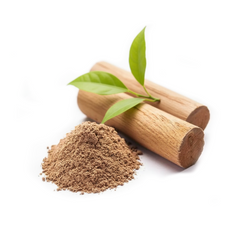
A Cetalox accord is built by blending its creamy, musky-amber character with complementary notes that enhance its warmth and longevity. Typical proportions: Cetalox 35–40%, Musk 20–25%, Sandalwood 20–25%, White Honey 15–20%. Each ingredient is selected for molecular compatibility and olfactory synergy, creating a seamless, skin-like warmth.

40%

Cetalox

35–40% of blend

Provides the creamy, musky-amber backbone; its racemic structure ensures a soft, enveloping diffusion and long-lasting warmth.

25%

Musk

20–25% of blend

Adds velvety, skin-like texture via macrocyclic musks, enhancing the lactonic warmth and extending the dry-down through molecular affinity.

25%

Sandalwood

20–25% of blend

Contributes creamy, woody facets; santalol molecules interact with Cetalox to amplify smoothness and fixative power.

20%

White Honey

15–20% of blend

Imparts a subtle, gourmand sweetness; honey lactones bridge musky and woody notes, rounding out the accord’s softness.

The Olfactory Layers

How Cetalox Evolves on Skin

Cetalox’s olfactory evolution is linear yet nuanced, with a soft, powdery opening, creamy musky heart, and a long-lasting, skin-like base. Its low volatility ensures a gradual, seamless transition between stages, governed by the slow evaporation of high-molecular-weight compounds.

I
Top notes
0–15 min
Powdery Transparency

The initial impression is subtle, marked by faint powdery and mineral nuances. High-volatility impurities dissipate quickly, leaving a clean, almost transparent aura. This stage is brief, as Cetalox’s main molecules are less volatile.

PowderyMineralClean
II
Heart notes
20–60 min
Creamy Musk

Cetalox develops a creamy, musky-amber warmth, with lactonic and woody undertones becoming more pronounced. The racemic structure ensures a soft, enveloping diffusion, while musky facets interact with skin chemistry for a personalized effect.

CreamyMuskyAmber
III
Base notes
Several hours
Skin-Like Warmth

The dry-down is dominated by persistent musky-amber warmth and a skin-like, slightly sweet radiance. Cetalox’s high molecular weight ensures longevity, with lactonic and woody molecules lingering for up to 8 hours or more.

Skin-likeWarmLong-lasting
TOP NOTES Powdery Transparency 0–15 minutes HEART NOTES Creamy Musk 20–60 minutes BASE NOTES Skin-Like Warmth Several hours
Through the Ages

The Story of Cetalox in Perfumery

Cetalox’s history reflects the evolution of synthetic ambergris materials, from animal-derived origins to modern, sustainable chemistry. Its development marked a turning point in minimalist and skin-scent perfumery.

Antiquity

Ambergris in Ancient Perfumery

Ambergris, excreted by sperm whales, was prized in ancient Egypt, Arabia, and China for its fixative and musky properties. Its rarity and cost limited its use to royalty and high-status individuals.

1946

Ambrein Isolated from Ambergris

Nobel laureate Leopold Ruzicka and Fernand Lardon isolate ambrein, the key precursor to ambergris odorants, paving the way for synthetic analogs.

1950

Ambroxan Synthesized by Firmenich

Firmenich patents the semi-synthetic production of Ambroxan from clary sage sclareol, democratizing ambergris-like notes and setting the stage for further innovation.

1993

Cetalox Market Launch

Firmenich introduces Cetalox as a racemic, softer alternative to Ambroxan, offering perfumers a new palette for musky-amber compositions and minimalist fragrances.

2010

Not a Perfume Popularizes Cetalox

Juliette Has a Gun releases Not a Perfume, composed solely of Cetalox, sparking a trend for molecular, skin-like fragrances and expanding consumer awareness of aroma chemicals.

2020s

Cetalox in Modern Niche Perfumery

Cetalox becomes a staple in niche and designer fragrances, valued for its hypoallergenic profile, sustainability, and versatility in layering and minimalist scent design.

The Art of Layering

How to Layer Cetalox

Understanding how to layer Cetalox involves molecular compatibility—its musky-amber backbone pairs seamlessly with musks, woods, and florals. Experimenting with layering enhances both longevity and complexity, creating a personalized signature. Here’s how to layer Cetalox for optimal effect.

01

Enhance Sweetness

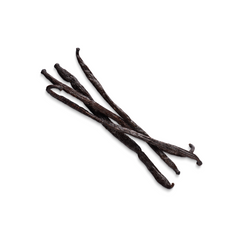
Layer Cetalox with vanilla or tonka bean fragrances. The vanillin and coumarin molecules in these notes mask any metallic edge in Cetalox, amplifying its creamy, gourmand warmth. Juliette Has a Gun Not a Perfume Superdose layered with a vanilla soliflore demonstrates this synergy.

02

Add Depth

Combine Cetalox with sandalwood or cedarwood scents. The santalol and cedrol molecules interact with Cetalox’s lactonic facets, deepening the woody-amber base. Le Labo Another 13 layered with a sandalwood-forward fragrance creates a rich, enveloping skin scent.

03

Lighten the Aura

Pair Cetalox with citrus or green notes. Limonene and hexenal molecules provide a fresh, uplifting contrast, balancing Cetalox’s musky warmth. This approach is illustrated by layering Cetalox-based fragrances with bergamot or neroli colognes.

Wear It Right

How to Wear Cetalox Like a Pro

Seasonal Guide

Fall & Winter

Cooler temperatures slow Cetalox’s evaporation, enhancing its creamy, musky warmth and prolonging longevity. Apply to pulse points and under clothing to maximize diffusion and create a cozy, enveloping aura.

Spring

Moderate temperatures allow Cetalox’s powdery and woody facets to shine. Layer with florals or green notes for a fresh, modern skin scent that balances warmth and transparency.

Summer

Heat and humidity increase Cetalox’s volatility, boosting projection but potentially shortening longevity. Apply sparingly to cooler areas (inner elbows, behind knees) and consider layering with citrus or aquatic notes for a lighter effect.

Year-Round Tip

Cetalox’s hypoallergenic profile and skin-like radiance make it suitable for daily wear in any climate. Adjust application and layering partners to match seasonal mood and personal style.

Application Points

Strategic application of Cetalox maximizes its skin-like warmth and longevity. Target pulse points and hair for optimal diffusion.

1

Neck

Applying Cetalox to the neck leverages body heat, enhancing the musky-amber diffusion and creating a subtle, intimate sillage.

2

Behind the Ears

This area retains warmth and moisture, allowing Cetalox’s creamy facets to linger and evolve gradually throughout the day.

3

Inner Wrists

Pulse points on the wrists accelerate evaporation of lighter fractions, revealing Cetalox’s heart and base notes more quickly.

4

Hair

Spraying on hair provides a slow, sustained release of Cetalox molecules, extending longevity and enhancing the skin-like aura.

Pro Tip

Layer Cetalox-based fragrances with unscented moisturizer to lock in scent and improve projection, especially in dry or cold conditions.

Mood Architecture™

Top Cetalox Fragrances by Mood Score

These Cetalox-based fragrances scored highest on the MEI™ Mood Architecture Framework — measuring how a scent may influence your emotional state.

Highest MEI Score
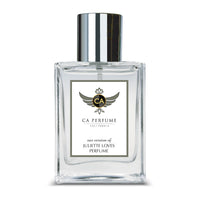
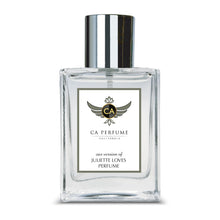
Juliette Loves Perfume — Not A Perfume Alternative Perfume
3.94
MEI™
Primary Magnetic
Secondary Confident
Confidence
4.1
Presence
4.5
Mood Lift
4.0
Identity
3.4
Warmth
3.9
Social Ease
3.9
Energy
1.5
" I am bold.
View full mood profile →
HumanSafe™

Top Cetalox Fragrances by HumanSafe™ Score

These Cetalox-based fragrances have the highest product-level HumanSafe™ scores in this ingredient collection.

Highest HumanSafe™ Score
Juliette Loves Perfume — Not A Perfume Alternative Perfume
A-
HumanSafe™ Score Generally Safe
Safest Evaluated Ingredients EDP
AQUA Solvent / Carrier ISS 10.0
1,4-DIOXACYCLOHEPTADECANE-5,17-DIONE Evaluated ingredient ISS 10.0
AMBROXIDE Evaluated ingredient ISS 9.0
CYCLOHEXANEPROPANOL, 2,2,6-TRIMETHYL-.ALPHA.-PROPYL- Evaluated ingredient ISS 7.0
View full safety profile →
Expert Voices

What Masters Say About Cetalox

Cetalox debuted as sweet ambergris then settled into a lactonic skin warmth. Panel consensus: blend both [Ambroxan and Cetalox] at 4:1 for a balanced 'cashmere amber' accord.
Scentspiracy Technical Panel
Cetalox’s creamy, musky-amber profile defines the modern skin scent trend, offering hypoallergenic warmth and exceptional longevity.
CA Perfume Editorial
Common Questions

Frequently Asked Questions

Answers to common questions about Cetalox’s scent, usage, and performance in perfumery.

Cetalox in perfume is characterized by a creamy, musky-amber scent with subtle woody and powdery nuances. It closely mimics the warmth and radiance of natural ambergris, offering a soft, skin-like aura that is both persistent and intimate. Cetalox is often described as clean, slightly sweet, and enveloping, with a linear evolution from powdery top to musky base. Notable examples include Juliette Has a Gun Not a Perfume and Le Labo Another 13.

Cetalox functions exclusively as a base note in perfumery due to its high molecular weight and low volatility. It anchors compositions with long-lasting musky-amber warmth and serves as a fixative, prolonging the wear of more volatile top and heart notes. Its persistence makes it ideal for minimalist and skin scent fragrances.

Cetalox is favored in niche perfumery for its hypoallergenic profile, sustainability, and ability to create a modern, skin-like warmth. Its versatility allows it to function as both a dominant note and a subtle enhancer, supporting minimalist, molecular, and 'second skin' trends. Its affordability and ethical sourcing compared to natural ambergris further contribute to its popularity.

Cetalox fragrance uses often involve pairing with musks, sandalwood, vanilla, white honey, and soft florals. These notes share molecular affinities—macrocyclic musks and lactones enhance Cetalox’s warmth, while sandalwood and vanilla provide creamy, gourmand depth. This synergy is evident in fragrances like Not a Perfume Superdose and Le Labo Another 13.

Cetalox can be worn year-round, but in hot weather, its musky-amber warmth projects more strongly due to increased volatility. Applying sparingly and layering with citrus or green notes can create a lighter, more refreshing effect suitable for summer. Its hypoallergenic profile makes it comfortable even in humid conditions.

Cetalox fragrances typically last 6–8 hours or more on skin, thanks to the molecule’s high molecular weight and low volatility. In higher concentrations or oil formats, longevity can extend beyond 12 hours, with a persistent, skin-like warmth throughout the wear.

Yes, Cetalox is ideal for layering due to its molecular compatibility with musks, woods, and florals. It enhances longevity and adds a creamy, musky-amber warmth to other scents. Layering with vanilla, sandalwood, or citrus can personalize and balance the overall composition.

For those new to Cetalox, Juliette Has a Gun Not a Perfume offers a pure, minimalist introduction, while Le Labo Another 13 blends Cetalox with musks and ambrette for added complexity. Both are widely regarded as accessible entry points to the molecule’s unique scent profile.

Consider your preferred scent profile—pure musky-amber warmth (as in Not a Perfume), or a more complex blend with woods, florals, or gourmand notes. CA Perfume’s collection offers Cetalox-centered options for both minimalist and layered styles, all HumanSafe™ verified for transparency and sustainability.

Cetalox is primarily musky-amber with a subtle, lactonic sweetness. Its creamy, skin-like warmth is balanced by powdery and woody undertones, creating a nuanced scent that is more musky than overtly sweet. The perception of sweetness can be enhanced when layered with vanilla or honey notes.

Musk, Amber, Animalic Smells Collection

Explore Our Top Cetalox Fragrances

Discover CA Perfume’s selection of fragrances featuring Cetalox, from minimalist skin scents to complex musky-amber blends.

Shop all cetalox fragrances at CA Perfume →

Where Cetalox Comes From — Origin & Extraction

Cetalox is a fully synthetic aroma chemical, first introduced to the market by Firmenich in 1993. Its molecular identity is dodecahydro-3a,6,6,9a-tetramethylnaphtho[2,1-b]furan, and it is produced as a racemic mixture (50:50 of both enantiomers). The primary precursor for Cetalox is sclareol, a diterpene alcohol extracted from clary sage (Salvia sclarea), which is then subjected to a series of chemical transformations including hydrogenation, cyclization, and oxidation to yield the final product. The process is conducted at moderate temperatures (typically below 100°C) to preserve the integrity of the intermediate compounds, and the overall yield from sclareol to Cetalox is approximately 15–20% by mass. Major production facilities are located in Switzerland (Firmenich), with additional manufacturing in France and China. The global market for Cetalox is estimated at several hundred metric tons annually, with synthetic ambergris materials as a whole representing a significant share of the modern fragrance industry. The cost of Cetalox is approximately $150–250 per kilogram, compared to natural ambergris (now illegal and ethically problematic) at $20,000–50,000 per kilogram. Sustainability is a key advantage: Cetalox production relies on renewable plant sources (clary sage) and avoids the ecological and ethical issues associated with animal-derived ambergris. The compound is registered under CAS number 3738-00-9, and there are no current IFRA restrictions on its use.

Famous Fragrances That Define Cetalox in Perfumery

Cetalox has become a signature note in contemporary perfumery, especially in minimalist, “second skin” and clean musk fragrances. The most iconic example is Juliette Has a Gun Not a Perfume (2010, Romano Ricci), which features Cetalox as its sole note, demonstrating the molecule’s ability to function as a complete fragrance on its own. Not a Perfume Superdose (2020, Romano Ricci) amplifies this effect, using a higher concentration for increased projection and longevity. Le Labo Another 13 (2010, Nathalie Lorson) is another landmark, blending Cetalox with ambrette, musk, and iso e super to create a musky, mineral, and subtly animalic composition. Essential Parfums Patchouli Mania (2018, Fabrice Pellegrin) uses Cetalox to provide musky-amber depth beneath earthy patchouli and cacao. Mercedes-Benz Intense (2013, Olivier Cresp) employs Cetalox as a supporting note, enhancing the woody, musky base. In BORNTOSTANDOUT® Dirty Rice (2022), Cetalox is paired with creamy rice and soft woods, creating a warm, enveloping skin scent. These fragrances illustrate the versatility of Cetalox as both a dominant and supporting note, often paired with musks, ambrette, iso e super, and soft florals. CA Perfume’s collection draws inspiration from this lineage, offering Cetalox-centered compositions that highlight its creamy, musky warmth and modern ambergris character.

Natural vs Synthetic Cetalox in Perfumery

Cetalox is a purely synthetic molecule, designed to replicate and expand upon the musky-amber facets of natural ambergris. The key synthetic analogs in this olfactory family include Ambroxan (CAS 6790-58-5), Orcanox (CAS 68155-66-8), and Cachalox (Firmenich captive). Ambroxan is an enantiopure form, offering a crystalline, mineral freshness, while Cetalox (racemic) is softer, creamier, and more musky. Orcanox provides a slightly more woody, mineral nuance, and Cachalox is used in proprietary Firmenich blends for added depth. Performance-wise, Cetalox offers a softer diffusion and a longer, more linear dry-down than Ambroxan, with excellent stability and minimal allergenic potential. Cost is a major differentiator: Cetalox is priced at $150–250/kg, Ambroxan at $200–400/kg, and natural ambergris is prohibitively expensive and largely unavailable. Notable fragrances using Cetalox as the dominant note include Juliette Has a Gun Not a Perfume and Not a Perfume Superdose, while Ambroxan is featured in Escentric Molecules Molecule 02 and Dior Sauvage. Sustainability is a central benefit: Cetalox is derived from clary sage, a renewable crop, and its production is less resource-intensive than animal-derived ambergris. CA Perfume’s HumanSafe™ platform ensures full traceability and transparency in sourcing and formulation, supporting ethical and sustainable practices. The main aroma chemicals in this family—Cetalox, Ambroxan, Orcanox—are all IFRA-compliant and widely used in modern perfumery.