Ingredient Guide · Musk, Amber, Animalic
Musk, Amber, Animalic Family · Perfumery Note

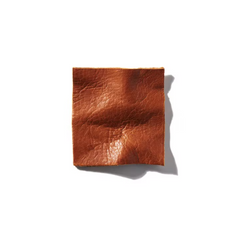
Castoreum

The essential animalic-leather note in classic and modern perfumery.

Castoreum is a base note in perfumery, prized for its animalic, leathery, and smoky character. Its defining quality comes from phenols, benzoates, and acetates, which together create a complex, tenacious scent profile used at 0.05–0.2% in fine fragrance.

Castoreum
Ingredient Profile

Castoreum

Musk, Amber, Animalic Family
Family Musk, Amber, Animalic
Note Position Base Note
Usage Level 0.05–0.2%
Key Origins Russia, Canada, Sweden
Iconic In Cuir de Russie, Shalimar
The Ingredient

What does castoreum smell like and why is it significant in perfumery?

Castoreum is an animalic perfume note derived historically from the castor sacs of the North American and European beaver (Castor canadensis and Castor fiber). The castoreum scent profile is defined by leathery, smoky, and musky facets, underpinned by a complex blend of phenols (notably p-ethyl phenol and cresols), benzoates, acetates, and lactones. These molecules contribute to a scent that is at once pungent, tar-like, and reminiscent of birch tar or Russian leather, with subtle undertones of dried fruit and resin. When diluted, castoreum reveals musky, woody, and even faintly sweet nuances, making it one of perfumery’s most multifaceted animalic notes. In perfumery, castoreum is classified as a base note due to its low volatility and high tenacity. It is typically used at concentrations of 0.05–0.2% in the perfume concentrate, where it acts as both a fixative and a modifier, imparting depth, warmth, and a distinctive animalic signature. Castoreum’s interaction with skin chemistry is pronounced: acidic skin can amplify its sharp, smoky facets, while alkaline skin may bring out its sweeter, leathery tones. Its molecular complexity allows it to bridge floral, woody, and resinous accords, making it indispensable in leather, chypre, and oriental fragrance structures. Castoreum in perfumery is exemplified by its use in Chanel Cuir de Russie (1924, Ernest Beaux), where it forms the backbone of the leather accord, and Guerlain Shalimar (1925, Jacques Guerlain), where it deepens the ambery base. More recently, Francesca Bianchi’s Under My Skin (2017) and Initio Parfums Prives Absolute Aphrodisiac (2015) showcase castoreum’s ability to add sensuality and complexity to modern niche compositions.

0.05–0.2%
Typical concentration of castoreum (natural or synthetic) in perfume concentrate. Higher levels risk overpowering the composition with animalic intensity.
8–12 Hours
Average longevity of castoreum-rich fragrances on skin, due to the high molecular weight and fixative properties of its phenolic and resinous components.
$15,000+/kg (natural absolute)
Natural castoreum absolute is among the most expensive perfumery materials, reflecting rarity and ethical constraints. Synthetic bases cost $50–200/kg.
Origin & Extraction

Where Castoreum Comes From — Origin & Extraction

The scent character of castoreum varies by beaver species and diet, with Russian and Canadian origins historically prized for their distinctive nuances. Soil, climate, and local flora influence the molecular profile of the secretion.

Castoreum is a glandular secretion produced by the North American beaver (Castor canadensis) and the European beaver (Castor fiber). The castor sacs, located between the pelvis and tail of both male and female beavers, yield a yellowish, oily substance with a strong, penetrating odor. Historically, castoreum was harvested from wild beavers in Canada, Russia, and Scandinavia, with Russia and Canada accounting for the majority of global supply until the mid-20th century. Annual production volumes were never large—estimated at less than 1 metric ton globally—due to the labor-intensive and ethically problematic extraction process, which required killing the animal. Extraction involves drying the castor sacs, then macerating them in ethanol (typically 95%) for several weeks to produce a tincture, or using volatile solvents (such as hexane or ethanol) to obtain a resinoid or absolute. Yields vary, but the soluble fraction can represent 45–75% of the original pouch weight. The resulting material is a reddish-brown resin or dark liquid, highly concentrated in phenolic and resinous compounds. Modern extraction may also use supercritical CO2, but this is rare due to cost and regulatory constraints. Natural castoreum absolute commands prices exceeding $15,000 per kg, while synthetic substitutes cost $50–200 per kg. Due to animal welfare concerns and CITES regulations, natural castoreum is now almost entirely replaced by synthetic reconstitutions. Key manufacturers of synthetic castoreum bases include dsm-firmenich (Castoreum Synth 184004 D) and Symrise. Sustainability is a major concern: wild beaver populations are protected in most countries, and the fragrance industry has shifted to animal-free alternatives for ethical and regulatory compliance.

RU

Russia

Siberian beavers (Castor fiber) from the Volga and Siberian regions yield castoreum with a tarry, birch bark-like odor. The prevalence of birch in the diet imparts creosote and phenolic notes. Russian castoreum was historically the most sought after, but production is now minimal due to wildlife protection.

CA

Canada

Canadian beavers (Castor canadensis) from Quebec and Ontario produce castoreum with pine resin and galbanum-like nuances, attributed to a diet rich in aspen and pine. Canada was the leading exporter in the 19th and early 20th centuries, but current volumes are negligible.

SE

Sweden

Swedish beaver populations in Värmland and Dalarna regions contributed to European castoreum supply. The local flora, dominated by willow and alder, imparts subtle green and woody undertones. Sweden enforces strict wildlife management, and commercial harvesting is now prohibited.

US

United States

Northern US states (Minnesota, Maine) once supplied castoreum with a balanced, resinous profile. The beaver diet and cold climate yield a secretion with pronounced longevity and fixative power. Today, all commercial use is synthetic due to conservation laws.

Chemistry

Natural vs Synthetic Castoreum in Perfumery

Natural castoreum is a complex mixture of phenols (p-ethyl phenol, cresols), benzoic acid, acetates, and lactones. Its extraction from beavers is now rare and highly regulated due to animal welfare and CITES restrictions. Synthetic castoreum is typically a proprietary blend of aroma chemicals, including dihydrocarveol (CAS 1192-56-1), dihydrocarvyl acetate (CAS 7786-61-0), and birch tar oil (CAS 8001-88-5), among others. These molecules replicate the leathery, smoky, and animalic facets of the natural material, with performance characteristics tailored for longevity and diffusion. Synthetic castoreum bases, such as Castoreum Synth 184004 D (dsm-firmenich), offer high impact and tenacity at a fraction of the cost—natural absolute can exceed €15,000 per kg, while synthetic bases are available for under $200 per kg. Notable fragrances using synthetic castoreum include Tom Ford Oud Wood Intense and Francesca Bianchi Sticky Fingers. Natural castoreum is still found in some artisanal and vintage formulas, such as early editions of Chanel Cuir de Russie, but most modern perfumes rely on synthetics for ethical, regulatory, and supply reasons. From a sustainability perspective, synthetic castoreum eliminates the need for animal harvesting and provides consistent quality and supply chain transparency. The HumanSafe™ platform documents ingredient provenance and ensures that all CA Perfume castoreum accords are animal-free, vegan, and IFRA-compliant. Synthetic reconstitutions can also be formulated to exclude allergenic polyphenols, offering a cleaner safety profile.

Natural
Castoreum Absolute
Cost $3,000–6,000/kg
Method Solvent / CO₂
Character Complex, variable
vs
Synthetic
Safranal & Analogues
Cost $50–200/kg
Method Lab synthesis
Character Consistent, stable
Hall of Fame

Famous Fragrances That Define Castoreum in Perfumery

1924
dominant note

Cuir de Russie

Chanel
by Ernest Beaux
birch taririsaldehydes
1925
bridge note

Shalimar

Guerlain
by Jacques Guerlain
vanillabergamotopoponax
1981
accent

Antaeus

Chanel
by Jacques Polge
oakmosspatchoulilabdanum
2017
dominant note

Under My Skin

Francesca Bianchi
by Francesca Bianchi
orrisleathermusk
2015
dominant note

Absolute Aphrodisiac

Initio Parfums Prives
vanillaambermusk
2010
accent

Memoir Woman

Amouage
by Daniel Maurel
incensecloveoakmoss
2017
bridge note

Oud Wood Intense

Tom Ford
oudsandalwoodspices

Castoreum has been a cornerstone of leather, chypre, and animalic fragrances since the early 20th century. Chanel Cuir de Russie (1924, Ernest Beaux) is a seminal example, where castoreum forms the heart of the leather accord, paired with birch tar and iris. Guerlain Shalimar (1925, Jacques Guerlain) uses castoreum to deepen its ambery-vanillic base, lending a subtle animalic warmth. In the 1980s, Chanel Antaeus (1981, Jacques Polge) brought castoreum’s animalic power to the masculine fougère category, blending it with oakmoss, patchouli, and labdanum. Modern niche perfumery continues to explore castoreum’s potential. Francesca Bianchi’s Under My Skin (2017) and Sticky Fingers (2019) both use synthetic castoreum to create sensual, musky-leather signatures. Initio Parfums Prives Absolute Aphrodisiac (2015) features castoreum as a dominant note, paired with vanilla and amber for a provocative effect. Amouage Memoir Woman (2010, Daniel Maurel) and Tom Ford Oud Wood Intense (2017) also showcase castoreum’s ability to bridge oud, woods, and florals. CA Perfume’s collection draws inspiration from these landmark compositions, offering animalic-leather accords in a modern, vegan format.

The Accord

How is a captivating Castoreum accord crafted?

A classic castoreum accord blends Castoreum (20–25%), Birch Tar (20–25%), Labdanum (25–30%), and Iris (20–25%). Castoreum provides the animalic-leathery core via phenols and lactones. Birch tar adds smoky, tar-like facets through guaiacol and cresols. Labdanum supplies resinous warmth and longevity via labdanic acid and amber molecules. Iris introduces powdery, woody softness, smoothing the animalic edges with ionones and irones. Together, these components create a nuanced, tenacious leather accord.

25%

Castoreum

20–25% of blend

Provides the animalic, leathery core through phenols, benzoates, and lactones, creating depth and fixative power.

25%

Birch Tar

20–25% of blend

Contributes smoky, tar-like facets via guaiacol and cresols, reinforcing the leather effect and adding intensity.

30%

Labdanum

25–30% of blend

Supplies resinous, ambery warmth and longevity through labdanic acid and amber molecules, rounding the accord.

25%

Iris

20–25% of blend

Introduces powdery, woody softness with ionones and irones, smoothing the animalic edges and enhancing wearability.

The Olfactory Layers

How Castoreum Evolves on Skin

Castoreum’s olfactory evolution is marked by a slow, persistent release of leathery and smoky molecules. High-molecular-weight phenols and lactones evaporate gradually, ensuring a tenacious drydown that lingers for hours.

I
Top notes
0–15 min
Smoky Leather Burst

The initial impression is sharp, tar-like, and intensely animalic, dominated by volatile phenols (cresols, guaiacol) and acetates. These molecules create an immediate, pungent burst reminiscent of birch tar and Russian leather, with faint medicinal and smoky facets.

sharpsmokyanimalic
II
Heart notes
20–60 min
Musky Resinous Core

As volatility decreases, the scent mellows into leathery, musky, and woody nuances. Lactones and benzoates emerge, softening the animalic edge and introducing subtle sweetness and resinous warmth. The interplay of musky and woody molecules creates a complex, evolving heart.

leatherymuskywoody
III
Base notes
Several hours
Amber-Leather Drydown

The drydown is dominated by high-molecular-weight fixatives—castorin, benzoic acid, and resinous compounds. The scent becomes smoother, with persistent leather, amber, and faintly fruity undertones. These molecules ensure lasting projection and depth.

resinousamberytenacious
TOP NOTES Smoky Leather Burst 0–15 minutes HEART NOTES Musky Resinous Core 20–60 minutes BASE NOTES Amber-Leather Drydown Several hours
Through the Ages

The Story of Castoreum in Perfumery

Castoreum’s history in perfumery spans from ancient medicine to modern niche fragrances, reflecting evolving attitudes toward animalic notes and ethical sourcing.

Antiquity

Medicinal Use in Ancient Greece and Rome

Castoreum was used as a remedy for headache, fever, and hysteria, as documented by Roman and Greek physicians. Its name derives from the Greek 'kastor' for beaver.

18th–19th Century

Adoption in European Perfumery

Castoreum became a prized ingredient in leather and chypre perfumes, especially in France and Russia. Extraction methods were refined, and the material was exported globally.

1924–1925

Golden Age of Animalic Leather Fragrances

Chanel Cuir de Russie (1924) and Guerlain Shalimar (1925) established castoreum as a signature note in luxury perfumery, influencing generations of leather and oriental compositions.

1960s–1980s

Synthetic Substitutes and Regulatory Changes

Development of synthetic castoreum bases and increasing wildlife protection led to a decline in natural castoreum use. Iconic fragrances like Chanel Antaeus (1981) relied on reconstitutions.

2000s–Present

Niche Revival and Ethical Reformulation

Niche brands and artisan perfumers revisit castoreum’s animalic power using vegan synthetics. The HumanSafe™ platform and IFRA guidelines ensure ethical, transparent sourcing.

The Art of Layering

How to Layer Castoreum

Understanding how to layer castoreum involves molecular compatibility and olfactory masking. Its animalic, leathery core bridges florals, woods, and resins, enabling unique custom blends.

01

Enhance Sweetness

Layer castoreum with vanilla or tonka bean fragrances. Vanillin (from vanilla) and coumarin (from tonka) mask castoreum’s sharp phenolic edge, creating a smoother, more gourmand effect. Guerlain Shalimar demonstrates this synergy, where the animalic base is softened by sweet, ambery notes.

02

Add Depth

Pair castoreum with oud or patchouli-based scents. Shared resinous and woody molecules (such as guaiacol and patchoulol) create a seamless transition from animalic to earthy, amplifying complexity. Tom Ford Oud Wood Intense and Amouage Memoir Woman illustrate this layered depth.

03

Lighten the Animalic Glow

Combine castoreum with citrus or green notes. Limonene and linalool from bergamot or neroli provide olfactory contrast, lifting the composition and moderating the animalic intensity. Chanel Cuir de Russie uses citrus top notes to balance the leather accord.

Wear It Right

How to Wear Castoreum Like a Pro

Seasonal Guide

Fall & Winter

Cool temperatures suppress volatility, allowing castoreum’s leathery, smoky, and resinous facets to linger. Apply to pulse points and under clothing for a slow, enveloping diffusion. The note’s animalic warmth is especially suited to dense, layered outfits and evening wear.

Spring

Moderate temperatures reveal castoreum’s musky and woody undertones. Lighter application is recommended, focusing on areas with moderate heat (inner wrists, behind ears). Pair with floral or green notes to balance the animalic core.

Summer

High heat increases volatility, intensifying the smoky and animalic top notes. Use sparingly—prefer oil-based or low-concentration formats to prevent overwhelming projection. Layer with citrus or herbal accords to freshen the composition.

Year-Round Tip

Adjust dosage and placement based on climate and activity. In humid conditions, castoreum’s fixative power ensures longevity, but sillage may be amplified. In dry environments, moisturize skin before application to enhance diffusion and prevent rapid evaporation.

Application Points

Strategic application maximizes castoreum’s complexity and longevity while controlling projection.

1

Neck

Pulse points on the neck generate heat, accelerating the release of smoky, leathery top notes. This area ensures the animalic facets are perceptible to both wearer and those nearby.

2

Behind the Ears

The skin here is slightly cooler, allowing for a slower evolution of musky and woody heart notes. Ideal for subtle, intimate diffusion of castoreum’s animalic signature.

3

Inner Wrists

Frequent movement and warmth enhance volatility, showcasing the transition from sharp top notes to resinous base. Reapplication may be needed for all-day wear.

4

Hair

Hair fibers trap scent molecules, providing sustained release of leather and amber notes. Spray lightly to avoid buildup; the scent will diffuse with movement.

Pro Tip

Layer castoreum-based fragrances over unscented moisturizer to slow evaporation and enhance projection. Avoid overapplication—microdosing ensures complexity without overwhelming sillage.

Mood Architecture™

Top Castoreum Fragrances by Mood Score

These Castoreum-based fragrances scored highest on the MEI™ Mood Architecture Framework — measuring how a scent may influence your emotional state.

Highest MEI Score
Promise — Frederic Malle Promise Alternative Perfume
8.04
MEI™
Primary Romantic
Secondary Confident
Confidence
7.32
Presence
7.51
Mood Lift
8.87
Identity
7.24
Warmth
9.5
Social Ease
7.93
Energy
5.0
" I am beautiful.
View full mood profile →
De La Nuit No: 2 — De La Nuit No. 2 Alternative Perfume
7.98
MEI™
Primary Romantic
Secondary Confident
Confidence
7.96
Presence
8.51
Mood Lift
8.08
Identity
7.89
Warmth
9.31
Social Ease
7.19
Energy
4.5
" I am beautiful.
View full mood profile →
Pearl Oud — By Kilian Pearl Oud Alternative Perfume
7.93
MEI™
Primary Romantic
Secondary Confident
Confidence
8.39
Presence
9.12
Mood Lift
7.54
Identity
9.23
Warmth
8.87
Social Ease
6.92
Energy
2.5
" I am beautiful.
View full mood profile →
Midnight Oud — Juliette Has A Gun Midnight Oud Alternative Perfume
7.64
MEI™
Primary Confident
Secondary Magnetic
Confidence
9.03
Presence
8.87
Mood Lift
6.74
Identity
8.59
Warmth
8.37
Social Ease
5.71
Energy
4.6
" I am confident.
View full mood profile →
HumanSafe™

Top Castoreum Fragrances by HumanSafe™ Score

These Castoreum-based fragrances have the highest product-level HumanSafe™ scores in this ingredient collection.

Highest HumanSafe™ Score
Shanghai Lily — Tom Ford Impression Shanghai Lily Alternative Perfume
A-
HumanSafe™ Score Generally Safe
Safest Evaluated Ingredients EDP
AQUA Solvent / Carrier ISS 10.0
BENZYL SALICYLATE EYE IRRITATION - CAT. 2B [H320] Evaluated ingredient ISS 9.0
4H-INDEN-4-ONE, 1,2,3,5,6,7-HEXAHYDRO-1,1,2,3,3- Evaluated ingredient ISS 9.0
1H-3A,7-METHANOAZULENE, OCTAHYDRO-6-METHOXY-3,6,8,8- Evaluated ingredient ISS 9.0
OCTANAL, 2-(PHENYLMETHYLENE)- Evaluated ingredient ISS 8.0
LINALYL ACETATE Evaluated ingredient ISS 7.0
View full safety profile →
Promise — Frederic Malle Promise Alternative Perfume
A-
HumanSafe™ Score Generally Safe
Safest Evaluated Ingredients EDP
AQUA Solvent / Carrier ISS 10.0
3-BUTEN-2-ONE, 3-METHYL-4-(2,6,6-TRIMETHYL-2- Evaluated ingredient ISS 8.0
LINALOOL Evaluated ingredient ISS 7.0
BULNESIA SARMIENTI, EXT., ACETATE Evaluated ingredient ISS 7.0
AMBREIN Evaluated ingredient ISS 7.0
View full safety profile →
Pearl Oud — By Kilian Pearl Oud Alternative Perfume
A-
HumanSafe™ Score Generally Safe
Safest Evaluated Ingredients EDP
AQUA Solvent / Carrier ISS 10.0
1,4-DIOXACYCLOHEPTADECANE-5,17-DIONE Evaluated ingredient ISS 10.0
4H-INDEN-4-ONE, 1,2,3,5,6,7-HEXAHYDRO-1,1,2,3,3- Evaluated ingredient ISS 9.0
3-BUTEN-2-ONE, 3-METHYL-4-(2,6,6-TRIMETHYL-2- Evaluated ingredient ISS 8.0
BENZOIC ACID, 2,4-DIHYDROXY-3,6-DIMETHYL-, METHYL Evaluated ingredient ISS 7.0
AMBREIN Evaluated ingredient ISS 7.0
View full safety profile →
Oud Wood Intense — Tom Ford Impression Oud Wood Intense Alternative Perfume
A-
HumanSafe™ Score Generally Safe
Safest Evaluated Ingredients EDP
AQUA Solvent / Carrier ISS 10.0
3-BUTEN-2-ONE, 3-METHYL-4-(2,6,6-TRIMETHYL-2- Evaluated ingredient ISS 8.0
OILS, GUAIACWOOD, ACETATES Evaluated ingredient ISS 7.0
LINALOOL Evaluated ingredient ISS 7.0
CITRONELLOL Evaluated ingredient ISS 7.0
ALPHA-CEDRENE Evaluated ingredient ISS 7.0
View full safety profile →
Expert Voices

What Masters Say About Castoreum

Castoreum’s unique scent profile comes from the complex blend of compounds found in the beaver's castor sacs, including phenols, benzoates, and acetates. These compounds contribute to the leathery, smoky, and sometimes slightly fruity aroma that is prized in perfumery.
BMV Fragrances Editorial
Today, castoreum is almost always recreated synthetically for ethical and environmental reasons, but its animalic, leathery signature remains essential in leather and chypre compositions.
CA Perfume Editorial
Common Questions

Frequently Asked Questions

Frequently asked questions about castoreum in perfumery, covering scent, usage, and technical details.

Castoreum in perfume smells leathery, smoky, and intensely animalic, with nuances of birch tar, musk, and resin. The scent profile is shaped by phenols (cresols, guaiacol), benzoates, and lactones, creating a sharp, tar-like opening that mellows into musky, woody, and ambery undertones. When diluted and expertly blended, castoreum can also reveal subtle sweetness and dried-fruit nuances. Its complexity makes it a cornerstone of leather, chypre, and oriental fragrances.

Castoreum is classified as a base note in perfumery due to its low volatility and high molecular weight. Its fixative properties anchor the composition, ensuring longevity and depth. In most formulas, castoreum is used at 0.05–0.2% of the concentrate, supporting leather, amber, and animalic accords. Its tenacity allows it to persist for 8–12 hours or more on skin.

Niche perfumers value castoreum for its ability to impart complexity, sensuality, and a distinctive animalic signature. Its molecular structure bridges floral, woody, and resinous notes, enabling unique, multifaceted compositions. Synthetic castoreum bases allow modern perfumers to explore its character without ethical concerns, making it a hallmark of contemporary leather and chypre fragrances.

Castoreum fragrance uses often involve pairing with birch tar, labdanum, oud, patchouli, vanilla, and iris. These ingredients share molecular affinities—such as phenols, resins, and lactones—that create seamless transitions and enhance the leather-animalic accord. Classic pairings include castoreum with vanilla (as in Guerlain Shalimar) or with birch tar and iris (as in Chanel Cuir de Russie).

Castoreum’s tenacity and animalic intensity can be amplified in hot weather due to increased volatility. For summer use, opt for lower concentrations (EDT or oil-based formats) and lighter application. Layering with citrus or green notes can freshen the composition and moderate the animalic facets. In humid climates, castoreum’s fixative power ensures longevity, but sillage may be more pronounced.

Castoreum-rich fragrances are known for exceptional longevity, often lasting 8–12 hours or more on skin. This is due to the high molecular weight and fixative properties of its phenolic and resinous components. The scent evolves slowly, with the leathery and ambery base persisting long after the smoky top notes dissipate.

Yes, castoreum can be layered with complementary notes such as vanilla, oud, patchouli, and citrus. Molecular compatibility—such as shared phenolic or resinous compounds—ensures a harmonious blend. For best results, apply lighter scents first and use castoreum-based fragrances sparingly to avoid overwhelming the composition. Notable examples include layering with vanilla for sweetness or with oud for depth.

For those new to castoreum, fragrances like Guerlain Shalimar, Chanel Cuir de Russie, and Francesca Bianchi Under My Skin offer approachable introductions. These compositions balance castoreum’s animalic character with vanilla, iris, or floral notes, creating a nuanced, wearable effect. Start with small samples to explore how the note interacts with your skin chemistry.

CA Perfume offers a curated selection of castoreum-inspired fragrances, all formulated with vegan, synthetic bases for ethical transparency. Consider your preferred style—leather, chypre, or oriental—and sample different blends to find the balance of animalic, leathery, and ambery notes that suits your taste. The HumanSafe™ platform ensures ingredient provenance and safety.

Castoreum is primarily smoky and leathery, with tar-like, animalic facets in the top and heart notes. When expertly blended and diluted, it can reveal cleaner, musky, and woody undertones, especially in the drydown. The overall impression depends on concentration, formulation, and skin chemistry, but the signature is always complex and multifaceted.

Musk, Amber, Animalic Collection

Explore Our Top Castoreum Fragrances

Discover CA Perfume’s selection of castoreum-inspired scents, crafted with vegan, animal-free bases for modern, ethical luxury.

Shop all castoreum fragrances at CA Perfume →

Where Castoreum Comes From — Origin & Extraction

Castoreum is a glandular secretion produced by the North American beaver (Castor canadensis) and the European beaver (Castor fiber). The castor sacs, located between the pelvis and tail of both male and female beavers, yield a yellowish, oily substance with a strong, penetrating odor. Historically, castoreum was harvested from wild beavers in Canada, Russia, and Scandinavia, with Russia and Canada accounting for the majority of global supply until the mid-20th century. Annual production volumes were never large—estimated at less than 1 metric ton globally—due to the labor-intensive and ethically problematic extraction process, which required killing the animal. Extraction involves drying the castor sacs, then macerating them in ethanol (typically 95%) for several weeks to produce a tincture, or using volatile solvents (such as hexane or ethanol) to obtain a resinoid or absolute. Yields vary, but the soluble fraction can represent 45–75% of the original pouch weight. The resulting material is a reddish-brown resin or dark liquid, highly concentrated in phenolic and resinous compounds. Modern extraction may also use supercritical CO2, but this is rare due to cost and regulatory constraints. Natural castoreum absolute commands prices exceeding $15,000 per kg, while synthetic substitutes cost $50–200 per kg. Due to animal welfare concerns and CITES regulations, natural castoreum is now almost entirely replaced by synthetic reconstitutions. Key manufacturers of synthetic castoreum bases include dsm-firmenich (Castoreum Synth 184004 D) and Symrise. Sustainability is a major concern: wild beaver populations are protected in most countries, and the fragrance industry has shifted to animal-free alternatives for ethical and regulatory compliance.

Famous Fragrances That Define Castoreum in Perfumery

Castoreum has been a cornerstone of leather, chypre, and animalic fragrances since the early 20th century. Chanel Cuir de Russie (1924, Ernest Beaux) is a seminal example, where castoreum forms the heart of the leather accord, paired with birch tar and iris. Guerlain Shalimar (1925, Jacques Guerlain) uses castoreum to deepen its ambery-vanillic base, lending a subtle animalic warmth. In the 1980s, Chanel Antaeus (1981, Jacques Polge) brought castoreum’s animalic power to the masculine fougère category, blending it with oakmoss, patchouli, and labdanum. Modern niche perfumery continues to explore castoreum’s potential. Francesca Bianchi’s Under My Skin (2017) and Sticky Fingers (2019) both use synthetic castoreum to create sensual, musky-leather signatures. Initio Parfums Prives Absolute Aphrodisiac (2015) features castoreum as a dominant note, paired with vanilla and amber for a provocative effect. Amouage Memoir Woman (2010, Daniel Maurel) and Tom Ford Oud Wood Intense (2017) also showcase castoreum’s ability to bridge oud, woods, and florals. CA Perfume’s collection draws inspiration from these landmark compositions, offering animalic-leather accords in a modern, vegan format.

Natural vs Synthetic Castoreum in Perfumery

Natural castoreum is a complex mixture of phenols (p-ethyl phenol, cresols), benzoic acid, acetates, and lactones. Its extraction from beavers is now rare and highly regulated due to animal welfare and CITES restrictions. Synthetic castoreum is typically a proprietary blend of aroma chemicals, including dihydrocarveol (CAS 1192-56-1), dihydrocarvyl acetate (CAS 7786-61-0), and birch tar oil (CAS 8001-88-5), among others. These molecules replicate the leathery, smoky, and animalic facets of the natural material, with performance characteristics tailored for longevity and diffusion. Synthetic castoreum bases, such as Castoreum Synth 184004 D (dsm-firmenich), offer high impact and tenacity at a fraction of the cost—natural absolute can exceed €15,000 per kg, while synthetic bases are available for under $200 per kg. Notable fragrances using synthetic castoreum include Tom Ford Oud Wood Intense and Francesca Bianchi Sticky Fingers. Natural castoreum is still found in some artisanal and vintage formulas, such as early editions of Chanel Cuir de Russie, but most modern perfumes rely on synthetics for ethical, regulatory, and supply reasons. From a sustainability perspective, synthetic castoreum eliminates the need for animal harvesting and provides consistent quality and supply chain transparency. The HumanSafe™ platform documents ingredient provenance and ensures that all CA Perfume castoreum accords are animal-free, vegan, and IFRA-compliant. Synthetic reconstitutions can also be formulated to exclude allergenic polyphenols, offering a cleaner safety profile.