Where Cardamom Comes From — Origin & Extraction
Cardamom is sourced from the seeds of Elettaria cardamomum, a perennial herb in the Zingiberaceae (ginger) family. The plant is native to the Western Ghats of southern India, but today, Guatemala is the world’s largest producer, accounting for over 60% of global supply (annual production exceeding 35,000 metric tons). Other significant producers include India, Sri Lanka, and Tanzania. Cardamom pods are harvested by hand before full ripeness to preserve volatile aromatics, then dried and processed for essential oil extraction.
The primary extraction method for perfumery is steam distillation of the seeds, yielding cardamom essential oil with a typical yield of 4–8%. For higher olfactory fidelity, solvent extraction or supercritical CO2 extraction is used to produce cardamom absolute, which captures more of the delicate, sweet, and balsamic notes. Steam distillation is performed at temperatures below 100°C to prevent degradation of key volatiles such as 1,8-cineole and terpinyl acetate. The resulting oil is highly concentrated, with prices for natural cardamom absolute ranging from $3,000–6,000 per kilogram, reflecting the labor-intensive harvesting and low oil yield.
Synthetic cardamom aroma chemicals, such as eucalyptol (CAS 470-82-6) and terpinyl acetate (CAS 80-26-2), are produced at a fraction of the cost—typically $50–200/kg. Sustainability concerns focus on deforestation and soil depletion in major producing regions, as well as the high water and labor demands of cardamom cultivation. Some producers are adopting agroforestry and organic certification to address these issues. The complexity and cost of natural extraction ensure that synthetic analogs are widely used in commercial perfumery for consistency and affordability.
Famous Fragrances That Define Cardamom in Perfumery
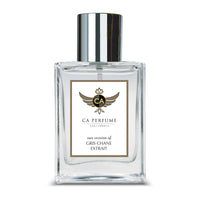
Cardamom’s versatility has made it a signature note in both designer and niche perfumery. In Yves Saint Laurent La Nuit de l’Homme (2009, Anne Flipo, Pierre Wargnye, Dominique Ropion), cardamom is the unmistakable top note, providing a spicy, aromatic opening that segues into lavender and cedar. Jean Paul Gaultier Le Male Le Parfum (2020, Quentin Bisch, Nathalie Gracia-Cetto, Louise Turner) uses cardamom to add a modern, spicy twist to the classic fougère structure, paired with iris and vanilla for a creamy, sensual effect. BDK Parfums Gris Charnel (2019, Mathilde Bijaoui) features cardamom as a bridge note, linking fig, tea, and sandalwood in a composition that is both fresh and enveloping.
Memo Paris African Leather (2015, Aliénor Massenet) utilizes cardamom as a dominant note, blending it with saffron, cumin, and leather to evoke the heat and spice of the African savannah. By Kilian Intoxicated (2014, Calice Becker) is inspired by Turkish coffee, with cardamom at the heart, supported by nutmeg, cinnamon, and caramelized sugar. These fragrances demonstrate cardamom’s ability to function as a dominant, bridge, or accent note, depending on the context and concentration. CA Perfume’s collection draws inspiration from this lineage, offering cardamom-forward compositions that highlight both its aromatic brightness and its spicy warmth.
Natural vs Synthetic Cardamom in Perfumery
Natural cardamom oil is composed of over 120 identified compounds, with 1,8-cineole, α-terpineol, and terpinyl acetate as major contributors to its olfactory profile. Synthetic cardamom notes are typically built around these molecules, with additional use of linalyl acetate (CAS 115-95-7) and methyl eugenol (CAS 93-15-2) to enhance floral and spicy facets. Synthetic versions offer greater stability, batch-to-batch consistency, and lower allergenic potential, but lack the full complexity of the natural oil.
Performance-wise, synthetic cardamom molecules provide longer-lasting top notes and greater resistance to oxidation, making them preferable in high-volume commercial fragrances. Natural cardamom, while more nuanced and evolving, can be less stable and more prone to color changes over time. Cost is a major differentiator: natural cardamom absolute commands $3,000–6,000/kg, while synthetics range from $50–200/kg. Iconic fragrances such as Yves Saint Laurent La Nuit de l’Homme and Jean Paul Gaultier Le Male Le Parfum use both natural and synthetic cardamom, depending on batch and regulatory requirements.
Sustainability and supply chain transparency are critical factors. Overharvesting and monoculture practices threaten biodiversity in producing regions, while synthetic production reduces land and water use but raises questions about petrochemical sourcing. CA Perfume’s HumanSafe™ platform provides ingredient traceability and ensures that both natural and synthetic cardamom components meet rigorous safety and environmental standards. This approach balances olfactory authenticity with ethical sourcing and consumer safety.